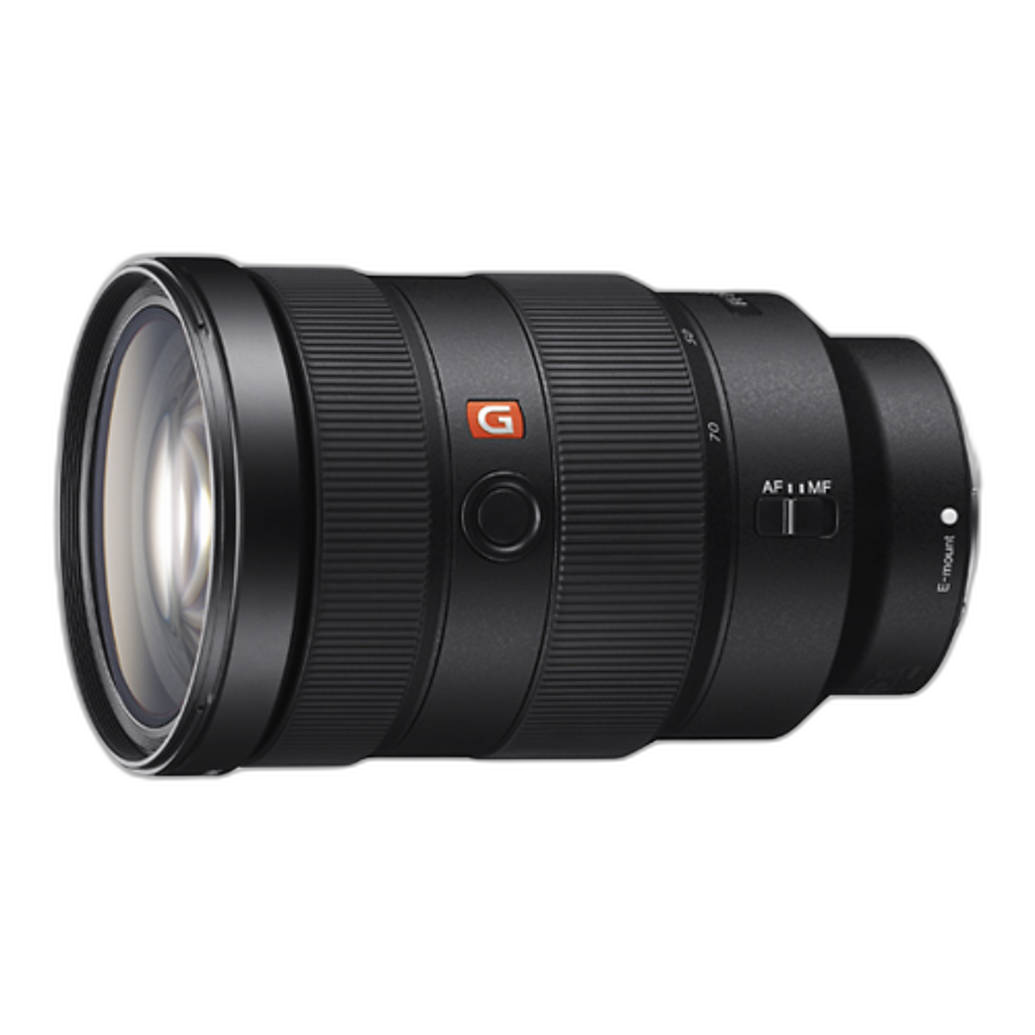
When Sony introduced the FE 24-70mm f/2.8 GM II in April 2022, it was not merely updating one of the most important lenses in its full-frame mirrorless system. It was refining a category-defining tool. The 24-70mm f/2.8 has long been the workhorse zoom for professionals and serious enthusiasts alike, covering wide-angle, normal, and short-telephoto perspectives in one fast package. In the Sony ecosystem, the original 24-70mm f/2.8 G Master had already established itself as a premium option. The second-generation lens arrived with a clear message: make it smaller, make it sharper, and make it feel even more at home on modern Alpha bodies.
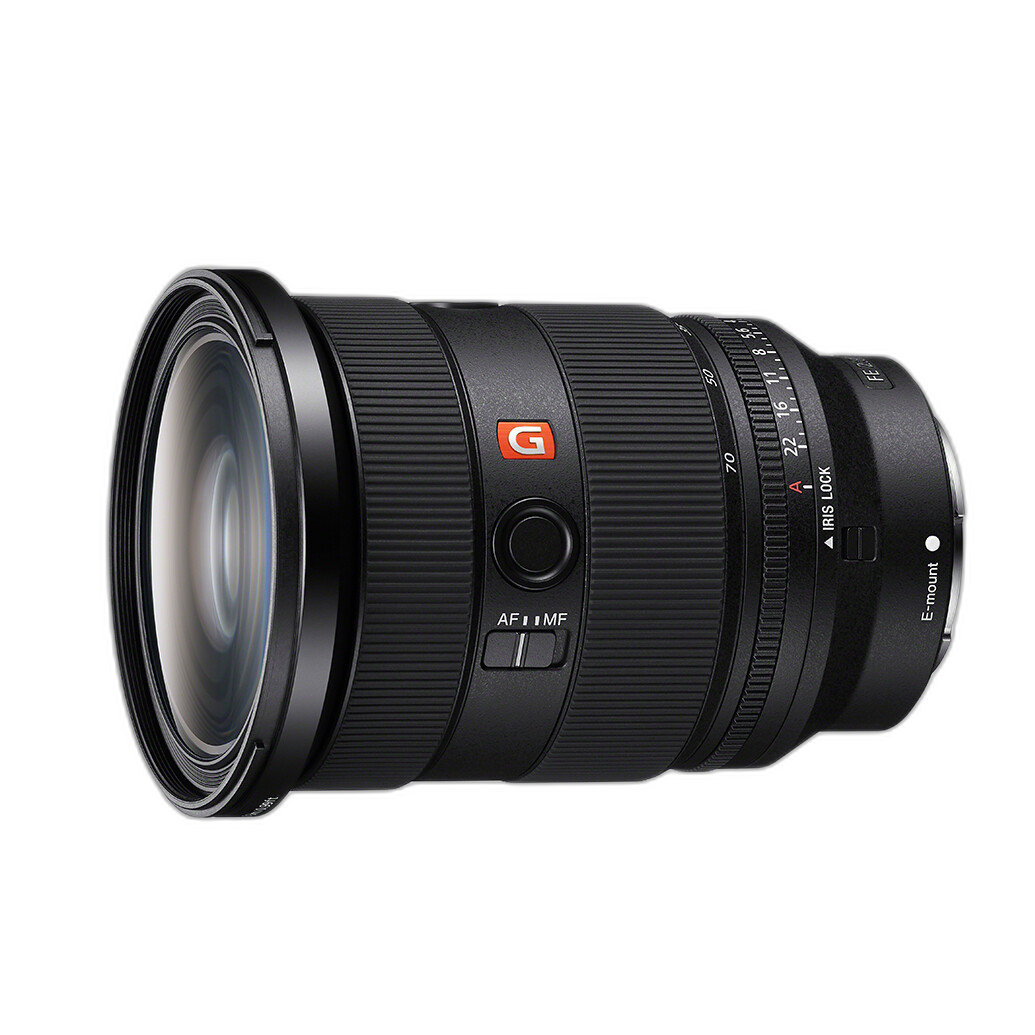
A Standard Zoom with Outsized Importance
Few lenses are as central to a working photographer's kit as a 24-70mm f/2.8. It is the lens that covers weddings, portraits, editorial assignments, travel features, events, and day-to-day commercial work. On a full-frame Sony E-mount camera, 24mm gives meaningful width for environmental scenes and interiors, while 70mm offers enough reach for flattering portraits and tighter framing. Pair that range with a constant f/2.8 aperture, and the result is a lens designed for versatility without giving up low-light capability or subject separation.
By the time the FE 24-70mm f/2.8 GM II appeared, Sony's mirrorless system had matured dramatically. Resolution had climbed, autofocus performance had accelerated, and hybrid stills/video shooting had become a central expectation. A standard zoom released into that environment had to do more than simply meet old professional benchmarks. It had to support high-resolution sensors, keep up with fast continuous shooting, and operate with a degree of polish expected from a flagship optic.
The 2022 Refresh
The Sony FE 24-70mm f/2.8 GM II launched on 2022-04-27 with a U.S. launch price of $2,299. Positioned in Sony's G Master lineup, it represented the company's premium take on the classic standard zoom formula for the Sony E mount. From the outset, the story around the lens centered on refinement. Sony emphasized a more compact design while also advancing optical performance, a combination that is particularly significant in mirrorless systems where photographers often expect smaller overall kits without compromising professional capability.
That balancing act matters historically. In the DSLR era, fast 24-70mm lenses were often accepted as large, heavy necessities. Mirrorless camera systems changed those expectations. Users wanted top-tier optics, but they also wanted better portability and handling. The FE 24-70mm f/2.8 GM II landed at a moment when lens design had to answer both demands at once.
Why the Size Reduction Mattered
A Better Match for Mirrorless Bodies
One of the defining talking points around the FE 24-70mm f/2.8 GM II at launch was its smaller form. That was not a superficial update. For photographers who spend full days with a camera in hand, size and weight directly affect usability. A standard zoom is often the lens that stays mounted the longest, so any reduction in bulk can be felt across weddings, documentary assignments, travel, and video rigs.
On Sony's compact full-frame bodies, handling balance has always been part of the discussion around professional zooms. A smaller 24-70mm f/2.8 helps the camera-and-lens combination feel more coherent. It also benefits creators working on gimbals, in run-and-gun environments, or in hybrid roles where the same lens may move between handheld stills, tripod video, and stabilized setups.
Portability Without Changing the Formula
Importantly, Sony did not change the essential appeal of the lens. It remained a 24-70mm f/2.8 for full-frame Sony E-mount cameras: the classic one-lens solution for a wide range of assignments. That continuity is a major reason lenses in this category remain so historically significant. The achievement lies not in reinventing the concept, but in making the familiar formula easier to carry and more capable in practice.
The G Master Expectation: Sharper Optics
The other major theme of the FE 24-70mm f/2.8 GM II's release was improved sharpness. By 2022, this was not optional. Sony's high-resolution Alpha bodies had raised expectations for what a professional zoom should resolve, and photographers increasingly wanted prime-like crispness from their fast standard zooms. The GM badge already implied premium optical ambition; the Mark II lens arrived with the burden and opportunity of demonstrating progress.
Sharpness in a lens like this is not only about test charts. It affects confidence in real assignments. Wedding photographers need clean detail in dresses, suits, and décor. Editorial photographers want clarity across environmental portraits. Commercial shooters need files that stand up to cropping and retouching. Travel and landscape users expect strong performance throughout the zoom range, not merely in one sweet spot. A sharper standard zoom is, in practical terms, a more dependable lens.
Historically, this progression also reflects how mirrorless systems evolved. Early adopters were often willing to accept some compromise in exchange for smaller bodies and innovative autofocus. As the system matured, compromises became less acceptable. Lenses like the FE 24-70mm f/2.8 GM II show Sony answering that maturation directly.
24-70mm f/2.8: Why This Range Endures
The Everyday Professional Focal Lengths
There is a reason nearly every major camera system treats the 24-70mm f/2.8 as a cornerstone lens. At 24mm, photographers can capture architecture, interiors, group shots, and expansive establishing frames. Around the middle of the range, the lens covers documentary and general-purpose shooting with a natural field of view. At 70mm, it becomes a practical portrait tool, delivering tighter compositions and a more flattering perspective.
The constant f/2.8 aperture is equally important. It allows consistent exposure behavior while zooming, a major benefit for video and event work, and it offers enough speed for low-light environments where a slower variable-aperture zoom would begin to feel limiting. In many kits, a 24-70mm f/2.8 becomes the default lens precisely because it can do so much so well.
For Stills and Hybrid Creators
By the early 2020s, the market for premium standard zooms was no longer made up solely of still photographers. Hybrid creators expected responsive autofocus, reliable handling, and a lens that felt equally comfortable for photo assignments and video production. The FE 24-70mm f/2.8 GM II arrived in that mixed-use era. Even viewed historically, that is an important part of its identity: it was designed for a moment when the line between photographer and filmmaker had blurred considerably.
Its Place in Sony's Lens History
Within Sony's broader FE lineup, the FE 24-70mm f/2.8 GM II represented a mature phase of the system's development. Earlier years were about building credibility and filling out the lens roadmap. By 2022, Sony was in a position to revisit key professional lenses and improve them in meaningful, user-focused ways. The FE 24-70mm f/2.8 GM II is a good example of that second-wave confidence. It did not exist simply to occupy a slot in the catalog; it existed to show how far the system had come.
That matters because standard zooms often reveal the health of a lens ecosystem. A camera brand can make headlines with exotic telephotos or ultra-fast primes, but the 24-70mm f/2.8 is where professionals judge everyday viability. If that lens is excellent, the system feels credible. If it is better than before while becoming easier to carry, the system feels mature.
Launch Price and Market Position
At $2,299 at launch in the United States, the FE 24-70mm f/2.8 GM II was clearly aimed at the premium end of the market. That pricing placed it in the realm of professionals and committed enthusiasts who depend on their gear or who want top-tier optical and mechanical performance from a standard zoom. In historical terms, that is exactly where a flagship 24-70mm f/2.8 belongs. This is not the category for compromise-first design; it is the category for the lens that many users rely on most.
Conclusion
Seen from its 2022 release period, the Sony FE 24-70mm f/2.8 GM II was an important lens because it improved the things that mattered most: portability, sharpness, and overall usability in a modern full-frame mirrorless system. It kept the classic 24-70mm f/2.8 formula intact while bringing it into closer alignment with the expectations of contemporary Sony shooters. For many photographers, that made it not just an upgrade, but a statement about where the FE system stood at the time.
For photographers interested in Sony FE lenses, archival perspective on key releases, or finding the right standard zoom for a Sony E-mount kit, Unique Photo is a great place to buy, compare, or learn more.