Sony FE 12-24mm f/2.8 GM vs Sony FE 24-105mm f/4 G OSS
Event photographers thrive where light is scarce and moments move fast. In this head-to-head, we examine how Lens Compare Beta insights translate into real-world results when choosing between two popular Sony full-frame options: the Sony FE 12-24mm f/2.8 GM and the Sony FE 24-105mm f/4 G OSS. We’ll focus on low-light exposure, autofocus reliability, stabilization, and practical shooting strategies for ceremonies, receptions, and candid coverage.
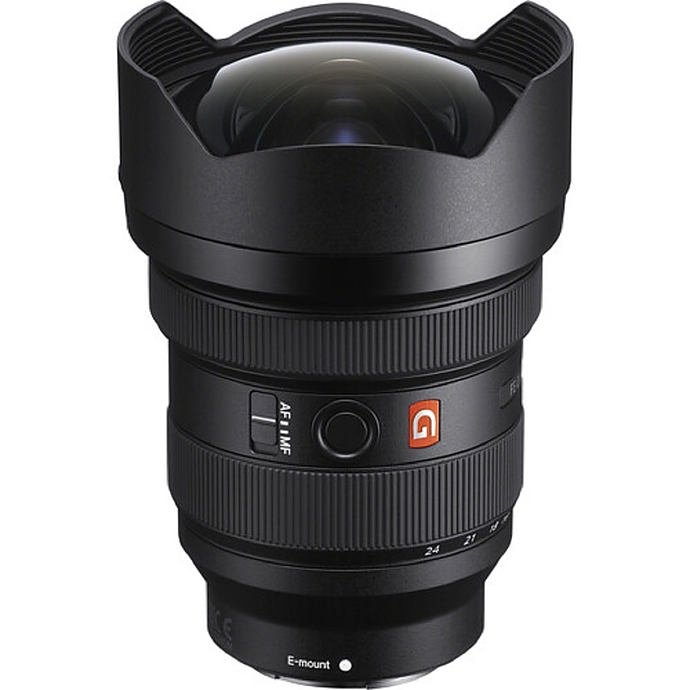
Sony FE 12-24mm f/2.8 GM
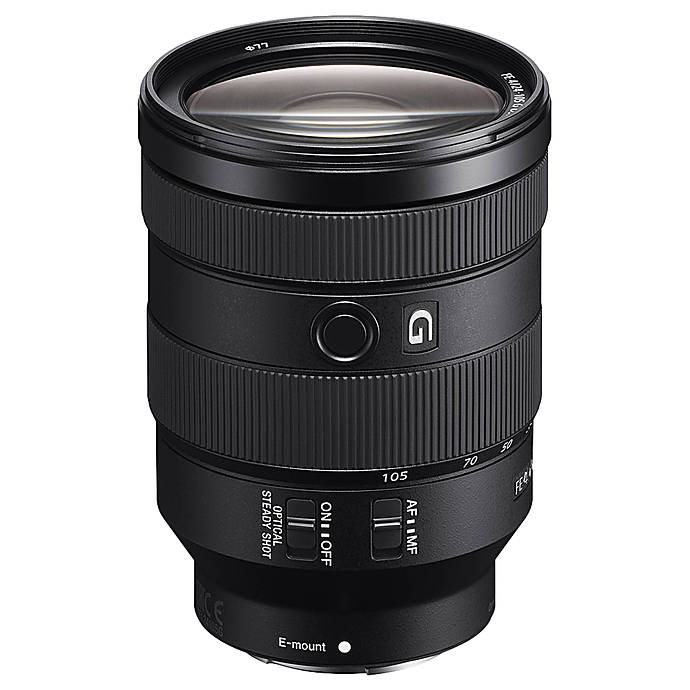
Sony FE 24-105mm f/4 G OSS
Side-by-Side Specs
| Spec | Sony FE 12-24mm f/2.8 GM | Sony FE 24-105mm f/4 G OSS |
|---|---|---|
| Focal Range | 12–24mm | 24–105mm |
| Max Aperture | Constant f/2.8 | Constant f/4 |
| Optical Stabilization | No | Yes (OSS) |
| AF Drive | XD Linear Motors | Direct Drive SSM (DDSSM) |
| Min Focus Distance | Approx. 0.28 m | Approx. 0.38 m |
| Filter Support | Rear gel slot (no front thread) | 77mm front thread |
| Weather Sealing | Yes | Yes |
| Weight | Approx. 847 g | Approx. 663 g |
How to Apply Lens Compare Beta Data
Lens Compare Beta typically surfaces trends in transmission (effective T-stop), sharpness across the frame, focus acquisition behavior, and stabilization effectiveness. For low light and events, read the data through this lens:
- Exposure latitude: A constant f/2.8 gives about one stop more light than f/4—vital for faster shutter speeds or lower ISO.
- AF reliability: Brighter lenses often enable the camera to focus more confidently in dim scenes; drive motor behavior and tracking stability are equally important.
- Stabilization vs subject motion: OSS/IBIS helps your hand shake, not your subject’s movement. Pair data on OSS efficacy with realistic shutter targets for the scene.
- Field uniformity: Wide-open corner sharpness and distortion profiles inform where to place people in the frame, especially at ultra‑wide focal lengths.
Low-Light Exposure & Image Quality
12-24mm f/2.8 GM: Lens Compare Beta trends and field use both favor its constant f/2.8 for dim interiors, giving a full stop advantage over f/4. That extra stop is the difference between 1/125s and 1/250s on a dance floor or ISO 6400 vs 12800 during speeches. The GM’s optical design delivers strong center-to-corner sharpness even wide open, helping environmental frames and dramatic venue shots look crisp.
24-105mm f/4 G OSS: At f/4, you give up a stop of light, but the zoom range covers portraits, details, and candids without lens swaps. Stopping down isn’t always possible at events; fortunately, this lens maintains very good sharpness wide open through much of the range. Expect softer corners at the long end compared to the GM’s performance at ultra-wide angles, which is rarely a deal-breaker for people-centric framing.
Autofocus Reliability & Tracking
12-24mm f/2.8 GM: Fast glass plus XD linear motors equals excellent low-light AF confidence. In practice, Eye AF locks quickly at 24mm even in dim receptions. At 12–16mm, faces are smaller in-frame; use Zone/Tracking expand to keep dancers in focus. The extra light at f/2.8 improves lock-on in backlit entrances and spotlight moments.
24-105mm f/4 G OSS: The DDSSM drive is smooth and accurate. In truly dark spaces at 85–105mm, the f/4 aperture can prompt occasional hunting on moving subjects. Mitigate by using AF-C with Tracking Flexible Spot, prioritizing face/eye detection, and keeping subjects in higher-contrast edges of the frame. For ceremonies and toasts where subjects are more static, AF reliability is consistently solid.
Stabilization & Handholding
12-24mm f/2.8 GM: No OSS, but short focal lengths and modern IBIS still yield slow handheld shutters for static scenes (architecture, details). For people in motion, the extra stop at f/2.8 usually beats stabilization by letting you raise shutter speed without spiking ISO.
24-105mm f/4 G OSS: OSS is a real advantage for static subjects at the long end—think detail shots, decor, and quiet moments. Combine OSS with IBIS to hold 1/15–1/30s at 24–50mm on still scenes. For moving subjects, prioritize shutter speed (1/125–1/250s) and lean on higher ISO or flash.
Coverage & Composition Flexibility
12-24mm f/2.8 GM: Ideal for sweeping venue scenes, cramped prep rooms, and dynamic dance-floor storytelling. It complements a second body with a fast normal/tele zoom or a prime for portraits.
24-105mm f/4 G OSS: A true event workhorse. One-lens coverage from establishing shots at 24mm to tight candids and details at 105mm reduces lens swaps and missed moments. If you’re traveling light, this is the versatile choice.
Distortion, Flare & Rendering
12-24mm f/2.8 GM: Expect pronounced perspective exaggeration at the widest settings—keep people away from the extreme edges, and keep the horizon level to avoid unflattering stretch. Coatings handle strong point lights well, useful for stage lighting and DJ LEDs.
24-105mm f/4 G OSS: Mild barrel distortion at 24mm and pincushion toward 105mm are easily corrected in-camera or in post. Flare control is dependable; bokeh is pleasant if not prime-like, especially in the 70–105mm range.
Handling & Event Workflow
Both lenses are weather-sealed with customizable focus hold buttons. The 12-24mm’s bulbous front element precludes front filters; use the rear gel slot if needed. The 24-105mm accepts common 77mm filters, handy for ND in mixed lighting or video work. Weight favors the 24-105mm for all-day carries, while the 12-24mm balances well on pro Sony bodies for short bursts on the dance floor or during venue reveals.
Shooting Strategies Informed by Lens Compare Beta
- Dance floor (moving subjects): Favor the 12-24mm at f/2.8, 1/200s, Auto ISO cap around 12800; use AF-C + Zone or Tracking. Add on-camera bounce or off-camera flash for consistency.
- Ceremony aisle & entrances: With the 24-105mm, set a minimum shutter (1/250s) and Auto ISO. Track faces; pre-focus to anticipated distances. If light is marginal, go wider to 50–70mm for stronger AF confidence.
- Speeches & toasts (semi-static): 24-105mm with OSS shines—work around 1/60–1/125s at f/4. Use face/eye AF and let stabilization reduce hand shake.
- Venue wides & room reveals: 12-24mm at f/2.8–f/4, keep the camera level to avoid converging lines; place people near the center third of the frame to avoid stretch.
- AF behavior in low contrast: Switch to Medium Flexible Spot or Expand and aim at contrast edges (lapels, hairlines). Disable AF assist lamp if it distracts subjects.
Our Pick
Best single-lens solution for event generalists: Sony FE 24-105mm f/4 G OSS. Its focal range covers almost everything you’ll face at weddings and corporate events, and OSS helps for speeches, details, and travel-friendly setups. Pair it with smart AF settings and flash when needed, and you’ll get consistent results even in tough light.
Best for dramatic low-light wides and dynamic storytelling: Sony FE 12-24mm f/2.8 GM. If your style leans on immersive environmental frames and you want the extra stop at ultra-wide angles, this GM delivers top-tier sharpness and confident AF in the dark.
Conclusion
Lens Compare Beta data is most powerful when tied to real shooting priorities: shutter speed for motion, AF lock in dim light, and focal coverage for the day’s flow. The Sony FE 24-105mm f/4 G OSS is our top recommendation for all-around event work, while the Sony FE 12-24mm f/2.8 GM is a stellar companion for low-light environmental coverage. Explore both—and the rest of Sony’s ecosystem—at Unique Photo, where you can compare, rent, and get expert advice tailored to your shooting style.