Overview
The Sony Alpha a7S series has redefined low-light photography and videography, earning a reputation as the go-to mirrorless cameras for creators who demand exceptional sensitivity and dynamic range. With three generations—Sony a7S, a7S II, and a7S III—this lineup has evolved significantly, offering improved video features, autofocus, and usability. In this article, we compare the Sony Alpha a7S II and a7S III—two standout models for professionals and enthusiasts—and discuss their strengths, specifications, and ideal use cases.
What Makes the a7S Series Unique?
- Full-frame Exmor CMOS sensors optimized for low light
- Impressive high ISO performance
- Professional-grade video capabilities (4K, S-Log profiles, internal recording)
- Robust build quality with weather sealing
Model Overviews
Sony Alpha a7S II Mirrorless Digital Camera - Body Only
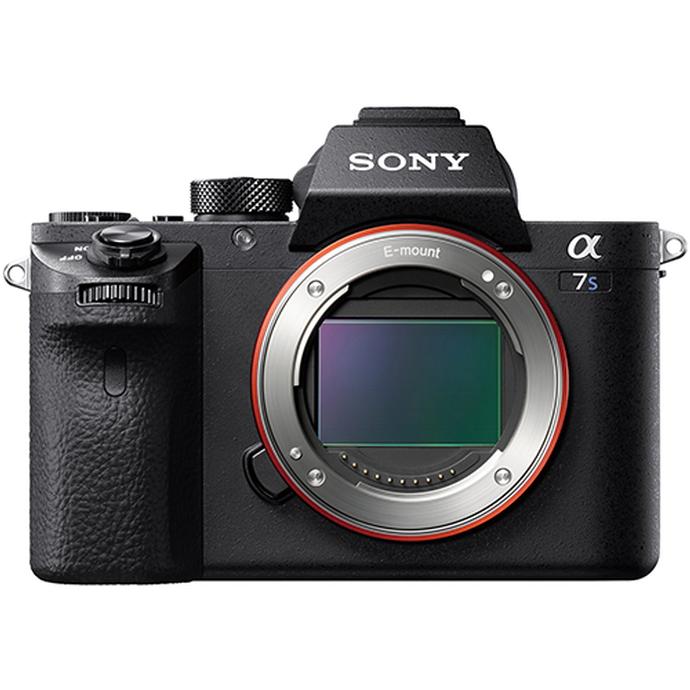
The Sony a7S II improved upon its predecessor with enhanced image stabilization, internal 4K recording, and upgraded autofocus. The a7S II remains a favorite among filmmakers and photographers needing exceptional low-light performance and flexible color grading options.
Sony Alpha a7S III Mirrorless Digital Camera (Body Only)
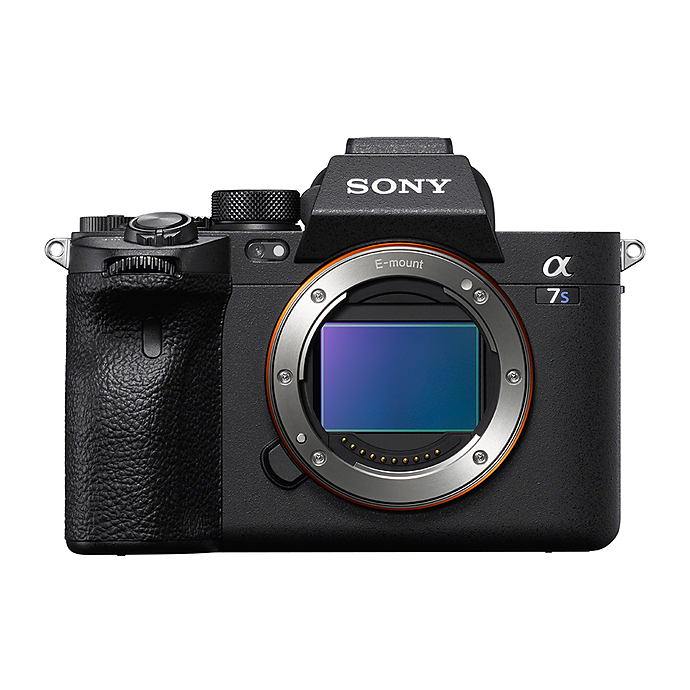
The a7S III takes the series to new heights, featuring a completely revamped sensor, advanced autofocus, and the ability to shoot 4K video at up to 120p. Its improved ergonomics, touch interface, and dual card slots make it a powerhouse for professionals who require reliability and speed.
Head-to-Head Comparison
| Feature | Sony a7S II | Sony a7S III |
|---|---|---|
| Sensor | 12.2MP Full-frame Exmor CMOS | 12.1MP Full-frame Exmor R BSI CMOS |
| ISO Range | 100–102400 (expandable to 409600) | 80–102400 (expandable to 409600) |
| Autofocus Points | 169 Contrast-detect AF points | 759 Phase-detect, 425 Contrast-detect |
| Image Stabilization | 5-axis in-body | 5-axis in-body |
| Video Recording | 4K30p (internal), 8-bit S-Log2/3 | 4K120p (internal), 10-bit 4:2:2, S-Log3, HLG |
| Viewfinder | 2.36M-dot OLED EVF | 9.44M-dot OLED EVF |
| LCD Screen | 3.0", 1.23M-dot tilting | 3.0", 1.44M-dot vari-angle touch |
| Memory Card Slots | Single SD | Dual CFexpress Type A/SD |
| Mount | Sony E-mount | Sony E-mount |
| Weight (Body Only) | 627g | 699g |
Benefits of Each Model
- Sony a7S II:
- Outstanding low-light performance with minimal noise
- Internal 4K recording with S-Log2/3 for flexible grading
- Compact and lightweight design
- Sony a7S III:
- Superior autofocus and subject tracking
- 4K video up to 120p, 10-bit internal recording
- Advanced heat management for longer recording times
- Dual card slots and robust build for professional workflows
- High-resolution EVF and fully articulating touchscreen
Usage Tips for Low-Light Shooting
- Utilize fast prime lenses (f/1.4, f/1.8) for best results
- Enable in-body stabilization for handheld shots
- Use S-Log profiles for maximum dynamic range in post
- Keep ISO as low as possible to minimize noise, leveraging the cameras' sensitivity
- Take advantage of the cameras' silent shooting modes for discreet environments
Recommended Accessories
- Sony G Master prime and zoom lenses (E-mount)
- CFexpress Type A cards for a7S III for faster write speeds
- External microphones for professional sound recording
- Extra batteries and USB-C chargers
- Field monitors for advanced video workflows
- Camera cages and grips for extended shoots
Which a7S is Right for You?
If you’re primarily focused on low-light stills and occasional video, the Sony a7S II is an excellent choice for its affordability and proven performance. For full-time videographers, hybrid shooters, and professionals seeking cutting-edge features, the a7S III is unmatched—offering high frame rates, advanced autofocus, and robust connectivity.
What Comes in the Box
- Camera Body
- Rechargeable Battery
- AC Adapter
- USB Cable
- Shoulder Strap
- Body Cap
- User Manual