Overview
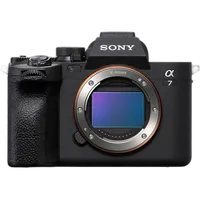
Sony’s Alpha a7 series has defined the full-frame mirrorless market, offering photographers and videographers a compelling blend of image quality, performance, and versatility. With three generations—the a7II, a7III, and a7IV—choosing the right camera for your needs can be challenging. This comprehensive comparison breaks down their specs, features, and real-world benefits to help you decide which model best fits your workflow and creative vision.
Introducing the Contenders
- Sony Alpha a7II: The classic entry to full-frame mirrorless with 24.3MP and 5-axis stabilization.
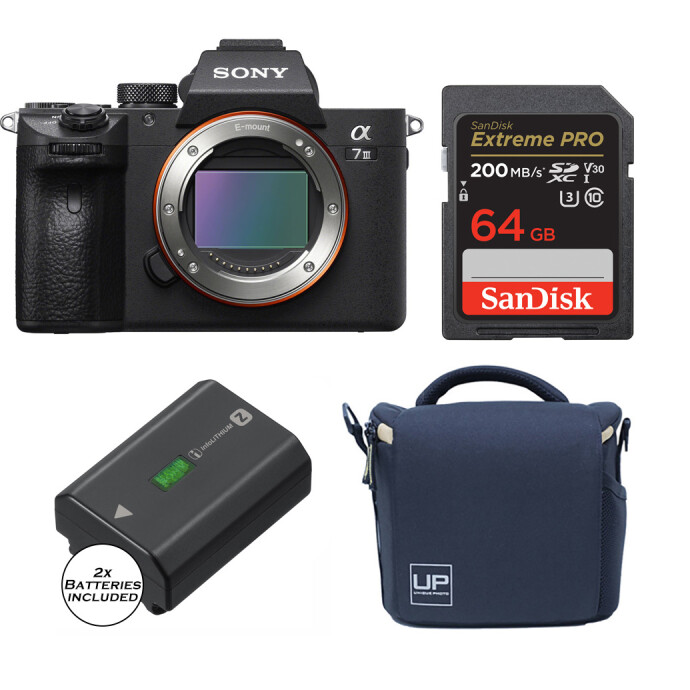
- Sony Alpha a7III: The all-rounder, balancing high-end features with value.
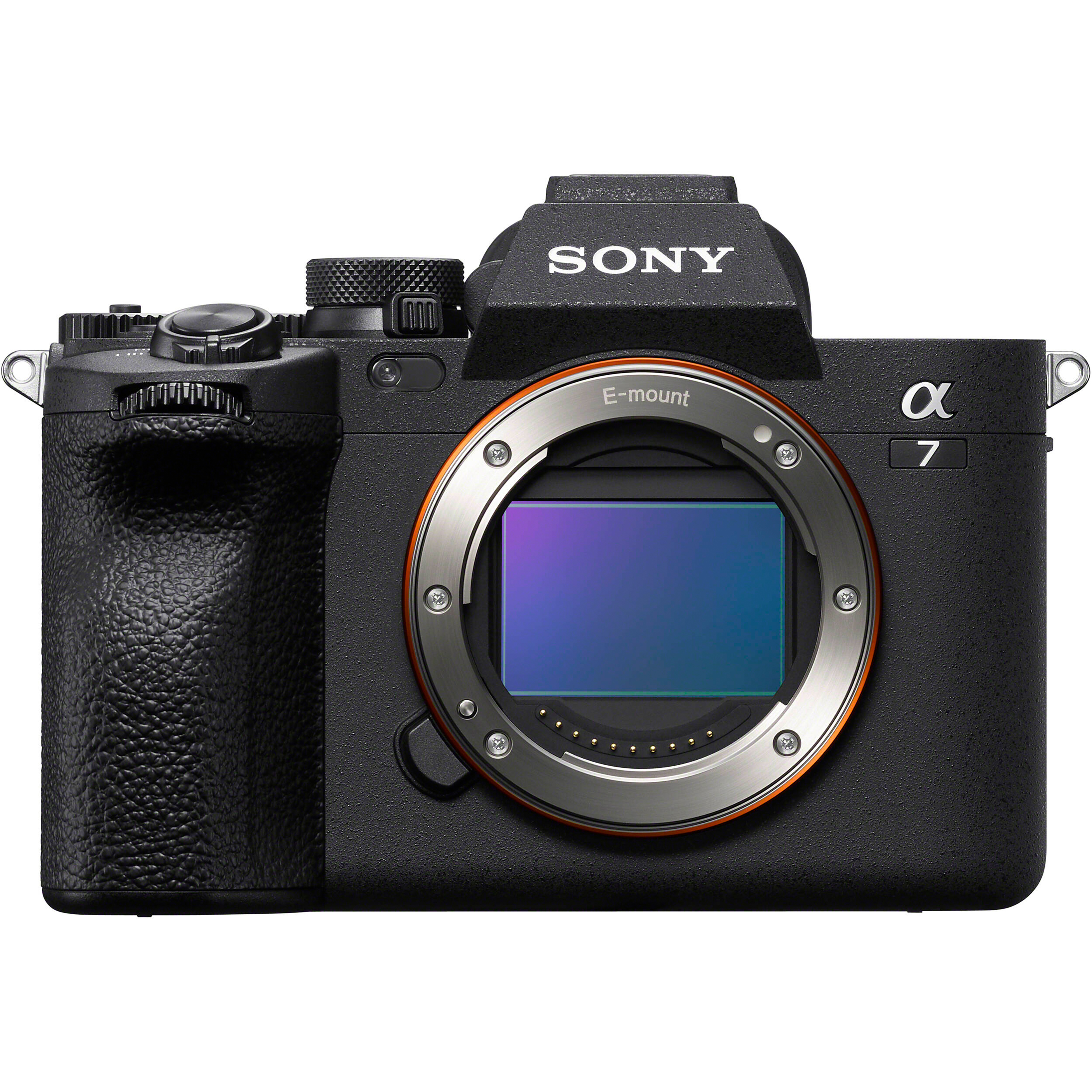
- Sony Alpha a7IV: The latest, packing advanced autofocus, higher resolution, and pro-grade video tools.
Design & Handling
| Model | Body | LCD | Viewfinder | Battery | Weight |
|---|---|---|---|---|---|
| Sony Alpha a7II | Magnesium Alloy | 3" Tilting, 1.23M dots | 2.36M-dot OLED | NP-FW50 | 599g |
| Sony Alpha a7III | Magnesium Alloy | 3" Tilting, 922K dots | 2.36M-dot OLED | NP-FZ100 | 650g |
| Sony Alpha a7IV | Magnesium Alloy | 3" Vari-angle, 1.03M dots | 3.69M-dot OLED | NP-FZ100 | 658g |
The a7IV refines ergonomics with a deeper grip and fully-articulating LCD, perfect for vloggers and hybrid shooters. The a7III is comfortable for all-day use, while the a7II is compact but with less battery life.
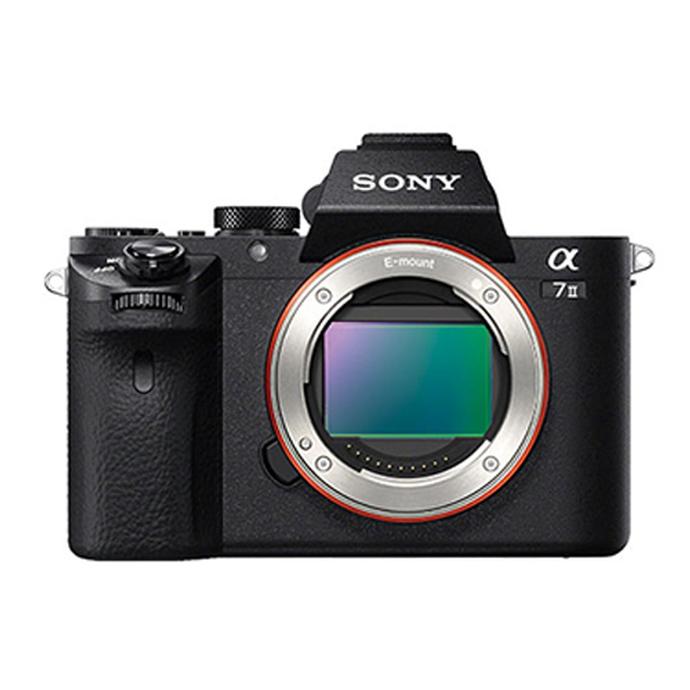
Image Quality & Sensor Performance
| Model | Sensor | Resolution | ISO Range | Stabilization |
|---|---|---|---|---|
| a7II | Full-frame CMOS | 24.3MP | 100-25600 | 5-axis IBIS |
| a7III | Full-frame BSI CMOS | 24.2MP | 100-51200 (exp. 50-204800) | 5-axis IBIS |
| a7IV | Full-frame Exmor R CMOS | 33MP | 100-51200 (exp. 50-204800) | 5.5-stop 5-axis IBIS |
The a7IV’s 33MP sensor offers increased detail and cropping flexibility, ideal for landscape, portrait, and commercial shooters. The a7III, with its back-illuminated sensor, delivers superb low-light performance and dynamic range—great for events and weddings. The a7II still produces beautiful images but lacks the technological refinements of later generations.
Autofocus & Speed
| Model | AF Points | Eye AF (Human/Animal) | Burst Rate | Buffer |
|---|---|---|---|---|
| a7II | 117 phase + 25 contrast | No | 5 fps | ~50 JPEG |
| a7III | 693 phase + 425 contrast | Human | 10 fps | ~177 JPEG |
| a7IV | 759 phase + 425 contrast | Human & Animal (photo/video) | 10 fps | ~828 JPEG |
The a7IV leads with advanced subject recognition and tracking—even for animals and birds in photo and video modes. The a7III’s autofocus is reliable for most action and professional work, while the a7II is best for static or slower subjects.
Video Features
| Model | Max Resolution | Frame Rates | Advanced Modes | Real-time Tracking |
|---|---|---|---|---|
| a7II | 1080p | 60p | XAVC S, S-Log2 | No |
| a7III | 4K (UHD) | 30p, 24p | S-Log3, HLG | No |
| a7IV | 4K (UHD) | 60p (10-bit), 30p, 24p | S-Cinetone, S-Log3, HLG, 10-bit 4:2:2 | Yes |
The a7IV is ideal for serious video creators, offering oversampled 4K60, professional color profiles, and advanced autofocus. The a7III is a solid hybrid option, while the a7II is limited to basic Full HD recording.
Lens Compatibility & System Growth
- All three use the Sony E-mount, compatible with a vast range of native Sony and third-party lenses.
- Latest models (a7III, a7IV) benefit from better AF with newer lenses and support more advanced lens features like linear motors and focus breathing compensation (a7IV).
Recommended Accessories
- Extra batteries (NP-FZ100 for a7III/a7IV, NP-FW50 for a7II)
- Fast SD UHS-II cards (dual slots for a7III/a7IV)
- Quality E-mount lenses (Sony, Sigma, Tamron, Zeiss)
- External flash or LED video light
- Camera cage or rig (for a7IV advanced video)
- Screen protector and comfortable neck strap
Usage Tips
- Custom Buttons: Assign AF-ON, Eye AF, and other critical functions for fast shooting.
- Firmware Updates: Keep your camera updated for AF improvements and new features.
- Picture Profiles: Use S-Log3/S-Cinetone on a7IV for cinematic video.
- Dual Card Slots: Set up backup recording for important events (a7III/a7IV).
- IBIS: Take advantage of in-body stabilization for handheld shooting in low light.
Which Camera Is Right For You?
- Sony a7II: Best for beginners, budget-conscious shooters, and those entering full-frame for the first time.
- Sony a7III: Ideal all-rounder for pros, enthusiasts, and hybrid shooters needing reliable performance.
- Sony a7IV: Perfect for advanced users, content creators, and professionals demanding cutting-edge features and flexibility in both stills and video.
Side-by-Side Feature Summary
| Feature | Sony a7II | Sony a7III | Sony a7IV |
|---|---|---|---|
| Sensor | 24.3MP CMOS | 24.2MP BSI CMOS | 33MP Exmor R CMOS |
| AF System | 117-point phase | 693-point phase | 759-point phase |
| Video | 1080p/60 | 4K/30 | 4K/60 (10-bit) |
| IBIS | 5-axis | 5-axis | 5.5-stop 5-axis |
| Burst Rate | 5 fps | 10 fps | 10 fps |
| Eye AF | No | Human | Human/Animal (photo & video) |
| LCD | Tilt | Tilt | Vari-angle |
| Dual Card Slots | No | Yes | Yes |
What Comes in the Box
- Sony Alpha a7II / a7III / a7IV Camera Body (as selected)
- Battery (NP-FW50 for a7II, NP-FZ100 for a7III/a7IV)
- AC Adapter
- Shoulder Strap
- Body Cap
- USB Cable
- Documentation