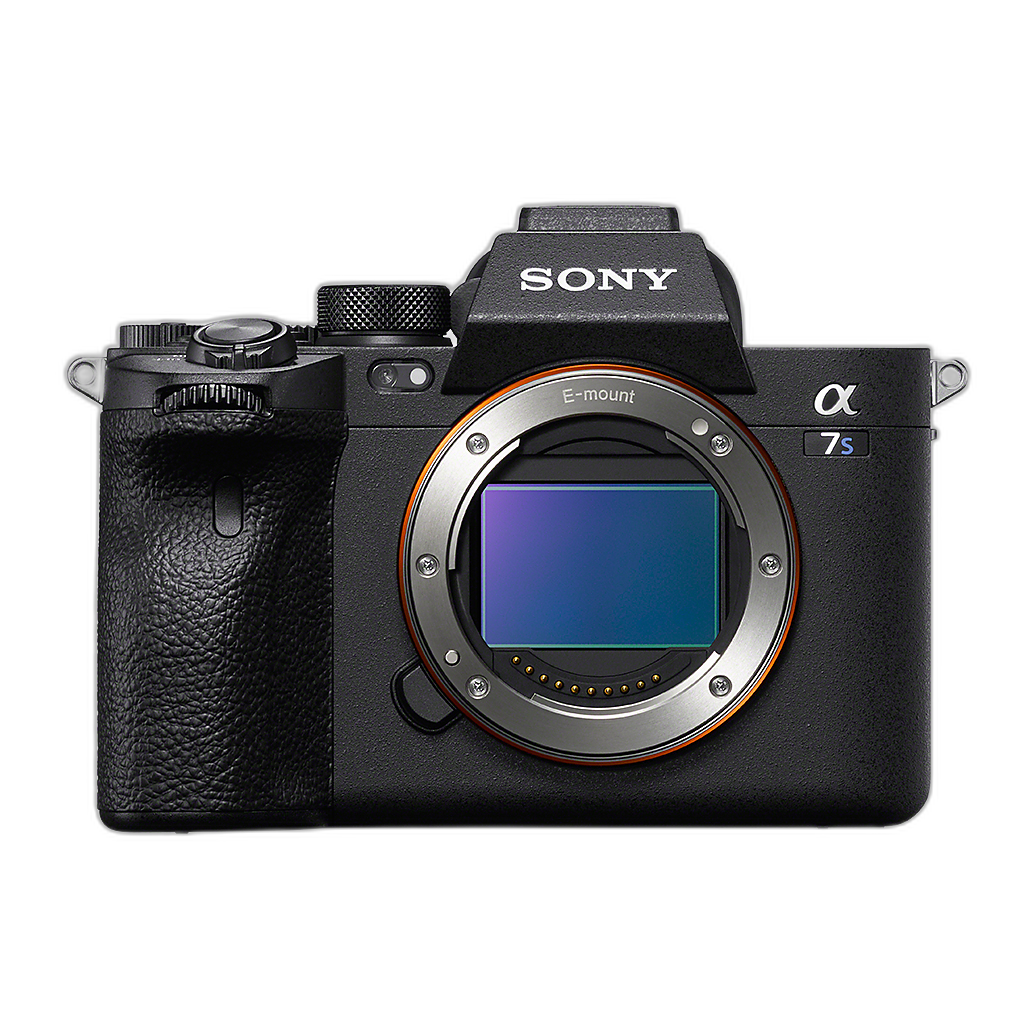
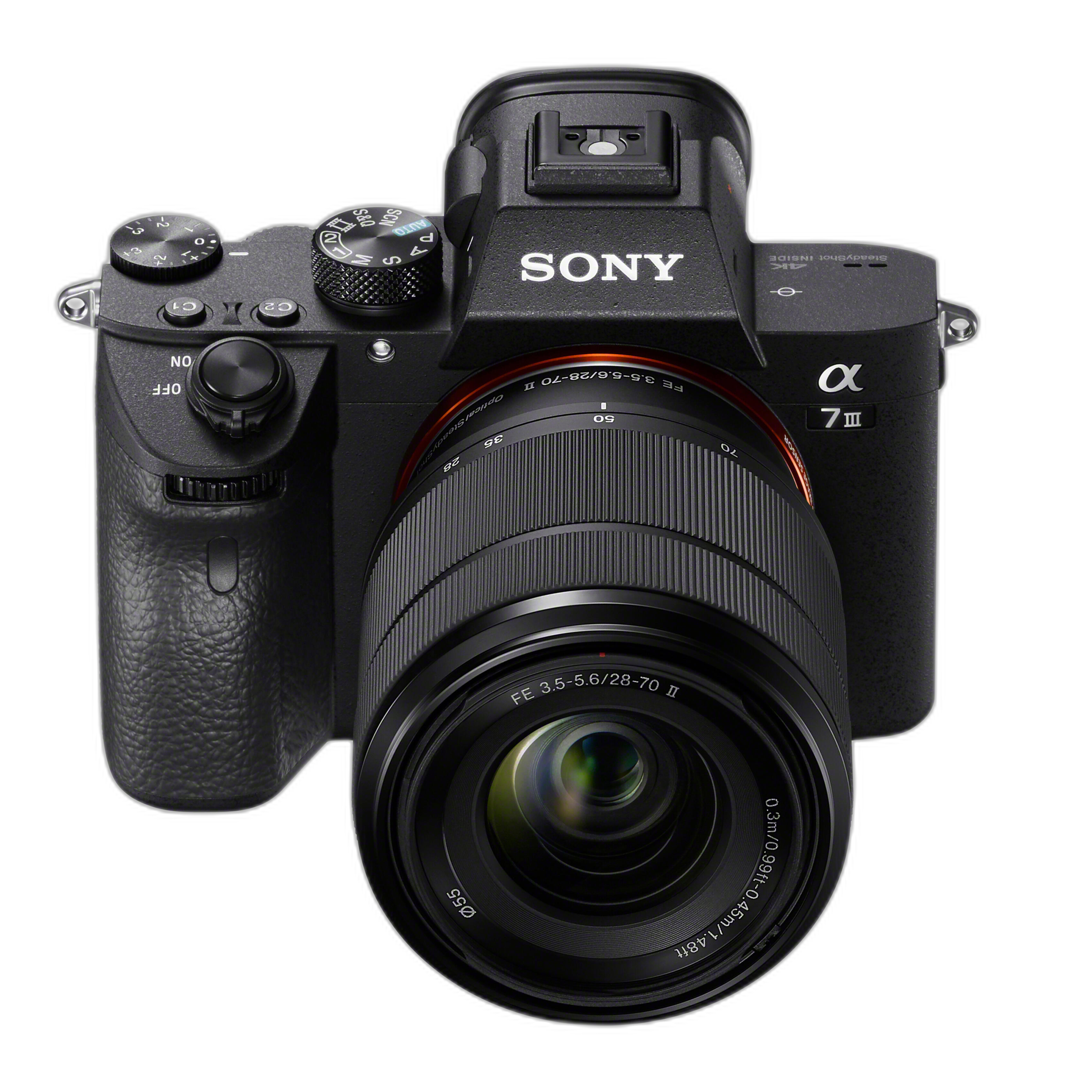
When Sony announced the a7 III on February 27, 2018, it was easy to mistake it for a routine update to the company’s entry point into full-frame mirrorless. In practice, it looked like something more important. Here was a camera positioned as the “basic” model in Sony’s full-frame Alpha lineup, yet it arrived with the kind of specifications and overall balance that only a few years earlier would have defined a flagship. For photographers watching the rapid rise of mirrorless systems in the late 2010s, the a7 III felt less like a compromise and more like a turning point.
At launch, the Sony a7 III entered the market at $1,999, pairing a 24.2MP full-frame BSI sensor with 10 fps continuous shooting and the increasingly mature Sony E mount. On paper, that alone was enough to draw attention. In context, it suggested that Sony was no longer treating full-frame mirrorless as an experimental category or a premium niche. The a7 III made a case that a broadly capable, modern full-frame camera could be both ambitious and accessible.
A New Kind of Baseline for Full-Frame Mirrorless
By early 2018, Sony had already established itself as a serious force in mirrorless photography. The original a7 series had helped popularize the idea of compact interchangeable-lens full-frame cameras, while higher-end siblings pushed resolution, speed, and video performance in different directions. What made the a7 III especially notable was not that it led with a single extreme feature, but that it pulled together the right mix of strengths for the broadest possible audience.
The camera’s 24.2-megapixel back-side illuminated full-frame sensor sat at the center of that appeal. A 24MP class sensor was, and remains, one of the most practical resolutions for working photographers and enthusiasts alike. It provides enough detail for large prints, editorial use, wedding coverage, portraiture, travel, and everyday professional assignments, while keeping file sizes manageable. The use of a BSI design also reflected how far Sony’s sensor technology had progressed. By 2018, buyers expected strong all-around image quality, and Sony clearly intended the a7 III to deliver it without demanding that users step up to a more specialized body.
The Camera That Made “Entry-Level Full-Frame” Mean Something Different
Historically, “entry-level” full-frame models often carried visible tradeoffs. They might offer the larger sensor photographers wanted, but with reduced shooting speed, simpler controls, or a stripped-down feature set meant to preserve hierarchy within the brand’s lineup. The a7 III challenged that pattern.
Its 10 frames-per-second burst rate stood out immediately. That kind of speed suggested a camera capable of much more than casual use. Wedding photographers could follow fleeting expressions. Event shooters could work with greater confidence during fast-moving moments. Travel and documentary photographers gained useful responsiveness in a body intended to be a generalist. Even photographers who were not sports specialists could appreciate how much more versatile a camera becomes when it can react quickly.
This was one of the a7 III’s most important historical contributions: it redefined expectations. Instead of forcing buyers to choose between affordability and competence, Sony presented a camera that looked ready for serious work from day one. It was not marketed as the most extreme body in the line, but it did not feel constrained in the ways photographers had come to expect from a “base” model.
The Importance of the Sony E Mount in 2018
The Sony E mount was also a major part of the story. By the time the a7 III arrived, Sony had spent years expanding its lens ecosystem and strengthening confidence in full-frame mirrorless as a system rather than a novelty. A camera body only matters so much without a credible path for lens investment, and by 2018 that path was becoming increasingly persuasive.
For prospective upgraders, the a7 III represented more than a single purchase. It was an invitation into a growing platform. That mattered to first-time full-frame buyers, DSLR users curious about switching systems, and existing Sony shooters ready to move into a better-balanced everyday body. The mount gave the camera strategic weight beyond its specifications, because it connected the a7 III to Sony’s larger long-term ambitions in the interchangeable-lens market.
Why the a7 III Announcement Resonated So Strongly
Not every important camera is revolutionary in appearance. The a7 III’s significance came from how thoroughly it addressed what photographers actually needed. It had a practical resolution, a modern full-frame sensor, strong burst shooting, and a price that placed it within reach of many enthusiasts and working professionals. That combination made it one of the most compelling announcements of its moment.
In release-period terms, the camera was easy to describe but difficult to dismiss. It was the model many photographers could imagine owning as their main camera rather than a backup or stepping stone. The launch price of $1,999 was central to that conversation. In a market where advanced full-frame cameras often carried more daunting prices, the a7 III’s positioning sent a clear message: Sony intended to compete aggressively on value, not only on innovation.
That value proposition helps explain why the a7 III was discussed so enthusiastically at announcement. Photographers did not need to stretch to see where it fit. It made sense for portraiture, weddings, travel, events, family documentation, and general professional use. It was the sort of camera that encouraged practical thinking: if one body can handle nearly everything, what more do most shooters really need?
An Archival View: The “Basic” Model That Was Anything But Basic
Looking back, the phrase “basic camera” has always seemed a little misleading when applied to the Sony a7 III. In naming and lineup structure, it occupied the standard position. In real-world appeal, it was the body that likely made the strongest case for the system as a whole. Historically, that distinction matters. Some cameras lead through headline-grabbing specialization; others change the market by raising the floor. The a7 III belongs firmly in the second category.
Its arrival marked a stage in mirrorless development where buyers no longer had to explain away the format’s compromises. Instead, cameras like the a7 III allowed photographers to focus on advantages: a capable full-frame sensor, strong speed, and access to a modern lens mount ecosystem, all at a highly competitive price. That is why the announcement still stands out in retrospective discussions of the era. The a7 III was not merely another update. It was evidence that Sony’s full-frame mirrorless strategy had matured into something broad, credible, and difficult for the rest of the industry to ignore.
Final Thoughts
The 2018 Sony a7 III announcement remains one of the clearest examples of a camera exceeding the expectations set by its place in the lineup. With its 24.2MP full-frame BSI sensor, 10 fps shooting, Sony E mount, and $1,999 launch price, it presented a remarkably complete package for its time. More than a standard model, it helped redefine what photographers could expect from an affordable full-frame mirrorless camera.
For photographers researching landmark Sony bodies or considering the history of the Alpha system, the a7 III deserves its reputation as a value benchmark. To learn more about Sony cameras, lenses, and the evolution of modern mirrorless gear, visit Unique Photo—a trusted place to buy equipment, compare options, and explore the history behind the tools photographers use every day.