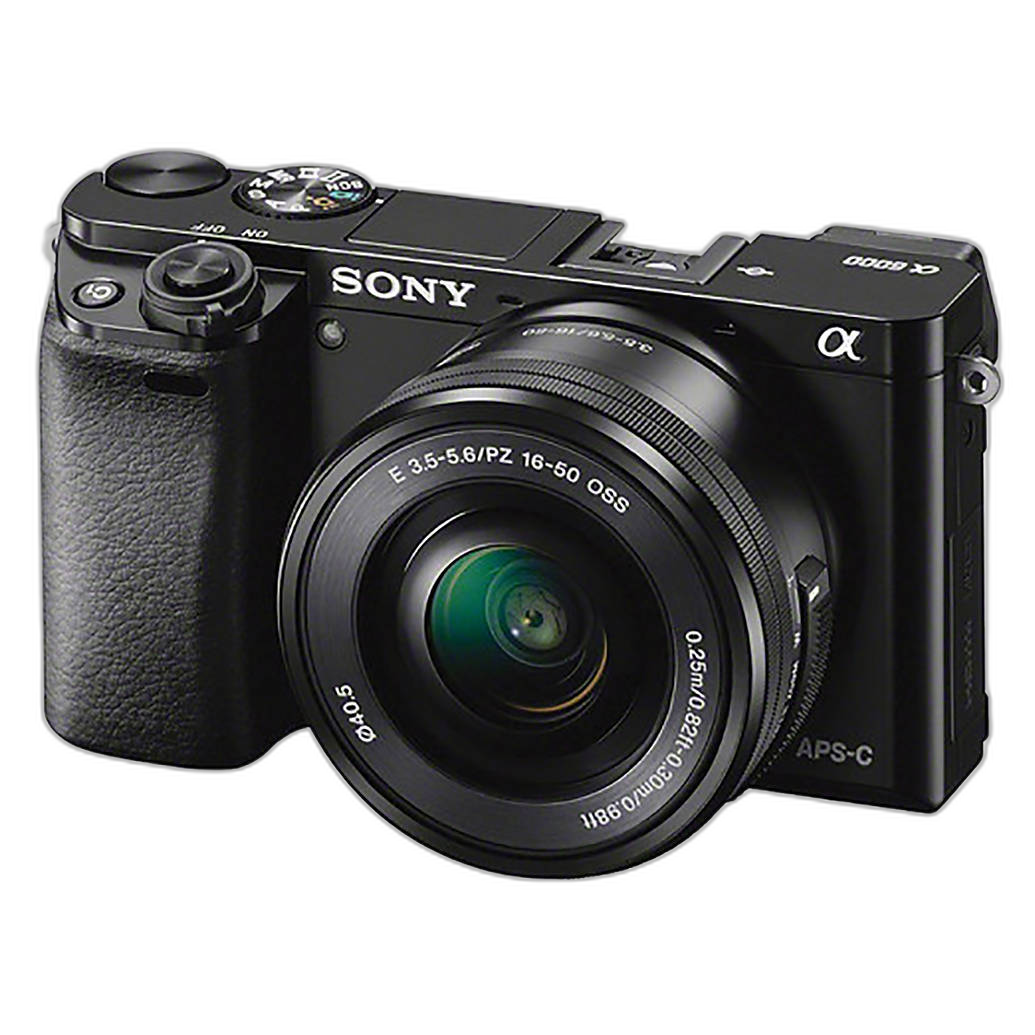
When Sony introduced the a6000 in early 2014, the mirrorless market was still defining itself. Enthusiasts were increasingly curious about compact interchangeable-lens cameras, but many photographers still viewed DSLRs as the default choice for speed, responsiveness, and autofocus performance. Into that environment came the Sony a6000, a camera that felt less like a tentative mirrorless experiment and more like a direct statement of intent. It combined a 24.3MP APS-C sensor, fast 11 fps continuous shooting, the Sony E mount, and an approachable launch price of $799. In hindsight, those ingredients help explain why the a6000 became one of the era’s defining mirrorless cameras.
More than just a successful product, the a6000 represented a moment when Sony’s APS-C mirrorless line became broadly mainstream. It appealed to beginners stepping up from smartphones and compact cameras, but it also drew serious attention from hobbyists who wanted DSLR-like image quality in a smaller package. Looking back, the camera’s commercial and cultural impact is hard to overstate.
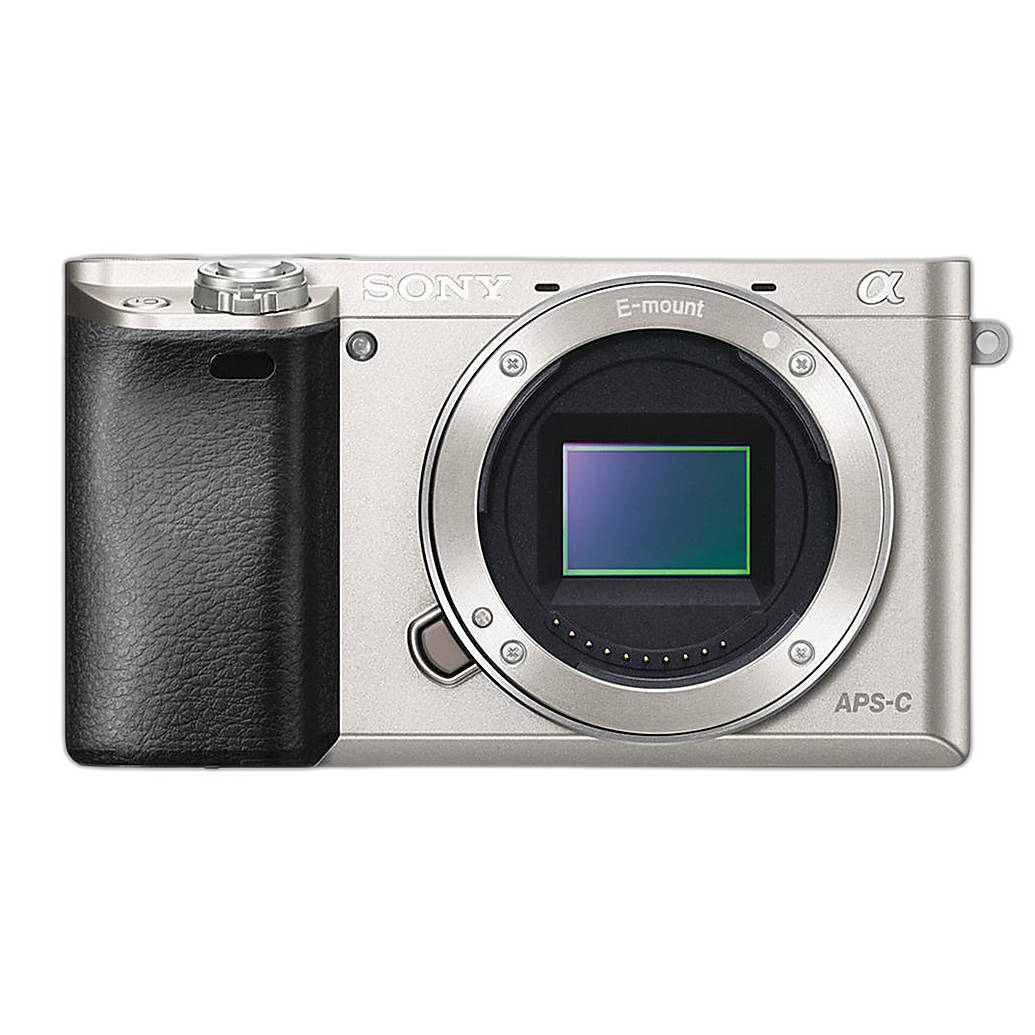
A Key Turning Point for Sony Mirrorless
By the time of the a6000’s release on 2014-02-12, Sony had already established itself as an ambitious force in mirrorless design. The company’s E-mount system had been on the market for several years, and Sony had shown a willingness to iterate quickly. The a6000 arrived as part of that momentum, building on earlier APS-C E-mount models while refining the overall concept into something much more cohesive.
What made the a6000 especially important was its balance. Earlier mirrorless cameras often asked photographers to compromise in one area or another: perhaps size was excellent, but autofocus lagged; perhaps image quality was strong, but handling felt unfinished. The a6000 presented itself as a more complete package. It looked modern, performed with real urgency, and carried a specification set that translated well beyond a marketing brochure.
At $799 at launch, Sony positioned it aggressively. That price put the camera in reach of a wide audience while still signaling serious photographic intent. It was not merely an entry-level body in spirit. Instead, it felt like an enthusiast-oriented camera made accessible to a larger public.
The 24.3MP APS-C Sensor and the Image Quality Conversation
At the heart of the Sony a6000 was its 24.3MP APS-C sensor, a specification that immediately resonated in 2014. Resolution mattered, but so did the broader implication: this was a mirrorless camera offering the sensor format and image-making flexibility that photographers associated with larger-system cameras. For buyers comparing mirrorless bodies with midrange DSLRs, that was crucial.
The APS-C format gave the a6000 a strong foundation for detailed still images and lens versatility. It made the camera attractive to users who wanted a meaningful step up from point-and-shoot cameras without moving to a bulkier body. In practical terms, the 24.3MP count gave photographers room to crop, print, and work with images in a way that felt contemporary and confidence-inspiring for the time.
Just as importantly, the sensor helped reinforce Sony’s message that mirrorless was not a lesser category. The a6000 was part of a broader shift in perception: compact cameras with interchangeable lenses were no longer curiosities for early adopters. They were becoming central options for mainstream enthusiasts.
Speed as a Selling Point: 11 fps
One of the a6000’s headline specifications was its 11 fps burst rate. In the release-period context, that number was attention-grabbing. Speed had long been one of the domains where DSLRs claimed an edge, especially for action, family, travel, and spontaneous photography. Sony’s decision to emphasize high-speed continuous shooting made the a6000 feel ambitious and modern.
For many buyers, 11 fps was not just about sports. It was about responsiveness. It suggested a camera ready for fleeting expressions, active children, street scenes, pets, and everyday unpredictability. Even photographers who would rarely shoot extended bursts could appreciate what that specification represented: the a6000 was designed to react quickly, and it belonged in conversations that previously centered on larger systems.
That sense of speed became part of the a6000’s identity. It was a camera people described as lively. It seemed built for the way many modern photographers actually worked, where moments happen quickly and the difference between a missed frame and a keeper can be measured in fractions of a second.
The Sony E Mount and System Growth
No camera body succeeds in isolation, and one of the a6000’s greatest strengths was its place within the Sony E-mount ecosystem. The Sony E mount gave users access to a growing lens family and the promise of long-term system relevance. In historical retrospect, that matters enormously. Buyers were not only purchasing a camera; they were choosing a path.
In 2014, that path looked increasingly credible. Sony’s investment in mirrorless was substantial, and the company’s system-level commitment gave photographers confidence that the a6000 would not be a dead end. For new users, the E mount represented flexibility and expandability. For existing Sony users, the a6000 was another sign that the system was maturing quickly.
The camera’s success also helped reinforce the E mount itself. Popular camera bodies attract lens development, accessories, and community support. In that sense, the a6000 was not just a beneficiary of Sony’s system strategy; it was one of the products that helped make the strategy stick.
Design, Appeal, and the Broadening Mirrorless Audience
The a6000’s appeal reached beyond specifications. It arrived at a moment when photographers wanted cameras that looked purposeful without being cumbersome. Sony delivered a compact mirrorless design that communicated seriousness while preserving portability, an increasingly important advantage for travel and everyday carry.
That broad appeal was central to the camera’s popularity. The a6000 could make sense for a first-time interchangeable-lens buyer, but it could also interest an experienced photographer looking for a lighter second system. It occupied a sweet spot in the market: advanced enough to excite enthusiasts, accessible enough not to intimidate newer users.
This flexibility is one reason the camera sold so well. Some cameras are beloved within a niche; others cross boundaries and become defaults. The a6000 belonged to the second category. It was recommended frequently, stocked widely, and discussed constantly because it fit so many use cases at once.
Why the a6000 Became So Important
Retrospectively, the Sony a6000 stands out because it aligned performance, price, and timing with unusual precision. The camera did not invent mirrorless photography, and it did not exist in a vacuum. But it arrived at a moment when many photographers were ready to believe that mirrorless could be their main system rather than a side experiment. Sony gave them a camera that made that belief practical.
The 24.3MP APS-C sensor answered concerns about image quality. The 11 fps burst rate answered concerns about speed. The Sony E mount answered concerns about system longevity. The $799 launch price answered concerns about accessibility. Together, those factors made the a6000 easy to recommend and even easier to understand.
It also helped define expectations for what an enthusiast mirrorless camera should be. After the a6000, buyers increasingly expected strong resolution, convincing speed, system depth, and compact design in one body. That may be the camera’s greatest legacy: it normalized a new standard.
An Archival Look Back
Viewed from the perspective of its release period, the Sony a6000 felt like a camera built for the next phase of photography. It met the market where it was heading, not where it had been. For Sony, it was a pivotal APS-C mirrorless model. For the industry, it was one of the products that helped push mirrorless into the center of the conversation. And for countless photographers, it became a practical, high-value entry into a fast-changing camera world.
That is why the a6000 remains such an important historical model. It was not only successful; it was influential. It embodied a turning point when mirrorless cameras became easier for mainstream photographers to trust, adopt, and keep using for years.
If you are interested in landmark cameras like the Sony a6000, Unique Photo is a great place to buy camera gear, compare systems, and learn more about the history and evolution of photography equipment.