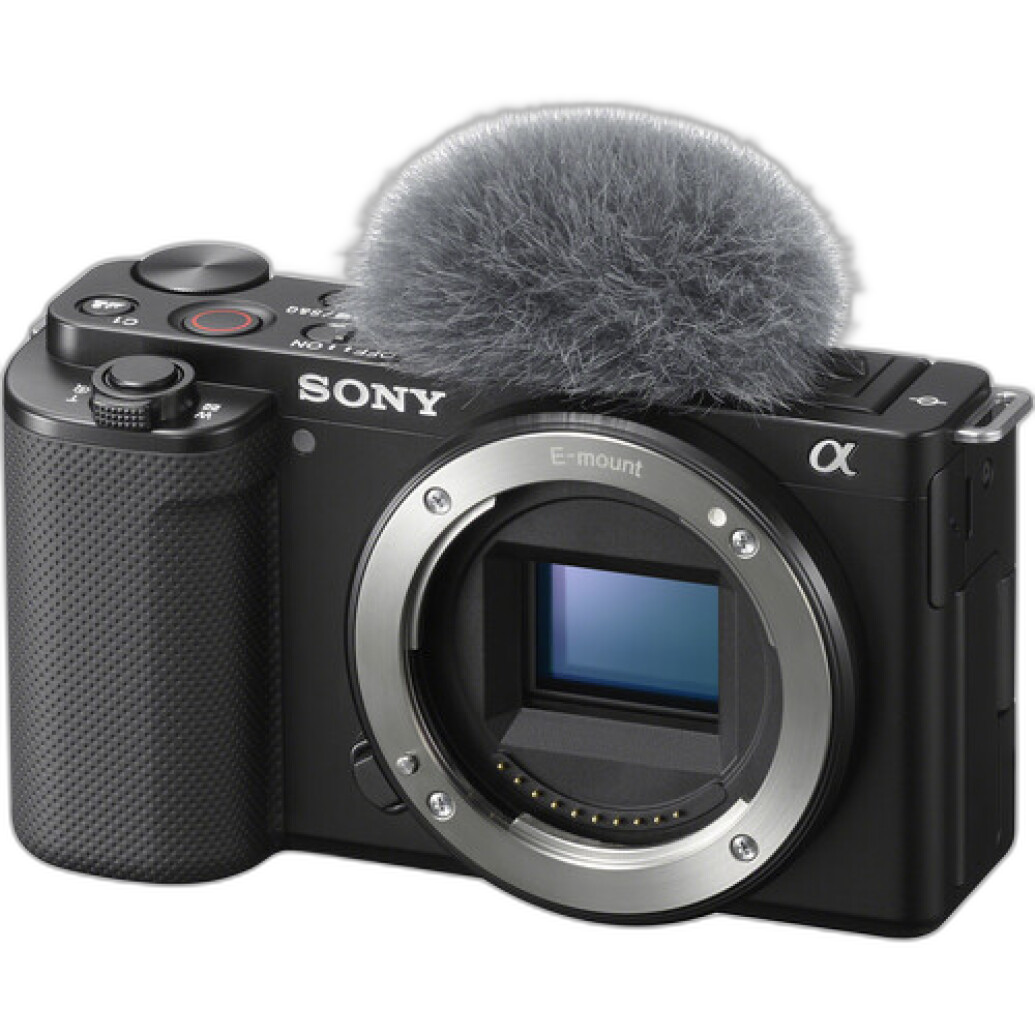
For new photographers, aspiring filmmakers, and hybrid creators stepping into Sony’s Alpha system, a familiar question has emerged in the mid-2020s: which Sony camera makes the most sense to start with? Around the 2025 buying cycle, three models often sat at the center of that conversation: the Sony ZV-E10, the Sony a6700, and the Sony a7 IV. Each represents a different on-ramp into the E-mount ecosystem, and together they neatly span entry APS-C, creator-focused vlogging, and entry full-frame Alpha shooting.
That range is exactly why this comparison matters historically as well as practically. Sony’s strategy by this period was not simply to offer “good, better, best” bodies. Instead, it offered distinct tools for distinct users: the ZV-E10 for accessibility and ease, the a6700 for advanced APS-C performance in a compact body, and the a7 IV for creators ready to move into a more established full-frame hybrid platform.
Why These Three Sony Cameras Defined the Beginner-to-Creator Conversation
Seen from the perspective of the 2025 release period, these cameras covered three important lanes in Sony’s lineup.
- Sony ZV-E10: an approachable interchangeable-lens camera aimed squarely at vloggers, streamers, and first-time creators.
- Sony a6700: a more advanced APS-C Alpha body that appealed to users who wanted speed, strong autofocus, capable video features, and room to grow without immediately stepping into full frame.
- Sony a7 IV: Sony’s entry full-frame all-rounder, positioned for serious enthusiasts and working creators who wanted a more established hybrid camera with the benefits associated with the larger format.
What made the choice interesting was that all three belonged to the same broad Sony ecosystem. That meant buyers were not only choosing a camera body, but also choosing how they wanted to enter or develop within the E-mount lens family.
Sony ZV-E10: The Best Sony Camera for Absolute Beginners and First-Time Creators
The ZV-E10 was widely recognized as one of Sony’s most inviting entry points for video-first users. Rather than borrowing the traditional enthusiast-camera identity of the Alpha stills line and simply adding video features, the ZV-E10 leaned directly into content creation. Its appeal was straightforward: it made Sony’s interchangeable-lens system feel less intimidating.
Who the ZV-E10 Was Best For
The ZV-E10 made the most sense for:
- First-time camera buyers moving up from a smartphone
- Vloggers who wanted lens flexibility
- YouTubers and streamers prioritizing ease of use
- Creators on a tighter budget who still wanted access to Sony autofocus and E-mount lenses
Historically, that role was important. Sony had already built strong credibility among creators, but the ZV-E10 helped translate that reputation into an accessible package for users who were not yet thinking like traditional photographers.
Why Beginners Gravitate to the ZV-E10
For many buyers, the ZV-E10 was less about raw performance and more about confidence. It lowered the barrier to entry into interchangeable-lens shooting. It also aligned with a moment in camera culture when many users were not starting with still photography at all; they were starting with self-recording, short-form video, livestreaming, and social content.
If your main goal in 2025 was to begin creating immediately, without paying for advanced features you might not yet need, the ZV-E10 remained one of the most compelling Sony options.
Sony a6700: The Best APS-C Sony Camera for Creators Who Want to Grow
The a6700 occupied a particularly important position in Sony’s lineup. It was not merely a step up from beginner gear; it was a statement that APS-C still mattered in a serious way. For many creators, that was the sweet spot.
Why the a6700 Stood Out
By the 2025 period, the a6700 had become a favorite recommendation for users who wanted an advanced hybrid camera without taking the leap to full frame. It balanced portability with capability in a way that strongly suited modern creators. Users shooting video, stills, travel work, behind-the-scenes content, family documentation, or small commercial projects could see it as a long-term camera rather than a temporary stepping stone.
This distinction mattered. In earlier eras, APS-C bodies were often treated as beginner-only products. The a6700 resisted that idea. It represented Sony APS-C at a more mature stage, where image-making ambition did not automatically require a larger sensor format.
Who Should Choose the a6700
- Creators who want stronger all-around performance than the ZV-E10
- Photographers who also shoot substantial video
- Travel and everyday shooters who value compact size
- Users who want to stay in APS-C while building a serious kit
For many buyers, the a6700 was the most balanced choice of the three. It was more advanced than the ZV-E10, but it avoided some of the larger financial and lens-investment implications that come with moving to full frame.
The Real Appeal: Room to Grow
The best way to understand the a6700 in this comparison is as a growth camera. It was ideal for someone who had moved beyond “trying content creation” and now wanted a body that could keep pace with expanding skills. If the ZV-E10 was the friendly entry point, the a6700 was the model for users beginning to think in terms of long-term system building.
Sony a7 IV: The Best Sony Camera Here for Entry Full-Frame Hybrid Shooting
The a7 IV represented something different. While it could certainly be used by a beginner, it was best understood as Sony’s entry full-frame Alpha for serious enthusiasts and ambitious creators. In historical terms, the a7 series had long served as a gateway into Sony full frame, and the a7 IV carried that role into the mid-2020s with broad hybrid appeal.
Why Full Frame Still Mattered
By 2025, APS-C cameras had become more capable than ever, and many users no longer saw full frame as an automatic necessity. Even so, full frame retained a strong draw for creators who wanted the broader identity of the Alpha system at a more professional level. For some, that meant a different shooting feel; for others, it meant a more deliberate commitment to Sony’s higher-end body and lens ecosystem.
The a7 IV appealed especially to buyers who already knew they wanted to invest deeply in their gear. It was less about casual experimentation and more about building around a camera expected to handle demanding hybrid use over time.
Who the a7 IV Was Best For
- Enthusiasts ready to invest in full-frame E-mount
- Hybrid shooters balancing photography and video
- Creators producing commercial, client, or portfolio-driven work
- Users who want an established all-around Alpha body rather than a creator-specialist entry model
Among these three cameras, the a7 IV was the one most likely to be chosen not simply for current needs, but for long-term system ambition.
ZV-E10 vs a6700 vs a7 IV: Which One Should You Buy?
Choose the ZV-E10 if...
You are brand new to cameras, primarily focused on vlogging or online content, and want the most accessible route into Sony E-mount. It is the easiest recommendation for first-time creators who want interchangeable lenses without overcommitting on day one.
Choose the a6700 if...
You want the strongest balance of size, capability, and growth potential. For many buyers in the 2025 period, this was the most sensible all-around pick. It served content creators, photographers, and hybrid users exceptionally well while keeping the advantages of APS-C portability.
Choose the a7 IV if...
You are ready to step into Sony full frame and want a serious hybrid camera as the center of your kit. It is the right move for users who already know they want to invest more heavily in both body and lenses.
The Bigger Historical Takeaway
What makes this trio memorable in Sony history is that it reflected a more nuanced camera market. Entry-level no longer meant only still photography. Creator cameras were no longer a novelty. APS-C had become genuinely aspirational again. And entry full frame had become less about prestige alone and more about system commitment.
In that sense, the ZV-E10, a6700, and a7 IV were not just three alternatives on a shelf. They were three different answers to what a “beginner camera” could mean in the mid-2020s. One beginner might be a vlogger. Another might be a future filmmaker. Another might be a serious enthusiast starting with full-frame intentions from the outset.
Final Thoughts
If you are choosing between the Sony ZV-E10, Sony a6700, and Sony a7 IV, the best answer depends less on raw hierarchy and more on your creative path. The ZV-E10 is the clear starting point for approachable creator use. The a6700 is the standout APS-C choice for users who want a compact but highly capable hybrid tool. The a7 IV is the best fit for buyers ready to make the leap into entry full-frame Alpha shooting.
For photographers and creators researching Sony history, comparing current options, or looking to buy into the Alpha system, Unique Photo is a great place to explore cameras, lenses, and expert guidance in more depth.