When portrait photographers compare Sigma and Tamron, the conversation usually comes down to a few key factors: image quality, autofocus, build, handling, and overall value. Both brands have built strong followings, and both offer lenses that can produce beautiful portrait results. The real question is not which brand is universally better, but which one better fits the way you shoot portraits.
If you are deciding between Sigma and Tamron for headshots, environmental portraits, couples sessions, or creative editorial work, these tips can help you weigh the pros and cons in a practical way.
1. Start with the look you want from your portraits
Think about rendering, contrast, and subject separation
Portrait shooters often choose a lens based on how it draws a face rather than just how sharp it tests on paper. Sigma lenses are often praised for crisp detail, strong contrast, and a more dramatic, high-definition look. That can be especially appealing if you want punchy files with lots of texture and strong subject separation.
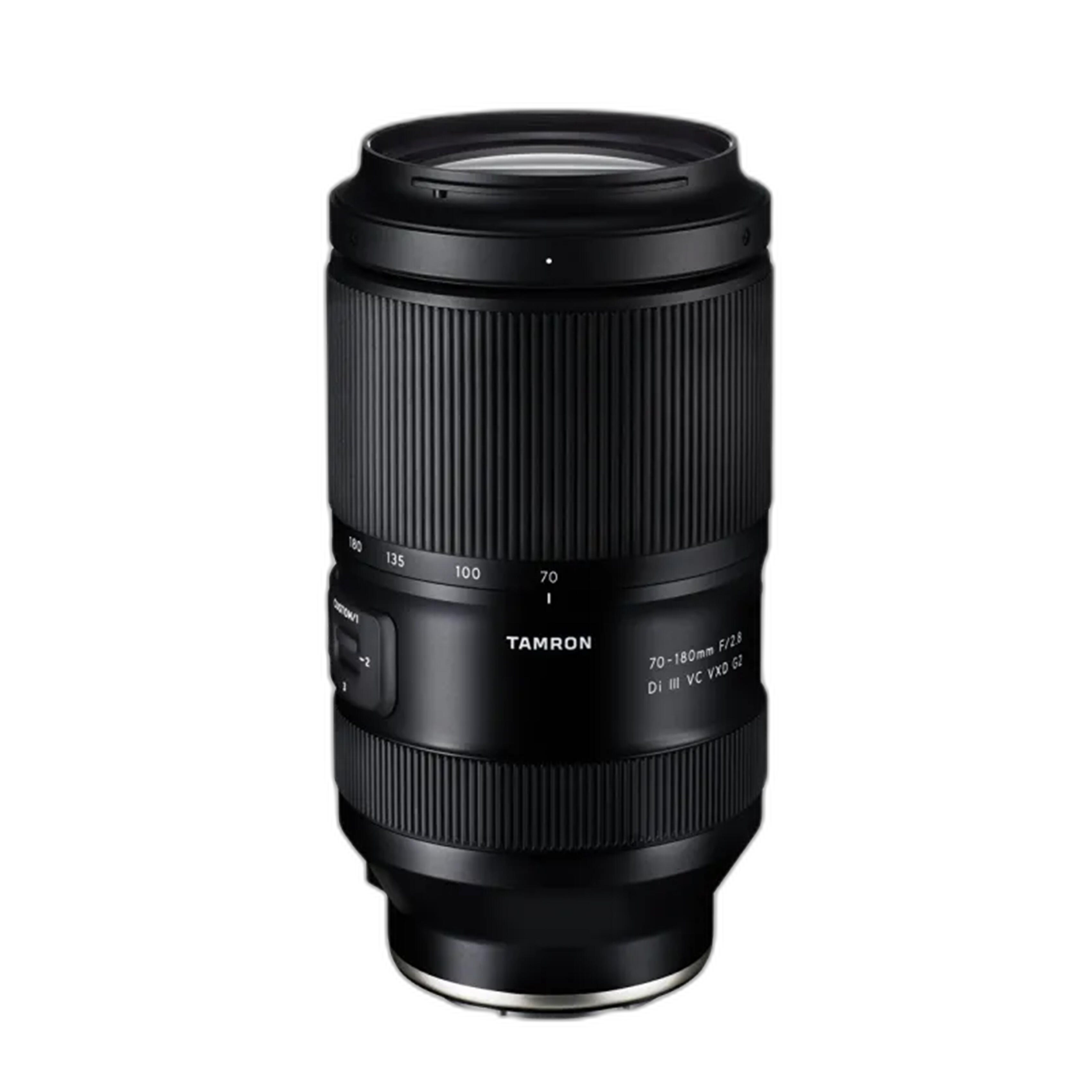
Tamron lenses are frequently appreciated for balancing sharpness with a slightly more relaxed, versatile rendering that works well across portraits, events, and lifestyle sessions. If you want one lens to handle flattering portraits and wider storytelling frames, a zoom like the Tamron 70-180mm F/2.8Di III VC VXD G2 for Nikon Z Mount gives portrait-friendly reach and compression in a very practical package.
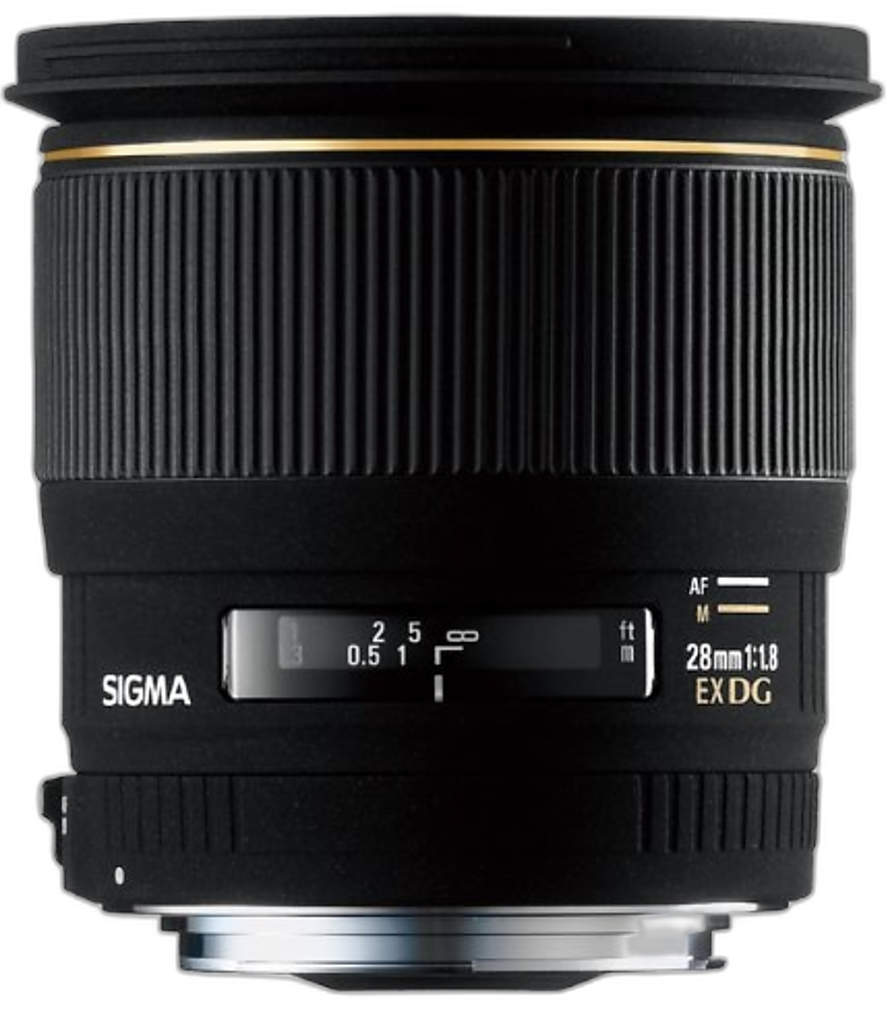
For photographers who like environmental portraiture, wider lenses can also play a role. A classic option like the Used Sigma 28mm f/1.8 EX DG for Canon EF - Good can create more intimate, close-up compositions with a sense of place, though you will need to be careful with perspective when framing faces near the edges.
2. Prioritize autofocus if you shoot people in motion
Eye detection and tracking matter more than ever
Modern portrait photography is not always static. Senior sessions, weddings, family portraits, and candid lifestyle shoots all demand fast and dependable autofocus. Tamron has earned a strong reputation for giving photographers excellent AF performance for the price, especially in newer mirrorless designs.
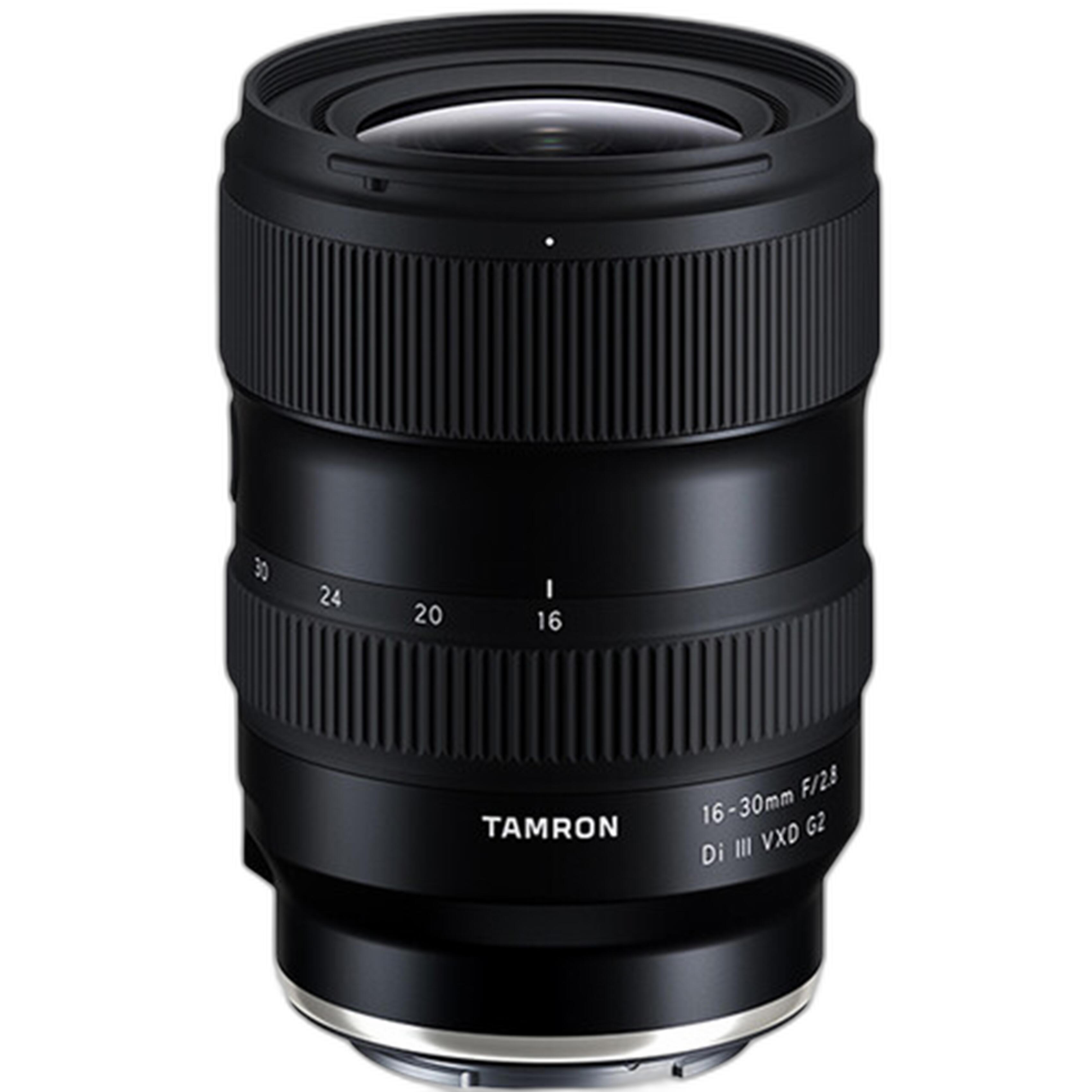
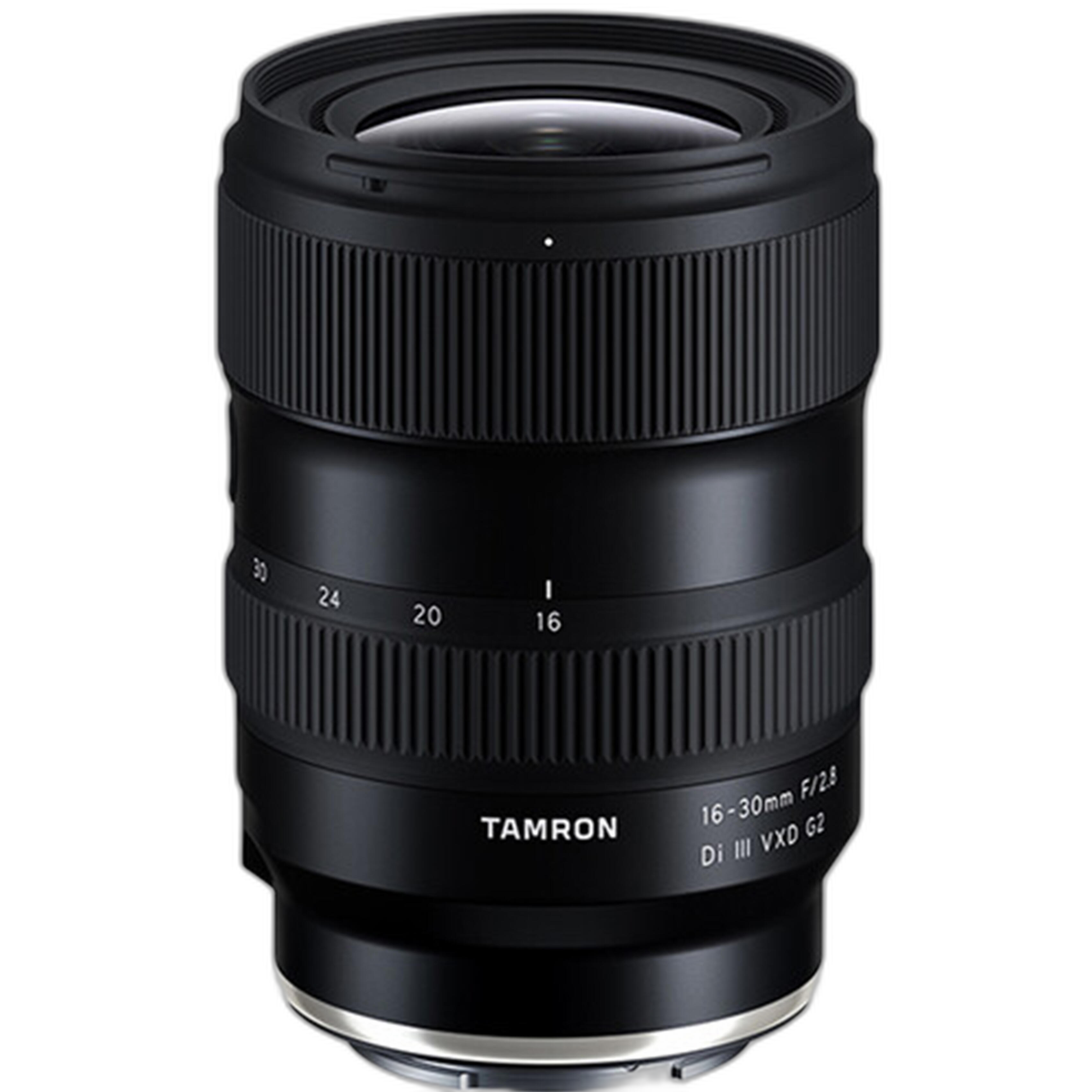
If your portraits involve movement, turning subjects, or fast-changing expressions, lenses such as the Tamron 16-30mm F/2.8 Di III VXD G2 Lens for Sony E can be appealing for environmental portrait work because they combine a bright aperture with responsive focusing and flexible framing.
Sigma also has many lenses known for impressive image quality, but for portrait shooters, the question is whether your preferred Sigma option gives you the autofocus confidence you need on your camera body. If your work leans more toward controlled sessions in studio or carefully directed outdoor portraits, absolute AF speed may be slightly less important than rendering and character.
3. Consider whether you want primes or zooms for your portrait style
Each brand shines differently depending on how you work
Prime-lens portrait photographers often love the discipline, speed, and look of fixed focal lengths. Sigma has long appealed to shooters who want a distinctive visual signature and strong optical performance. Even a wider prime like the Used Sigma 28mm f/1.8 EX DG for Canon EF - Good can be useful for environmental portraits, branding sessions, or editorial work where the surroundings are part of the story.
Tamron, on the other hand, is especially compelling for portrait shooters who want zoom flexibility without giving up professional-looking results. The Tamron 70-180mm F/2.8Di III VC VXD G2 for Nikon Z Mount is a great example of a portrait-friendly zoom range that covers everything from flattering headshots to tighter candid moments.
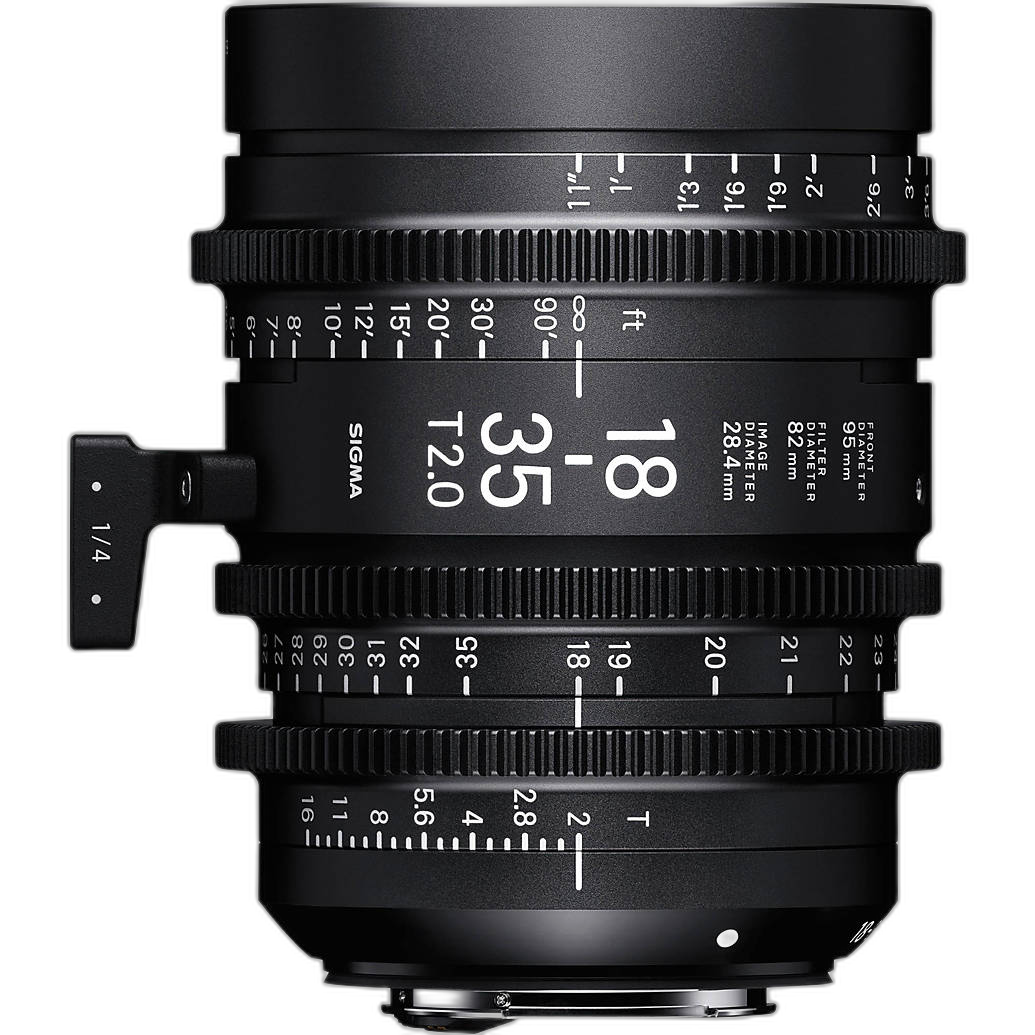
And if you occasionally blend stills and motion, Sigma’s cinema-oriented options show a different side of the brand. The Sigma 18-35mm T2 Fully Luminous High-Speed Zoom Lens (Canon EF) is built for cine use, but it highlights Sigma’s reputation for optical ambition and a polished image. That matters if your portrait business includes behind-the-scenes clips, interviews, or hybrid content creation.
4. Be honest about how much build quality you really need
Durability is important, but so are weight and comfort
Portrait photographers who shoot long sessions know that lens weight and handling affect real-world performance. A lens can be optically excellent and still become tiresome during a full day of location work. Tamron often attracts photographers who want capable, lighter, and more travel-friendly gear. That can be a major advantage for wedding portraiture, destination sessions, or all-day events.
For example, a zoom like the Tamron 16-30mm F/2.8 Di III VXD G2 Lens for Sony E can make sense for photographers who need a durable wide-angle option for creative portrait perspectives, venue shots, and storytelling frames without carrying a huge setup.
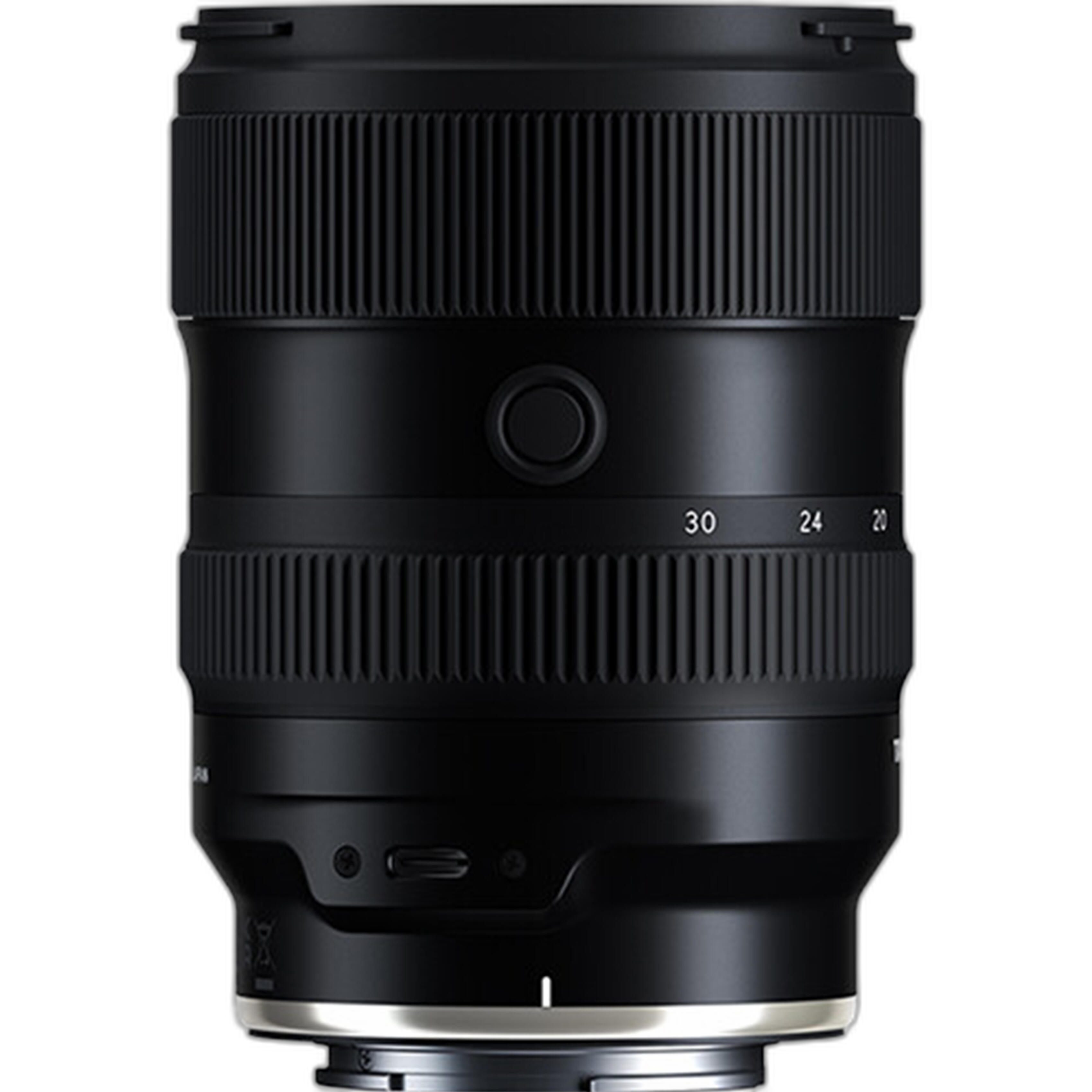
Sigma gear is often associated with robust construction and a more premium-feeling design, which many photographers appreciate. But if you are balancing quality with mobility, Tamron may offer a more comfortable day-to-day shooting experience. For portrait shooters, that tradeoff can matter just as much as lab-tested sharpness.
5. Compare value, not just price tags
The best portrait lens is the one you will actually use often
Price is one of the biggest reasons photographers compare Sigma and Tamron in the first place. Both brands generally offer strong alternatives to first-party lenses, but the better value depends on your goals. Sigma can be a great choice if you are chasing a very specific image character or want higher-end optical ambition for your money. Tamron is often ideal if you want practical performance, modern autofocus, and versatile zoom ranges at a competitive cost.
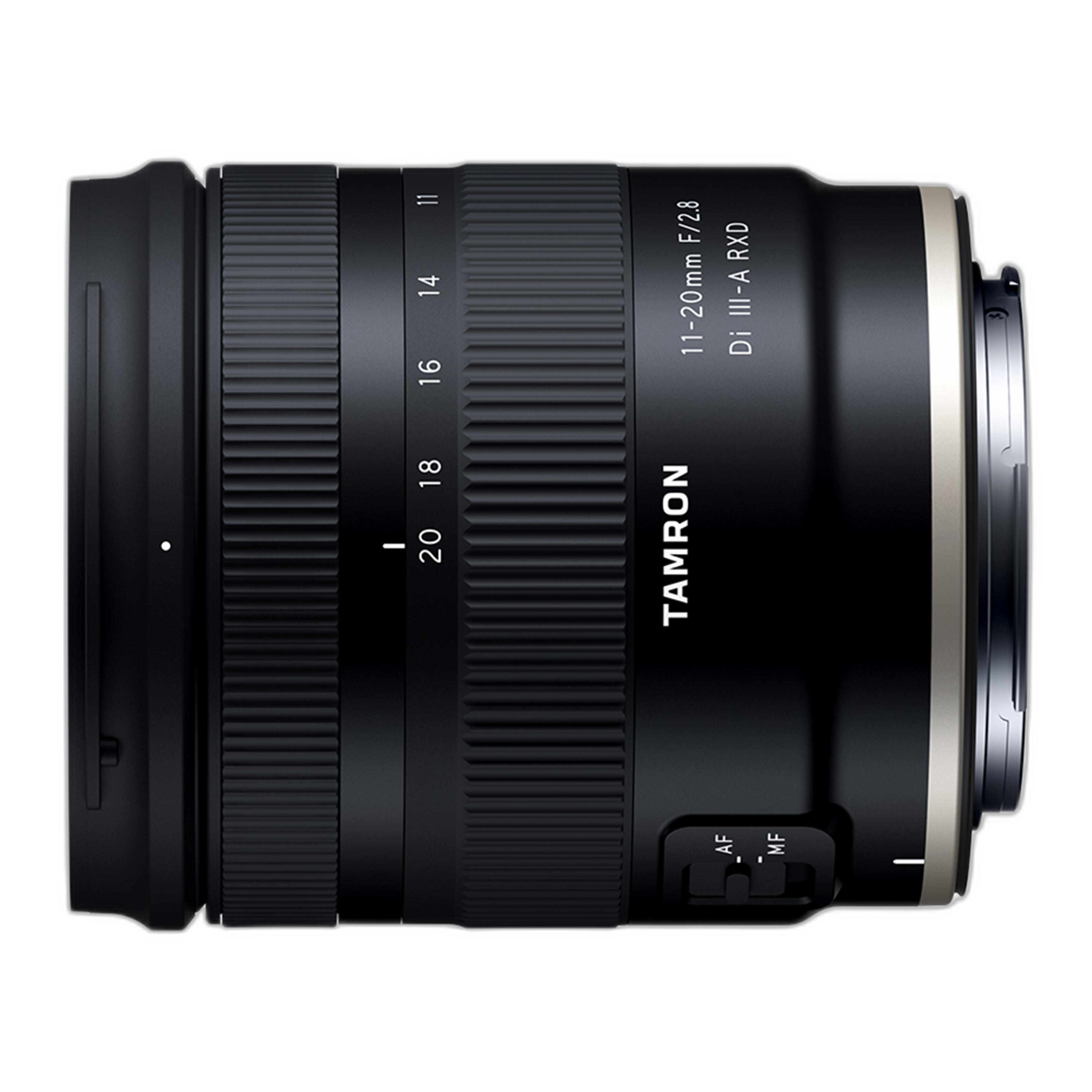
Used gear can stretch your budget even further. A lens like the Used Good Tamron 11-20mm F2.8 Di III-A RXD for Canon RF Mount may not be a traditional portrait focal length, but it could be useful for environmental portraits, creative close perspectives, or content creators building out a flexible kit affordably.
Likewise, a used Sigma option can be a smart entry point for portrait photographers who want to test a certain focal length or rendering style before investing more heavily.
6. Match the lens to your type of portrait work
Your niche should drive the brand decision
- For classic headshots: A telephoto zoom like the Tamron 70-180mm F/2.8Di III VC VXD G2 for Nikon Z Mount is hard to ignore because it offers flattering compression and framing flexibility.
- For environmental portraits: Wider options such as the Tamron 16-30mm F/2.8 Di III VXD G2 Lens for Sony E or the Used Sigma 28mm f/1.8 EX DG for Canon EF - Good can help you include context and atmosphere.
- For hybrid creators: The Sigma 18-35mm T2 Fully Luminous High-Speed Zoom Lens (Canon EF) points to Sigma’s strength for image-makers who also produce cinematic portrait content.
- For budget-conscious experimentation: Used options from either brand let you test different portrait styles without overspending.
There is no single winner for every portrait shooter. Sigma may appeal more if you prioritize character, contrast, and a premium optical feel. Tamron may be the better fit if you value versatile zooms, modern autofocus, lighter handling, and strong price-to-performance value.
Conclusion
For portrait photography, Sigma and Tamron both bring real strengths to the table. The best choice depends on whether you care most about rendering style, autofocus behavior, handling, focal length flexibility, or budget. If possible, think about the kinds of portraits you shoot most often and choose the brand that supports that workflow best.
If you are ready to compare lenses for your next portrait setup, Unique Photo is a great place to explore both new and used options and find the gear that fits your style.