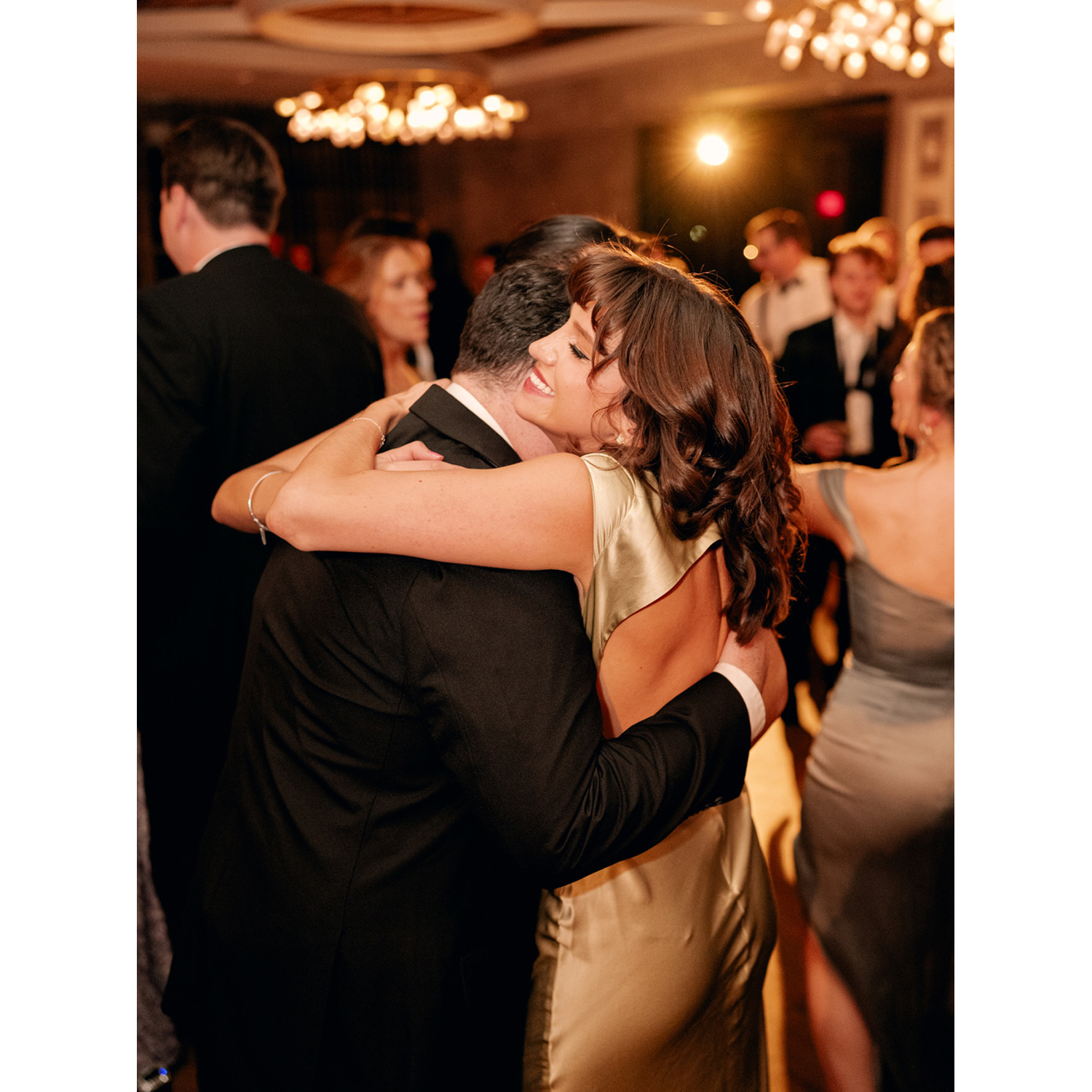
Portable Lighting for Run-and-Gun Documentary Shoots
For documentary shooters, portable lighting has to do a lot at once: move fast, stay simple, pack small, and still deliver flattering results in unpredictable environments. In this comparison, we’re looking at two lighting education products that approach portable lighting from different angles: CS: Key Lighting Methods with Mark Raker (Nanlite) and Portrait Lighting Made Easy with Joel Grimes (Westcott). While these are training resources rather than physical fixtures, each offers a different philosophy that can directly influence how you build a lightweight run-and-gun lighting workflow.
If you shoot interviews on location, vérité scenes, or quick documentary portraits, choosing the right lighting approach can matter just as much as choosing the right light. One option leans toward foundational key-light technique and practical setup logic, while the other emphasizes approachable portrait lighting concepts that can help solo shooters create polished results fast.
Side-by-Side Comparison
| Feature | Nanlite: Key Lighting Methods | Westcott: Portrait Lighting Made Easy |
|---|---|---|
| Product Type | Lighting education / course | Lighting education / course |
| Brand | Unique Photo | Unique Photo |
| Instructor | Mark Raker | Joel Grimes |
| Primary Focus | Key lighting methods and technique | Portrait lighting made approachable |
| Best For | Documentary shooters building repeatable interview setups | Run-and-gun creators who want quick, flattering people-lighting results |
| Workflow Emphasis | Structured lighting fundamentals | Creative portrait-driven simplicity |
| Use Case Relevance | Interviews, sit-down documentary segments, controlled key setups | Fast portraits, character shots, branded documentary visuals |
| SKU | UUUCS8310 | UUUW144 |
What Documentary Shooters Actually Need
In a true run-and-gun environment, most shooters are not building elaborate multi-light sets. They need a system they can understand quickly and adapt on location. That usually means:
- One key light doing most of the heavy lifting
- Fast setup in tight spaces
- Minimal modifiers and accessories
- Predictable results across changing locations
- Lighting knowledge that scales from interviews to portraits
That’s why these two educational options are worth comparing. They both address people-lighting, but from slightly different practical angles.
Portability Mindset
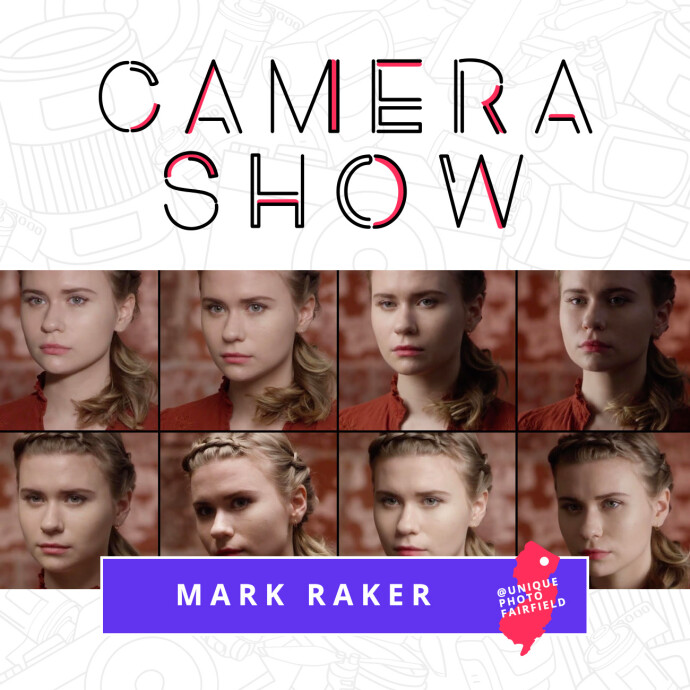
Nanlite: Key Lighting Methods feels more directly aligned with the mindset of documentary efficiency. A course centered on key lighting methods speaks to the real-world need to understand how one primary light shapes a subject. For many doc crews, especially solo operators and small teams, mastering the key light is the difference between a usable setup and a muddy, rushed-looking interview.
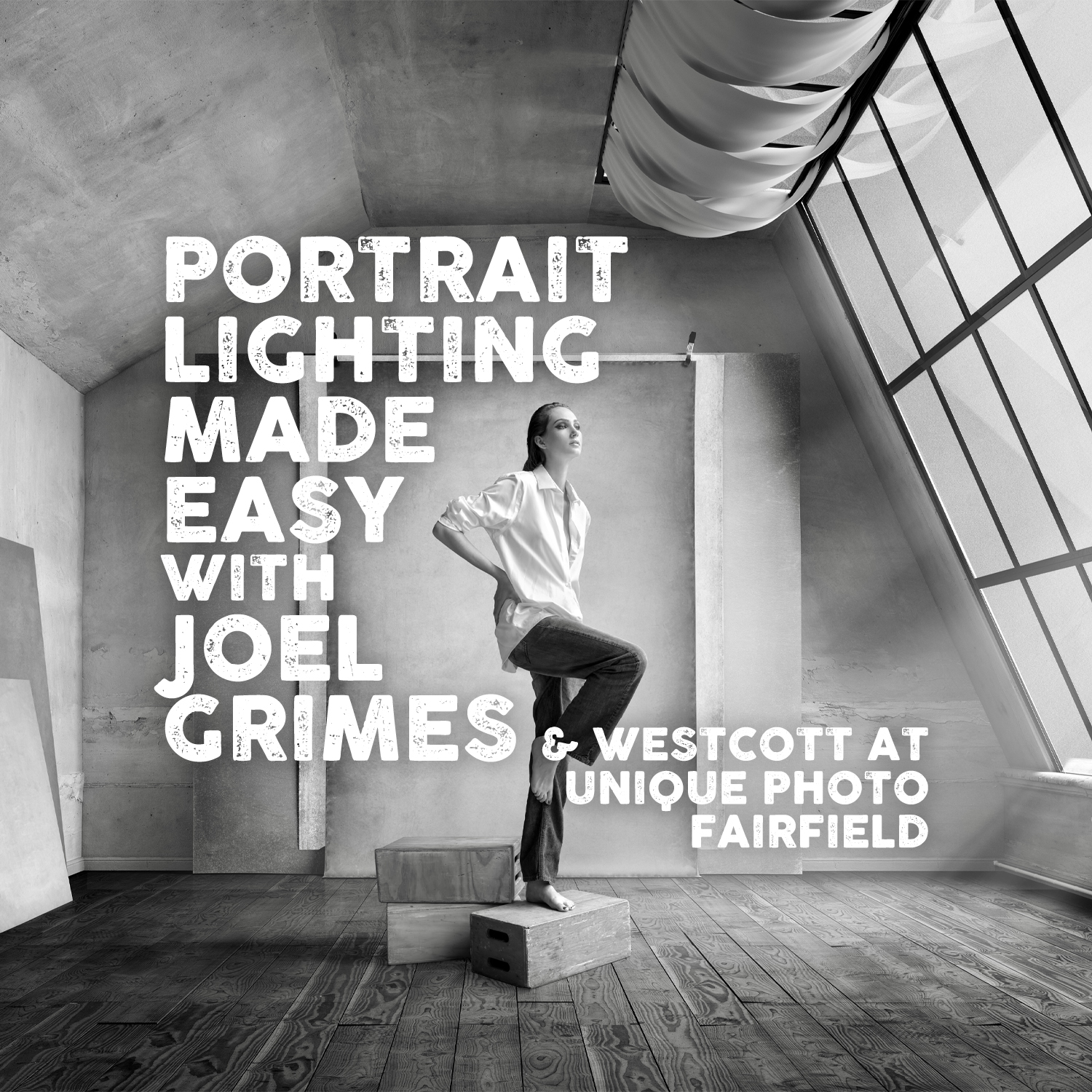
Westcott: Portrait Lighting Made Easy is also relevant, but it suggests a slightly more portrait-oriented approach. That can be a strength if your documentary work includes environmental portraits, quick subject spotlights, or editorial-style visuals for promos and social cuts. It may be less specifically documentary-focused, but it can still be highly useful when you need flattering light in a hurry.
Learning Curve for Solo Shooters
For solo filmmakers, speed of understanding matters. You often do not have time on set to experiment endlessly.
Nanlite’s key-light emphasis is likely the better fit for shooters who want a practical framework they can repeat from location to location. If your assignments involve interviews in offices, homes, hallways, classrooms, or field locations, a methodical understanding of key placement is incredibly valuable.
Westcott’s portrait-first approach may appeal more to shooters who want lighting to feel accessible and visually polished without getting too technical. Joel Grimes is associated with strong portrait aesthetics, and that can help documentary creators who want their subject lighting to feel elevated, especially for branded docs or nonprofit storytelling.
Best Match for Interview Lighting
If your version of documentary production means frequent sit-down interviews, CS: Key Lighting Methods with Mark Raker gets the edge. Interviews usually succeed or fail based on key-light quality, angle, softness, and consistency. A resource dedicated to that core concept is a strong match for the assignment.
That does not make the Westcott option irrelevant. In fact, if your interviews also need a more stylized or personable portrait look, Portrait Lighting Made Easy can be a useful complement. But on the specific question of run-and-gun documentary practicality, Nanlite’s key-light framing is more directly on target.
Best Match for Character Portraits and Quick Editorial Setups
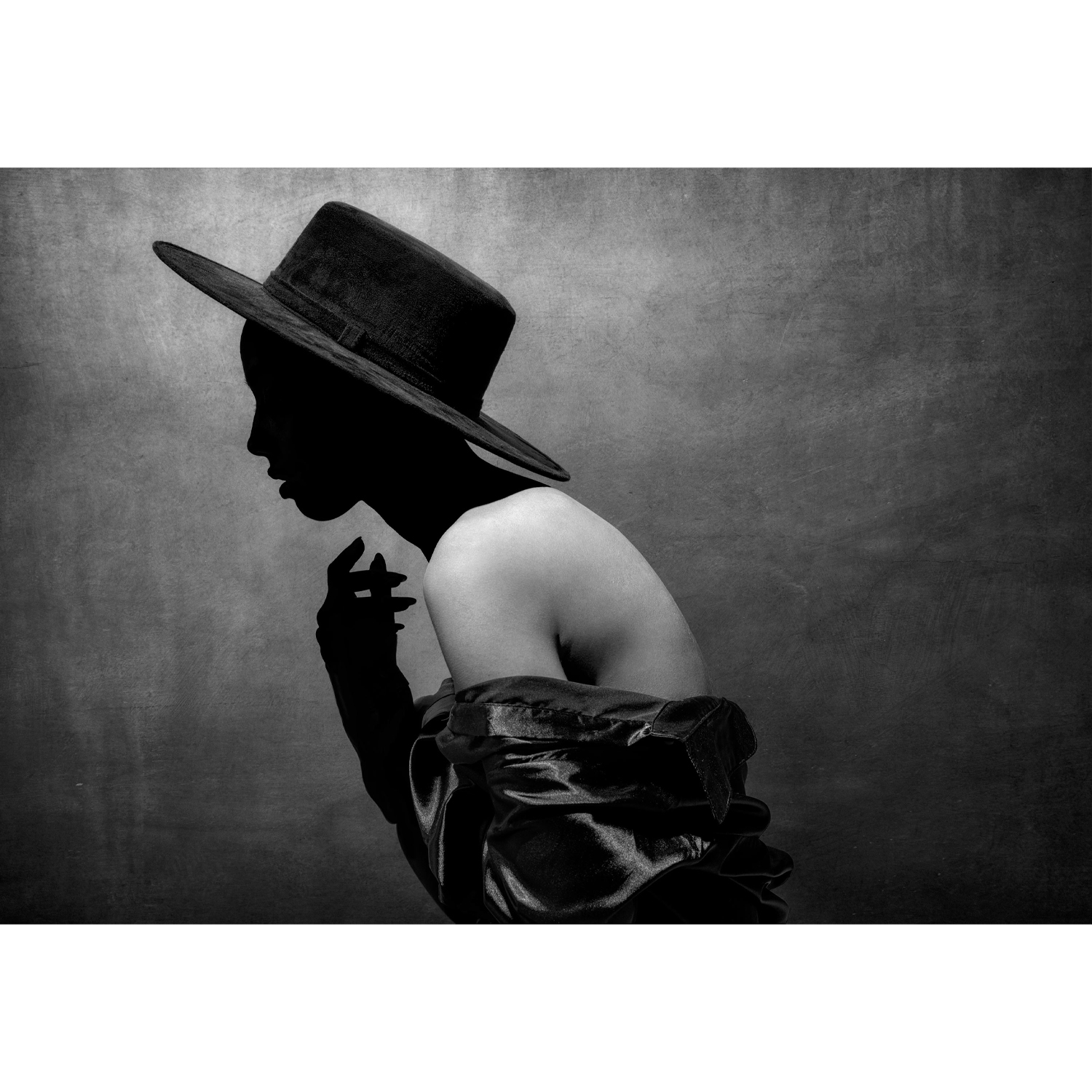
Some documentaries rely heavily on short portrait moments: a chef in a kitchen, a founder in a workshop, an artist in a studio, or a community subject in environmental context. In those situations, Portrait Lighting Made Easy with Joel Grimes becomes especially attractive. A portrait-centered teaching style can help you create stronger, more intentional visuals with minimal gear.
If your documentary style leans cinematic, personality-driven, or promotional, the Westcott course may provide more immediate inspiration for making subjects look their best fast.
Which One Is More Practical for Fast-Packed Kits?
Because both items are educational resources, the real question is which philosophy translates better to a small lighting kit. For most shooters, the answer is Nanlite: Key Lighting Methods. Understanding key light first is often the most efficient route to working with a compact LED panel, monolight, or tube-based setup on location.
Once that foundation is in place, portrait refinements become easier. In that sense, the Nanlite course feels more foundational, while the Westcott course feels more style-enhancing.
Useful Companion Gear for Run-and-Gun Lighting Crews
Portable lighting is not just about lights. Documentary shooters also benefit from durable transport and fast media backup in the field.
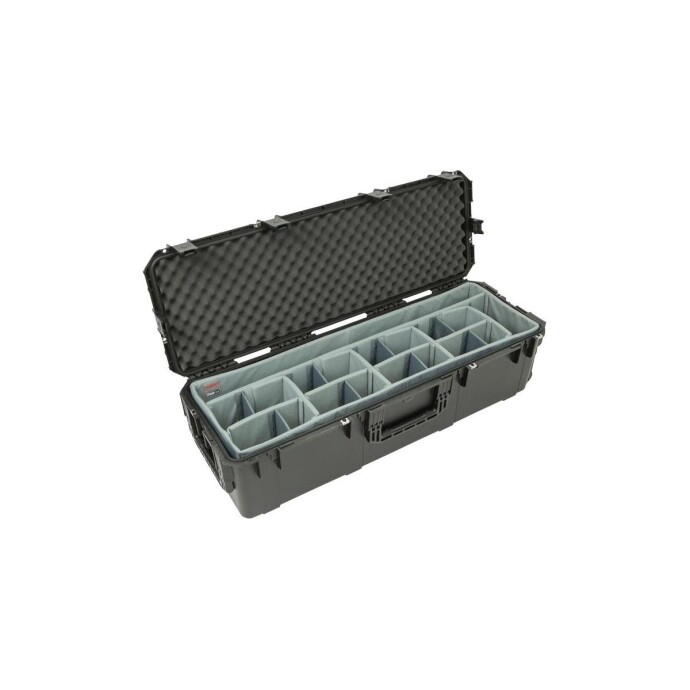
The SKB iSeries 3i-4213-12 Case with Think Tank Designed Lighting/Stand Dividers stands out as a smart companion for crews carrying compact lighting tools, stands, and accessories between locations. A rugged case matters when your lighting kit gets tossed into vans, rolled through venues, or exposed to weather during production days.
For field data management, the SanDisk 2TB Extreme Portable SSD V2, Sandisk Extreme V3 1TB Portable SSD, and Sandisk V3 500GB Portable SSD are all relevant add-ons for documentary shooters who need to back up footage quickly after long days on location. They are not lighting products, but they fit the same run-and-gun philosophy: compact, reliable, and easy to carry.
Our Pick
Our Pick: CS: Key Lighting Methods with Mark Raker (Nanlite)
For run-and-gun documentary shoots, this is the stronger recommendation. The reason is simple: documentary crews usually need a fast, repeatable understanding of how to shape a subject with one primary light. A training resource focused on key lighting methods is closely aligned with real documentary needs, especially for interviews, on-location subject work, and small-crew productions.
Choose Westcott: Portrait Lighting Made Easy with Joel Grimes if your documentary style leans more toward polished portraits, branded visual storytelling, or quick editorial character setups where appearance and impact are the top priorities.
Conclusion
Both of these lighting education products can help documentary shooters improve how they light people on the move, but they serve slightly different goals. Nanlite: Key Lighting Methods with Mark Raker is the more practical fit for most run-and-gun documentary applications, while Westcott: Portrait Lighting Made Easy with Joel Grimes is an excellent option for creators who want more portrait-driven polish in fast-paced environments.
If you’re building a smarter documentary workflow, Unique Photo offers not only educational resources like these, but also the cases, storage, and production tools that support efficient location shooting.