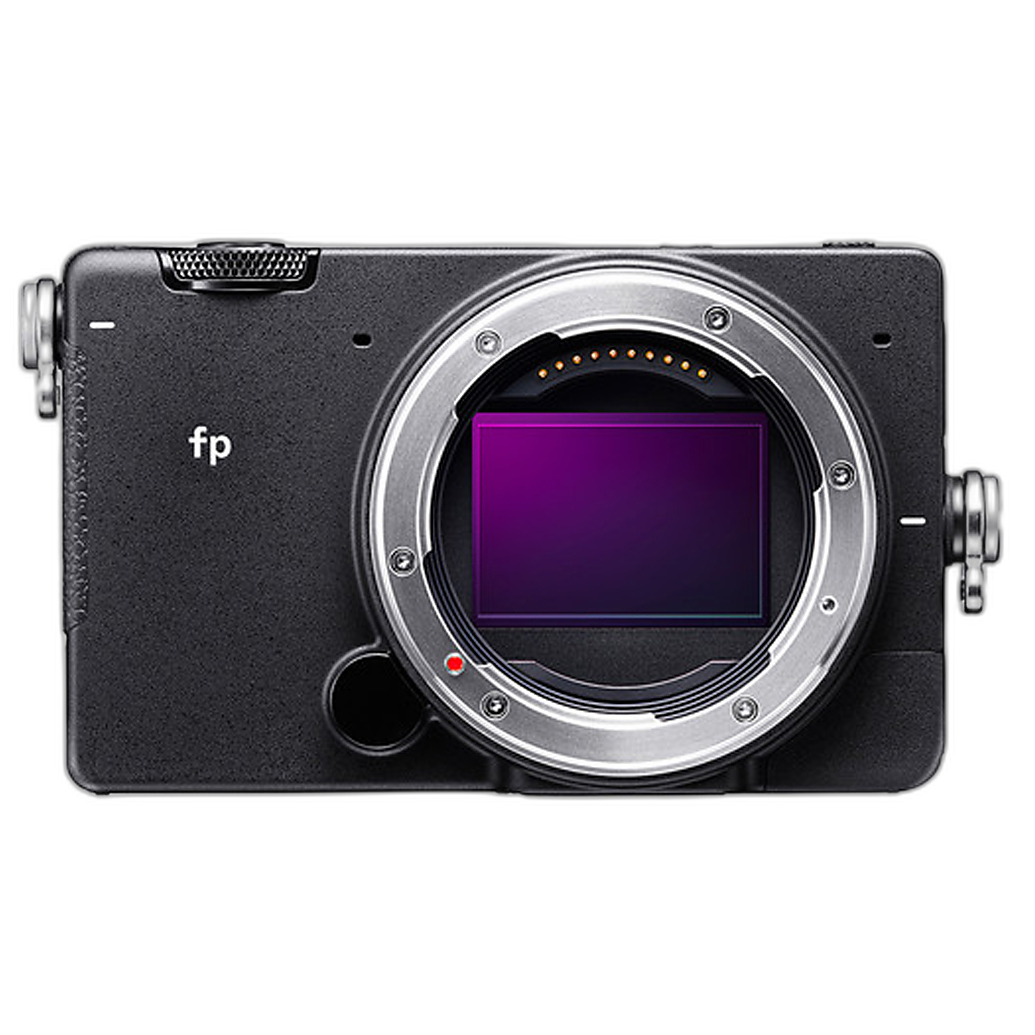
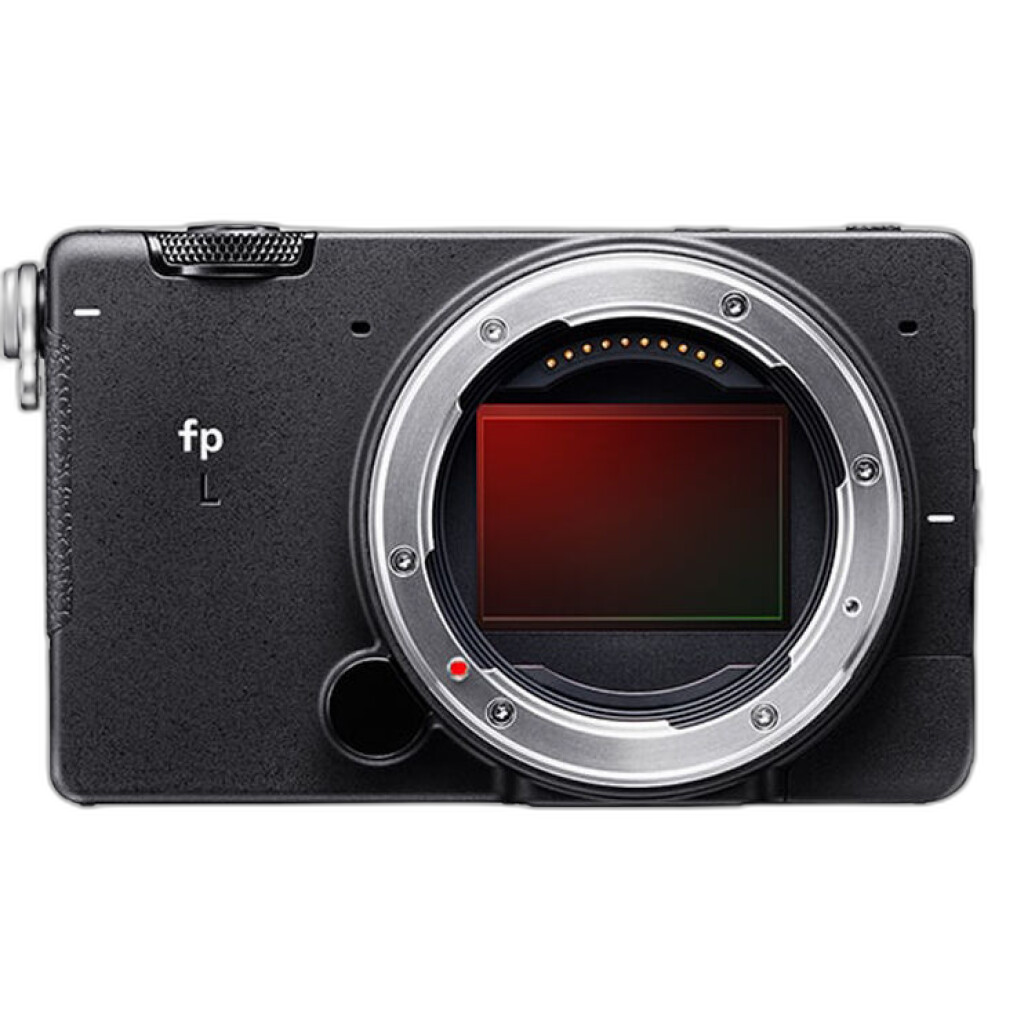
In March 2021, Sigma expanded its unusually compact full-frame camera line with the announcement of the Sigma fp L, a high-resolution sibling to the original fp. At launch, the headline was impossible to ignore: a 61MP full-frame sensor housed in one of the smallest interchangeable-lens full-frame bodies on the market. For photographers and hybrid shooters who had already taken notice of Sigma’s modular approach, the fp L represented a significant step forward in resolution while preserving the concept that made the fp so distinctive in the first place.
Positioned within Sigma’s evolving mirrorless strategy, the fp L arrived as a camera built around portability, flexibility, and the L-mount system. Its launch price of $2,499 placed it in serious enthusiast and professional territory, but its appeal was not only about raw pixel count. The fp L spoke to a particular kind of user: someone who wanted a remarkably small full-frame camera without giving up the potential for highly detailed stills.
A New High-Resolution Chapter for the fp System
When Sigma introduced the original fp, it stood apart from conventional mirrorless cameras. Rather than chasing the familiar DSLR-inspired silhouette or even the increasingly common rangefinder-like form, Sigma leaned into a minimalist, box-like design. The result was a camera that felt almost radical in its reduction of bulk. With the fp L, Sigma retained that core identity while substantially increasing the camera’s resolving power.
The move to a 61MP full-frame sensor immediately positioned the fp L as a more specialized and ambitious tool than the original fp in some respects. Resolution at this level had clear implications for landscape work, studio photography, architecture, and other applications where fine detail mattered. In an era when many camera launches balanced speed, video, autofocus, and still imaging in different proportions, the fp L made a straightforward statement: Sigma could deliver extremely high pixel count in a body small enough to fit into shooting setups where larger cameras might feel excessive.
The Significance of 61 Megapixels
By 2021 standards, 61 megapixels was already an attention-grabbing specification in the full-frame world. It suggested substantial cropping flexibility, large print potential, and a level of detail capture aimed at photographers who wanted maximum image information from a compact system. While high-resolution cameras had often been associated with larger, more traditionally shaped bodies, the fp L challenged that assumption by presenting this capability in a far more portable form.
That was one of the most intriguing aspects of the announcement. The fp L was not merely another high-resolution full-frame camera; it was a high-resolution full-frame camera that fit within Sigma’s highly modular philosophy. For travel photographers, location shooters, or creators building lightweight custom rigs, that combination had obvious appeal. The fp L promised the image-making possibilities of a 61MP sensor without forcing photographers into a physically imposing camera body.
Of course, high megapixel counts also come with practical considerations. Cameras at this resolution reward careful technique, stable support when needed, and lenses capable of taking advantage of the sensor’s detail potential. In that sense, the fp L was also a natural showcase for the broader L-mount ecosystem, encouraging users to think not just about the body but about the system around it.
L-Mount and System Flexibility
The fp L’s use of the L-mount was important beyond simple compatibility. By 2021, the L-mount alliance had helped create a broader lens ecosystem than any one manufacturer could have offered on its own. For Sigma users, that meant access to a growing range of lenses suitable for different shooting styles, from compact primes to more specialized optics.
In historical context, the fp line made particular sense as a platform for this mount. Sigma had long been known for lenses, and its entry into the mirrorless camera market naturally raised questions about how it would define itself against more established camera makers. The answer, at least in part, was to do something visually and conceptually distinct: build highly compact full-frame cameras that could serve as adaptable cores for still and video shooters alike. The fp L continued that strategy by pairing extraordinary resolution with mount versatility.
For photographers already invested in L-mount, the fp L added a compelling body option. For those considering entry into the system, it served as a reminder that L-mount was not limited to one style of camera or one interpretation of what full-frame mirrorless should be.
Design Philosophy: Small Body, Big Ambition
One reason the fp L announcement drew attention was that it extended a design idea that still felt unconventional in 2021. Camera makers often talk about compactness, but Sigma’s fp series pursued it with unusual discipline. The camera body’s pared-down form emphasized adaptability: use it stripped down for portability, or build it into a more elaborate rig depending on the assignment.
That modular mindset helped define the fp line’s identity. The fp L was not trying to mimic a classic SLR handling experience, nor was it mainly trying to be a do-everything generalist. Instead, it offered a core imaging platform around which users could build their own preferred workflow. The increase to 61MP made that proposition more serious for photographers whose work depended on detail and post-production latitude.
At the time of announcement, this gave the fp L a somewhat niche but very compelling profile. It was likely to appeal most strongly to users who understood exactly why they wanted a camera like this: maximum resolution, full-frame imaging, interchangeable lenses, and an exceptionally compact footprint.
Launch Positioning and Price
With a launch price of $2,499, the Sigma fp L entered the market as a premium camera body, but not an outlandishly priced one given its sensor resolution. The pricing placed it in a competitive segment where buyers were likely to compare image quality potential, body size, lens ecosystem, and overall shooting philosophy as much as any single specification.
What Sigma offered at that price was a distinctive value proposition. Rather than competing solely on traditional ergonomics or broad mainstream appeal, the fp L leaned into uniqueness. It was a high-resolution full-frame camera for photographers and creators who valued compactness and system flexibility enough to seek out something different from the usual market leaders.
That made the fp L announcement memorable. In a busy camera landscape, genuinely different products tend to stand out, and Sigma had a track record of being willing to pursue ideas outside the norm. The fp L fit squarely into that pattern.
Why the fp L Mattered in 2021
Looking back at the release period, the Sigma fp L can be seen as both a product announcement and a statement of intent. It showed that Sigma was serious about expanding the fp concept rather than leaving it as a one-off experiment. More importantly, it demonstrated that compact camera design did not have to mean modest ambition. A small body could still be the foundation for very high-end still imaging capabilities.
For the broader industry, the fp L also reflected a growing willingness to rethink what a full-frame camera should look like. The mirrorless era had already broken many assumptions inherited from DSLRs, and Sigma pushed that trend further by refusing to treat compactness as a secondary goal. The fp L embodied the idea that photographers might want both portability and extreme detail, not one or the other.
That combination ensured the camera would attract attention from those who preferred tools with a strong point of view. Even if it was not aimed at every photographer, it was clearly designed for users who appreciated engineering choices made with conviction.
An Archival View of the Announcement
As an archival milestone, the Sigma fp L stands out as one of the more distinctive camera announcements of 2021. Its 61MP full-frame sensor, L-mount compatibility, and $2,499 launch price defined its immediate market identity, but the larger story was Sigma’s continued commitment to a compact, modular full-frame platform. It was a camera that felt intentionally different, and that was precisely its appeal.
For photographers interested in the history of modern mirrorless design, the fp L remains a notable example of how camera makers experimented with form, function, and specialization in the early 2020s. To explore Sigma cameras, lenses, and more historical gear context, visit Unique Photo—a trusted place to buy equipment or learn more.