Great documentary interviews depend on more than a strong story and good lighting. Clean, intelligible audio often determines whether footage feels professional, usable, and emotionally engaging. One of the most common questions filmmakers ask at Unique Photo is this: should you use a shotgun mic or a lavalier mic for documentary interviews?
The short answer is that both can work extremely well, but each solves a different production problem. Shotgun microphones are often preferred when you want natural-sounding voice capture without putting a mic on camera, while lavaliers are ideal when subjects move, speak softly, or need consistent levels in unpredictable environments. For many documentary crews, the best answer is actually a hybrid approach.
In this guide, we’ll break down the real-world differences between shotgun mics and lavaliers for documentary interviews, when to use each one, and what to consider before choosing your next audio setup from Unique Photo.
What Is the Difference Between a Shotgun Mic and a Lavalier Mic?
A shotgun microphone is a highly directional mic designed to capture sound from in front of the microphone while reducing noise from the sides and rear. In documentary production, shotgun mics are commonly mounted on a boom pole, attached to a camera, or rigged just out of frame above the subject.
A lavalier microphone, often called a lav mic, is a small clip-on microphone worn on the subject’s clothing. Lavalier mics are frequently used in wired or wireless systems and are especially popular for interviews, presentations, and run-and-gun documentary work.
The biggest practical distinction is placement. A shotgun mic usually stays off the subject, while a lavalier is attached directly to them. That difference affects sound quality, visual aesthetics, setup speed, and how well the audio holds up in changing conditions.
Are Shotgun Mics Better for Documentary Interviews?
Shotgun mics are often the first choice for documentary interviews when you want a more natural and open sound. Because the microphone is not rubbing against clothing or hidden under fabric, a good shotgun setup can deliver a cleaner, more cinematic voice capture.
Advantages of shotgun microphones for interviews include:
- Natural tonal quality with less chest-heavy coloration
- No visible microphone on the subject’s wardrobe
- Fast turnover between multiple interviewees
- Less risk of clothing rustle compared to lavaliers
- Excellent option for seated interviews in controlled locations
That said, shotgun microphones are only as good as their placement. If the mic is too far away, the room sound quickly takes over. In a reverberant office, noisy street, or untreated interior, distance becomes the enemy. A shotgun mic that is six inches out of frame usually sounds far better than one mounted on the camera several feet away.
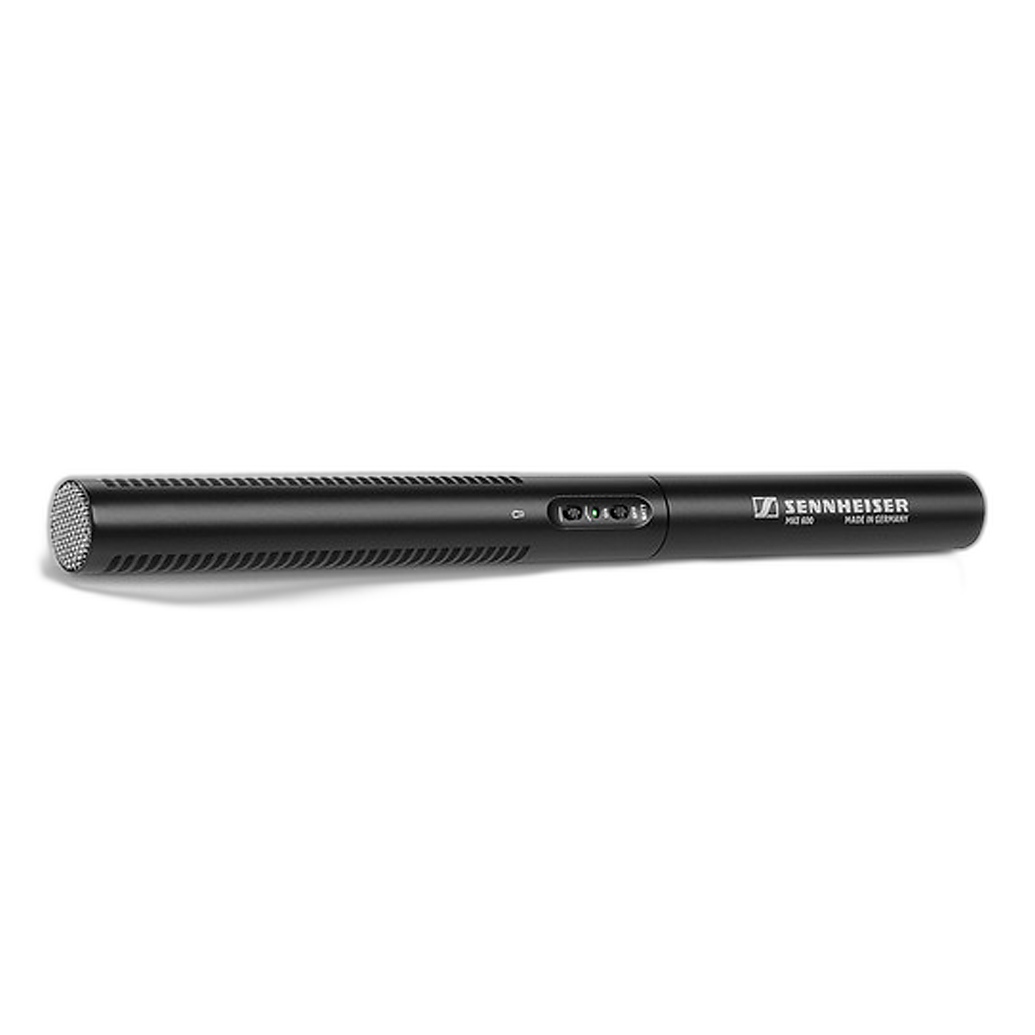
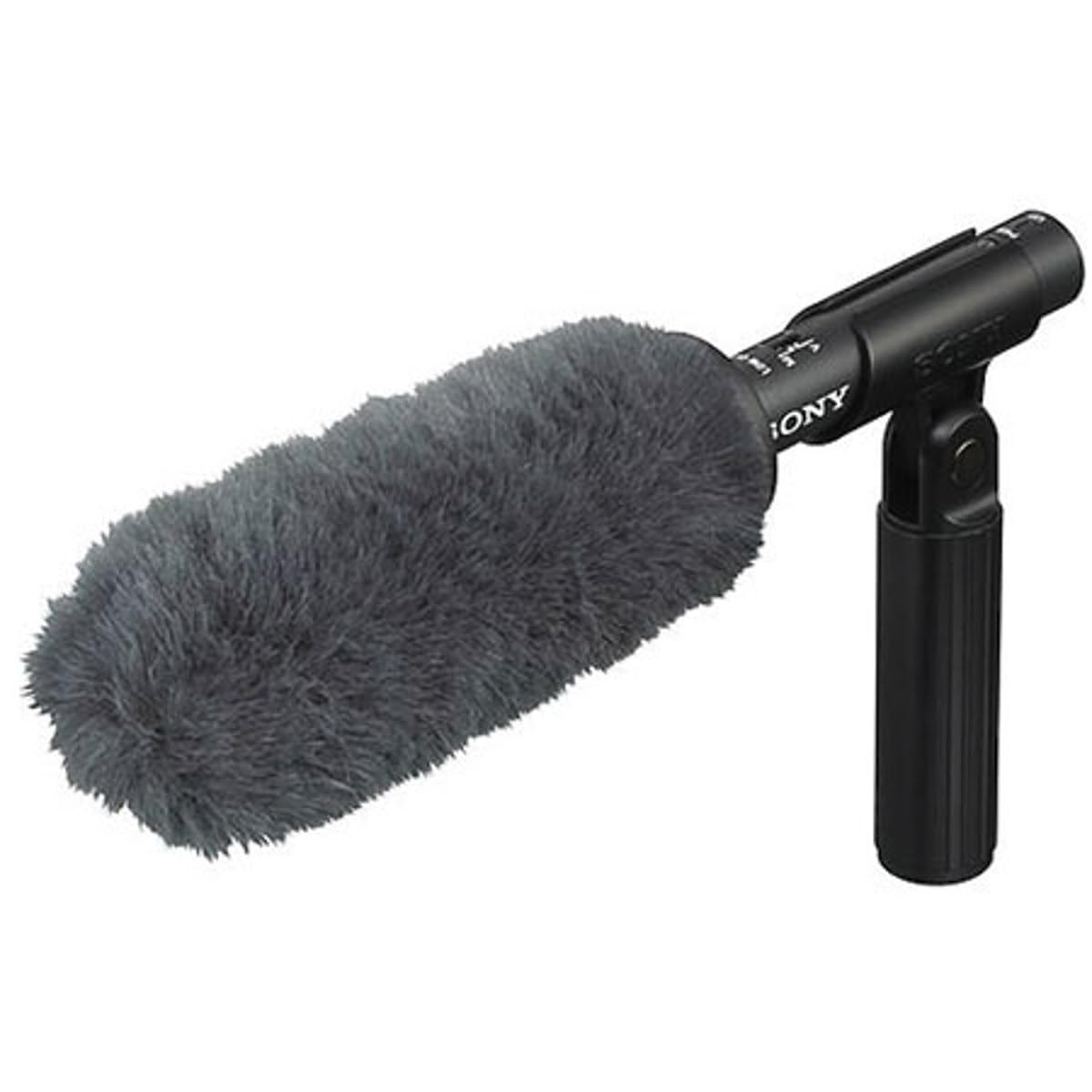
For filmmakers shopping at Unique Photo, strong shotgun options for interview work include the Sennheiser MKE 600 Shotgun Microphone, the Sony ECM-VG1 Short Shotgun Microphone, and the Rode NTG3B Moisture-Resistant Shotgun Microphone.
When Should You Use a Lavalier Mic for Documentary Interviews?
Lavalier microphones are often the better choice when your subject is moving, when the environment is unpredictable, or when you need steady voice levels despite head turns and body movement. Because the mic stays close to the speaker’s mouth, lavs help maintain consistent dialogue capture even if the subject shifts in their chair or gestures a lot.
Lavalier systems are especially useful for:
- Walk-and-talk interviews
- Verité documentary scenes
- One-person crews without a boom operator
- Wide camera framing where a boom cannot get close enough
- Noisy locations where close mic placement matters
The tradeoff is that lavaliers can introduce their own problems. Clothing rustle, necklace noise, poor concealment, RF interference, and visible mic placement can all affect the final result. Even so, a well-placed lav can save an interview that would otherwise be unusable with an off-camera mic alone.
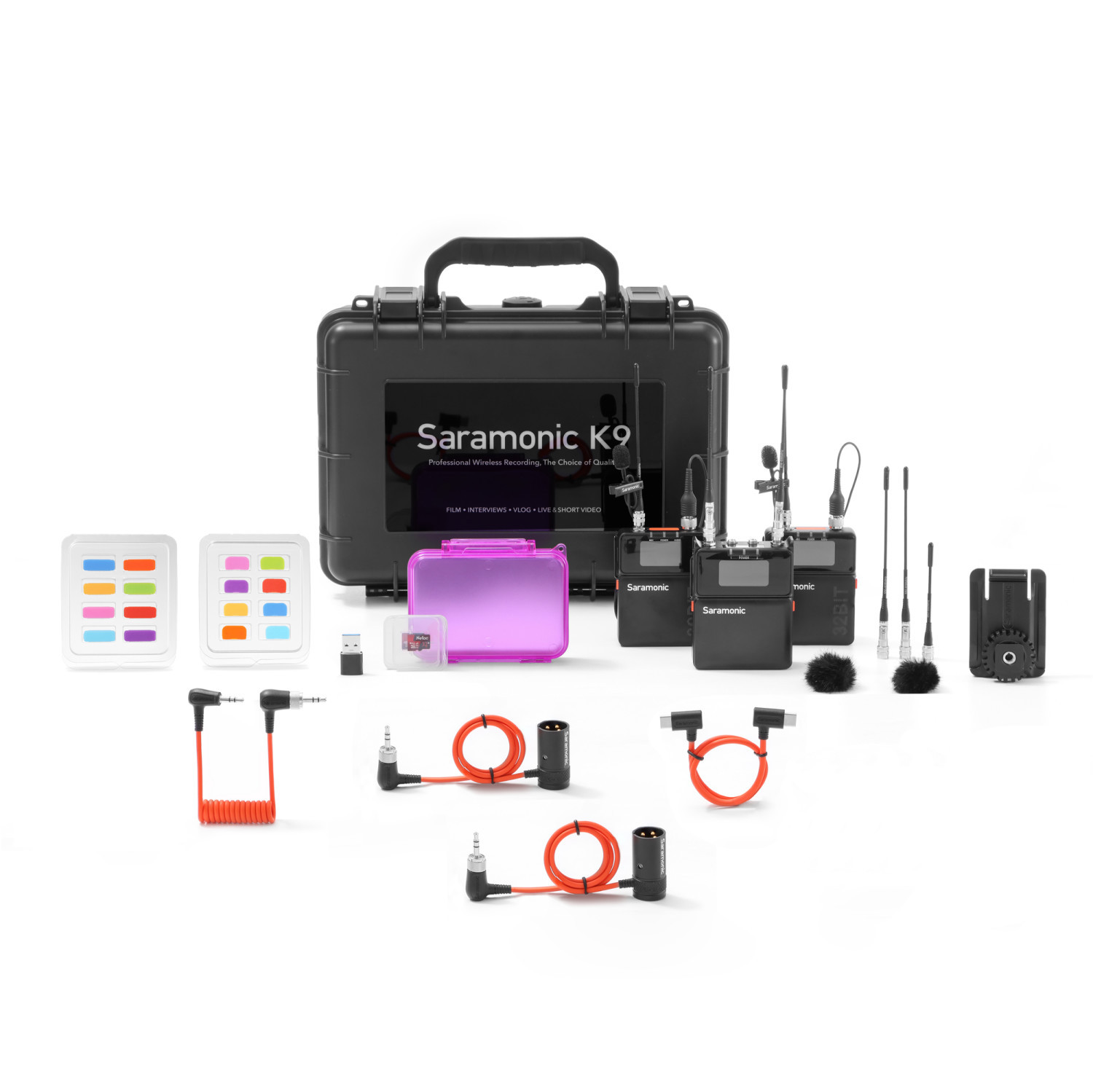
A strong solution from Unique Photo for documentary shooters is the Saramonic K9-US Professional Dual Digital UHF Wireless Mic System, which gives crews flexible wireless capture for interviews with one or two subjects.
Shotgun Mic vs Lavalier: Which Sounds Better?
If everything is set up perfectly, many filmmakers prefer the sound of a properly boomed shotgun mic for sit-down documentary interviews. A shotgun mic placed just above the frame line can sound more spacious, more natural, and less “clipped to the shirt” than a lavalier.
However, in real production, the best-sounding mic is the one placed correctly for the environment. A premium shotgun mic positioned too far away will often sound worse than an affordable lav placed properly on the subject. Likewise, a lav hidden carelessly under noisy fabric can sound far worse than a compact on-camera or boomed shotgun.
In general:
- Shotgun mics often win for natural tone and invisible placement
- Lavalier mics often win for consistency and mobility
- Dual-system recording often gives the safest professional result
Best Shotgun Mics for Documentary Interview Audio
Choosing the best shotgun microphone depends on your shooting style, camera system, and whether you work indoors, outdoors, or both. Unique Photo offers several strong options for documentary filmmakers looking for interview-ready directional mics.
Sennheiser MKE 600 for Versatile Interview Recording
The Sennheiser MKE 600 Shotgun Microphone is a popular option for documentary shooters who want focused directionality and flexible use in the field. It’s a practical choice for interviews, especially when paired with a boom or compact stand just out of frame.
Rode NTG3B and Rode NTG5 for Location Documentary Work
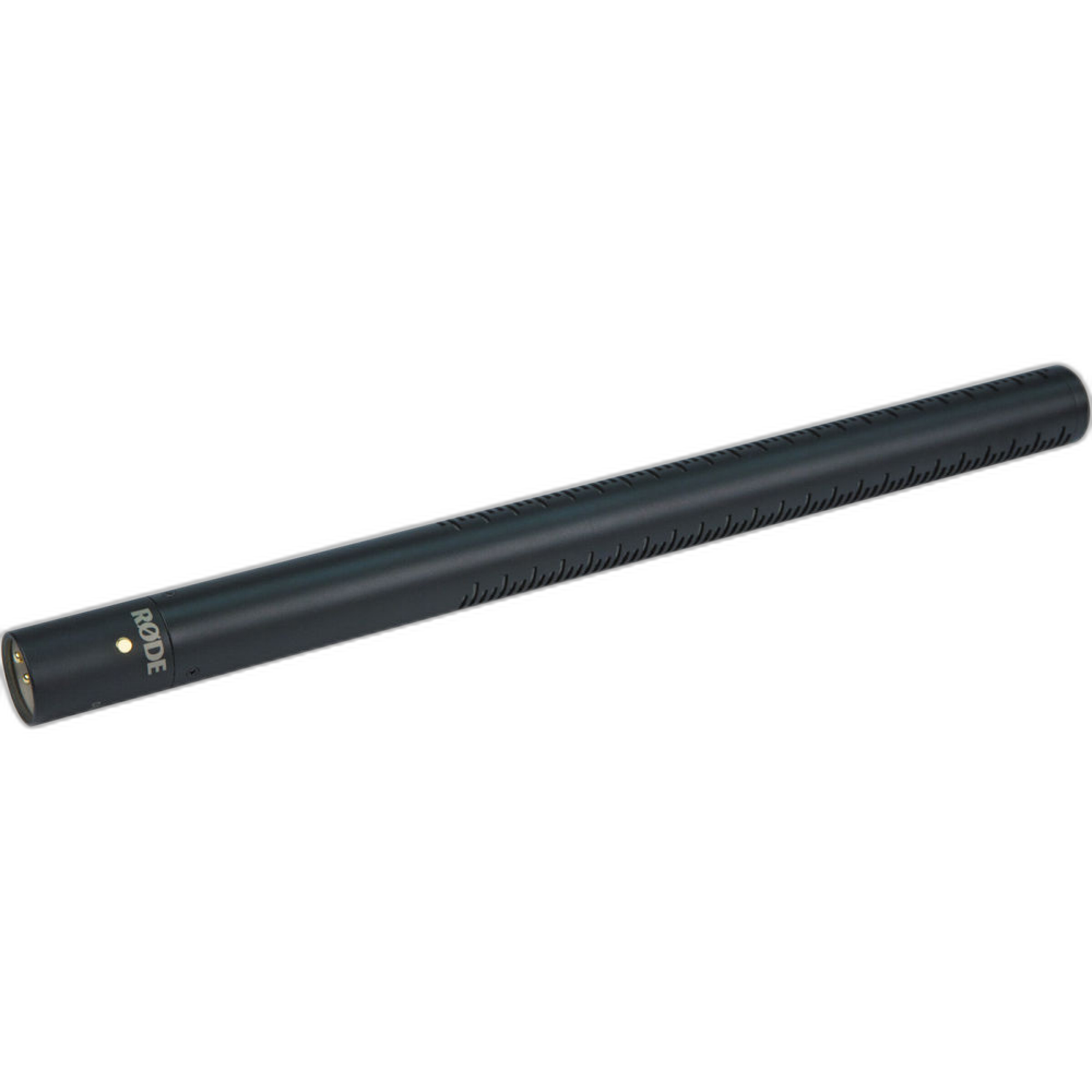
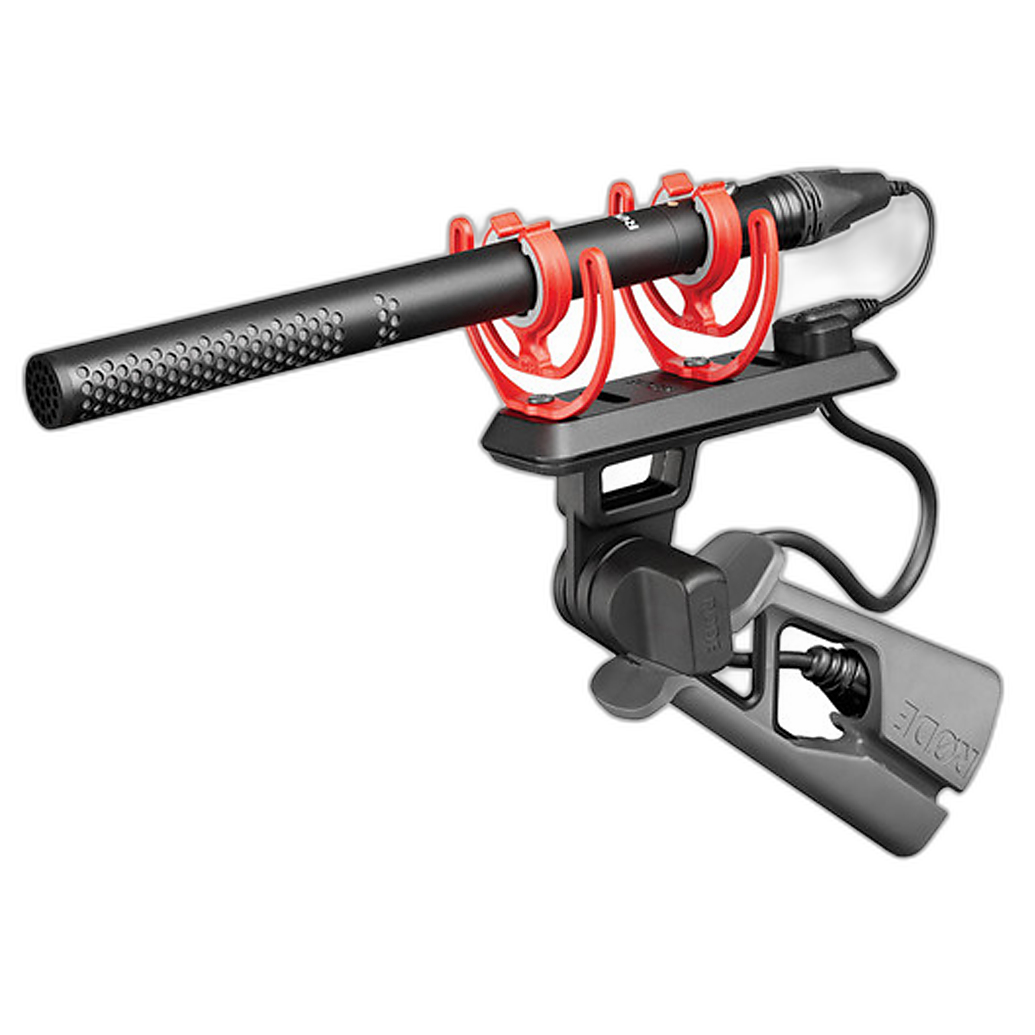
The Rode NTG3B Moisture-Resistant Shotgun Microphone is a strong candidate for filmmakers working in more demanding conditions, including humid or outdoor environments. The Rode NTG5 Moisture Resistant Shotgun Microphone Location Recording Kit is also appealing for documentary creators building a more complete location sound package.
Sony and Panasonic Shotgun Mics for Compact Camera Rigs
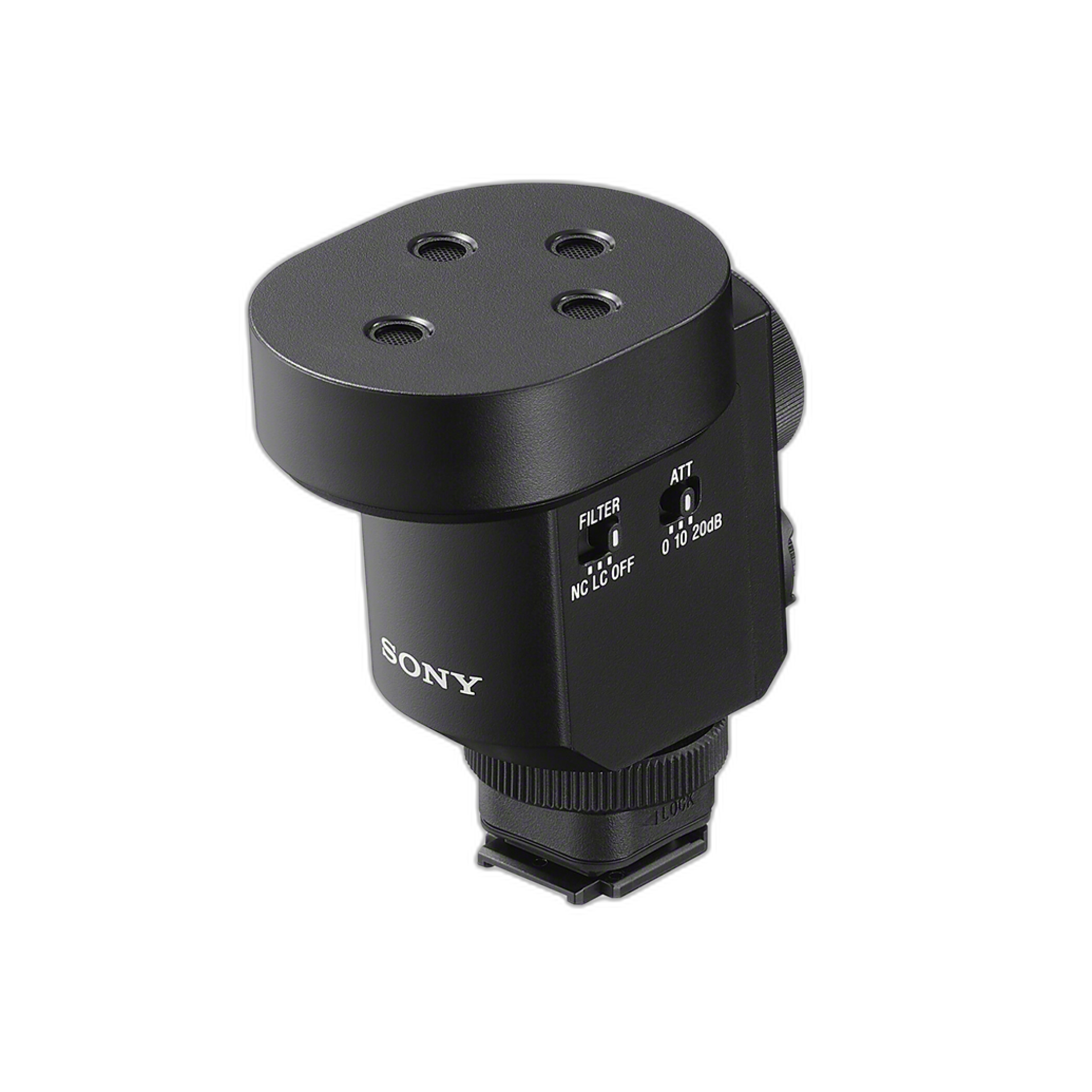
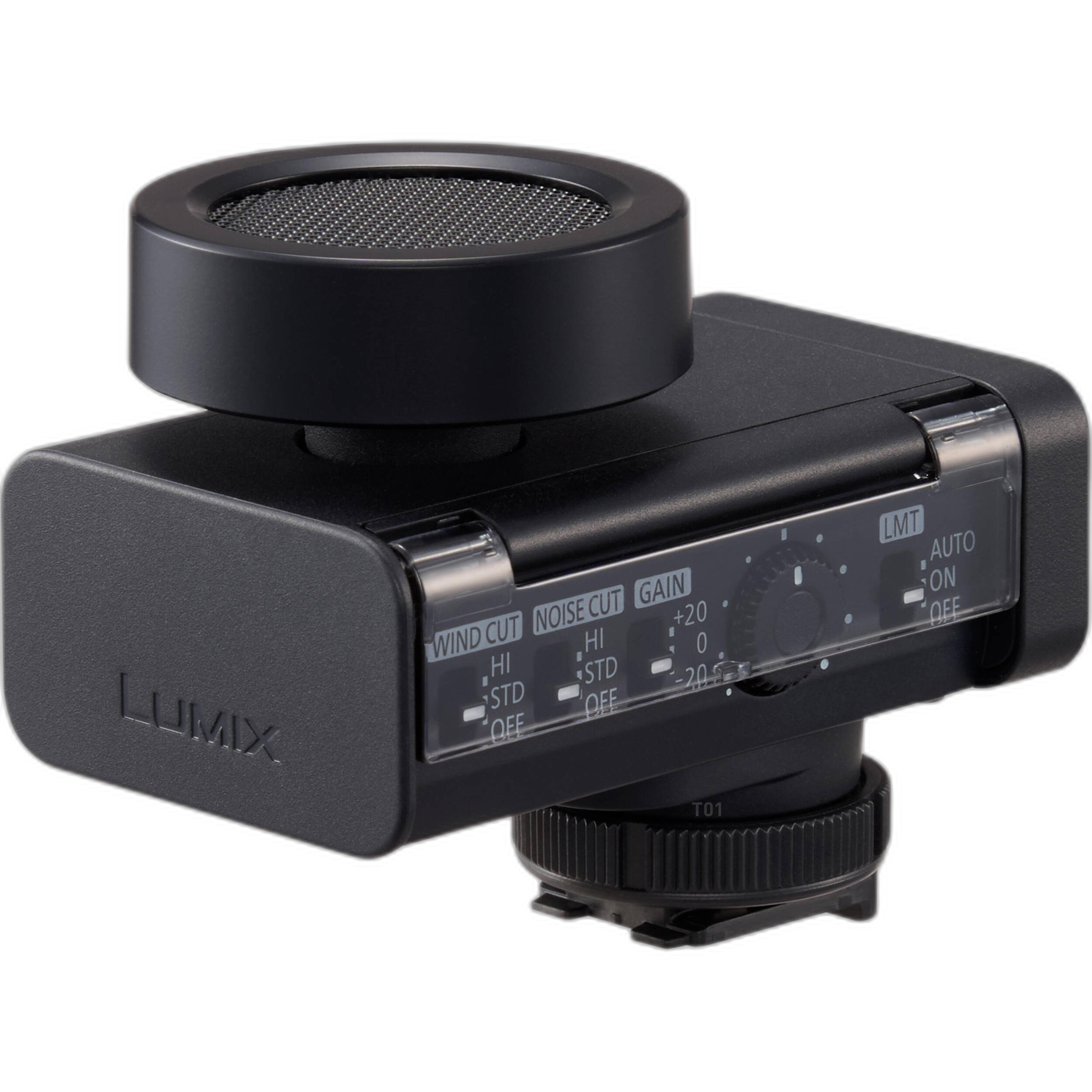
If you’re building a lighter documentary setup, compact digital and short shotgun options can be appealing. The Sony ECM-M1 Digital Shotgun Microphone, Sony ECM-VG1 Short Shotgun Microphone, and Panasonic DMW-DMS1 Digital Multi-Pattern Shotgun Microphone fit well into streamlined interview and run-and-gun workflows.
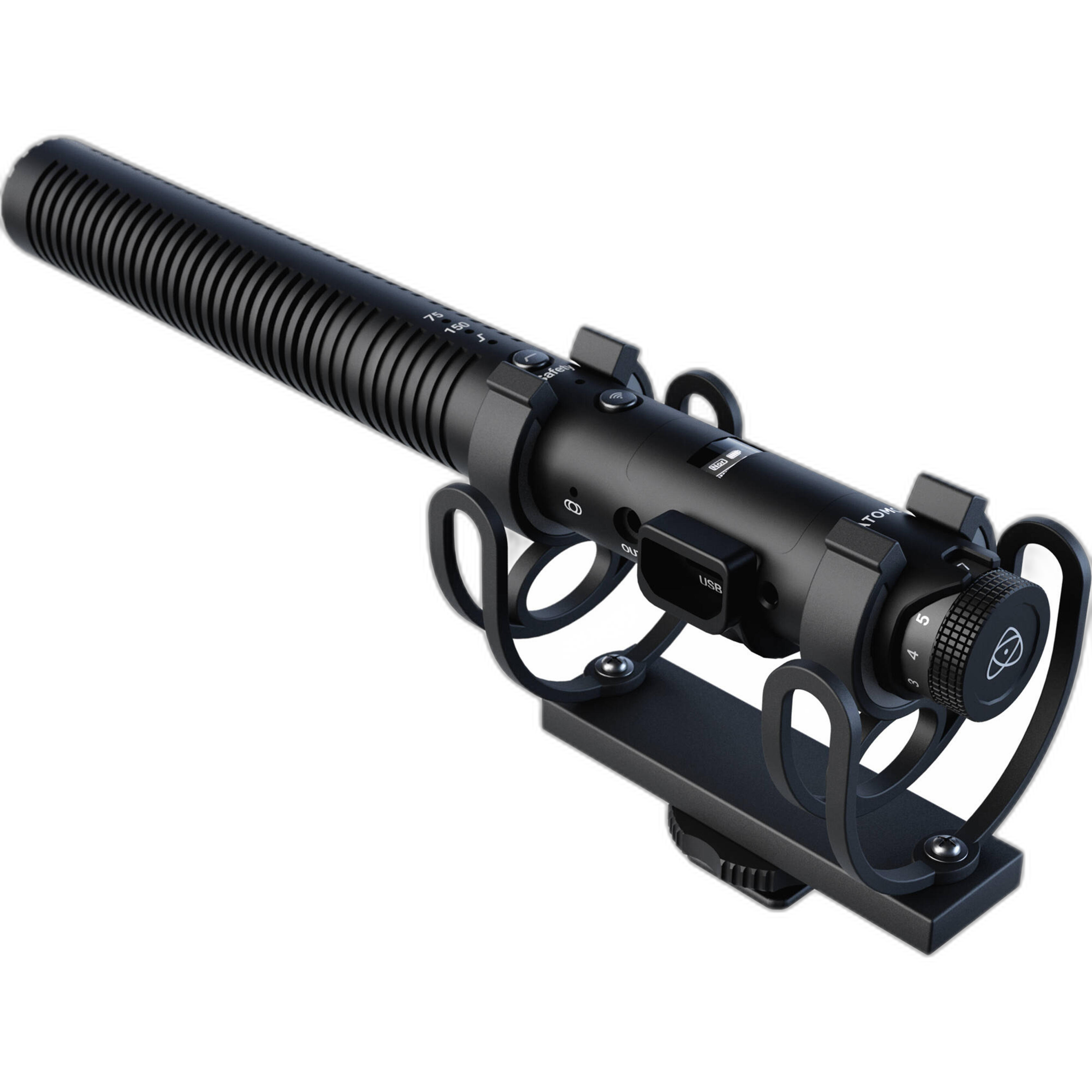
The Atomos StudioSonic Shotgun Mic is another option worth considering for creators building efficient interview kits around compact production setups.
Is a Shotgun Mic Good Enough Without a Lavalier?
Yes, a shotgun mic can absolutely be good enough for documentary interviews if the subject is relatively still, the room is controlled, and the mic is positioned close enough. For traditional seated interviews, many crews rely on a shotgun mic alone and get excellent results.
But if you only capture one audio source, you’re taking on more risk. A sudden HVAC noise, an unexpected head turn, or a boom placement compromise can reduce clarity. That’s why many experienced documentary shooters record with both a shotgun and a lav whenever possible.
At Unique Photo, this is one of the most common recommendations for interview work: use the shotgun as your primary sound for natural tone, and use the lavalier as your backup or safety track.
Should You Use Both a Shotgun and a Lavalier for Interviews?
In many cases, yes. Using both gives you flexibility in post-production and more protection against technical issues on set. If the lav picks up clothing noise for a few seconds, you can switch to the shotgun. If the shotgun catches too much room echo or a passing truck, the lav may save the take.
A dual-mic approach is especially smart for:
- One-time interviews you cannot repeat
- High-stakes documentary subjects
- Noisy or changing locations
- Long-form interviews with emotional, unscripted moments
- Crews delivering polished broadcast or commercial work
The key is to monitor both sources carefully and sync them cleanly in post if you are using separate recording paths.
How to Choose Between a Shotgun Mic and a Lavalier Mic
To decide which microphone type is right for your documentary interview, ask these practical questions:
- Is the subject seated or moving? Seated interviews favor shotguns; moving interviews often favor lavs.
- Can you place the mic close to the subject? If yes, a shotgun may sound excellent. If no, a lav may be safer.
- Is the room echoey? Lavs often perform better than distant shotguns in reflective spaces.
- Do you want the mic hidden? Shotguns stay off-camera more easily.
- Are you working solo? Wireless lav systems can be easier for solo documentary crews.
- Do you need redundancy? Use both when possible.
Best Audio Setup for Documentary Interviews
For many filmmakers, the best documentary interview audio setup looks like this:
- A quality shotgun microphone placed just out of frame
- A lavalier mic on the subject as backup or secondary capture
- Headphone monitoring throughout the interview
- Careful gain staging and room-tone recording
- Wind protection or soft treatment as needed for the environment
If you are building your kit through Unique Photo, consider matching your camera workflow, crew size, and typical locations to the microphone type you choose. Narrative-style interviews in controlled spaces often benefit from a stronger shotgun solution, while field documentaries and fast-moving productions often benefit from wireless lav flexibility.
Final Thoughts: Shotgun vs Lavalier for Documentary Interviews
So, which is better for documentary interviews: shotgun mic or lavalier? If you want the most natural interview sound and can place the mic close, a shotgun mic is often the better choice. If you need mobility, consistency, and simplicity for solo or fast-paced field work, a lavalier may be the smarter solution. And if the interview really matters, using both is usually the most professional answer.
Unique Photo offers documentary-friendly audio tools ranging from shotgun microphones like the Sennheiser MKE 600, Rode NTG3B, Rode NTG5, Sony ECM-M1, Sony ECM-VG1, Panasonic DMW-DMS1, and Atomos StudioSonic, to wireless lav systems like the Saramonic K9-US. The right choice depends on how you shoot, where you shoot, and how much audio risk you can afford.
For next steps, Unique Photo can internally link readers to related categories and guides such as Audio Recording, Microphones, Video Camera Accessories, and educational content around field recorders, boom poles, wireless audio systems, and on-camera microphones.