Capture lightning in a bottle—without compromising quality
Feature shoots rarely wait for perfect setups. Directors pivot, scenes evolve, and characters surprise you. The best way to stay ready is to build a camera configuration that’s fast, reliable, and quiet—while preserving the latitude you need in post. Use these practical tips to keep your rig nimble yet cinematic for spontaneous, high-stakes moments.
9 practical tips for high-quality, spontaneous capture
Record smart: choose robust codecs and real-time proxies
Use a 10-bit 4:2:2 intra-frame codec when you expect fast motion or intensive color work, and enable in‑camera proxies (e.g., 1080p) for instant dailies. If available, set dual-slot recording for redundancy and turn on pre-roll/buffer so you never miss a moment that starts mid‑action. Lock white balance to Kelvin for consistency, and build a quick test slate for each lighting change.
Keep exposure consistent with a “set-it-and-forget-it” baseline
When you can’t meter every beat, run manual exposure with Auto ISO and set a minimum shutter tied to your frame rate (e.g., 1/50 for 24p, 1/100 for 50/60p) to maintain motion cadence. Assign exposure compensation to a front dial for fast tweaks. Use zebras: one high threshold to guard highlights and a second in the skin range (around 70–75% for Rec.709; adjust if you’re shooting Log) so faces don’t drift. Have a variable ND within reach for outdoor swings.
Let AF help—but tame it
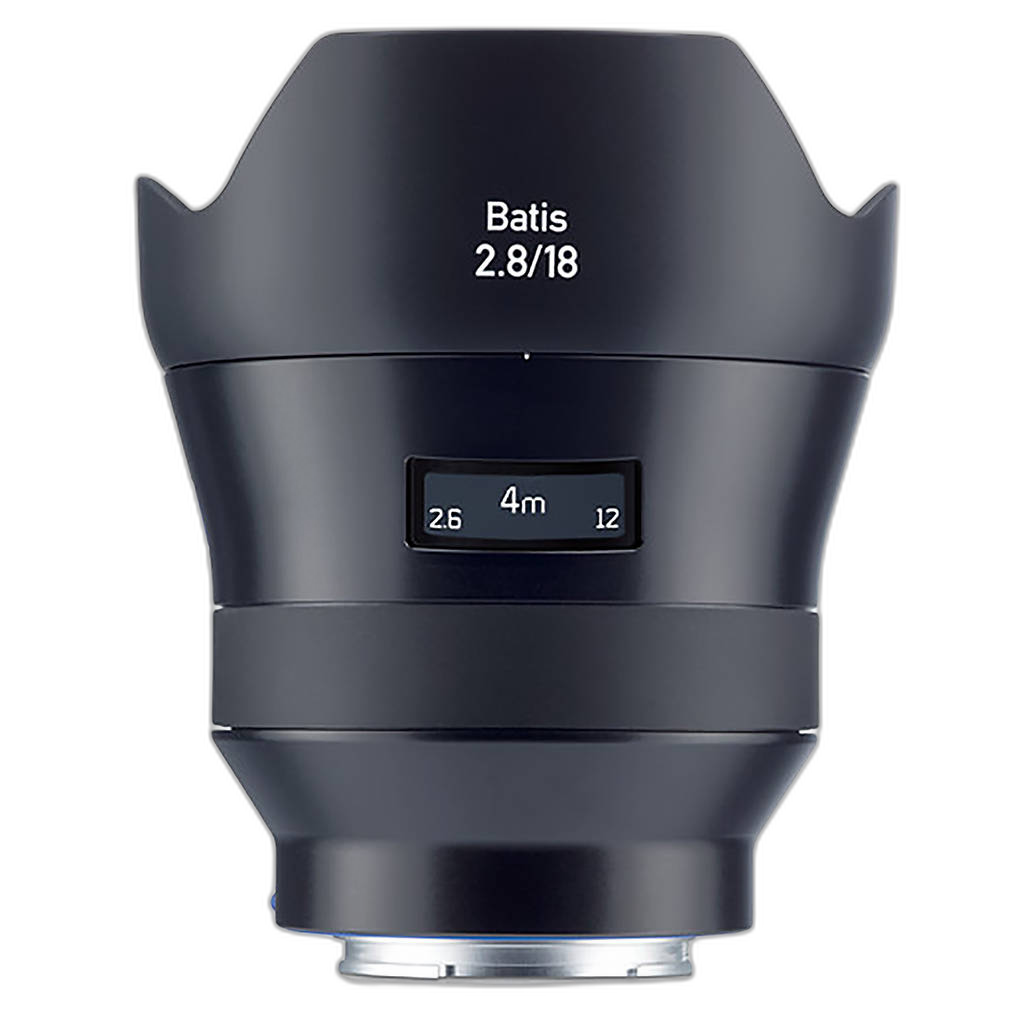
Enable continuous AF with subject/face/eye detection, but limit it to a flexible zone so your camera doesn’t grab the background. Back‑button AF keeps you in control, and slower AF transition sensitivity helps avoid focus “hunting” during emotional beats. A fast, quiet wide like the Zeiss Batis 18mm f/2.8 is excellent for tight spaces and moving with talent while keeping context.
Cover the heart of the action with a fast mid‑range cine zoom
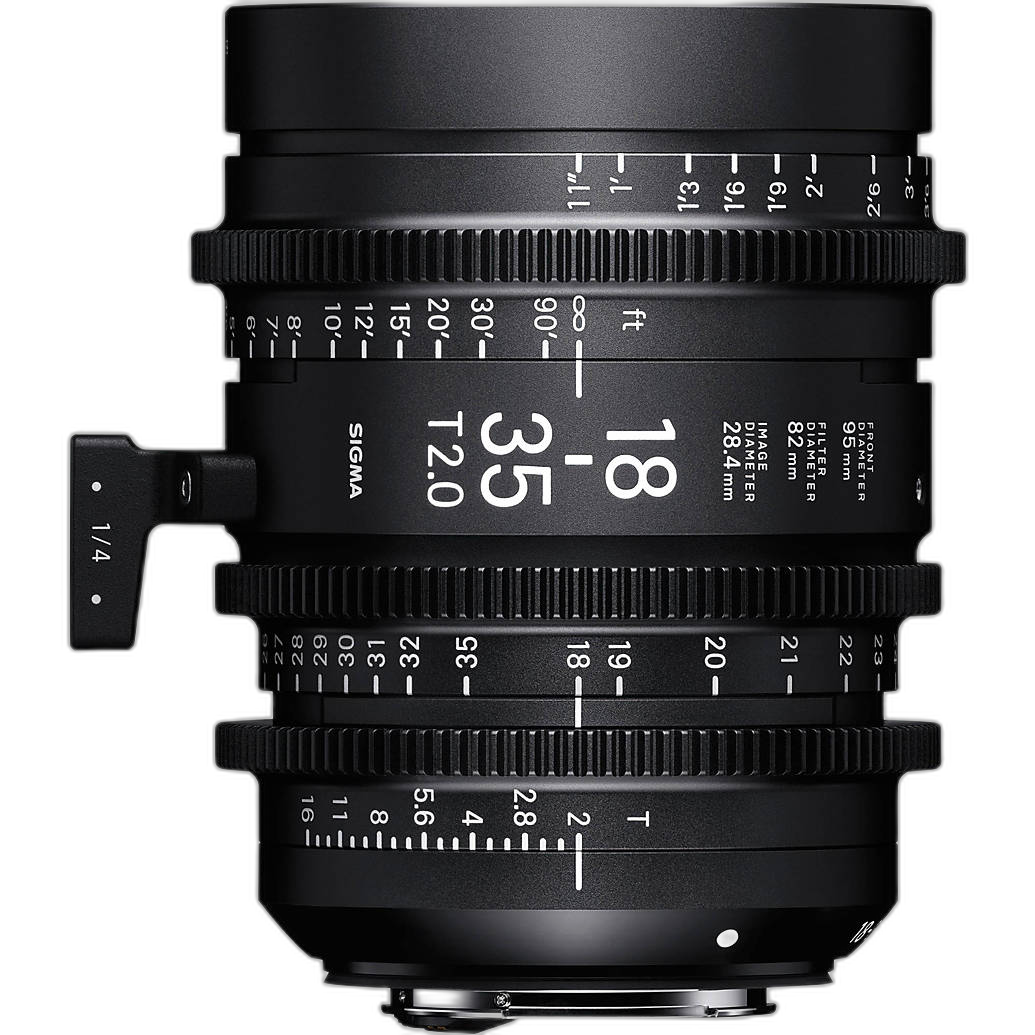
For dynamic storytelling, a parfocal zoom saves time and keeps framing fluid. The Sigma 18–35mm T2 Fully Luminous High-Speed Zoom (Canon EF) offers a bright T2, geared rings for controlled pulls, and readable markings for night work—ideal for gimbals or shoulder rigs when scenes evolve unpredictably.
Minimize your footprint: roll in light and sound, not stands and noise
Stealth is part of spontaneity. Keep rigs quiet and mobile; park lighting or an overhead mic on a reliable roller so crew stays out of the scene. A Kupo High Overhead Roller Stand lets you reposition overheads quickly and safely with minimal disruptions between takes.
Capture clean audio fast—even if it’s just a scratch
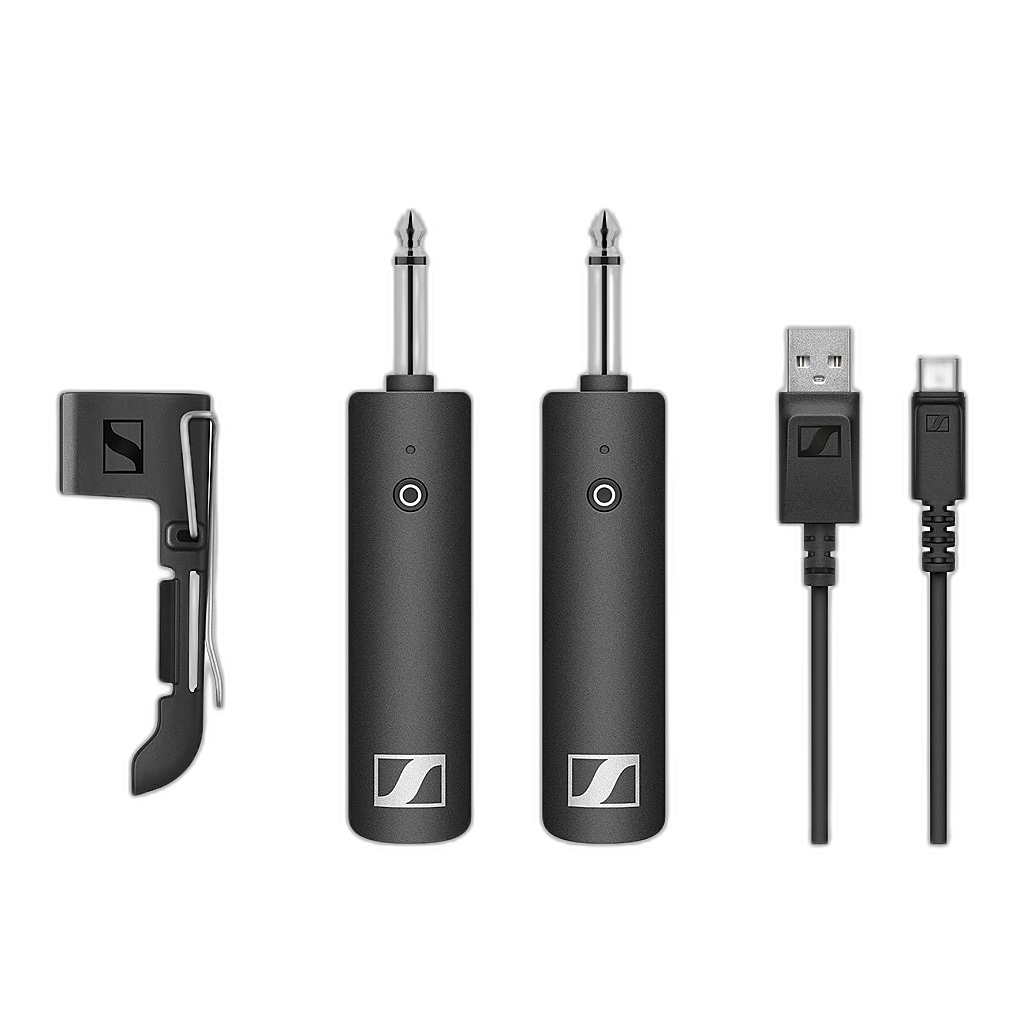
Spontaneous moments still need sync and context. The Sennheiser XSW‑D Instrument Base Set (2.4 GHz) can send a board feed or instrument signal wirelessly to camera for immediate scratch/reference audio when filming bands or performance scenes. Use the proper cables/attenuators to match levels, and slate or jam timecode when possible.
Silent mode and stabilization for “fly on the wall” moments
Enable silent shutter for quiet environments (test for rolling‑shutter artifacts on fast motion), and use IBIS with a mild digital stabilization crop only if it won’t soften the image. Assign a function button for quick toggles between fully silent and standard mechanical shutter during action scenes.
Grab quick to‑camera lines without breaking flow
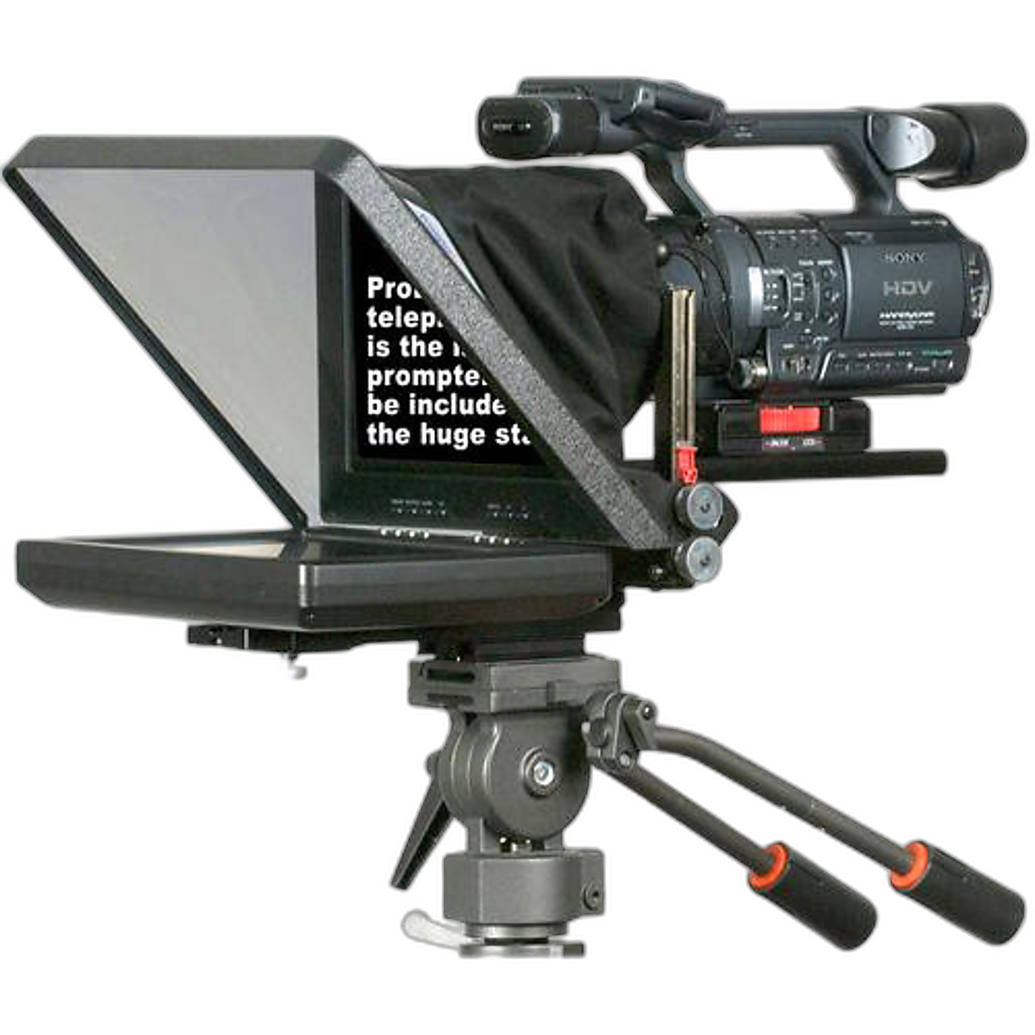
When spontaneity turns into a fast pickup interview or narration, a clear prompter can save minutes. A high‑bright teleprompter like the Prompter People PRO-15HB ProLine 15‑inch helps talent hit lines outdoors or under challenging light, preserving momentum between verité beats.
Lock reliability: custom modes, power, and media discipline
Create three custom banks (e.g., Docu/Daylight, Low Light/High ISO, High Frame Rate), and color‑label cards per bank. Use media redundancy for A‑camera, verify after lunch/battery swaps, and keep a spare, fully charged battery within immediate reach. Tape down rattling accessories, keep lens hoods on to reduce flare, and run a 10‑second test roll after major changes.
Final take
Spontaneous capture is about preparation that disappears once the camera is rolling. Dial in formats, exposure, AF behavior, and a compact kit that moves quietly with your story—and you’ll be ready when lightning strikes. Need help tailoring a fast, reliable setup for your production? Visit Unique Photo online or in store for expert guidance and gear that’s been tested on real sets.