Overview: What Really Wins in Photo Contests
Entering a popular photo contest isn’t just about having a great shot—it’s about delivering a complete, compelling package that grabs attention in seconds and holds it under scrutiny. In this review-style guide, we evaluate the strategies that consistently separate finalists from the pack, then pair those techniques with practical, contest-ready workflow upgrades you can implement right away. From idea development and composition to printing, presentation, and sequencing, consider this your candid, field-tested review of what works—and what doesn’t—when the stakes are high.
Key Techniques That Win Judges Over
Concept-first storytelling
Technical perfection won’t save a photograph that lacks a clear idea. Start with intent: what do you want the viewer to feel, and why does this image matter now? Build a simple creative brief (theme, emotion, and constraint), sketch a shot plan, and design decisive moments rather than fishing for happy accidents. Judges remember photographs that say one thing unmistakably well.
Originality and access
Distinctive access beats derivative technique. Seek locations, times, or processes that most entrants won’t have. Consider unusual field experiences—like capturing glowing minerals under UV light—to generate truly one-of-a-kind frames.

Technical excellence with restraint
Sharpness, exposure discipline, and clean files still matter—immensely. Calibrate your monitor, control noise, and keep color grades consistent across a series. Aim for processing that enhances intent without calling attention to itself. Judges reward invisible craft.
Composition that commands attention
In judging, images are scanned fast. Create immediate hierarchy with bold shapes, purposeful edges, and controlled negative space. If it doesn’t support the subject or story, crop or remove it. Consider how the image reads from six feet away and at postcard size; both matter.
Series cohesion vs. single-image impact
For series submissions, sequence with intent—begin with a hook, escalate tension, resolve with clarity. Use consistent color language and visual motifs. For single-image categories, simplify mercilessly: one subject, one emotion, zero ambiguity.
Presentation: Print choices and finishing
Print surface and finishing can elevate a strong photo into a winner on the wall. High-contrast, iridescent scenes often sing on metallic papers; subtle portraits may benefit from smoother, less reflective stocks. Soft proof, nail your borders, and keep label typography minimal and consistent.
Ethics, accuracy, and permissions
Stay within contest rules for compositing and retouching, secure necessary releases, and respect location restrictions. Disqualifications still happen for preventable mistakes—don’t let paperwork derail a great image.
Submission strategy and category fit
Study previous winners to understand each contest’s taste profile, then choose categories and captions accordingly. Follow file specs exactly, title thoughtfully, and proof every detail (including color space and sizing) before you upload.
Workflow and Gear Upgrades That Help You Place
Sharpen your eye with hands-on fieldwork
A focused day in the field can be the difference between a good photo and a standout. Macro and landscape intensives refine your attention to detail and composition in real conditions—skills that translate directly into contest results.
For truly unique subject matter, excursions that explore specialized techniques—like photographing fluorescent minerals under UV light—can deliver images other entrants simply don’t have.
Print like a finalist
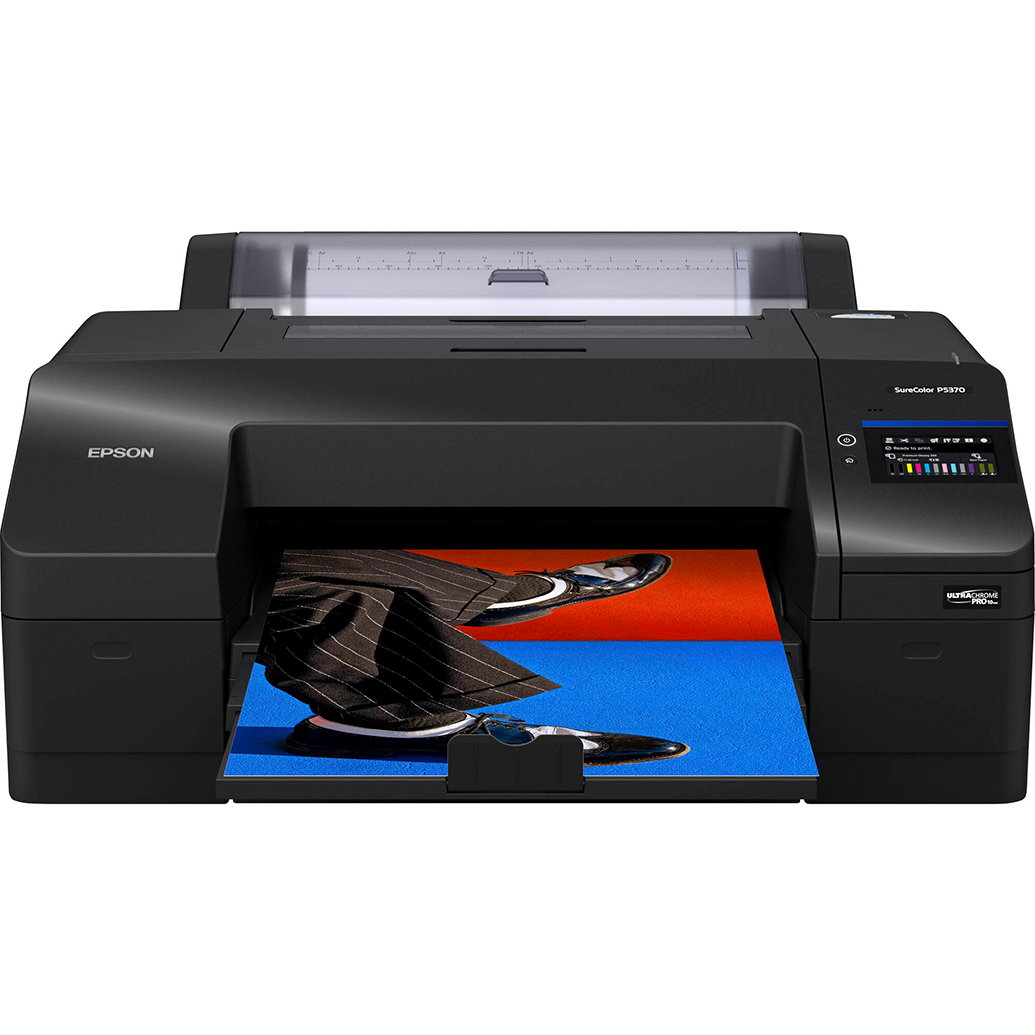
Judges and curators notice the print. A well-made 17-inch pigment print with accurate color and deep blacks communicates professionalism and confidence. Soft-proof diligently, test small, then commit to your exhibition-size master.
When your image calls for high-pop presentation and specular sheen, metallic inkjet papers deliver a distinctive, luminous look. Use them strategically for high-contrast or iridescent scenes where the surface amplifies your intent. Larger metallic rolls are ideal if you work with a partner lab or larger-format printer.
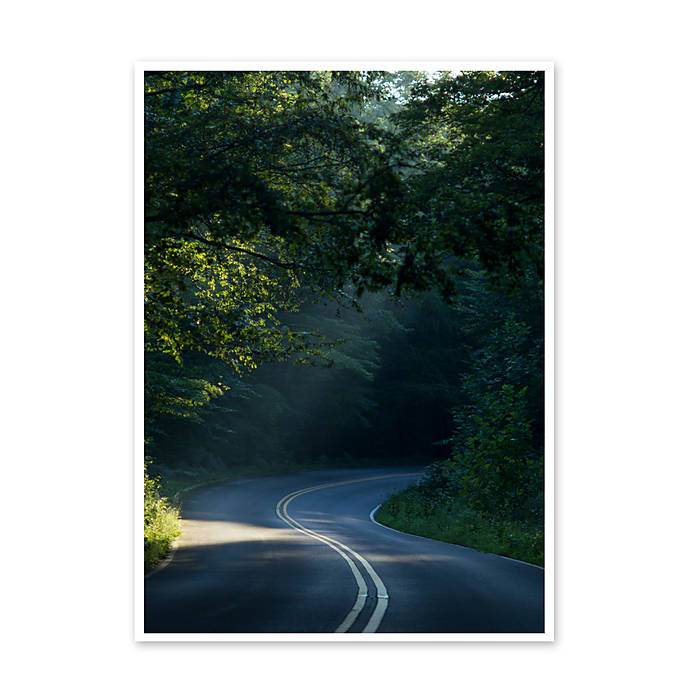
Before final prints, make in-hand test proofs to evaluate color, density, and sequence flow. Small glossy lab prints are quick, affordable, and invaluable for ruthless editing.
Edit and archive like a pro
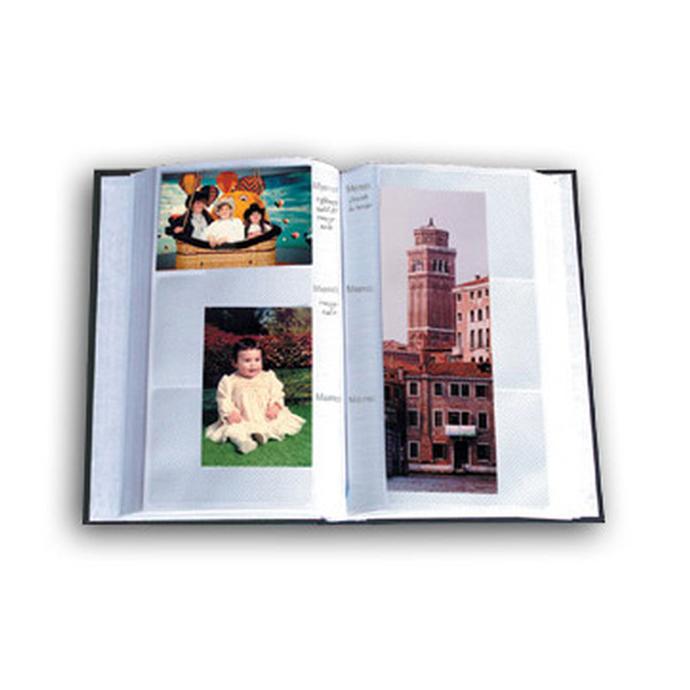
Great sequencing wins series categories. Keep a working, physical edit you can shuffle and annotate. A well-made 4x6 album becomes your tactile storyboard—easy to view, share, and refine without screen bias.
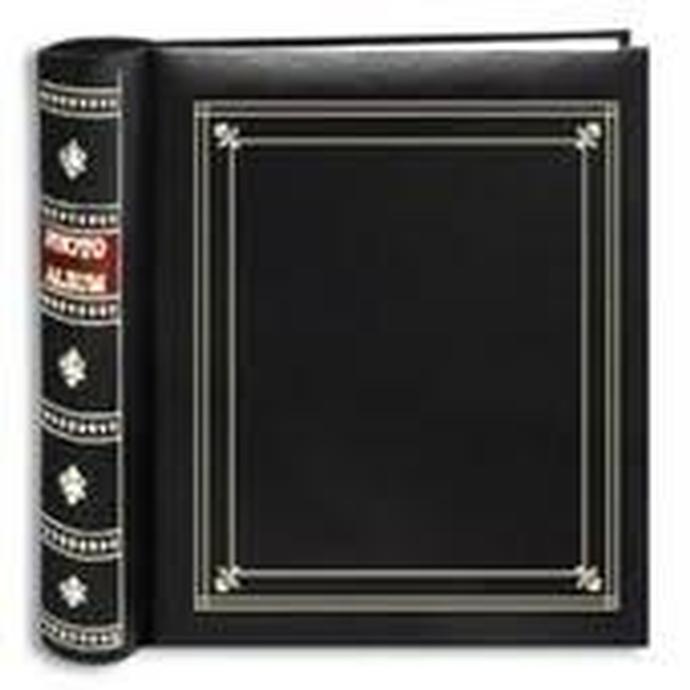
As your edit evolves, expand without chaos—add sleeves and keep only the strongest frames visible.
Pros and Cons of a Contest-Focused Workflow
- Pros: Clearer storytelling, stronger edits, professional presentation, better hit rate, and a reusable framework for future competitions.
- Cons: Time-intensive planning and curation, printing costs, potential for over-polishing, and temptation to chase trends over personal vision.
Verdict and Recommendation
Standing out in crowded photo contests demands more than a beautiful file—it requires a clear idea, authentic access, disciplined craft, and a polished presentation. Build from concept, seek subjects others don’t, compose with purpose, and print like you expect to win.
To accelerate that journey, combine hands-on learning with precise output and tactile editing: hone your skills in the field, proof on small lab prints, then deliver a final print that fits your image’s aesthetic—whether classic matte or a bold metallic surface. For the practical pieces of that workflow, Unique Photo has you covered: enroll in immersive Unique University experiences, produce reliable test prints through the Unique Photo Lab, craft gallery-ready output on a 17-inch pro printer, and manage your edits in a clean, expandable album. It’s a complete, contest-ready toolkit.
Shop and enroll at Unique Photo for the gear, papers, lab services, and courses that help you submit with confidence.