Outdoor portraits are rewarding—and tricky. Light changes by the minute, backgrounds can distract, and subjects rarely stay still. Whether you shoot with a mirrorless camera, DSLR, or smartphone, this guide from Unique Photo covers proven, real‑world settings and techniques so you can walk into any outdoor scenario with confidence.
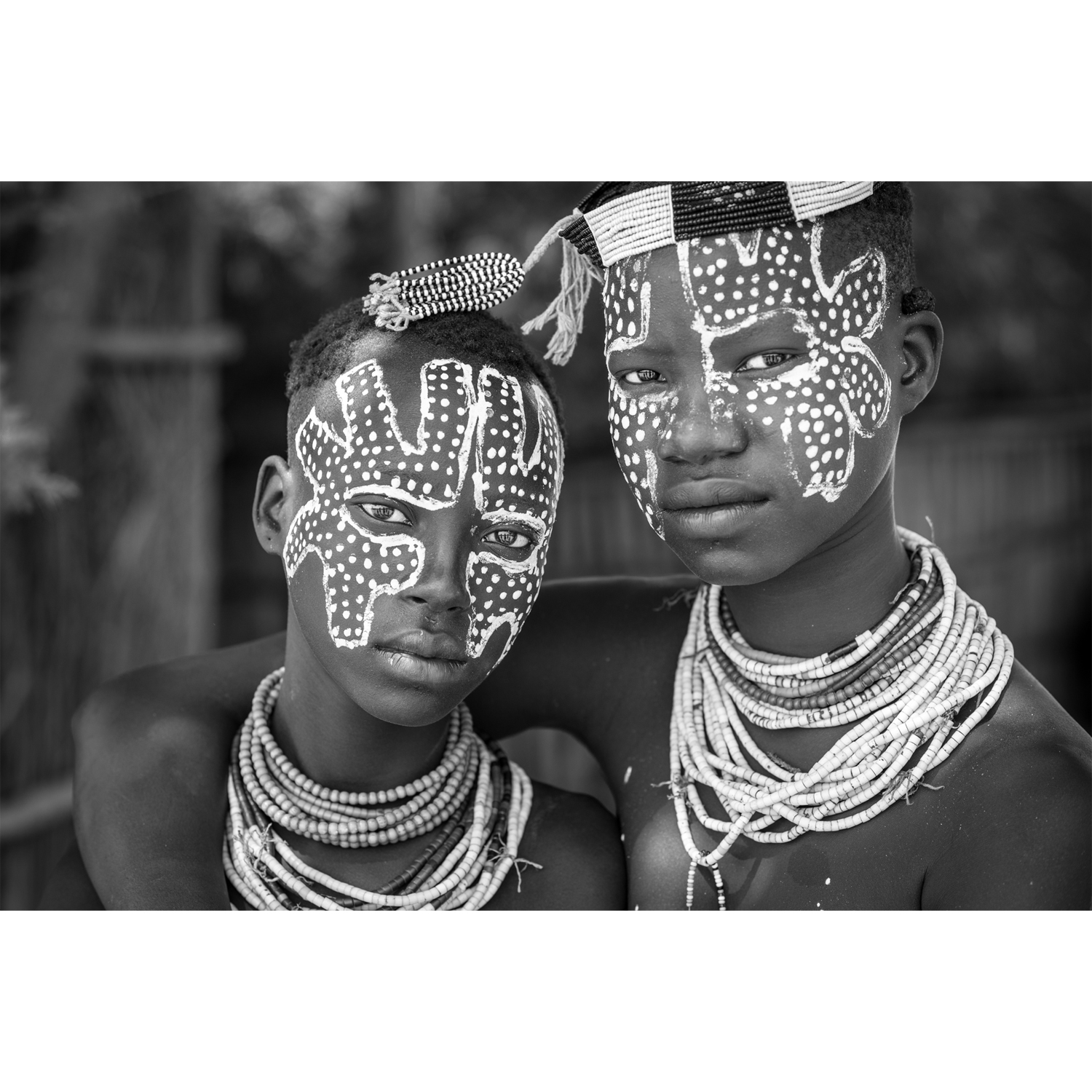
Best Camera Settings for Outdoor Portraits (Quick Start)
Use these foundation settings as a starting point and adjust for light and motion:
- Aperture: f/1.8–f/2.8 for single-subject blur; f/4–f/5.6 for couples/groups.
- Shutter speed: 1/500–1/1000 sec for crisp subjects; 1/250 sec if using flash near your camera’s sync speed.
- ISO: Keep at ISO 100–400 in bright light; raise to 800–1600 in shade or dusk.
- White balance: Daylight 5200K in sun; Shade 6500–7000K under trees or in open shade for warmer skin tones.
- Focus: Eye AF (Continuous/AF-C). If no Eye AF, Single-point AF on the lead eye.
- Drive: Low burst for kids/pets; single shot for posed portraits.
- File format: RAW for maximum latitude; RAW+JPEG if you need quick proofs.
- Metering: Face-priority or spot/center-weighted on the face; use exposure compensation when needed.
Golden Hour Portrait Settings (Soft, Warm Light)
Golden hour gives flattering light and forgiving contrast.
- Typical recipe: f/2–f/2.8, 1/800–1/2000 sec, ISO 100–200, WB ~5200K–5800K.
- Place the sun behind or 45° to the subject for a glow; expose for the face and add a touch of fill if needed.
- Use a longer lens (85–135mm) to compress the background for creamy bokeh.
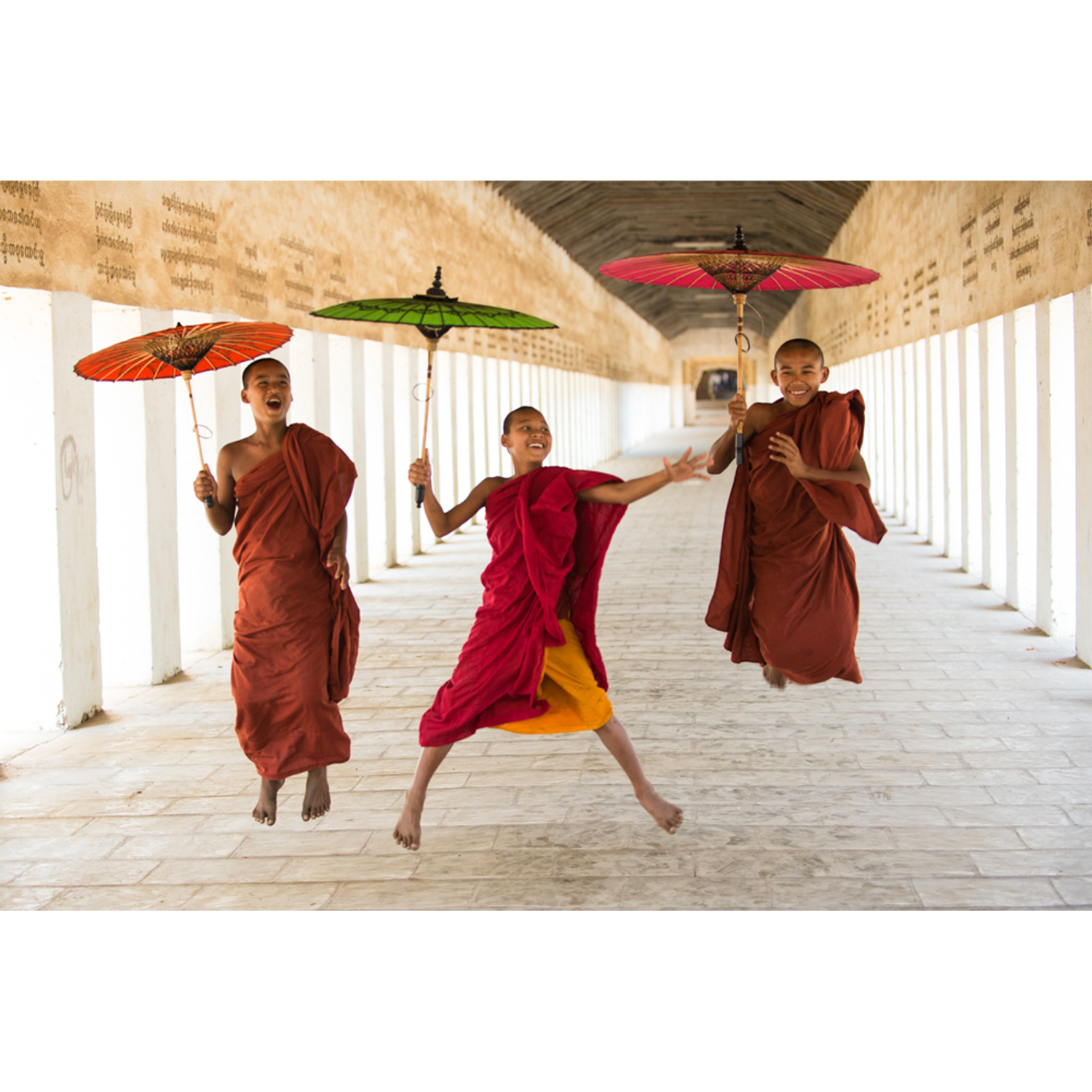
Midday Sun & Harsh Light Settings (Taming Contrast)
Midday sun creates deep shadows and squints. Soften or redirect it.
- Find open shade or create it with a diffuser; position the subject so the brightest area is behind them.
- Without flash: f/2.8, 1/2000–1/4000 sec, ISO 100. WB Daylight 5200K; add +0.3 to +0.7 EV if faces look dark.
- With HSS flash: f/2.8, 1/2000 sec, ISO 100, TTL fill −1.0 EV (or Manual 1/16–1/8 power) to lift shadows.
- No HSS? Add a 3‑stop ND and shoot at 1/250 sec (sync speed) with flash.
Backlit Portrait Settings (Sun Behind the Subject)
Backlight creates dreamy rims and separation, but can fool your meter.
- Spot meter on the face or use Face Detect and add +0.7 to +1.3 EV.
- Settings: f/2–f/2.8, 1/1000 sec, ISO 100–200. If the sky blows out, prioritize the skin and let highlights go—or add fill.
- Fill options: TTL flash −1.0 EV, or a white reflector just off-axis to bounce light into the eyes.
Outdoor Flash for Portraits (Natural-Looking Fill)
Flash should look invisible outdoors—like better sunlight.
- Match ambient exposure first, then add flash for subtle lift (−1.0 to −2.0 EV in TTL).
- Keep shutter below sync speed unless using HSS; adjust flash power to taste.
- Use a small softbox or bounce into a reflector for softer light; avoid on-axis, bare flash when possible.
- Color match: If under shade with green cast, set WB to Shade and gel your flash slightly warm (1/4 CTO) for cohesive tone.
Lens Choices & Focal Lengths for Flattering Outdoor Portraits
- 85mm prime: Classic headshots with compressive, flattering perspective.
- 70–200mm: Flexible framing and gorgeous background blur from f/2.8–f/4.
- 50mm: Versatile for half-body and environmental portraits; watch edges for distortion up close.
- 35mm: Tell the story of place—step back to avoid facial distortion.

Autofocus & Drive Mode Tips for Outdoor People Photography
- Enable Eye AF (human), AF-C for moving subjects, AF-S for static poses.
- Use a small zone or single point; place it over the near eye.
- Drive: Low or medium burst for kids, athletes, and candid moments. Review keepers between sequences.
- Turn on highlight zebras or use the histogram to protect skin tones.
iPhone & Smartphone Portrait Settings Outdoors
Great portraits aren’t limited to dedicated cameras. Optimize your phone:
- Use Portrait mode; choose the 2× (tele) lens for more flattering perspective.
- Tap to focus on the eye; slide exposure down slightly to preserve highlights.
- Adjust the f‑stop slider (e.g., f/2.8–f/4) to keep both eyes sharp.
- HDR: On in high-contrast scenes; off in soft light for a more natural look.
- Shoot during golden hour or in open shade for best skin tones.

Travel & Environmental Portrait Settings (Tell the Story of Place)
Balance subject and surroundings for narrative portraits on the road.
- Aperture: f/2.8 for subject emphasis; f/4–f/5.6 when you want context sharper.
- Shutter: 1/500 sec for hand-held sharpness; raise ISO as needed.
- Meter for the face; use exposure lock or manual to hold consistency across a series.
- Ask permission when appropriate; keep settings simple so you can focus on connection.
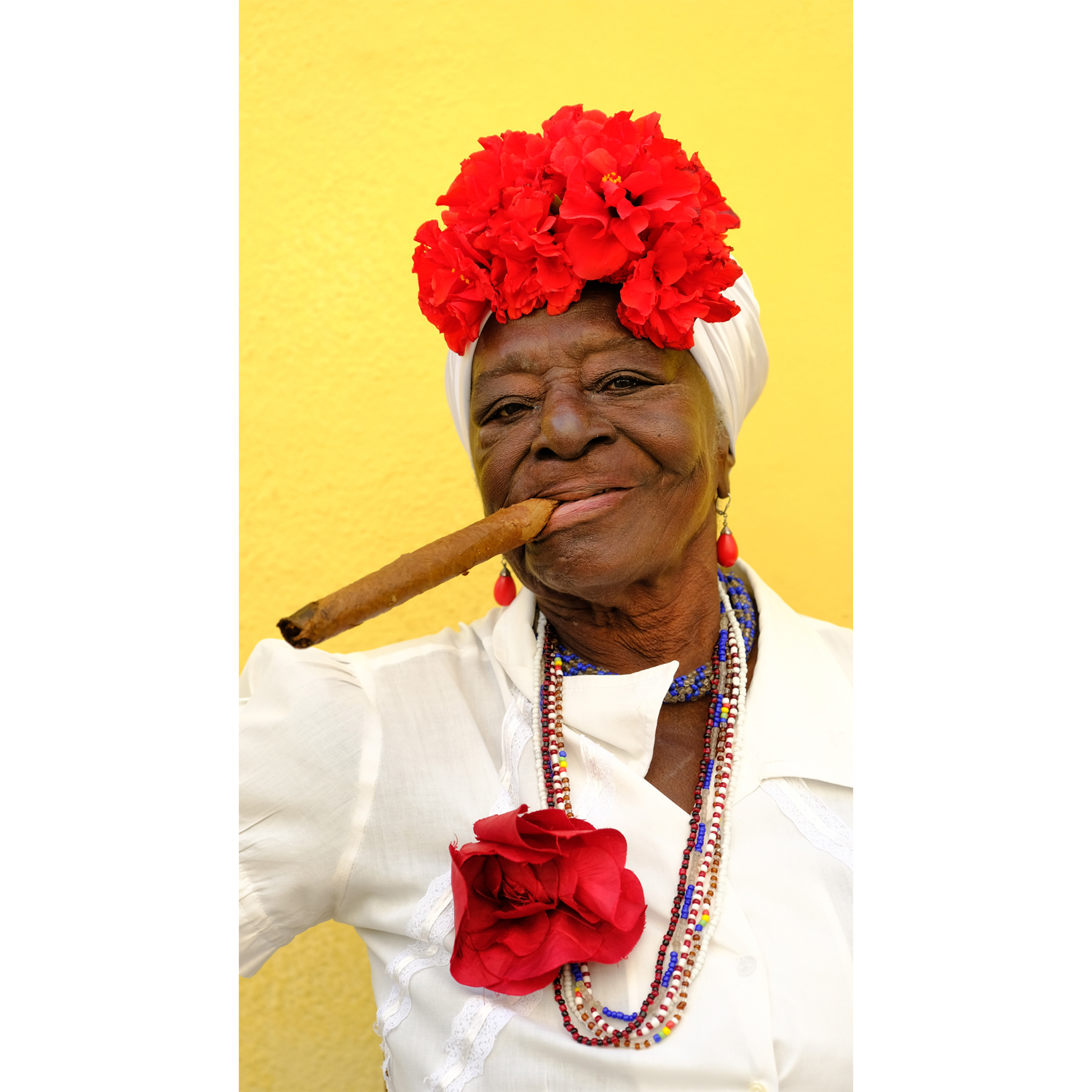
Children’s Outdoor Portrait Settings (Fast & Fun)
- Shutter: 1/1000–1/2000 sec to freeze motion; AF-C with Eye/Face Detect.
- Aperture: f/2–f/2.8 for dreamy isolation; f/4 if more depth is needed.
- ISO: 200–800 depending on light; don’t be afraid to raise ISO to keep shutter speed high.
- Drive: Medium burst; anticipate moments rather than spray-and-pray.

Motion, Music & Creative Blur
Incorporate movement for dynamic portraits—hair flips, fabric, or environmental elements like water and leaves.
- Settings: f/2.8–f/4, 1/15–1/60 sec for controlled blur; pan with your subject.
- Use rear-curtain sync flash to freeze the face while streaking ambient highlights.

Quick Outdoor Portrait Settings Cheat Sheet
- Open shade single subject: f/2–f/2.8, 1/500 sec, ISO 200, WB Shade, +0.3 EV.
- Golden hour backlight: f/2, 1/1000 sec, ISO 100, spot meter on face, +1.0 EV (or TTL fill −1.0 EV).
- Midday sun with HSS: f/2.8, 1/2000 sec, ISO 100, TTL fill −1.0 EV.
- Groups outdoors: f/4–f/5.6, 1/400 sec, ISO 200, WB Daylight.
- Kids in motion: f/2.8, 1/1000–1/2000 sec, ISO 400–800, AF-C, burst.
Common Outdoor Portrait Mistakes (and Fast Fixes)
- Dull eyes: Rotate your subject until you see catchlights; add a reflector or subtle flash.
- Blown highlights: Lower exposure by −0.3 to −1.0 EV, or use spot meter on the face and recover highlights from RAW.
- Green/magenta color casts: Switch WB to Shade/Cloudy; use a warm gel on flash; correct tint in post.
- Soft images at wide apertures: Use Eye AF; increase shutter speed; stop down to f/2.8–f/3.2 if needed.
Practice with Unique Photo’s Unique University
Hands-on learning accelerates results. Unique Photo’s Unique University offers workshops that put these settings into practice with expert guidance, models, and lighting on set.
- Stunning Portraits Workshop with David Maynard and ExpoImaging: Master light shaping and flattering skin.
- NJCS: Travel Portraits with Bobbi Lane: Elevate environmental portrait storytelling on location.
- EXPO: Bold and Beautiful Fashion Portraits with Joe Edelman: Pose, style, and light for impactful outdoor fashion looks.
- EXPO: Portraits in Motion with Suzette Allen: Blend motion techniques for dynamic results.
- PCS: Children’s Holiday Portraits Outdoor Shoot with Meg Loeks: Fast-shutter strategies and natural light in family sessions.
- EXPO: Musical Portraits Live Shoot with Jesse Korman: Creative concepts and performance energy in portraits.
- EXPO: Creative Children’s Sports Portraits with Dani Mack: Action-forward lighting and timing outdoors.

Conclusion & Internal Linking Suggestions
Great outdoor portraits come from intentional exposure, thoughtful light control, and consistent focus on eyes and expression. Start with the settings above, refine with the histogram and test frames, then add subtle fill or reflectors for polish. When you’re ready to go deeper, visit Unique Photo—our experts can help you choose lenses, lighting, and modifiers that fit your style, and our Unique University workshops offer real-world practice with pro feedback.
Internal linking suggestions for this article:
- Unique University classes and workshops (Portraits category)
- Reflectors and diffusers (light control for outdoors)
- Speedlights and portable strobes (on-/off-camera flash)
- Portrait lenses (85mm primes, 50mm, 70–200mm)
- ND filters (manage bright light at wide apertures)
- Tripods/monopods (stability for environmental portraits)
- Memory cards and storage (reliable workflow)