Why International Photo Contests Matter
Entering reputable international photography contests can sharpen your craft, benchmark your work against a global field, and grow your reputation through exhibitions, catalogs, and press. The key is choosing the right contests and submitting like a pro—without falling for rights grabs or low‑value schemes.
Top Recommendations and How to Enter Smart
1) Start with trusted global contests
Begin with established competitions known for clear rules, strong juries, and public-facing winner galleries. A non-exhaustive list of respected options:
- Sony World Photography Awards (World Photography Organisation)
- Nikon Photo Contest
- International Photography Awards (IPA, Lucie Foundation)
- Siena International Photo Awards (SIPA)
- Wildlife Photographer of the Year (Natural History Museum, London)
- Astronomy Photographer of the Year (Royal Observatory Greenwich)
- Hasselblad Masters
- World Press Photo Contest (for photojournalism)
- Red Bull Illume (action/adventure sports)
- Bird Photographer of the Year (BPOTY)
- Comedy Wildlife Photography Awards
Always verify current eligibility, categories, and deadlines on official sites before you begin.
2) Read the fine print—rights, usage, and fees
Stick with contests that request limited, non‑exclusive usage tied to the competition (exhibitions, catalogs, web features). Be wary of broad, perpetual rights or commercial sublicensing without compensation. Budget your entry fees—reputable contests are transparent about costs and what you receive (exposure, feedback, exhibitions, awards).
3) Match your strengths to the right categories and themes
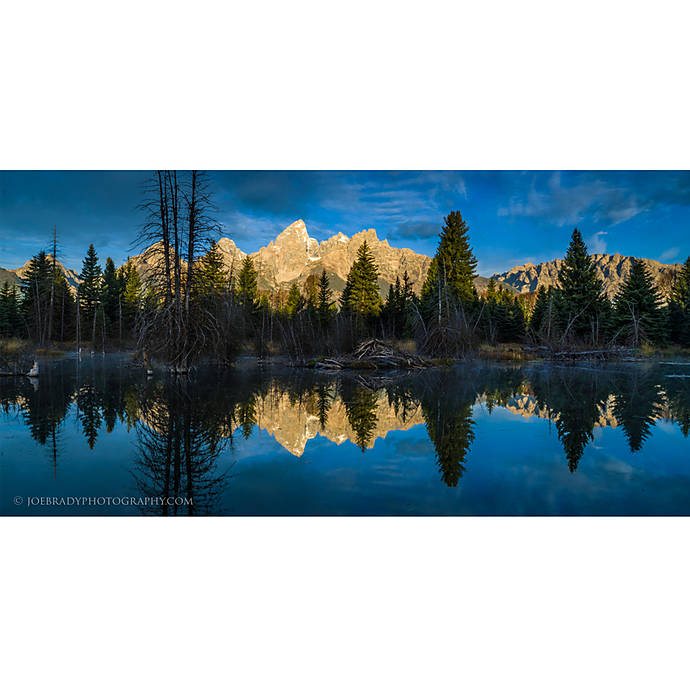
Shortlist contests and categories that fit your portfolio. Build a focused edit for each theme and avoid scattershot entries. If you’re targeting landscape or macro categories, field practice matters—regional workshops are a great way to refine compositions before you submit. For example, on-location intensives like Macro and Landscape Photography at Duke Farms can help you tune technique and storytelling before you shoot your final entries.
4) Polish your post-production for consistency and impact
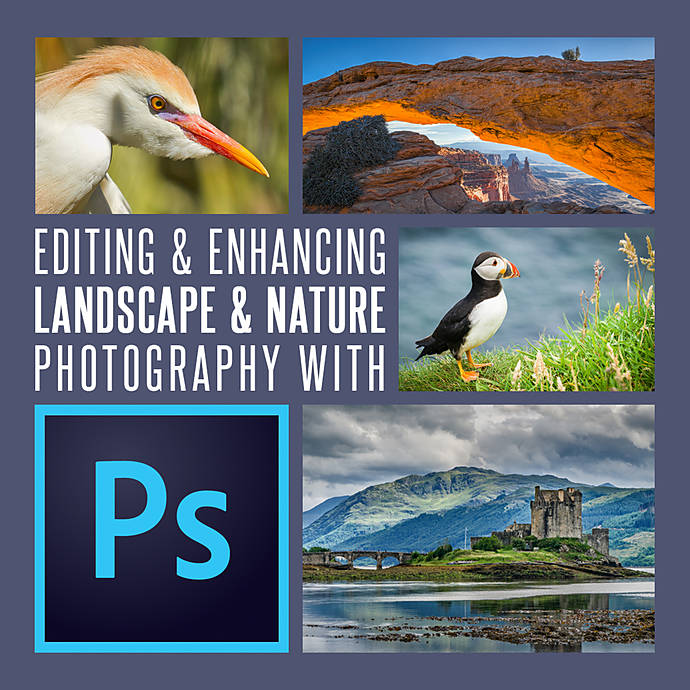
Jurors notice clean, consistent edits. Standardize color, contrast, and white balance across a series; avoid heavy-handed processing that risks disqualification in documentary categories. If landscapes and nature are your focus, a dedicated workflow class helps you refine files specifically for judging environments and print/exhibit output, such as Editing and Enhancing Landscape and Nature Photography with Photoshop.
5) Tell a story—captions and sequencing count
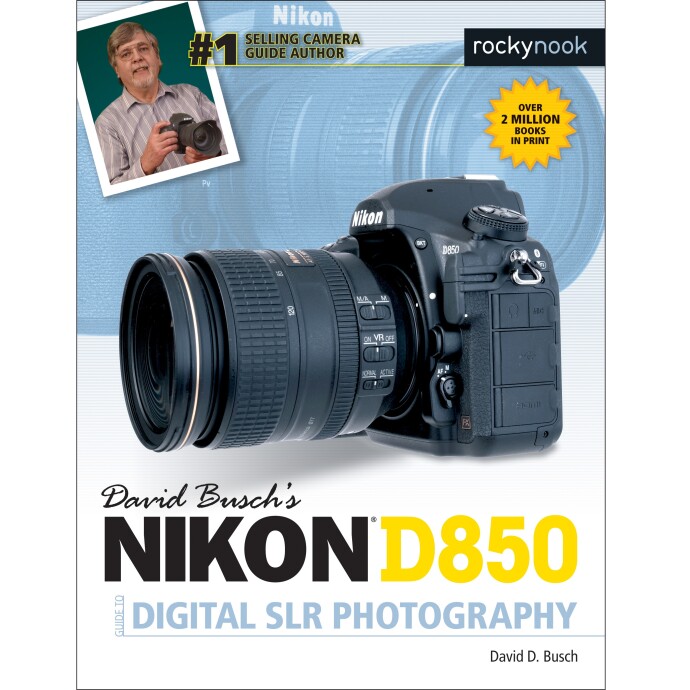
For series-based contests (IPA, World Press Photo, Hasselblad Masters), build a coherent narrative: opener, development, climax, closer. Keep captions factual and concise; include locations, dates, and relevant identifiers. Technical fluency helps you focus on storytelling in the field—reference guides like Nikon D850 Guide to Digital SLR Photography by David Busch to make camera operation second nature.
6) Nail the specs to avoid disqualification
Follow the contest’s exact rules for file type, size, color space, and naming. Common requirements: sRGB JPEGs for initial rounds, specific pixel dimensions, no watermarks or borders, and RAW files on request. Keep a pristine master archive and export per each contest’s specs to prevent last-minute scrambling.
7) Build a calendar and budget plan
Track early-bird rates, final deadlines, category fees, and required releases. A simple spreadsheet (contest, categories, costs, image set, status) keeps you organized and reduces rework. Prioritize a handful of high‑fit contests over many low‑fit entries.
8) Prepare for genre-specific standards
Targeted training pays off for specialized contests:
- Astrophotography (e.g., Astronomy Photographer of the Year): Master capture planning, tracking, stacking, and natural-looking processing. A focused learning path—like UUOnline: Astrophotography 4-Part Series with Temu Nana—can dramatically improve signal-to-noise and composition in night‑sky work.

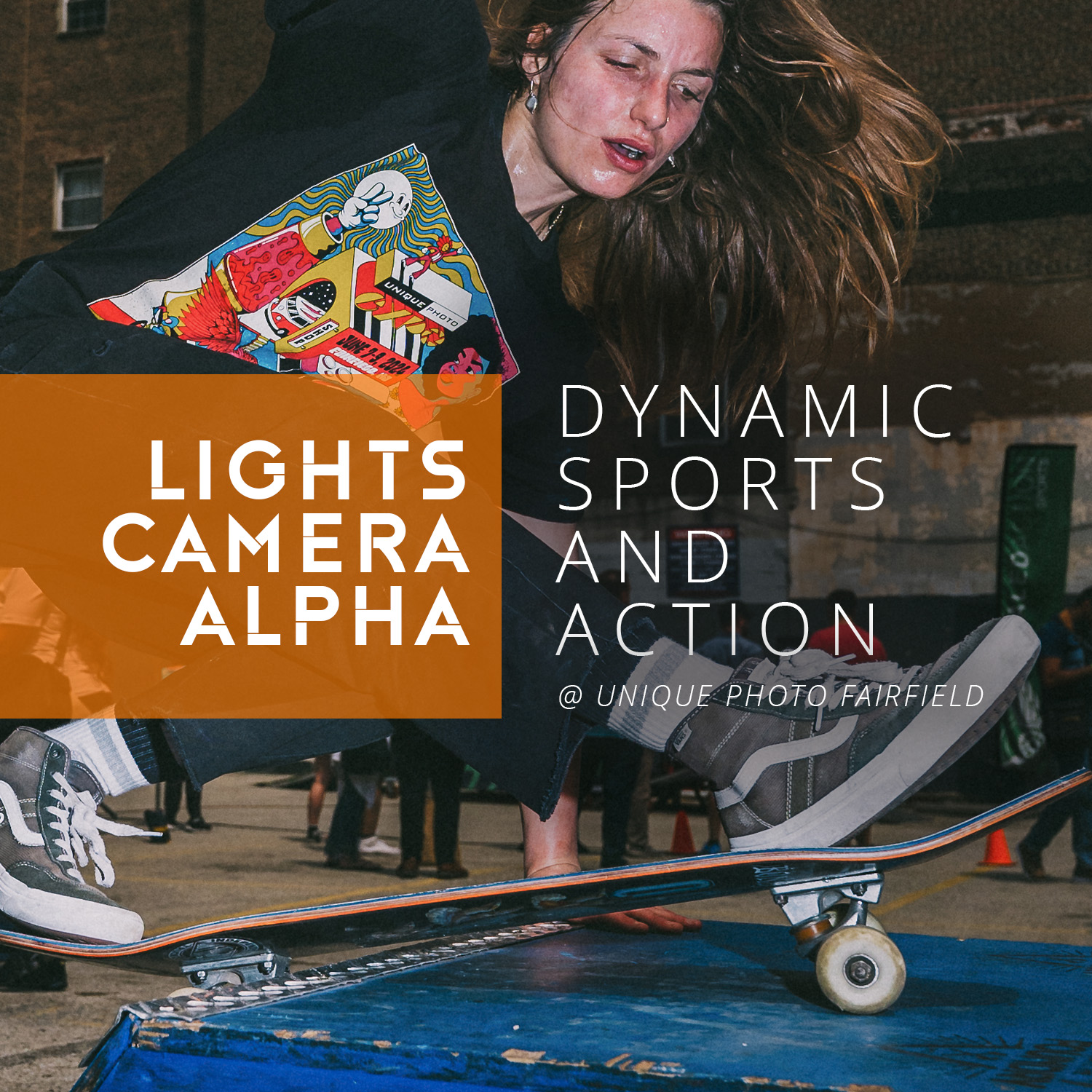
- Action/Adventure (e.g., Red Bull Illume): Refine timing, AF settings, and dynamic compositions. Workshops such as Lights, Camera, ALPHA: Dynamic Sports and Action Photography (Sony) help you practice high‑speed techniques safely with guided feedback.
- Product/Still Life (often a category in IPA or Hasselblad Masters): Precision lighting and post are critical. Consider a hands‑on class like Product Photography and Post Production Editing with Blake Taylor to level up your studio control and retouching.

9) Study winners and request feedback
Analyze past winning sets: pacing, lighting, moment, and tonality. Some contests offer reviews or juror notes—use them to iterate. Re-edit and re-sequence; a strong series evolves over time.
10) Protect yourself from scams
Red flags: vague organizers, unclear juries, no public archives of winners, rights grabs, and aggressive upselling. When in doubt, choose the reputable list in tip #1 and verify all details directly on official pages.
Final Thoughts
Pick contests that fit your voice, present your work cleanly, and keep learning between submission cycles. When you’re ready to sharpen technique or polish post, Unique Photo’s classes, events, and guides can help you submit with confidence. Good luck—and see you on the winner’s list.