How to Choose a Lightweight Travel Camera Setup
A great lightweight travel camera setup balances image quality, portability, battery life, and comfort. Whether you are flying internationally, packing for a weekend city break, or building a simple carry-on kit, the goal is to travel light without sacrificing the photos and video you want to bring home. At Unique Photo, many travelers look for compact gear strategies that reduce fatigue while still covering landscapes, street photography, food, portraits, and casual video.
When choosing a travel-friendly setup, focus on four essentials: a compact camera body, one or two versatile lenses, a comfortable strap, and minimal accessories that solve real problems. The best lightweight travel camera setup is not necessarily the smallest possible kit. It is the one you will actually want to carry all day.
Travelers should also think about how they shoot. If you mostly photograph daytime city scenes, a small body with a standard zoom may be enough. If you love low-light interiors or evening street photography, a fast prime lens can keep your bag light while improving performance. If you shoot travel video, you may want a few rigging accessories, but keeping your setup modular is key.
Best Lightweight Travel Camera Kit Essentials
Most lightweight travel kits work best when built around a simple core:
- A compact mirrorless or fixed-lens camera body
- One all-purpose lens or a two-lens combo
- A slim, comfortable camera strap
- Extra power or charging support
- A small protective bag with room for passport, phone, and batteries
Accessories should earn their place in your bag. For example, a comfortable strap can make a larger difference than an extra lens because it determines whether the camera stays accessible all day. A travel strap like the PGYTECH Camera Strap Slim - Vintage-Olive Green is the kind of accessory many travelers appreciate because it supports all-day carry without adding bulk.
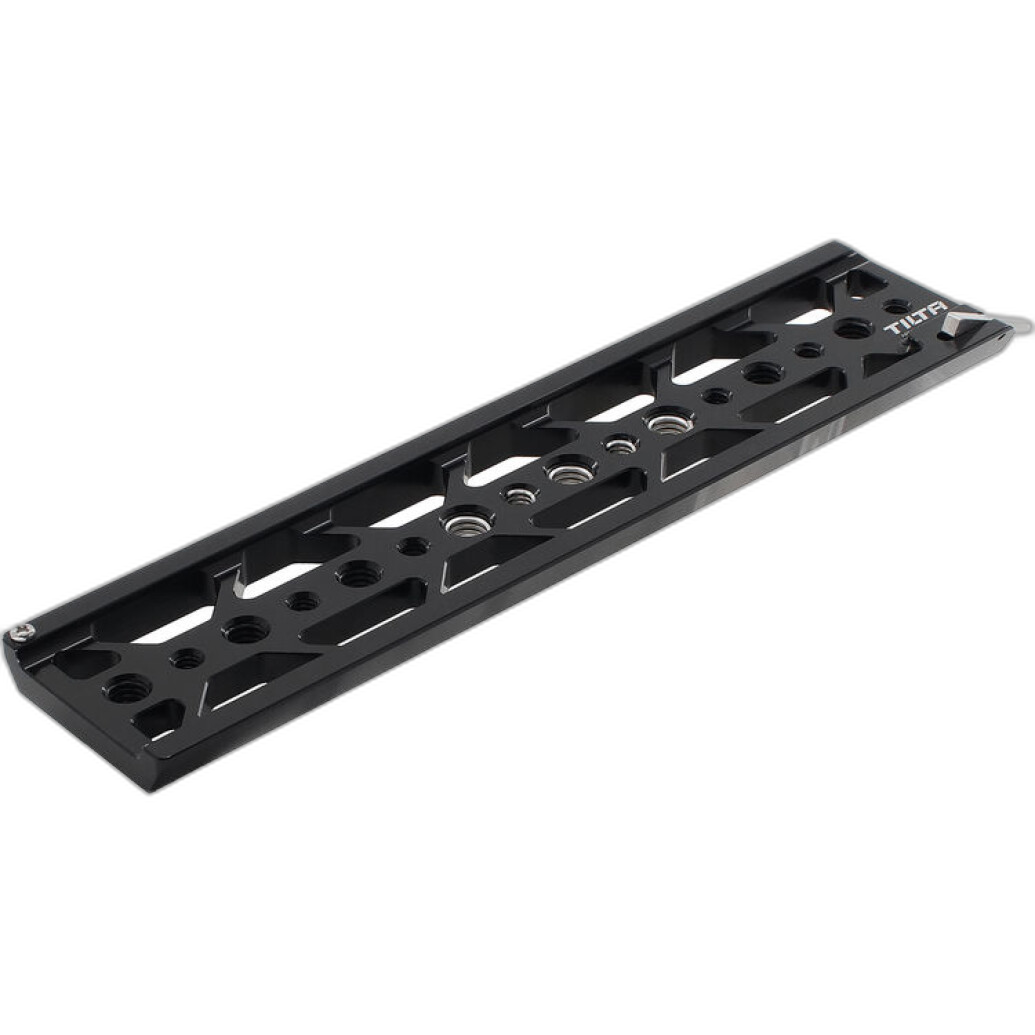
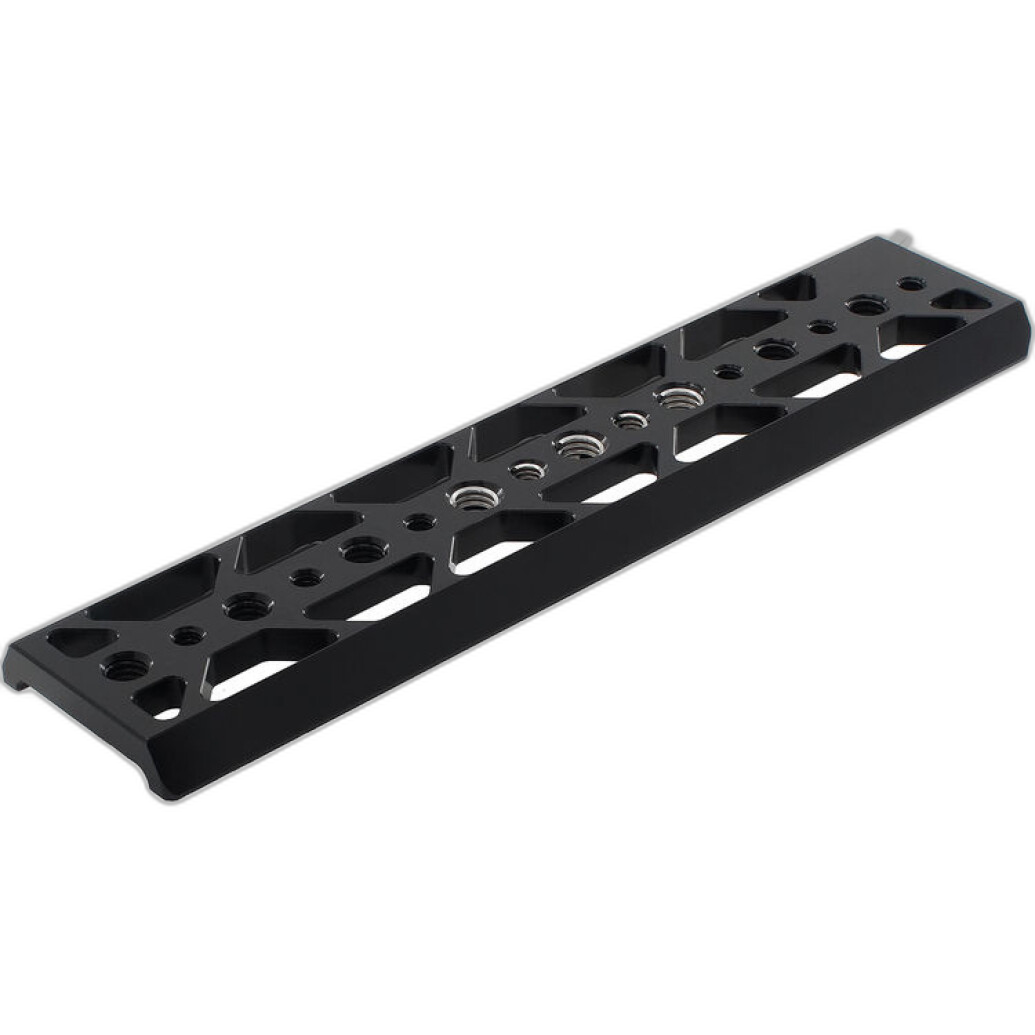
For filmmakers and hybrid shooters who need a lightweight but expandable rig, compact support accessories can help maintain balance without building a heavy cinema package. The Tilta 10 Lightweight Dovetail Plate (Black) is one example of a rigging component that may suit travelers putting together a pared-down video setup.
What Makes a Camera Setup Good for Travel?
The best camera setup for travel should be easy to carry from morning to night. Weight matters, but so does how that weight is distributed. A smaller body with a poorly designed strap can feel worse than a slightly larger camera worn comfortably across the body. That is why many experienced travelers shop with practical use in mind, and why Unique Photo often recommends thinking about ergonomics before adding more gear.
Here are the qualities that matter most:
- Compact size: Easier to fit in a day bag or personal item
- Versatile focal range: Lets you shoot more without changing lenses often
- Reliable battery options: Essential for long sightseeing days
- Discreet appearance: Helpful for street photography and crowded destinations
- Fast access: Keeps the camera ready so you do not miss moments
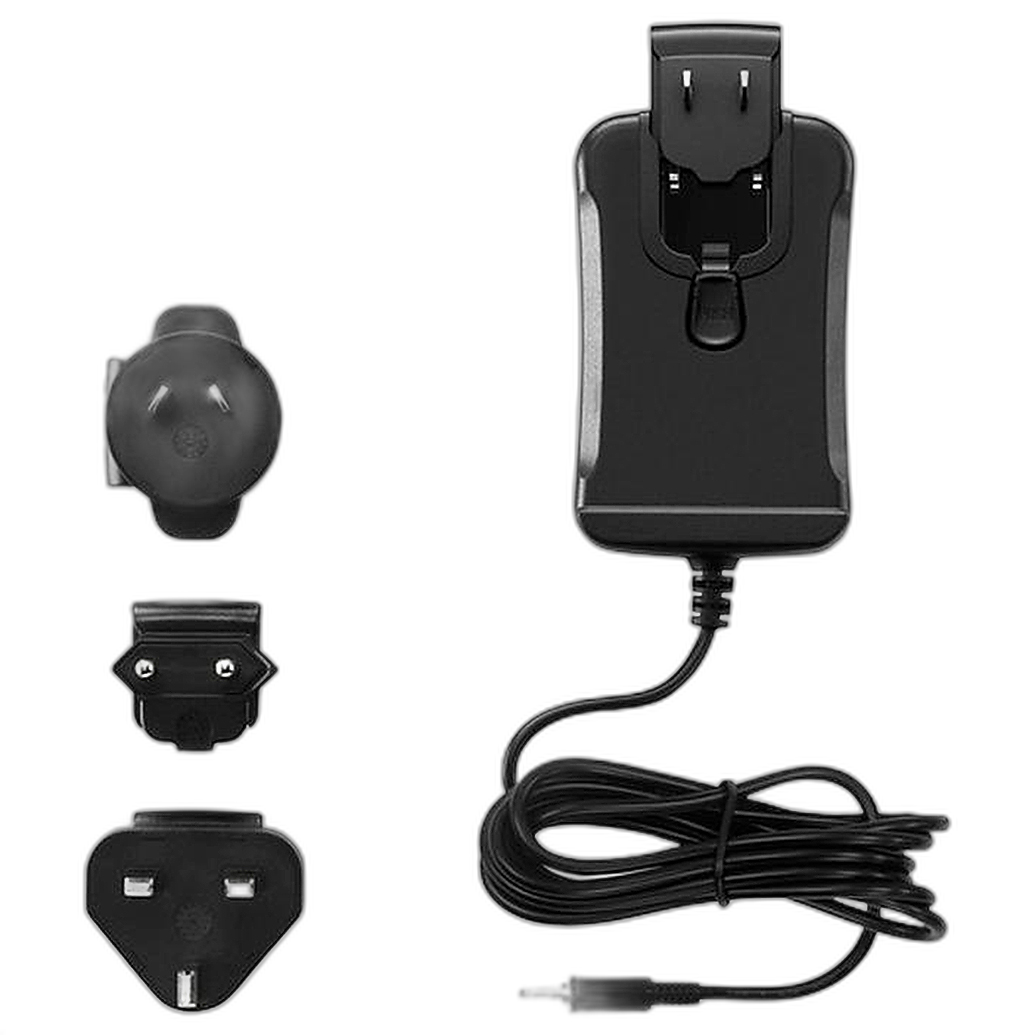
Travel also introduces power challenges. If you are shooting lots of video or traveling with a cinema-focused compact camera, dependable power accessories matter. The Blackmagic Design Power Supply for Pocket Cinema Camera is relevant for users building a lightweight Blackmagic travel kit around charging and backup power planning.
Recommended Lightweight Travel Camera Setup Ideas
There is no single best travel camera kit for everyone, but these setup styles work well for many photographers and creators.
1. Minimalist City Travel Setup
This setup is ideal for walking tours, museums, cafes, and street photography. Pair a compact camera with one small prime or collapsible zoom, add a slim strap, and keep accessories to a minimum. This is one of the easiest ways to stay mobile in crowded destinations.
A slim strap such as the PGYTECH Camera Strap Slim - Vintage-Olive Green complements this kind of kit well because it helps maintain a low-profile carry style. The goal here is comfort, speed, and discretion.
2. One-Lens Do-It-All Travel Setup
If you do not want to think about lens changes, build your kit around a versatile standard zoom or superzoom. This is often the best lightweight camera setup for family trips, sightseeing, and general vacation photography. You lose some low-light performance compared to a fast prime, but the convenience is hard to beat.
Travelers often prefer this approach when packing for flights because it reduces both weight and decision fatigue. At Unique Photo, many customers building their first travel kit start here and add only one extra accessory: a better strap.
3. Lightweight Travel Video Setup
Content creators and vloggers need a slightly different setup. A compact body, one wide lens, one small microphone, and only the rig pieces you truly need can create a capable travel video package. Keeping the rig modular is important. Instead of traveling with a full studio build, use lightweight support hardware that can adapt when needed.
The Tilta 10 Lightweight Dovetail Plate (Black) may fit into a streamlined rig configuration where quick setup and reduced weight are priorities.
4. Film Travel Camera Setup
Some travelers prefer the experience and look of film. A lightweight film travel setup can be a rewarding choice when the pace of the trip allows for more intentional shooting. Unique Photo also serves film enthusiasts, and used camera options can add personality to a travel kit.
For example, the Used Polaroid SX-70 Alpha 1 Camera W/ Close up kit - Good could appeal to instant film travelers who want memorable keepsakes from a trip. The Used Ermanox Ernemann Camera With 100MM F/2 - As Is *Needs Shutter Replaceme is more of a specialty or collector-oriented piece than a practical lightweight travel recommendation, but it highlights the diversity of camera interests among travelers shopping used gear.
How to Pack a Travel Camera Bag Without Overpacking
One of the best ways to improve your travel setup is to remove unnecessary items. Many photographers carry backup accessories they never use. A strong packing strategy can make almost any camera system feel lighter.
Try this travel camera packing checklist:
- Camera body
- One main lens
- Optional second lens only if it fills a real gap
- One extra battery or charging solution
- Memory cards in a slim case
- Lightweight strap
- Lens cloth
- Compact weather protection if needed
Avoid carrying full-size accessories when smaller options will do. Also consider your itinerary. If one day is devoted to hiking and another to city sightseeing, you may not need the same setup for both. Building a flexible travel kit is often smarter than creating one oversized solution for every scenario.
Travel Camera Accessories That Add Utility Without Much Weight
The right accessories should improve comfort or reliability without noticeably increasing bag weight. A few smart additions can make your travel photography much easier:
- Slim camera strap: Useful for all-day carry and quick access
- Power supply or compact charger: Important for hybrid and video users
- Light rigging accessory: Helpful for creators using cages or modular builds
- Warranty coverage: Valuable for protecting major gear purchases before travel
Protection is another part of travel planning that often gets overlooked. If you travel with higher-end gear, service plans and warranty options can offer peace of mind. Products such as the RED Extended Warranty - KOMODO-X (Within 6 to 12 Months of Camera Purchase) and Nikon Care 2-Year Camera Warranty between 5001 and 6000 may be relevant depending on your system and budget. These are not weight-saving accessories, but they are practical considerations for frequent travelers who depend on their gear.

Tips for Building the Best Lightweight Travel Photography Setup
If you want your travel kit to stay truly lightweight, use these guidelines:
- Choose lenses by trip, not by habit. Pack for what you will actually shoot.
- Keep the camera accessible. A camera buried in a bag captures fewer moments.
- Prioritize comfort. A quality strap can transform the experience.
- Bring power with intention. Match your charger and power accessories to your shooting style.
- Test the full kit before departure. Walk around with it for an hour to check comfort and balance.
Many travel photographers discover that the lightest possible setup is not always the most effective. A tiny camera with awkward controls may slow you down, while a slightly larger but well-balanced system can perform better throughout the day. Unique Photo can be a useful resource for comparing gear options and deciding what fits your personal travel style.
Should You Bring Film, Instant, or Digital for Travel?
Digital remains the easiest option for most travelers because it offers flexibility, easy backups, and no need to pack extra film. But film and instant photography can bring a different creative energy to a trip. Instant cameras can be especially fun for group travel, events, and keepsake-style documentation.
If your trip is about slowing down and enjoying the process, film can be a compelling choice. Just remember that film gear may be lighter in some cases, but film stock, storage, and protection can add complexity. That is why many travelers prefer a digital main camera and a secondary instant or film option only when they know they will use it.
Conclusion: Keep Your Travel Camera Setup Simple and Comfortable
The best lightweight travel camera setup is the one that supports your style without weighing you down. Start with a compact camera, one versatile lens, and a comfortable strap. Add only the accessories that solve a real problem, whether that means better carry comfort, simple rigging, or dependable power. Unique Photo offers a wide range of gear for travelers, creators, and photographers looking to refine their kit before the next trip.
For internal linking, consider connecting this article to shopping and educational pages such as Unique Photo, mirrorless camera collections, travel accessories, used camera gear, film photography resources, and camera warranty or protection plan pages. These related pages can help readers compare lightweight travel options and build a smarter setup for future adventures.