Push and pull processing is one of the most useful techniques film photographers can learn. If you shoot in changing light, want more flexibility from your film stock, or simply love experimenting with contrast and mood, understanding when to push or pull can help you get better negatives and more intentional results. This guide is for film shooters who want to know what push/pull processing actually does, when to ask the lab for it, and what type of camera or lens setup makes the technique easier to use in the real world.
At its core, pushing means rating your film at a higher ISO than the box speed, then extending development to compensate. Pulling means rating film at a lower ISO than the box speed, then reducing development. The result is not just a brightness correction: pushing usually increases contrast and grain while pulling often lowers contrast and preserves highlight detail. Because your gear affects how practical these choices are, it helps to pair the technique with the right camera and lenses.
When to Push Film
Push processing is most commonly used when you need a faster effective film speed. For example, if you are shooting ISO 400 film in dim light and meter it at ISO 800 or 1600, you can keep shutter speeds high enough to handhold or freeze motion. This is especially useful for street photography, events, indoor available-light shooting, and night scenes.
Use push processing when:
- You need more shutter speed in low light
- You want to shoot handheld without flash
- You like higher contrast and more visible grain
- You are photographing fast-moving subjects
Keep in mind that pushing does not magically create shadow detail that was never exposed. It helps make underexposed film printable or scannable, but shadows may still block up compared to a properly exposed negative.
When to Pull Film
Pull processing is often used in bright conditions or when you want a softer tonal range. If you rate ISO 400 film at ISO 200 and ask for pull processing, you are giving the film more exposure and then reducing development to keep highlights under control. This can be helpful for high-contrast midday scenes, portraits where you want gentler tonality, or situations where your lens is very fast and your camera has limited shutter speed options.
Use pull processing when:
- You are shooting in very bright light
- You want smoother highlights and lower contrast
- You want a little more exposure latitude in the shadows
- Your camera and lens combination is simply too fast for the conditions
How to Decide: Push, Pull, or Shoot Box Speed?
| Situation | Best Approach | Expected Look |
|---|---|---|
| Indoor available light, handheld | Push 1-2 stops | More contrast, more grain, faster shutter speeds |
| Night street photography | Push 1-2 stops | Dramatic contrast and mood |
| Bright midday portraits | Pull 1 stop | Softer highlights, lower contrast |
| General-purpose shooting in stable light | Box speed | Most balanced tonality and grain |
What Gear Helps Most With Push/Pull Processing?
Push/pull processing starts with exposure decisions, so the best gear is often the gear that gives you control. Fast lenses are especially valuable when pushing film because they let in more light before you even need to change development. A compact film camera can also make pushed film more practical for street and travel use. Below are some strong options to consider.
Recommended Gear for Push/Pull Film Shooting
Our Pick: Used Nikon 50mm f/1.2 Ai - Good
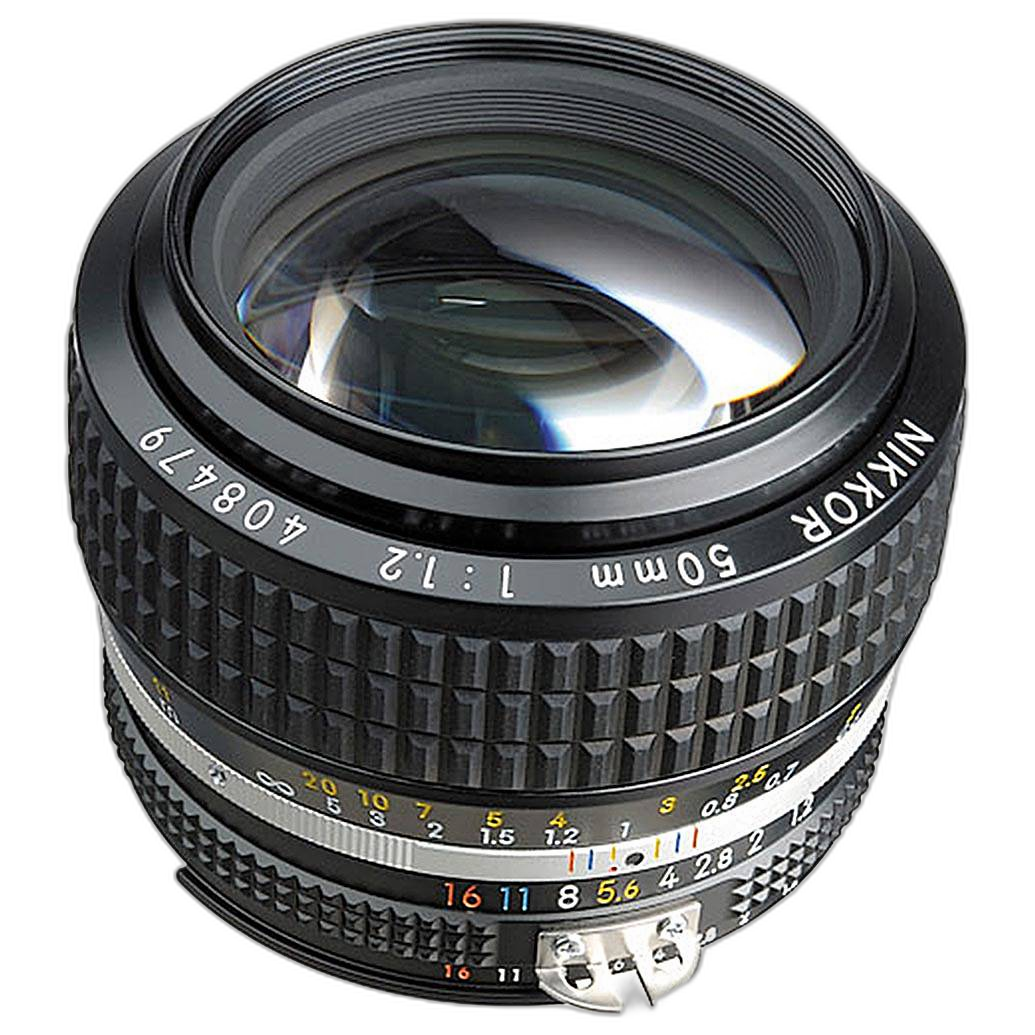
Why it stands out: If you are serious about pushing film, a very fast lens is one of the smartest investments you can make. The Used Nikon 50mm f/1.2 Ai gives you a huge low-light advantage, letting you shoot with more shutter speed or lower push requirements than slower lenses. That means you can preserve more image quality while still working in difficult light.
Best for: Low-light portraits, street photography, documentary work, and anyone learning how far they can stretch ISO 400 or ISO 800 film.
Why it works for push/pull: At f/1.2, you may find you only need to push one stop instead of two. That can mean better shadows and a smoother negative. It is also useful in bright conditions if you want shallow depth of field, though you will need to watch your shutter speed and may even consider pulling film in some situations.
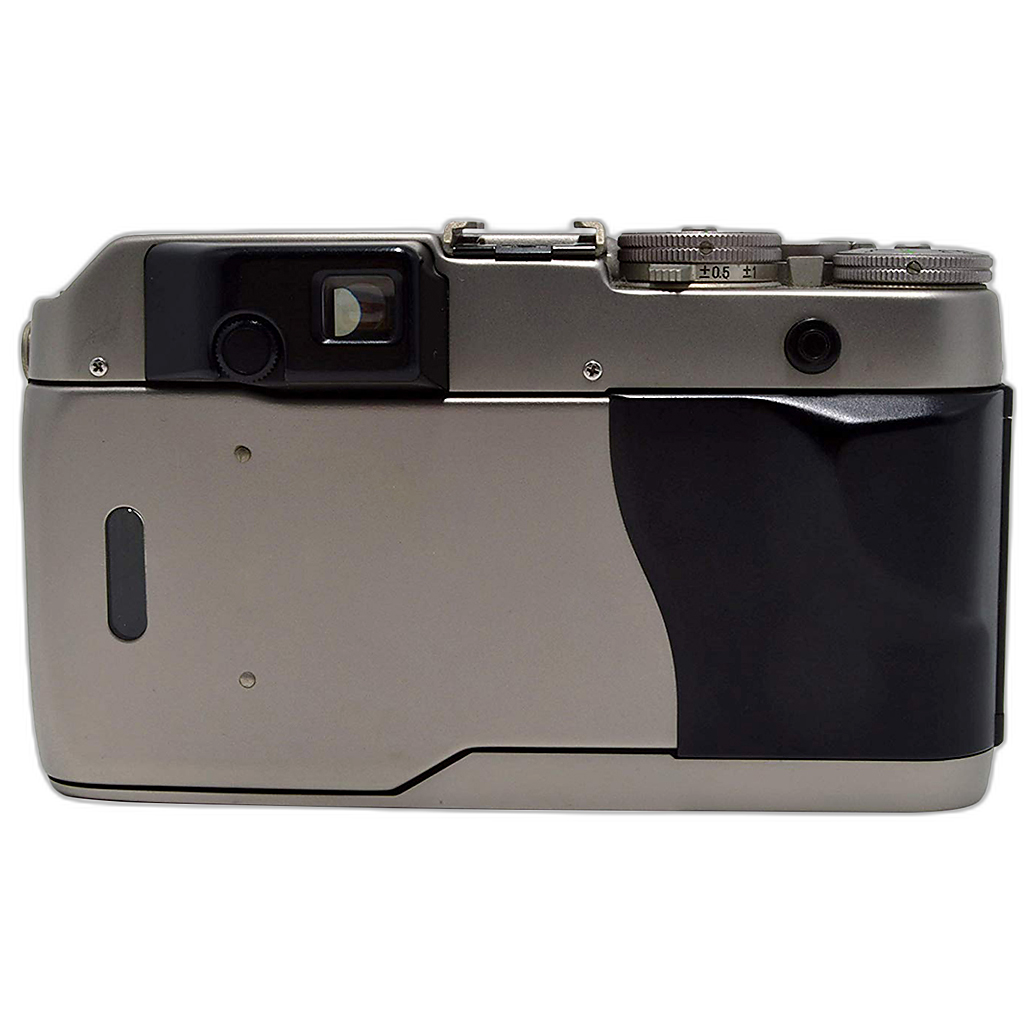
Used Contax G1 w/ 45mm f/2 and TLA140 Flash - Good
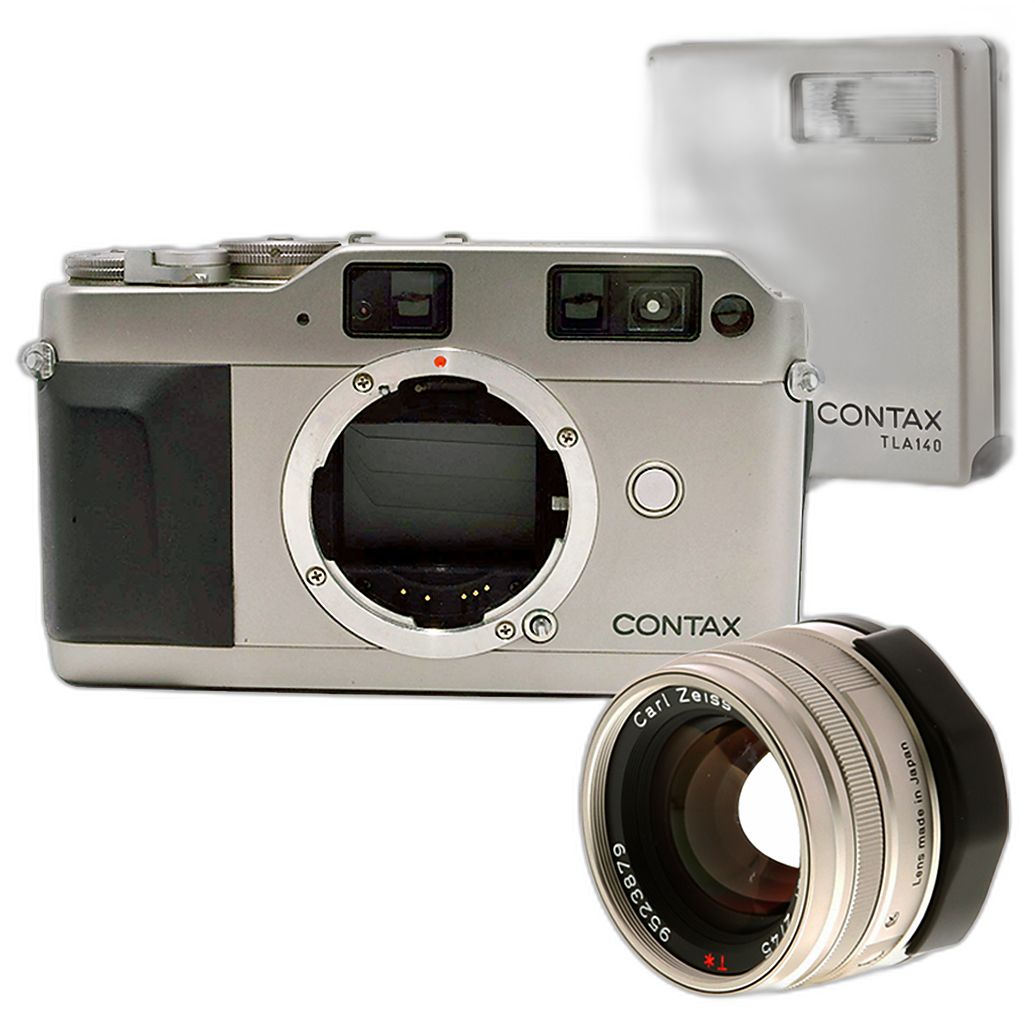
The Used Contax G1 with 45mm f/2 is a compelling choice for photographers who want a compact, high-quality 35mm film setup for real-world push processing. The 45mm f/2 is bright enough for everyday low-light shooting, and the included flash adds another layer of flexibility when available light drops too far.
Best for: Travel, street photography, casual portraits, and photographers who want a refined film camera that pairs well with pushed ISO 400 or 800 film.
Why it works for push/pull: The combination of a relatively fast lens and portable form factor makes it easy to shoot in varied light. Push a roll for evening or interiors, then use the flash when needed for even more control.
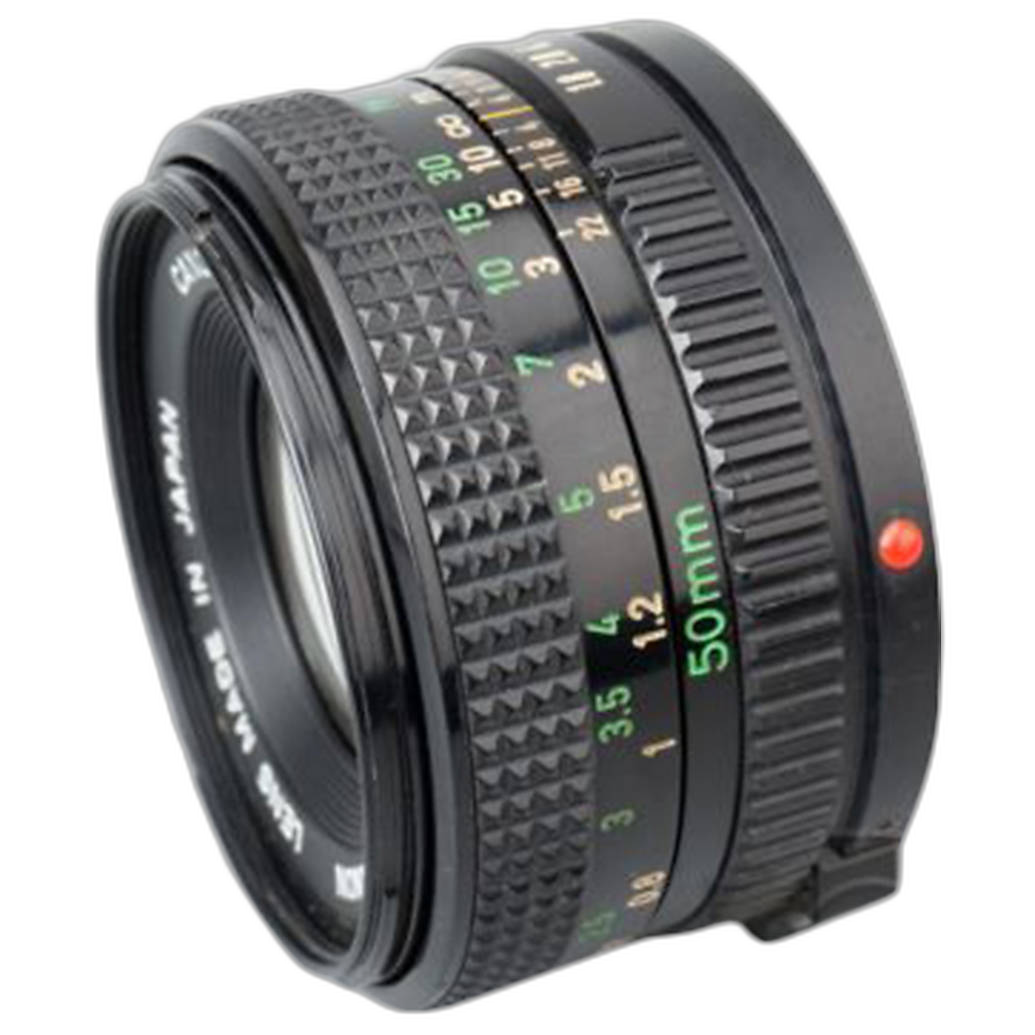
Used Canon FD 50mm f/1.8 Lens - Good
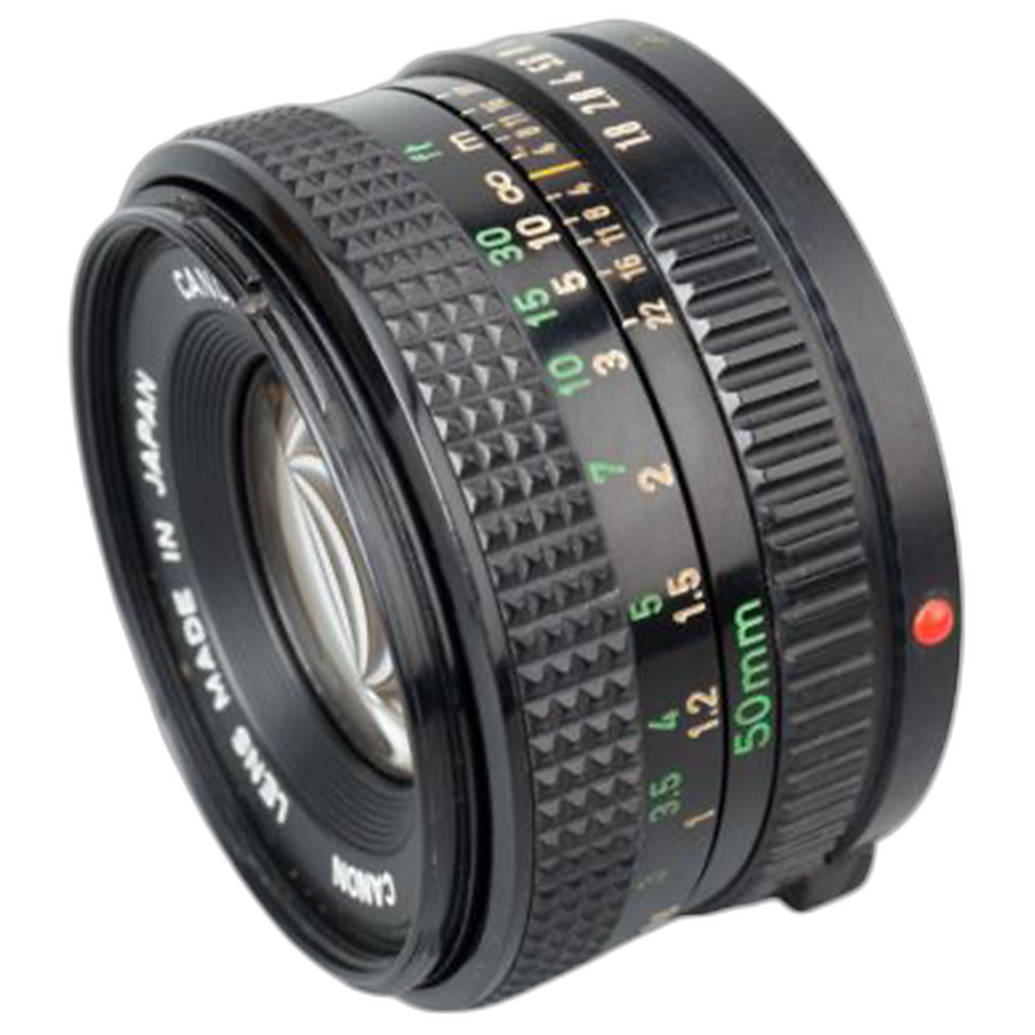
The Used Canon FD 50mm f/1.8 is a practical budget-friendly choice for film photographers using compatible Canon manual-focus bodies. While not as extreme as an f/1.2 lens, f/1.8 is still very useful for available-light work and gives you much more flexibility than a slower kit lens.
Best for: Beginners learning push processing, everyday film shooting, and photographers who want a classic normal lens without spending heavily.
Why it works for push/pull: This lens makes it easier to experiment. You can shoot box speed in many conditions, push when needed indoors, and still maintain a familiar 50mm field of view that works across many genres.
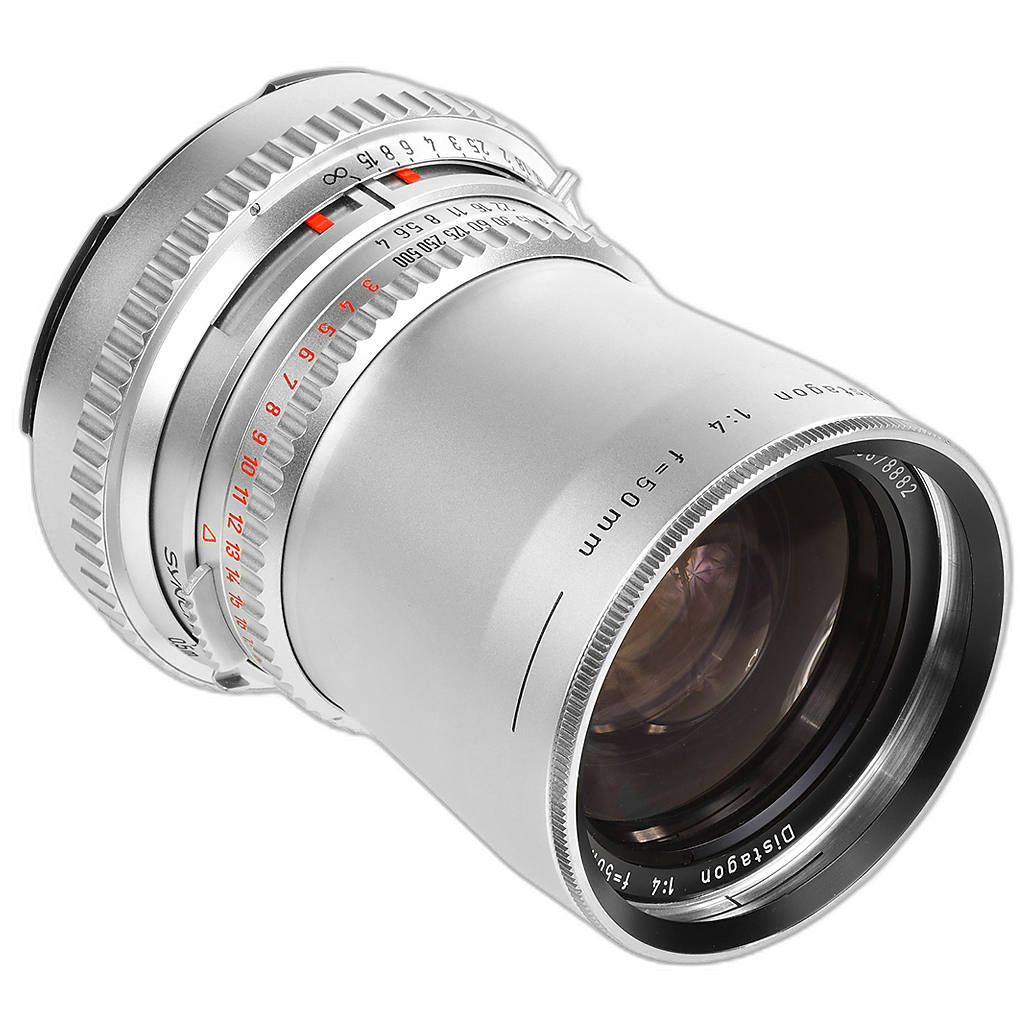
Used Hasselblad 50MM F/4 CF T* - Excellent
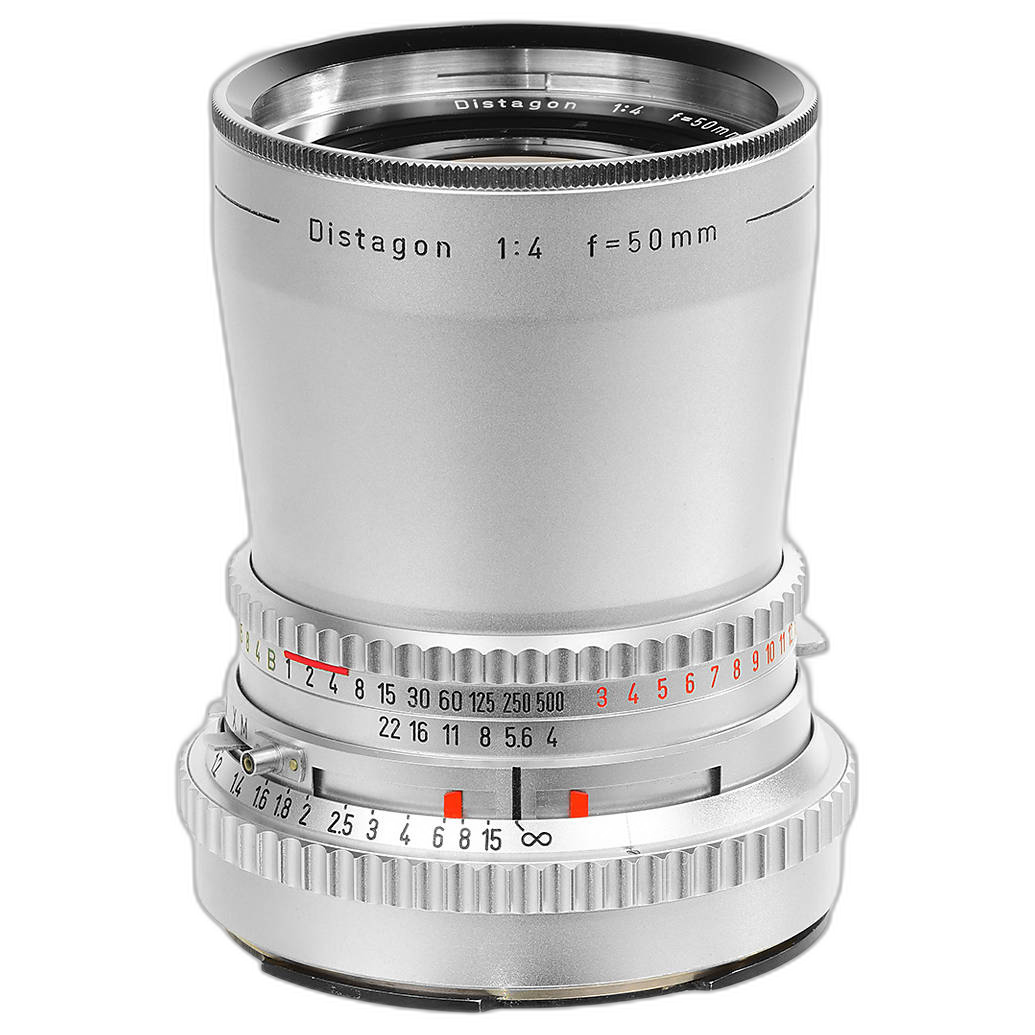
Medium format shooters can also benefit from push/pull processing, especially when balancing detail, tonality, and contrast. The Used Hasselblad 50MM F/4 CF T* is not a low-light speed lens, but it is an excellent choice for deliberate landscape, architecture, and environmental work where pull processing can help control bright scenes and preserve highlights.
Best for: Medium format landscape photographers, architectural shooters, and anyone wanting a wide-angle lens for controlled shooting situations.
Why it works for push/pull: In medium format, pull processing can be especially attractive for managing contrast while preserving the smooth tonal transitions many shooters love. This lens fits that slower, more intentional approach very well.
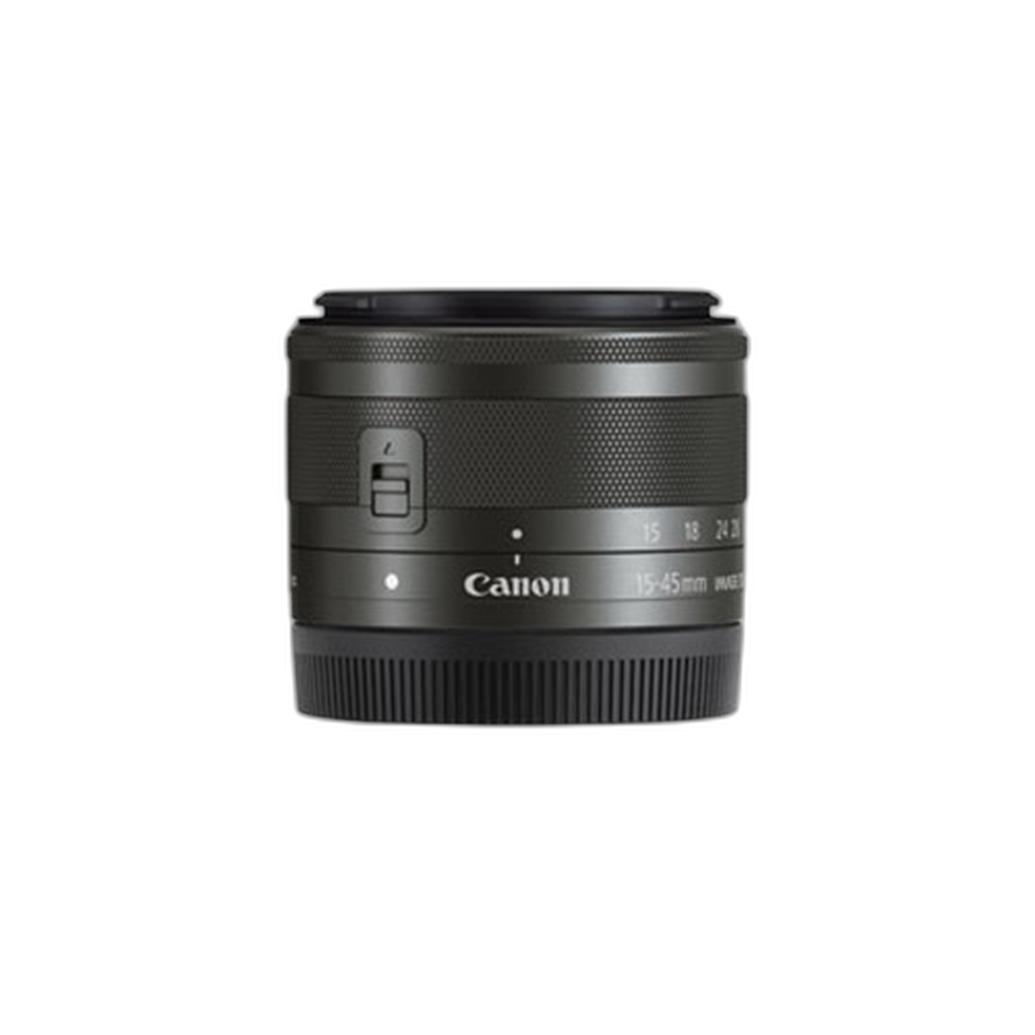
Used Canon EF-M 15-45mm f/3.5-6.3 IS STM - Good
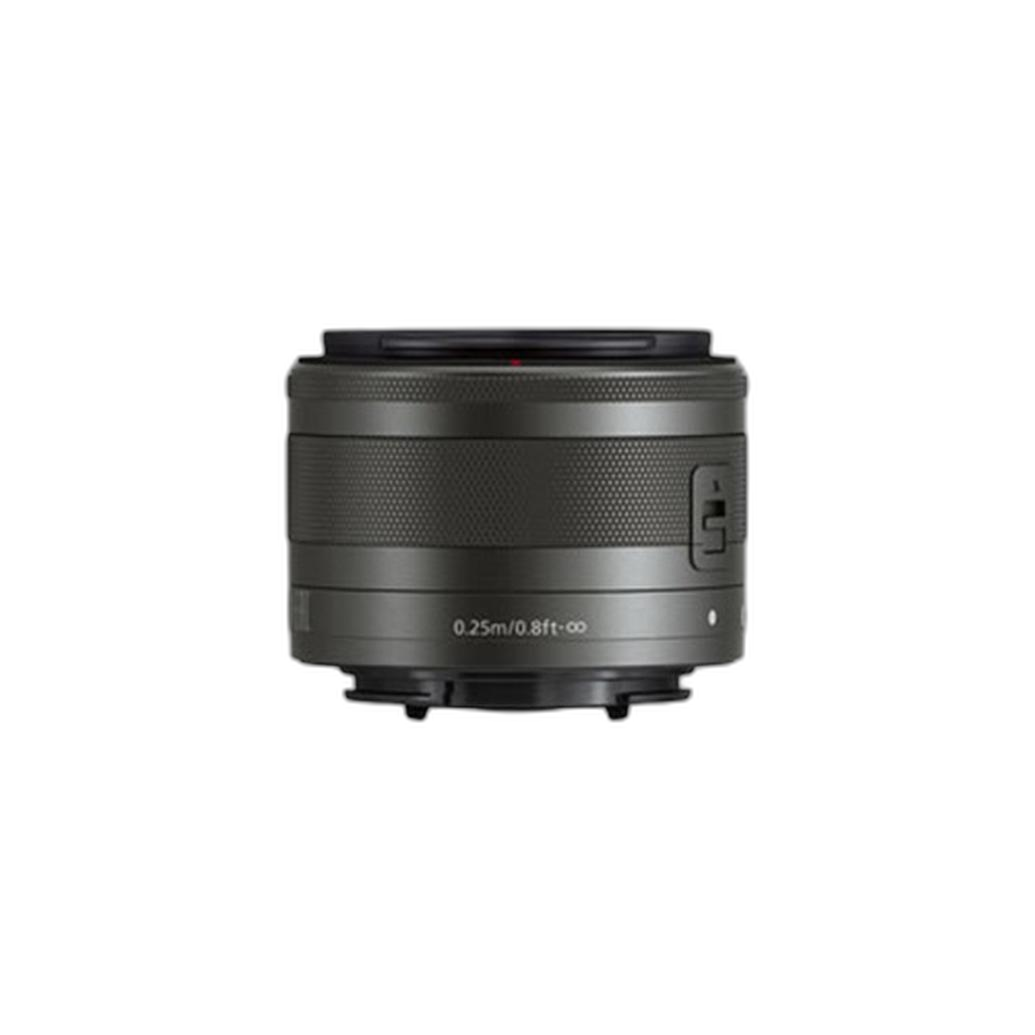
While push/pull processing is a film-specific technique, digital photographers often use mirrorless cameras to meter scenes, preview contrast, or scan negatives. The Used Canon EF-M 15-45mm f/3.5-6.3 IS STM can be useful as part of a hybrid workflow if you digitize your film or want a lightweight companion setup for learning exposure behavior before committing to film.
Best for: Hybrid shooters, home scanners, and photographers moving between digital and film workflows.
Why it works for push/pull: It is less about shooting pushed film directly and more about supporting the overall workflow, including exposure study and digitization tasks.
Quick Comparison
| Product | Best Use | Why It Helps | Ideal User |
|---|---|---|---|
| Used Nikon 50mm f/1.2 Ai - Good | Low-light push processing | Extremely fast aperture reduces need for aggressive pushing | Advanced film shooters and low-light specialists |
| Used Contax G1 w/ 45mm f/2 and TLA140 Flash - Good | Portable 35mm film setup | Compact camera, bright lens, included flash | Street and travel photographers |
| Used Canon FD 50mm f/1.8 Lens - Good | Affordable experimentation | Fast enough for many push scenarios at a lower cost | Beginners and budget-conscious film users |
| Used Hasselblad 50MM F/4 CF T* - Excellent | Controlled medium format work | Great for thoughtful pull-processing workflows in bright scenes | Landscape and fine-art photographers |
| Used Canon EF-M 15-45mm f/3.5-6.3 IS STM - Good | Hybrid support workflow | Useful for scanning and digital companion use | Film/digital hybrid shooters |
Practical Tips Before You Ask for Push/Pull Processing
- Rate the entire roll consistently: Most labs process the whole roll the same way, so decide in advance whether the roll is being pushed or pulled.
- Tell your lab clearly: Mark the roll and specify how many stops you want pushed or pulled.
- Start modestly: A one-stop push or pull is a great place to begin before trying more extreme adjustments.
- Match the technique to the film stock: Some black-and-white films handle pushing beautifully, while some color negative films respond better to subtle changes.
- Use fast glass when possible: A bright lens gives you more options and helps you avoid unnecessary quality loss from extreme pushes.
Conclusion
Push/pull processing is most valuable when you use it intentionally. Push film when light is limited and you need speed, pull film when brightness and contrast are too intense, and shoot box speed when conditions are balanced. If you are building a setup specifically to explore these techniques, a fast lens is often the best starting point, which is why the Used Nikon 50mm f/1.2 Ai - Good is our top recommendation here. For photographers who want a complete portable film kit, the Used Contax G1 w/ 45mm f/2 and TLA140 Flash - Good is another standout option.
If you are ready to experiment with film exposure and development choices, Unique Photo is a great place to find used film cameras, lenses, and accessories that make push/pull processing easier to put into practice.