Push and pull processing can completely change the look of your film images, whether you are chasing more speed in low light, taming contrast in harsh sun, or experimenting with grain and color shifts for creative effect. This guide is for film photographers who want practical advice on exposure compensation, what happens to image quality when you rate film differently, and which products can help you process, mail, scan, and refine your results. If you have been hearing photographers talk about “shooting Portra 400 at 800” or “pulling slide film for softer highlights,” this buying guide will help you understand what that means and what gear or services make the process easier.
What Push and Pull Processing Actually Mean
Pushing means rating your film at a higher ISO than the box speed and then compensating during development, usually by extending development time. A common example is shooting ISO 400 film at ISO 800 or 1600. Photographers use this when they need faster shutter speeds, smaller apertures, or simply want a grittier, higher-contrast look.
Pulling means rating your film at a lower ISO than the box speed and compensating in development, usually by reducing development time. For example, shooting ISO 400 film at ISO 200 can help hold highlights and reduce contrast in some situations.
In real-world use, push/pull decisions are often about balancing exposure needs with the visual character you want. Pushing usually increases contrast and visible grain, while pulling can smooth contrast and preserve brighter tones. Results vary by film stock, developer, and scanning workflow, so it helps to keep notes and test systematically.
Photographer Tips for Better Push/Pull Results
- Meter for the shadows when pushing negative film. Underexposed shadows are usually the first thing to break apart, so many photographers give just enough exposure to protect detail where it matters most.
- Expect more grain and contrast when pushing. Black-and-white films often handle this beautifully; color negative films can gain mood and density, but color shifts may appear.
- Be cautious pushing slide film. Transparency film has much less latitude, so exposure precision matters far more than with color negative film.
- Pulling can be useful in bright daylight. If you want softer contrast or slightly more highlight control, a pull can help, especially with films that already have generous latitude.
- Communicate clearly with your lab. If a roll is shot at anything other than box speed and needs compensated development, label it carefully.
- One roll, one approach. Since development affects the whole roll, avoid mixing frames intended for different push/pull settings on the same roll unless you are prepared to compromise.
How Push/Pull Affects Image Quality
When photographers share their experiences with push processing, a few patterns come up again and again. Pushed color negative film often delivers:
- Higher contrast
- More apparent grain
- Deeper midtones
- Potential color shifts, especially in skin tones and shadows
Pulled film often produces:
- Lower overall contrast
- Smoother highlight transitions
- Potentially cleaner tonal separation in bright scenes
- A more forgiving scan in high-contrast daylight conditions
Many photographers find that color negative stocks are the most flexible for experimenting, while E-6 slide films demand tighter discipline but can still reward intentional pull processing in specific lighting scenarios.
Recommended Products for Push/Pull Film Workflows
Kodak Color Negative C-41 Film Processing Kit - 2.5 Liters
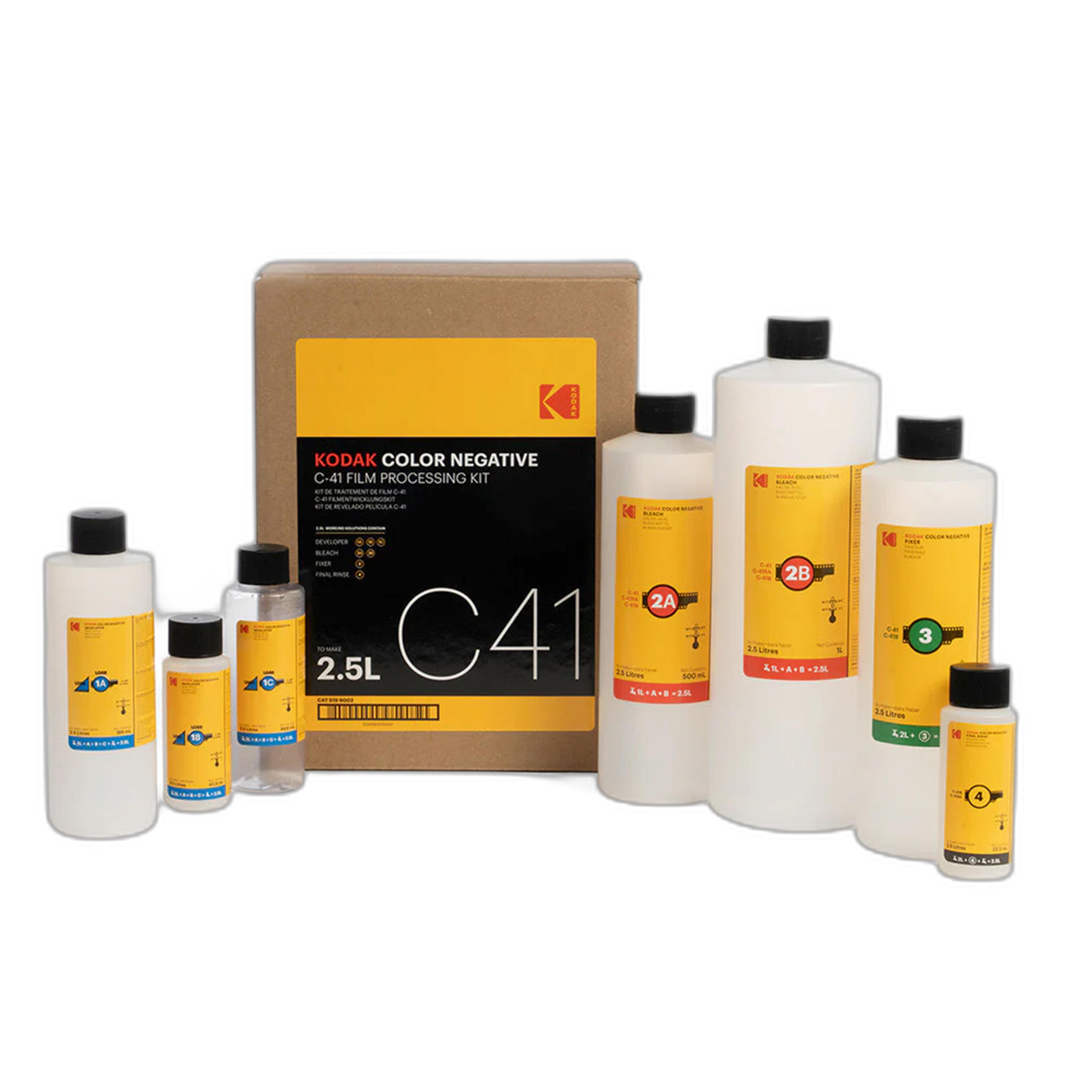
If you want the most control over push and pull processing with color negative film, a home chemistry kit is one of the best investments you can make. The Kodak Color Negative C-41 Film Processing Kit - 2.5 Liters gives you the ability to fine-tune your process, keep notes on development changes, and repeat successful results. That consistency is especially valuable when you are testing exposure compensation and comparing one-stop or two-stop pushes.
Best for: photographers developing C-41 film at home, testing push/pull variables, and building a repeatable workflow.
Fujifilm Pre-Paid Processing Mailer 36 Exp(or 120) E-6/FujiChrome/Ektachrome
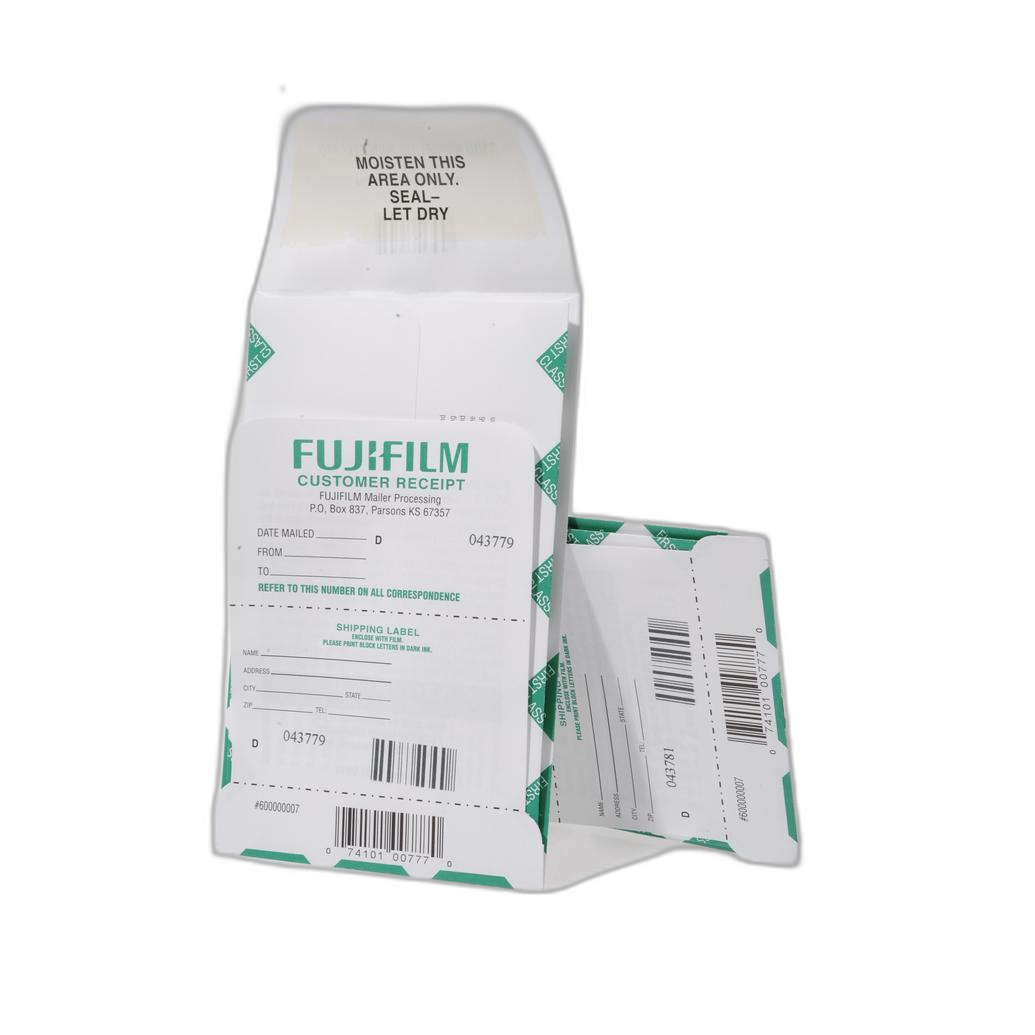
Slide film shooters know that E-6 is less forgiving, but that is exactly why a reliable processing option matters. The Fujifilm Pre-Paid Processing Mailer is a convenient way to send out E-6 rolls like FujiChrome and Ektachrome when you want dependable lab handling. If you are experimenting with pull processing on slide film to manage bright highlights or contrast, a dedicated mailer keeps the workflow simple.
Best for: photographers shooting E-6 films who want an easy send-out solution for carefully exposed work.
220 NEGATIVE PROCESSING UNIQUE PHOTO LAB
If you are shooting medium format 220 negative film and planning to push or pull, lab communication becomes even more important because those rolls often contain high-value work. 220 NEGATIVE PROCESSING UNIQUE PHOTO LAB is a practical service option for photographers who prefer lab consistency instead of home processing. It is especially helpful if you are testing how a favorite stock behaves at alternate ratings and want a trusted lab partner.
Best for: medium format photographers who want dependable negative processing through a lab workflow.
Photoshop for Photographers with Adobe Certified Instructor Blake Taylor
Push/pull experimentation does not stop at development. Scanning and post-processing often determine how successfully you recover shadows, manage color shifts, or refine contrast after a pushed roll. Photoshop for Photographers with Adobe Certified Instructor Blake Taylor is a smart educational pick for film shooters who want to get better scans and more polished final files.
Best for: photographers who digitize their negatives and want more control over tonal and color correction.
Our Pick
Our Pick: Kodak Color Negative C-41 Film Processing Kit - 2.5 Liters
For most photographers learning push/pull processing, this is the most useful place to start. Color negative film is forgiving, widely available, and ideal for testing. A home C-41 kit gives you direct control over the variable that matters most in push/pull work: development. If you want to understand how rating film at different ISOs affects your final image, processing your own rolls is one of the fastest ways to learn.
Quick Comparison
| Product | Best Use | Why It Helps with Push/Pull |
|---|---|---|
| Kodak Color Negative C-41 Film Processing Kit - 2.5 Liters | Home C-41 processing | Lets you test and control development changes for pushed or pulled negative film |
| Fujifilm Pre-Paid Processing Mailer 36 Exp(or 120) E-6/FujiChrome/Ektachrome | Mail-in E-6 processing | Simplifies lab processing for carefully exposed slide film experiments |
| 220 NEGATIVE PROCESSING UNIQUE PHOTO LAB | Medium format lab processing | Useful when you want lab consistency for 220 negative film |
| Photoshop for Photographers with Adobe Certified Instructor Blake Taylor | Scan editing and finishing | Helps refine contrast, color, and tonal balance after scanning pushed or pulled film |
Which Film Stocks Tend to Work Well?
Photographers often recommend flexible color negative films for learning push/pull because they tolerate exposure variation well. ISO 400 color negative stocks are common starting points because they can often be rated at 800 or even 1600 depending on the look you want and the scanner or printing workflow you use. For black-and-white, classic ISO 400 films are also popular push candidates thanks to their strong shadow retention and attractive grain structure.
For pull processing, many photographers like using film stocks that already have broad latitude, especially in bright outdoor conditions. And for slide shooters, Ektachrome and other E-6 films may reward careful pull experimentation, though precise metering is critical.
Final Recommendation
If you are new to push/pull processing, start with a forgiving color negative film and keep your tests simple: one stock, one camera, one lighting scenario, and one stop of adjustment at a time. For the most hands-on learning, the Kodak Color Negative C-41 Film Processing Kit - 2.5 Liters is the strongest choice in this guide. If you prefer lab convenience, Unique Photo offers excellent options for processing and mail-in workflows, including E-6 support and lab services. Whether you are building a home darkroom routine or sending out your film, Unique Photo is a great place to find the tools and support you need to explore push and pull processing with confidence.