Primes vs. Zooms for Feature & Documentary Photography: An Expert FAQ
Choosing lenses for feature and documentary-style work is as much about storytelling as it is about tech. Below, Unique Photo’s experts break down the creative trade-offs between primes and zooms, recommend focal lengths that cover most real-world situations, and suggest lightweight options for long shooting days.
Are primes or zooms better for documentary-style feature sessions?
Both can be excellent—the right choice depends on how you like to work. Primes encourage deliberate composition and often offer wider apertures for low light and separation. Zooms deliver speed and flexibility when a moment is unfolding quickly and you can’t move your feet. Many working photojournalists carry a fast wide-to-normal zoom for 80% of the day and complement it with a small, fast prime for portraits and dim interiors.
What focal lengths cover most storytelling in the field?
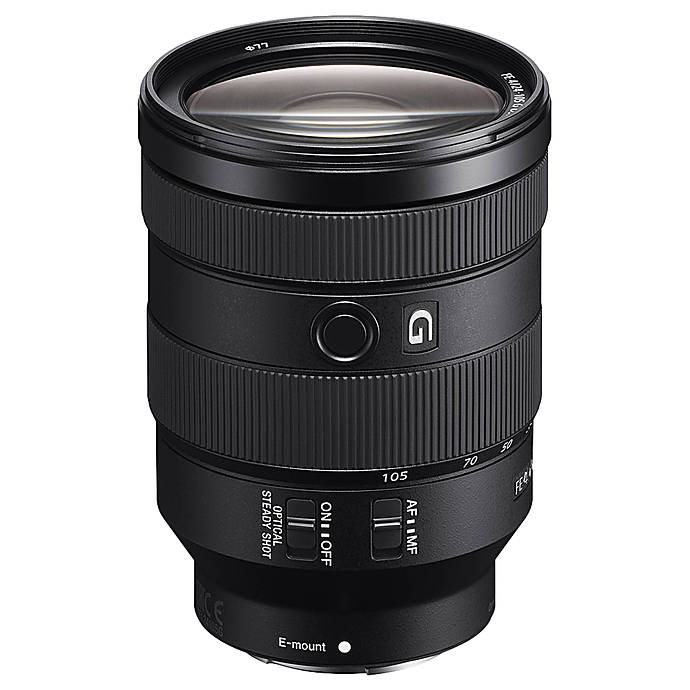
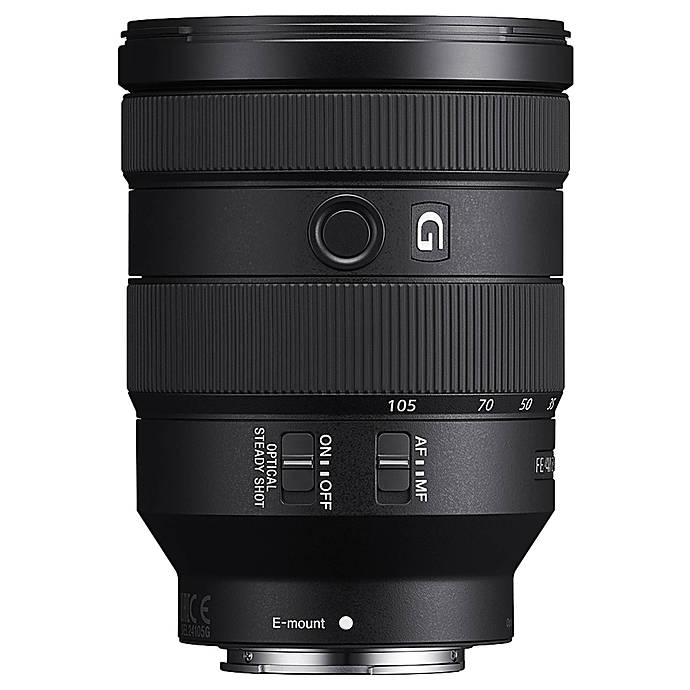
A practical “feature set” often spans 24mm to 105mm. That range lets you establish scenes, work in tight spaces, and capture expressive portraits without swapping lenses constantly. A single-lens solution like Sony’s FE 24–105mm f/4 G OSS covers that entire span with consistent rendering and stabilization—an ideal anchor for all-day assignments.
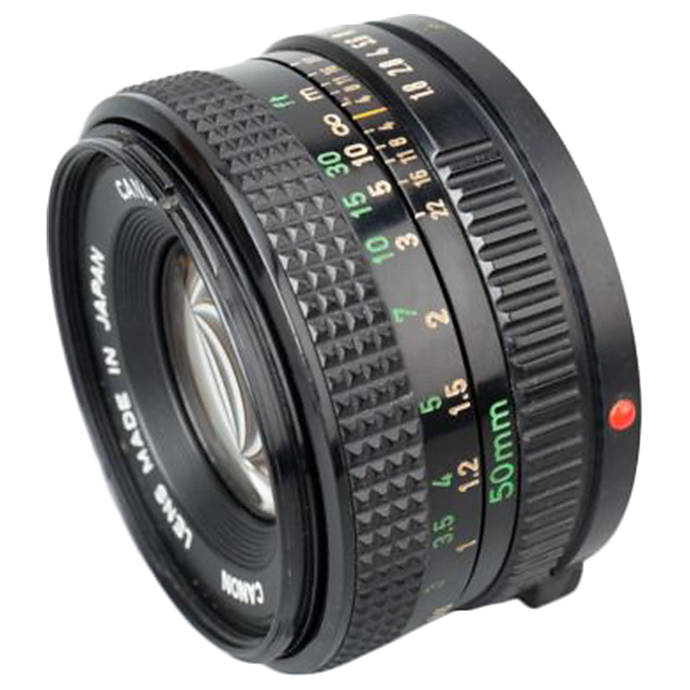
Prefer the classic look and low-light capability of a fast normal? A lightweight 50mm prime remains a storytelling staple. Adapting a vintage 50mm can be a creative, budget-friendly way to add character to portraits and detail shots.
Are modern zooms sharp and fast enough for demanding feature work?
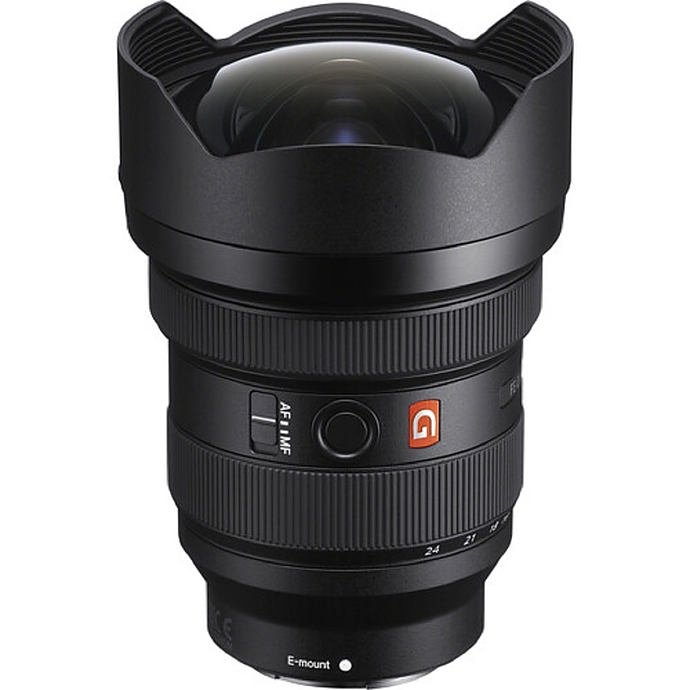
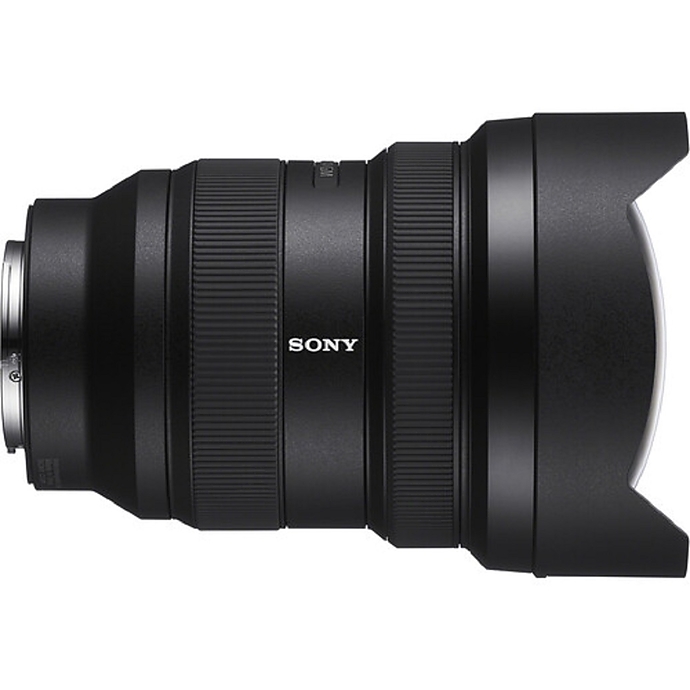
Yes—today’s pro zooms rival primes in real-world sharpness and AF performance. If you emphasize environmental context, an ultra-wide like Sony’s FE 12–24mm f/2.8 GM gives you a fast aperture across a sweeping range for immersive scene-setters, layered compositions, and low-light interiors where you want to keep ISO down.
How do I keep my kit lightweight and unobtrusive for all-day shoots?
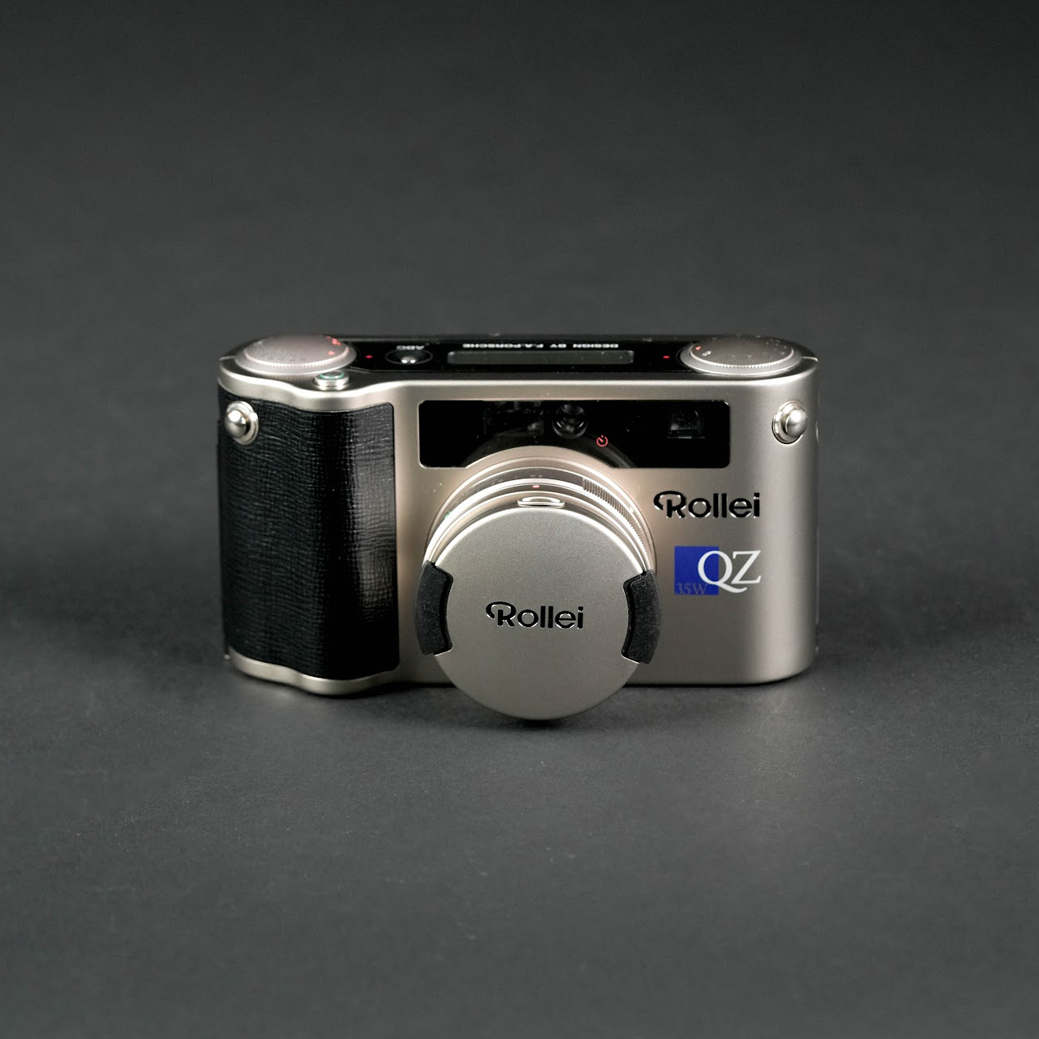
Minimize swaps and bulk. A stabilized midrange zoom like the Sony FE 24–105mm f/4 G OSS is a one-lens solution that stays balanced, covers most storytelling needs, and stays discreet. For travel or mixed media days, a compact film option with a versatile zoom keeps a low profile and encourages a slower, intentional approach that clients often love in feature packages.
How should I think about low light and subject isolation?
There are two levers: aperture and stabilization. Wider apertures (f/1.8–f/2.8) help you keep shutter speeds up and create separation. Stabilized bodies and lenses help you handhold slower speeds for static scenes while maintaining depth of field. The Sony FE 24–105mm f/4 G OSS offers optical stabilization that pairs well with IBIS-equipped bodies, while a fast 50mm prime provides that extra stop or two of light for portraits or dimly lit moments.
Do I need an ultra-wide for environmental storytelling?
Not always—but when you do, it’s indispensable. Spaces like small rooms, workshops, kitchens, and crowded events benefit from focal lengths between 12–24mm to place your subject in context and capture the full scene. The Sony FE 12–24mm f/2.8 GM balances speed with edge-to-edge clarity for dynamic, layered frames. If you rely on front filters with other ultra-wides (e.g., 14mm primes), a dedicated 100mm filter holder can keep your exposure tools in play in bright daylight.
Any accessories that help keep flare down and contrast up in feature work?
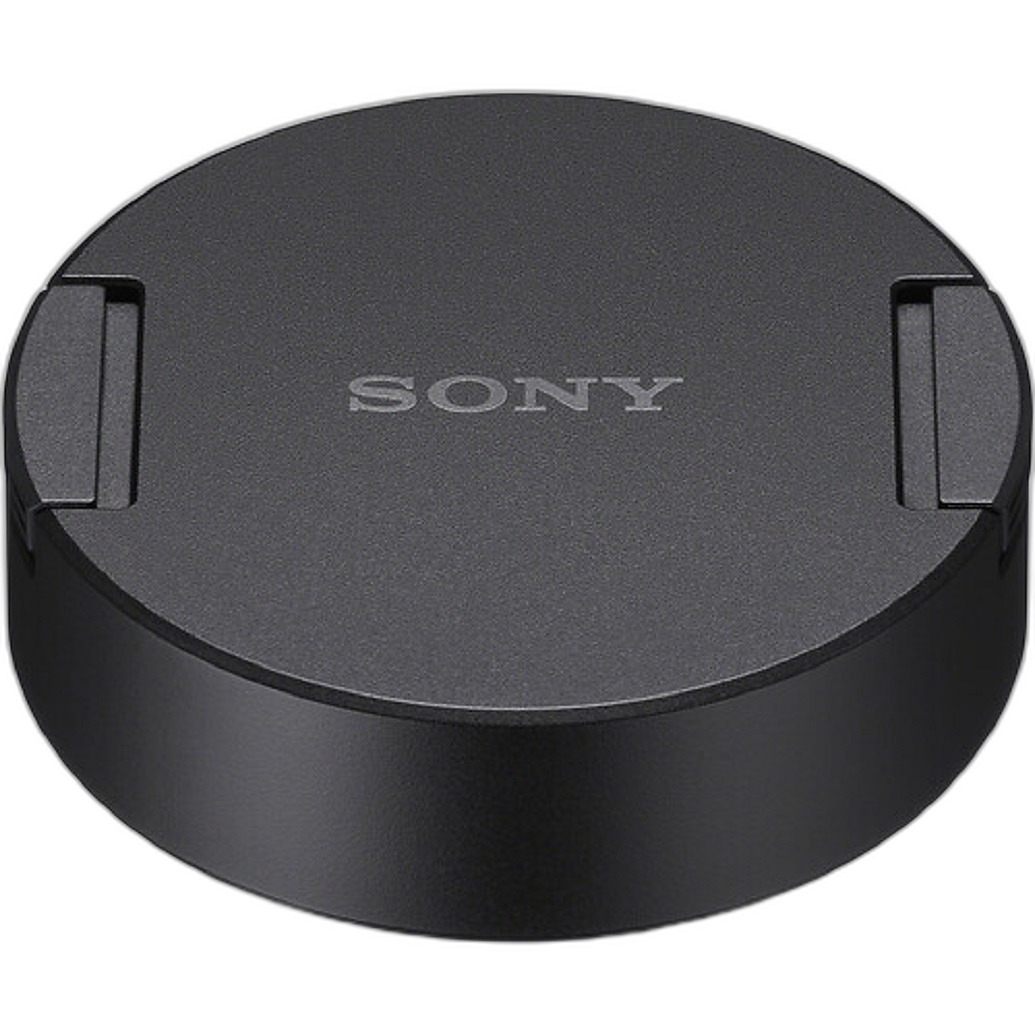
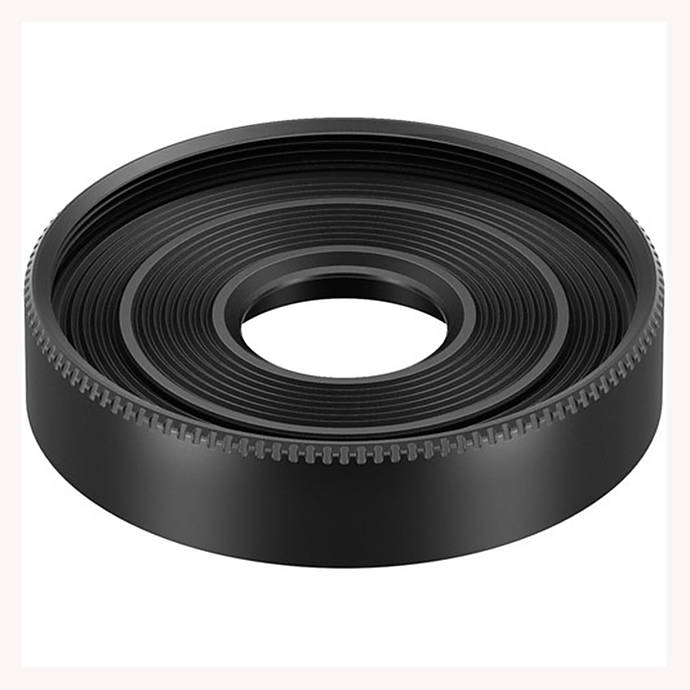
A simple lens hood can preserve contrast and protect your front element during fast-paced coverage. Even on specialty lenses (macro, for example, when you’re capturing detail cutaways), a properly fitted hood reduces stray light and micro-contrast loss. Keep one in your bag so you can move quickly without worrying about veiling flare.
What’s a good two-lens kit for a day-long feature assignment?
Three dependable approaches: (1) A single-lens solution: Sony FE 24–105mm f/4 G OSS for everything from wide establishing to tight portraits. (2) Context + character: Sony FE 12–24mm f/2.8 GM for immersive scenes, plus a fast 50mm prime for portraits and low light. (3) Low profile: a compact zoom camera (such as the Rollei 35QZ on film) for candid, unobtrusive coverage alongside your primary digital body.
How can I practice making stronger stories with the lenses I already own?
Give yourself focal-length “assignments,” and spend an afternoon shooting a full narrative with just one lens. Look for establishing shots, medium interactions, and tight details—three beats that structure visual stories. If you want feedback and field coaching, join a hands-on class and practice under guidance before your next assignment.
Ready to refine your kit for feature work? Visit Unique Photo—online or in-store in New Jersey—for expert guidance, trade-ins, and hands-on demos of primes and zooms that fit your storytelling style.