If you're shopping for a Sony portrait lens and weighing the classic prime-versus-zoom debate, this guide is for you. Portrait photographers often care most about background blur, flattering focal lengths, sharp eye autofocus, working distance, and how flexible a lens feels during real sessions. On Sony bodies, both primes and zooms can produce beautiful portrait results—but the right choice depends on how you shoot. Below, we break down which features matter most for portraits and compare two Sony full-frame zoom options that illustrate the tradeoffs clearly.
What Matters Most in a Portrait Lens?
When comparing portrait lenses, the biggest features to focus on are aperture, focal length, subject separation, and versatility.
- Wide aperture: A larger aperture helps create softer backgrounds and stronger subject separation. This is why primes are so popular for portraits.
- Focal length: Portrait shooters often prefer normal-to-telephoto ranges because they flatter facial features better than ultra-wide lenses.
- Flexibility: Zooms make it easier to frame quickly, especially during events, environmental portraits, or fast-moving sessions.
- Stabilization and handling: These matter for handheld shooting, longer sessions, and hybrid creators shooting both photo and video.
In short, primes usually win on speed and blur, while zooms win on convenience. For many Sony users, the real question is not whether zooms can shoot portraits—they absolutely can—but whether the zoom's range includes the focal lengths you actually want for portrait work.
Prime vs Zoom for Portraits on Sony
A portrait prime is often the best choice when your priority is maximum background blur and a consistent look. Lenses in the 50mm, 85mm, and 135mm range are favorites for exactly that reason. But a portrait zoom can be the smarter buy if you need one lens to handle headshots, half-body portraits, environmental scenes, and even event coverage in a single shoot.
With the Sony options available here, one lens clearly leans toward versatility for portraits, while the other is much more specialized. That makes this comparison useful for understanding what features matter most.
Quick Comparison
| Lens | Type | Best Portrait Use | Key Strength | Potential Limitation |
|---|---|---|---|---|
| Sony FE 24-105mm f/4 G OSS | Zoom | Events, environmental portraits, flexible portrait sessions | Useful range from wide to short telephoto | f/4 is not as shallow as a fast prime |
| Sony FE 12-24mm f/2.8 GM | Zoom | Creative environmental portraits | Ultra-wide perspective and fast f/2.8 aperture | Not ideal for classic flattering portrait compression |
Recommended Sony Lenses for This Comparison
Sony FE 24-105mm f/4 G OSS Lens
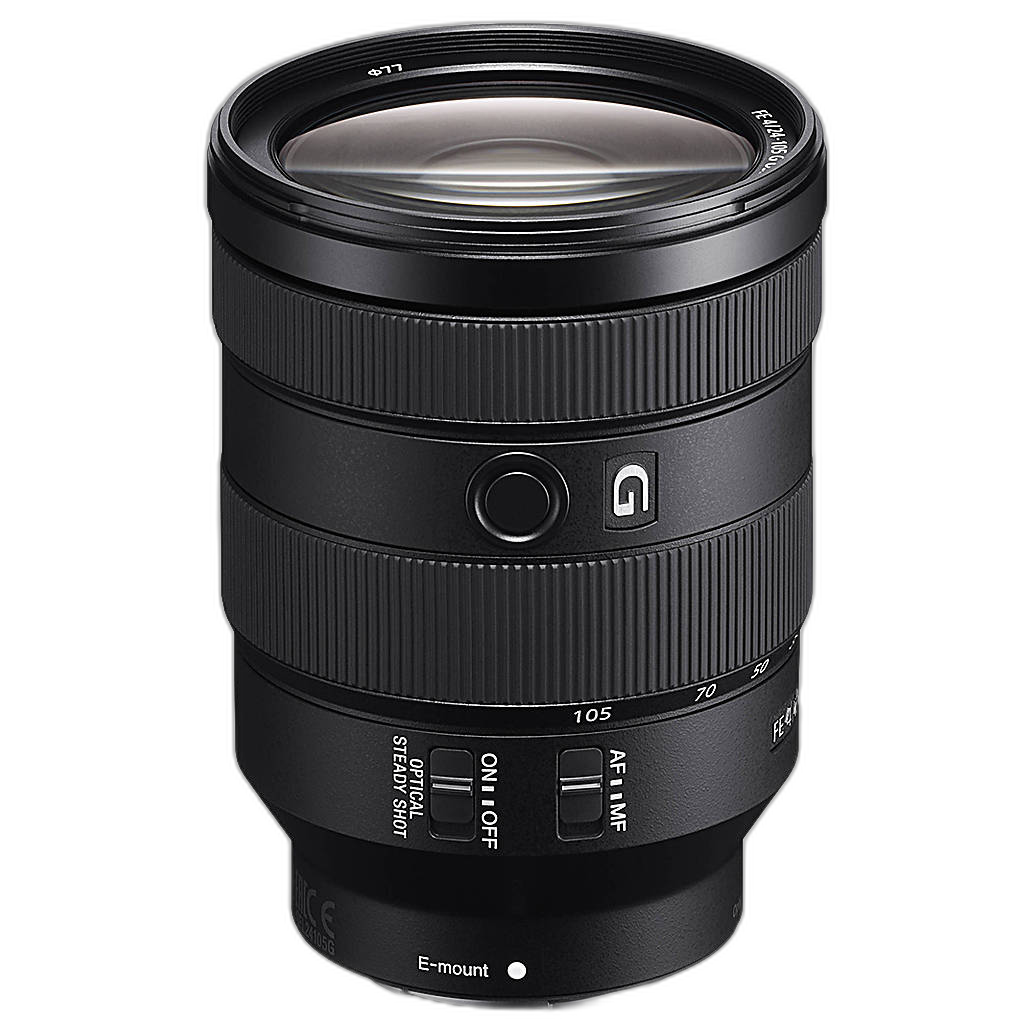
The Sony FE 24-105mm f/4 G OSS Lens is the more practical portrait choice for most Sony shooters in this comparison. Its focal range covers environmental portraits at 24mm, natural-looking compositions around 50mm, and more flattering portrait framing at the longer end near 85mm to 105mm. That flexibility is a major advantage if you shoot a mix of portraits, families, events, or lifestyle work.
The constant f/4 aperture will not blur the background as dramatically as a fast portrait prime, but it can still produce attractive separation—especially when you zoom in toward the long end. Optical SteadyShot also adds handheld confidence, which is useful during longer portrait sessions or on-location shoots.
Why it matters for portraits: focal-length flexibility often matters more than maximum aperture when you need to move quickly and deliver varied looks from one session.
Best for: photographers who want one Sony lens that can handle portraits plus everyday work.
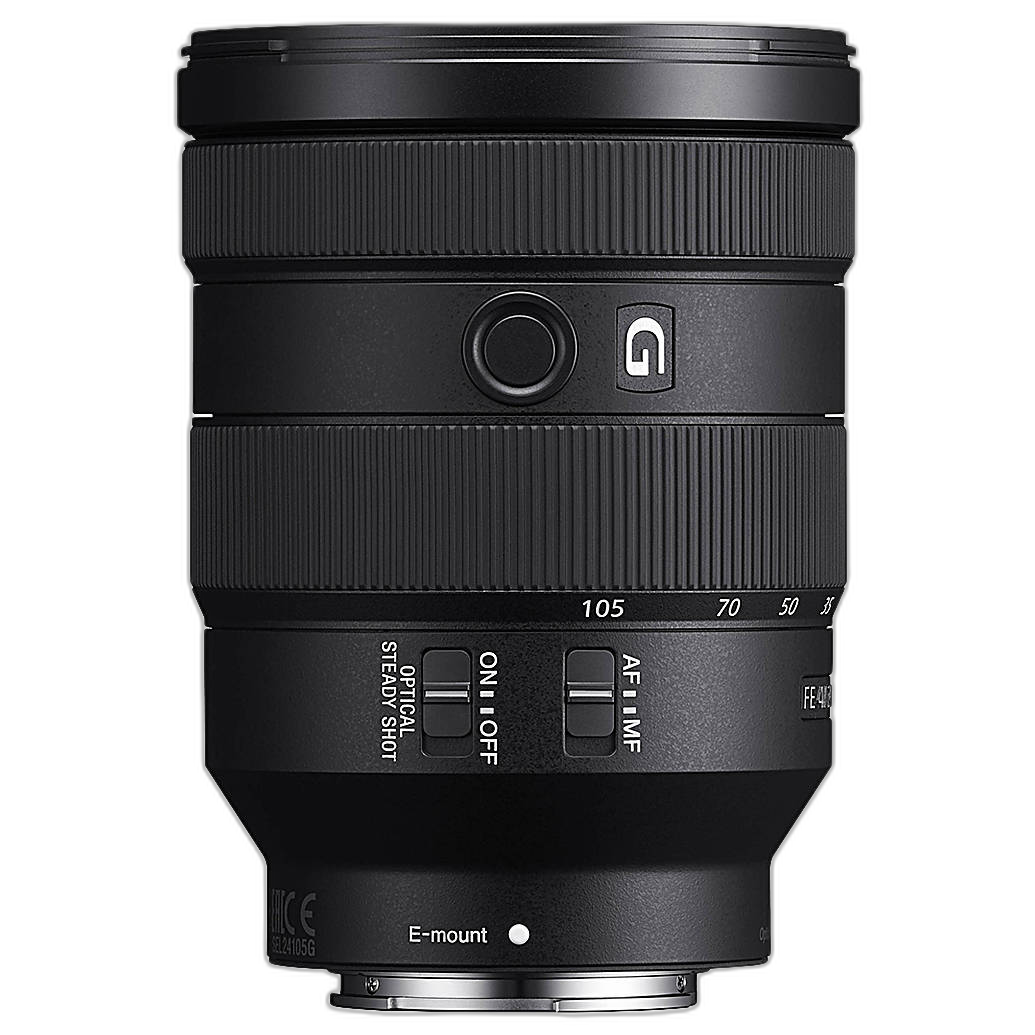
Our Pick: If you're deciding between a prime-style look and zoom convenience, this is the stronger all-around portrait option in this group because it reaches the focal lengths portrait photographers use most often.
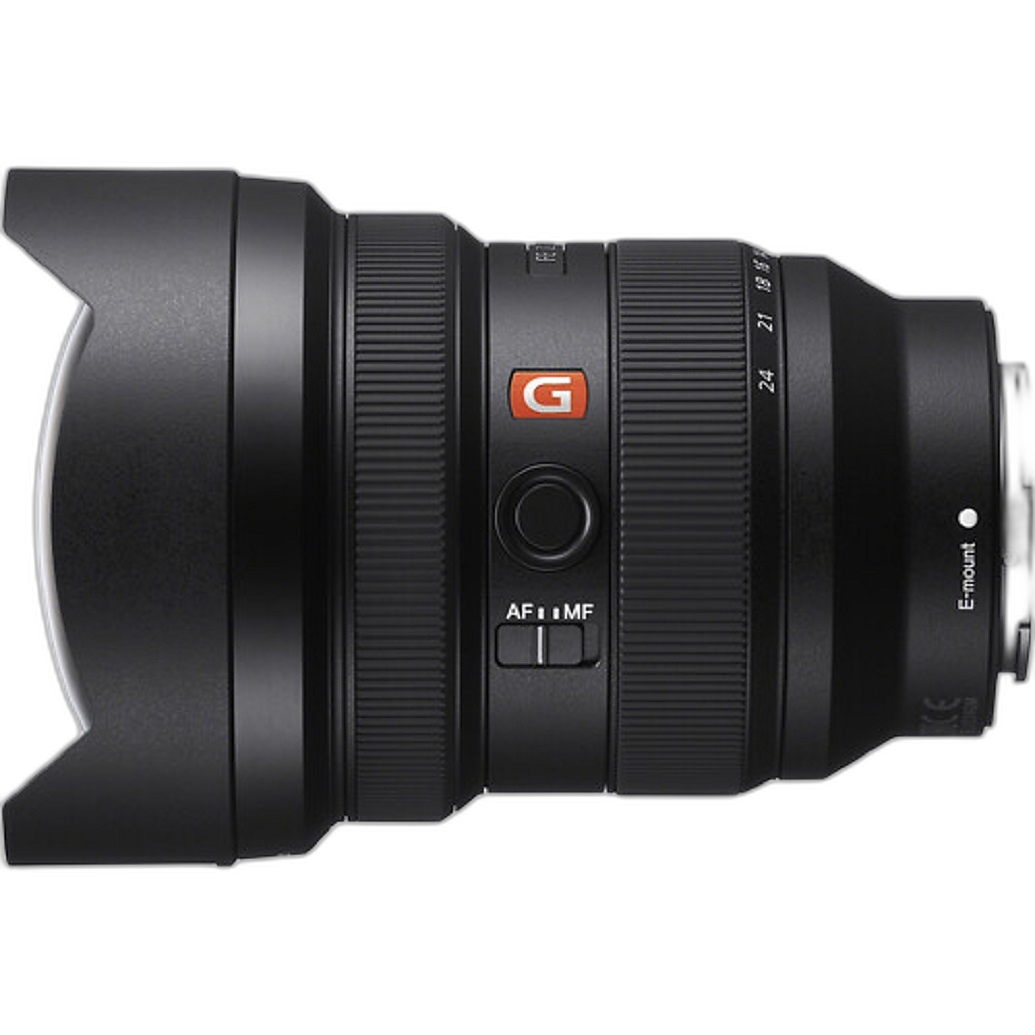
Sony FE 12-24mm f/2.8 GM Lens
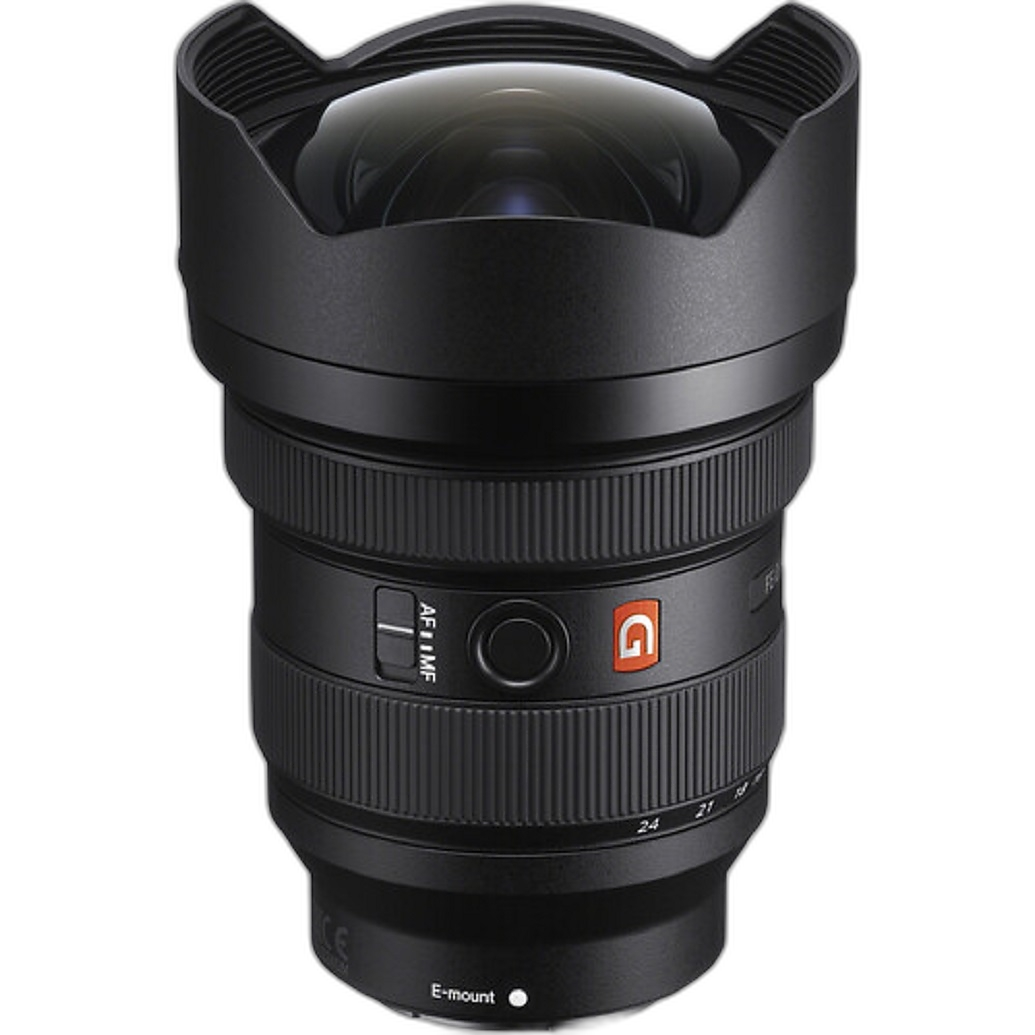
The Sony FE 12-24mm f/2.8 GM Lens is an outstanding premium ultra-wide zoom, but for portraits, it serves a more specialized role. Its biggest strengths are dramatic perspective, a bright f/2.8 aperture, and elite build/image quality. If you love environmental portraits with strong foregrounds, sweeping backgrounds, or stylized perspective, this lens can produce results that stand out.
That said, ultra-wide focal lengths are usually not the first choice for traditional portraits. At close distances, they can exaggerate facial features and distort proportions. For full-body storytelling portraits, fashion editorials, or creative location work, that distortion may be part of the appeal. For flattering headshots, it is usually not ideal.
Why it matters for portraits: this lens shows that aperture is not the only thing to compare. Even at f/2.8, focal length and perspective can matter more than speed when your goal is classic portrait rendering.
Best for: creative shooters who want environmental portraits with a dramatic look.
Which Features Should You Prioritize?
If portraits are your primary goal, here is the order of importance most Sony buyers should consider:
- Focal length suitability: A lens that reaches portrait-friendly focal lengths will usually matter more than simply having a wider aperture.
- Aperture: Fast glass helps with background blur and low light, but only if the focal length supports the portrait look you want.
- Working flexibility: Zooms are excellent when you want variety without changing lenses.
- Stabilization and handling: Especially useful for long shoots and hybrid use.
This is why a zoom like the 24-105mm can outperform a wider, faster lens for portrait duty in practical everyday use.
Should You Choose a Prime or a Zoom?
Choose a prime if your top priority is shallow depth of field, low-light performance, and a signature portrait look. Choose a zoom if you want speed of composition, framing flexibility, and one lens that can adapt to different portrait styles in the same shoot.
For many Sony photographers, the best starting point is actually a portrait-capable zoom first, then a fast prime later once you know your preferred focal length.
Final Recommendation
If you're comparing features that matter most for portraits, the Sony FE 24-105mm f/4 G OSS Lens is the stronger overall choice here because it offers the focal-length range portrait photographers actually use, along with the convenience of a flexible zoom. The Sony FE 12-24mm f/2.8 GM is a superb creative tool, but it is better suited to environmental and stylized portrait work than classic portraiture.
If you are building out your Sony kit and want help choosing the right portrait lens for your style, Unique Photo is a great place to compare options, get expert advice, and find the Sony gear that fits how you actually shoot.