If you have been curious about Sony Lens Compare Beta and wondering whether its image renders are actually useful when choosing a lens, this guide is for you. While no online visualization can fully replace real-world testing, side-by-side render tools can still be extremely helpful for narrowing down focal lengths, understanding perspective changes, and getting a feel for how a lens might fit your style. For shoppers comparing Sony glass at Unique Photo, the biggest question is simple: how much should you trust the renders?
Our first impression is that Lens Compare-style previews are best used as a decision aid, not as a final verdict on image quality. They tend to be most accurate for showing framing differences, relative field of view, and general depth-of-field trends. They are less reliable for subtle rendering traits like microcontrast, bokeh character, flare behavior, edge sharpness, and the way a lens draws in difficult light. With that in mind, here are the lenses that make the most sense to compare if you are using Sony Lens Compare Beta as part of your buying process.
What Sony Lens Compare Beta Seems to Get Right
In our experience, image render tools are usually strongest when they show broad, practical differences:
- Focal length changes: 12mm versus 24mm versus 105mm is easy to visualize, and beta tools often communicate this well.
- Composition planning: You can quickly tell whether a lens is more suited for landscapes, interiors, travel, portraits, or general-purpose use.
- Approximate background blur: Faster apertures and longer focal lengths generally show more separation, even if the exact bokeh look is not perfect.
- Usability overlap: You can see whether two lenses complement each other or if one might replace another in your kit.
That makes Sony Lens Compare Beta particularly useful when comparing a specialty ultra-wide to a standard zoom.
Where the Renders Can Be Misleading
Even the best beta comparison tools can oversimplify lens behavior. Use caution when judging:
- Corner sharpness and distortion correction
- Color rendering and contrast signature
- Bokeh smoothness and transition quality
- Flare resistance and ghosting
- Autofocus performance and stabilization benefits
- Real-world close-focus behavior
In other words, if a render convinces you that two lenses look nearly identical, that may be true for framing, but not necessarily for overall shooting experience.
Best Lenses to Compare in Sony Lens Compare Beta
The most relevant products in this guide are two Sony lenses that serve very different purposes: a premium ultra-wide zoom and a versatile standard zoom. Comparing them in Sony Lens Compare Beta quickly shows how focal length drives creative options.
Sony FE 12-24mm f/2.8 GM Lens
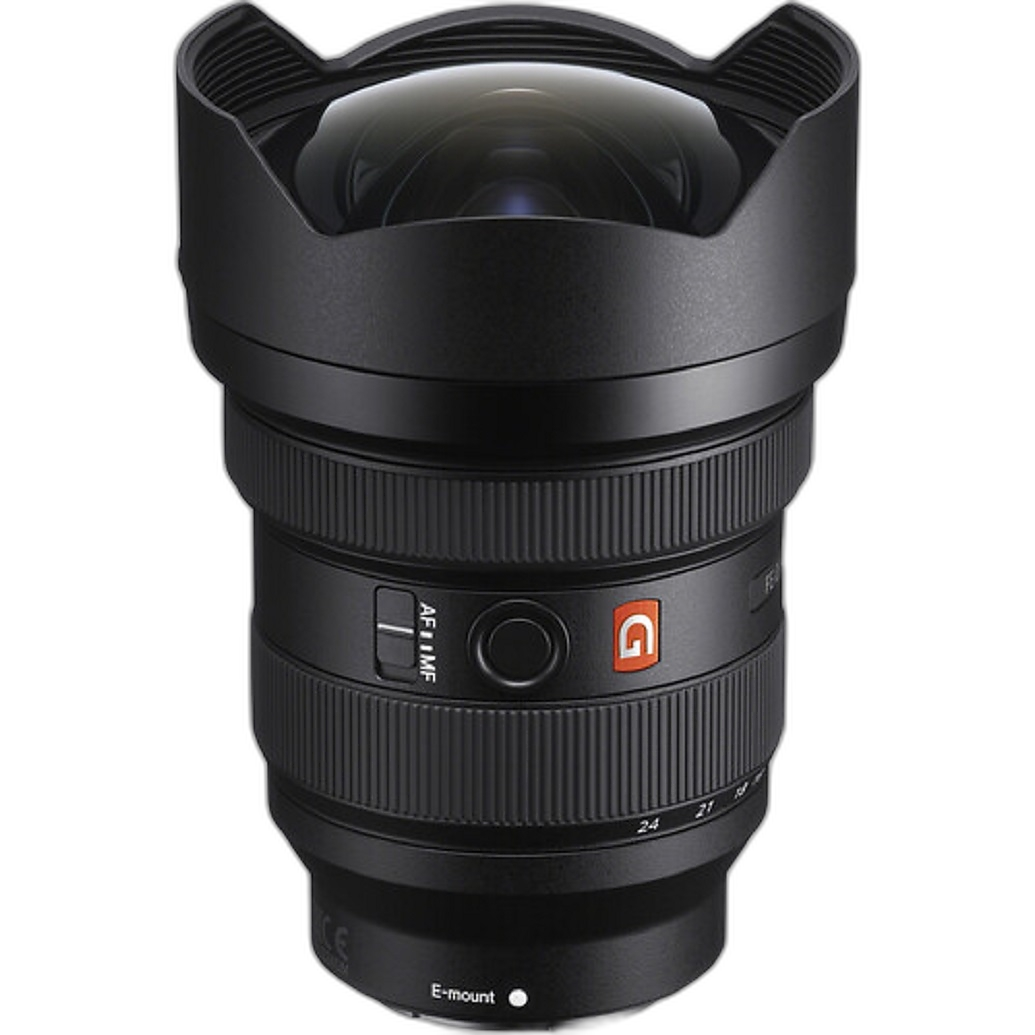
The Sony FE 12-24mm f/2.8 GM is exactly the kind of lens that benefits from an image render tool. At the ultra-wide end, small changes in focal length create dramatic shifts in perspective and scene coverage. If you are trying to decide whether 12mm is truly necessary for your work, Sony Lens Compare Beta can be surprisingly helpful.
Where the render should be trustworthy:
- Showing just how expansive 12mm feels compared to 24mm
- Helping architecture, landscape, interior, and event shooters understand composition possibilities
- Visualizing how close foreground elements can dominate the frame
Where the render may fall short:
- Communicating edge quality at ultra-wide settings
- Showing how well this GM lens controls flare and maintains contrast
- Reflecting the premium optical polish that often separates high-end lenses from average ones
For buyers who shoot dramatic landscapes, real estate, interiors, or environmental scenes, this is a top-tier lens whose value goes beyond what a beta render can show.
Best for: Landscapes, interiors, architecture, event spaces, dramatic video work
Sony FE 24-105mm f/4 G OSS Lens
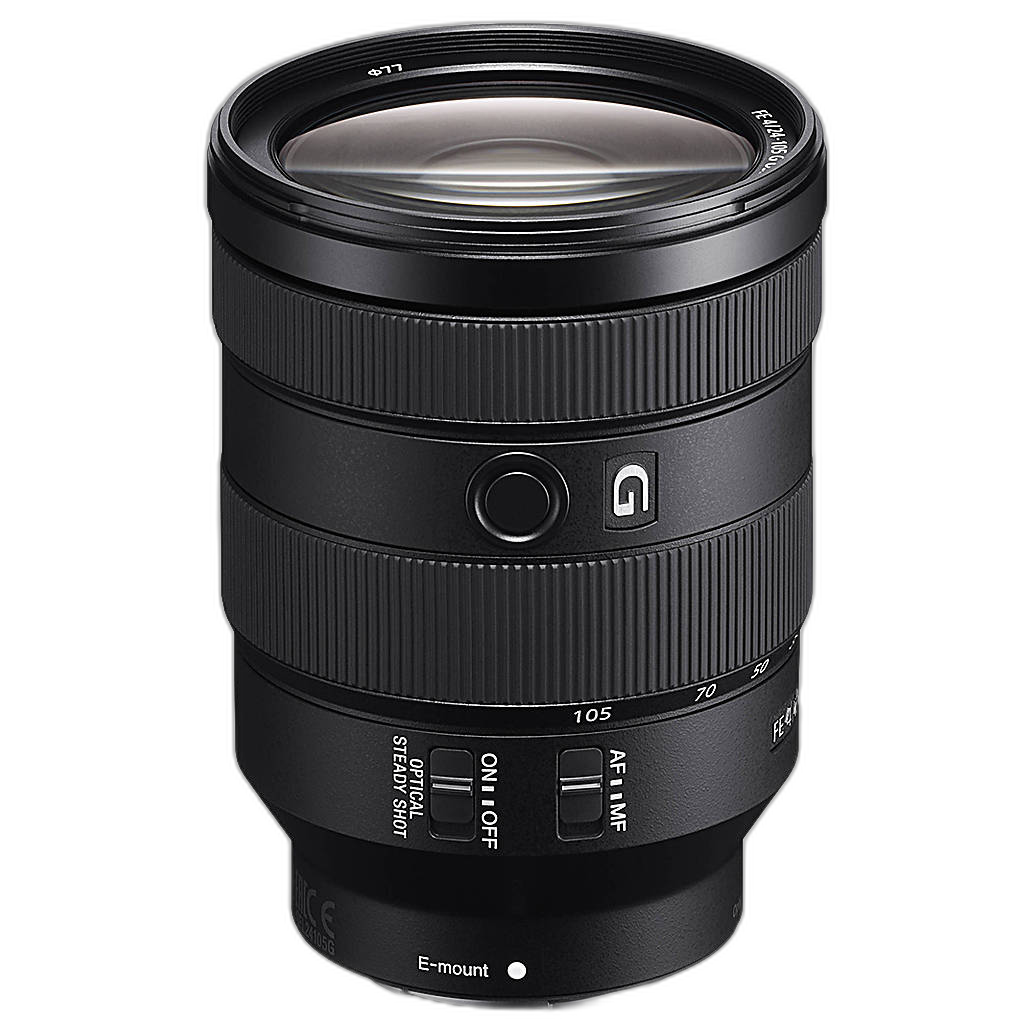
The Sony FE 24-105mm f/4 G OSS is one of the easiest lenses to appreciate in a comparison tool because its range covers so many everyday shooting situations. In Sony Lens Compare Beta, you will quickly see how it stretches from a practical wide angle to a short telephoto ideal for portraits, travel details, and compressed compositions.
Where the render should be trustworthy:
- Showing how much flexibility 24-105mm gives you in one lens
- Helping you visualize whether this zoom can replace carrying multiple primes or shorter zooms
- Demonstrating the practical jump from 24mm environmental views to 105mm tighter framing
Where the render may fall short:
- Representing stabilization benefits in real shooting
- Showing autofocus confidence for photo and video
- Capturing the convenience factor that makes this lens a favorite walkaround option
If your goal is to buy one lens that can handle travel, family, portraits, events, and day-to-day photography, the 24-105mm often looks compelling in renders and even better in real life.
Best for: Travel, general-purpose shooting, portraits, events, hybrid photo/video use
Our Pick
Our Pick: Sony FE 24-105mm f/4 G OSS Lens
If you are using Sony Lens Compare Beta as a shopping tool and want the lens whose strengths are easiest to confirm both on-screen and in real-world use, the Sony FE 24-105mm f/4 G OSS is the safest recommendation for most buyers. The renders clearly communicate its versatility, and that versatility translates directly to everyday shooting. It may not have the visual drama of the 12-24mm, but for most photographers, it is the more practical choice and the better all-around investment.
Quick Comparison Table
| Lens | Best Use | What Lens Compare Beta Shows Well | What You Still Need Real-World Testing For |
|---|---|---|---|
| Sony FE 12-24mm f/2.8 GM | Ultra-wide landscapes, architecture, interiors | Extreme field of view, perspective exaggeration, composition impact | Corner performance, flare control, premium optical rendering |
| Sony FE 24-105mm f/4 G OSS | Travel, portraits, everyday photography, events | Zoom range versatility, framing flexibility, practical focal-length coverage | Stabilization, autofocus feel, overall handling and balance |
How to Use Sony Lens Compare Beta More Effectively
To get better results from any lens render tool, follow a few simple rules:
- Use it for focal length decisions first. Ask what framing you need most often.
- Do not overjudge image character from renders. Real files tell the story better.
- Compare lenses with very different purposes. Beta tools are especially useful when the field-of-view gap is large.
- Think about your subjects. A landscape shooter and a travel shooter will interpret the same render very differently.
- Pair online comparisons with expert advice. Product specialists can help you understand what the renders do not show.
Final Verdict: How Accurate Are the Image Renders?
Sony Lens Compare Beta appears accurate enough to be genuinely useful for understanding framing, focal length differences, and general shooting intent. It is much less definitive for evaluating a lens's finer optical signature or overall user experience. If you treat the renders as a smart preview rather than a lab-grade test, they can absolutely help you shop more confidently.
For most photographers, the Sony FE 24-105mm f/4 G OSS Lens is the best place to start, while the Sony FE 12-24mm f/2.8 GM Lens is the standout choice if your work demands dramatic ultra-wide coverage. If you are ready to compare, upgrade, or get hands-on advice, Unique Photo is an excellent place to shop Sony lenses and find the right fit for your kit.