Photo contests can be exciting, motivating, and surprisingly demanding once deadlines, file specs, and judging criteria enter the picture. Whether you are submitting to an online gallery, a print-based competition, or a magazine cover search, a strong process can make the experience much smoother. Below are practical, member-inspired tips for choosing your best images, keeping your workflow organized, and adapting your files for different contest formats.

Start With the Rules Before You Start Editing
1. Read every requirement twice
One of the fastest ways to lose time on a contest submission is to prepare the wrong file. Before narrowing your images, check category definitions, cropping rules, size limits, aspect ratio requirements, color space, naming conventions, deadlines, and whether basic retouching is allowed. This is especially important for magazine-style contests and cover searches, where layout needs may matter as much as image quality. Programs like EXPO: Tips for New Jersey Monthlys Cover Search Contest with Laura Baer can be helpful for understanding how contests are judged and what organizers often look for in real submissions.
2. Build a checklist for each contest
Create a simple checklist with items like:
- Entry deadline and time zone
- Number of images allowed
- JPEG, TIFF, or print requirements
- Minimum and maximum pixel dimensions
- Caption or story requirements
- Model or property releases if needed
This keeps you from making last-minute mistakes when you are exporting files under pressure.
Choose Images With Purpose, Not Just Emotion
3. Edit to the contest theme first
Many photographers initially pick the images they personally love most, but contests are usually won by photographs that fit the brief clearly and immediately. If the theme is portraiture, action, storytelling, or regional identity, your strongest submission may not be your most dramatic frame overall. It may be the one that best answers the assignment.
4. Compare similar images side by side
When you have several strong options from the same shoot, place them next to each other and ask a few direct questions:
- Which image has the clearest subject?
- Which frame holds attention the longest?
- Which crop reads fastest at thumbnail size?
- Which file looks strongest both on screen and in print?
For online contests, impact at small preview size matters a lot. For print contests, tonal subtlety and detail reproduction can become more important.
5. Get outside feedback before you submit
A trusted second opinion can catch weak sequencing, repetitive selections, or small flaws you have stopped noticing. Community learning sessions and contest-related events such as the UUOnline (Free): NJ Monthly 2020 Cover Search Contest Winners Reveal can also give useful insight into what tends to stand out in winning work and how judges respond to image choices.

Build a Workflow That Makes Repeat Entries Easier
6. Create a dedicated contest folder structure
Instead of scrambling every time a deadline approaches, organize a repeatable structure such as:
- Contest Name
- Rules and screenshots
- Selects
- Final exports for web
- Final exports for print
- Submission confirmations
Saving confirmation emails, screenshots, and exported finals in one place makes it much easier to track what was submitted and when.
7. Use rating and keyword systems consistently
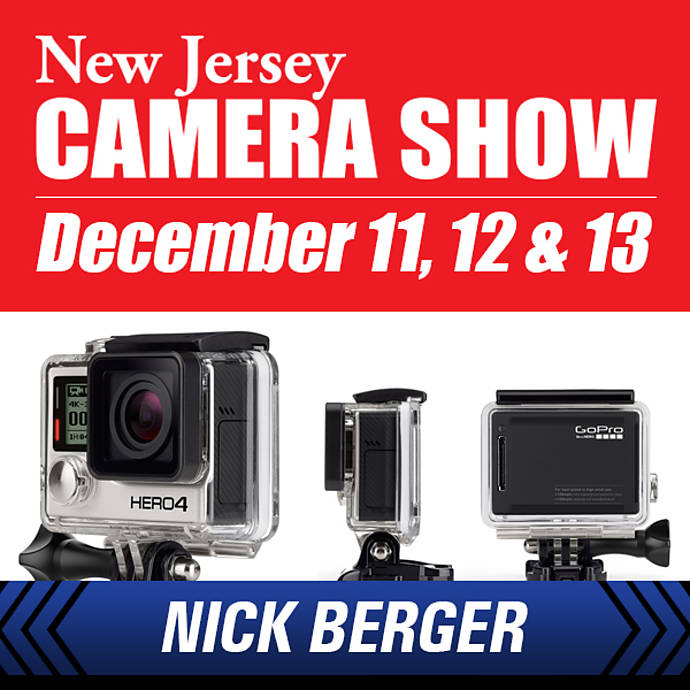
Flag likely contest candidates throughout the year rather than waiting until a call for entries opens. Star ratings, color labels, and keywords like “contest-ready,” “editorial,” “portrait,” or “print candidate” can save hours later. If you shoot action cameras or travel footage and stills, education like NJCS: Edit and Share Your GoPro Content with Nick Berger (GoPro) can help you refine your editing and sharing workflow so your best material is easier to locate and prepare.
8. Keep master edits separate from contest exports
Your archival master file should remain clean and flexible. Export separate versions for each contest based on its specifications. This matters because one competition may need sRGB JPEGs for online upload, while another may request Adobe RGB files or high-resolution prints with specific dimensions.
Optimize Differently for Online and Print Contests
9. For online contests, prioritize clarity and immediate impact
Digital judging often starts with small previews on a monitor. Make sure the subject reads quickly, highlights are controlled, and the composition stays strong even at reduced size. Check for over-sharpening, haloing, or muddy shadow areas that may look worse on screen than in your editing software.
10. For print contests, pay attention to tonal control and output quality
Print has a different presence than screen viewing. Subtle gradients, shadow detail, and paper choice can influence how your work is perceived. Soft-proof whenever possible, and do a test print if the contest stakes are high. Tiny issues in dust spotting, banding, or color cast may be much more obvious on paper.
11. Leave room when a layout may be involved
For cover searches and editorial contests, think beyond a perfect full-frame composition. A great image may still need clean space for mastheads, text, or crop adjustments. Learning-oriented sessions such as EXPO: Tips for New Jersey Monthlys Cover Search Contest with Laura Baer are especially relevant here because they highlight how strong photographs also need to function in a publication design context.
Use Lighting and Presentation to Strengthen Your Entry
12. Make sure your lighting supports the story
Judges notice more than technical correctness. They respond to mood, direction, and intention. If you are preparing new work specifically for competition, thoughtful lighting can separate a good image from a memorable one. Educational programs like UUOnline: Share the Light Live Demo with Bob Davis and Westcott can inspire better decisions around shaping light, refining portraits, and presenting subjects with more depth and polish.

13. Keep retouching contest-appropriate
Some contests welcome creative manipulation, while others expect documentary honesty. Avoid assuming the same editing style works everywhere. Clean up distractions if allowed, but do not cross the line on authenticity if the rules prohibit heavy compositing or content removal.
Manage Deadlines Without Rushing the Final Step
14. Submit early enough to troubleshoot
Web portals can fail, uploads can stall, and file sizes can get rejected. Aim to finish at least a day early if possible. That gives you time to resize, rename, re-export, or re-upload without panic.
15. Double-check captions, spelling, and metadata
Small details matter. A strong image can still look less professional if the title is sloppy or the caption contains errors. Before hitting submit, confirm:
- Your name is spelled correctly
- Image titles match your intended files
- Captions are clean and concise
- Required metadata is included or removed as requested
16. Track your entries and results
Maintain a spreadsheet or note with contest name, date entered, files submitted, fees, outcomes, and judge feedback if available. Over time, patterns emerge. You may discover certain subjects perform better, or that your work is stronger in online showcases than in print competitions. Even internal opportunities like a Unique Photo Employee Contest remind photographers that regular submission practice builds confidence and sharpens decision-making.
Conclusion
Successful contest submissions are rarely just about having one amazing image. They are about selecting with intention, preparing files correctly, and building a repeatable workflow that reduces stress and improves consistency. With the right habits, you can spend less time scrambling and more time presenting your work at its best. For more inspiration, education, and photography events, explore what Unique Photo has to offer and keep submitting your work with confidence.