Portrait Photography Lens Recommendations for Different Budgets
Great portrait lenses don’t have to drain your wallet. Whether you’re starting out, leveling up, or going all-in on premium optics, the right focal length and aperture will help you flatter faces, separate subjects from the background, and tell stronger stories. Here’s how to choose smart—at any budget—plus a few bonus tips to elevate every portrait you make.
Lens Recommendations by Budget
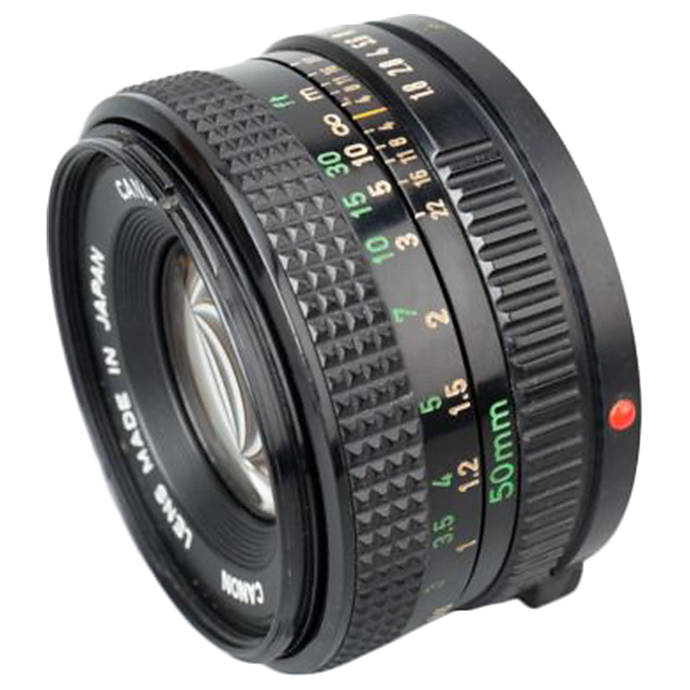
1) Best ultra-budget starter: a used 50mm prime (Canon FD 50mm f/1.8)
If you’re just getting into portraits, the classic 50mm is a budget-friendly hero. A used manual-focus option like the Canon FD 50mm f/1.8 delivers crisp results, a natural perspective, and background blur from its bright f/1.8 aperture. On modern mirrorless bodies, use a simple FD-to-your-mount adapter and enjoy learning manual focus—great practice for intentional portrait shooting.
- What it’s great for: head-and-shoulders portraits, low-light sessions, and creamy bokeh.
- Tip: Focus on the nearest eye and use focus peaking or magnify in live view for precision.
- Note: You’ll need an adapter for mirrorless bodies; operation is fully manual.
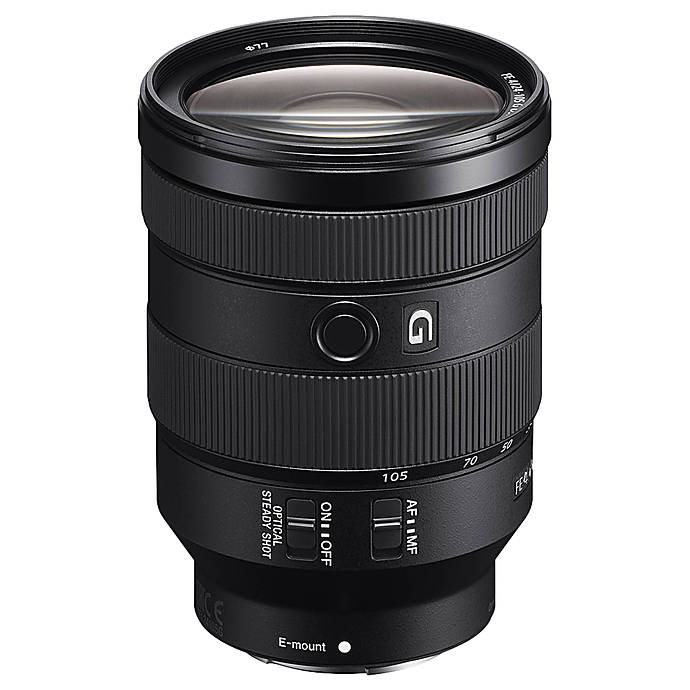
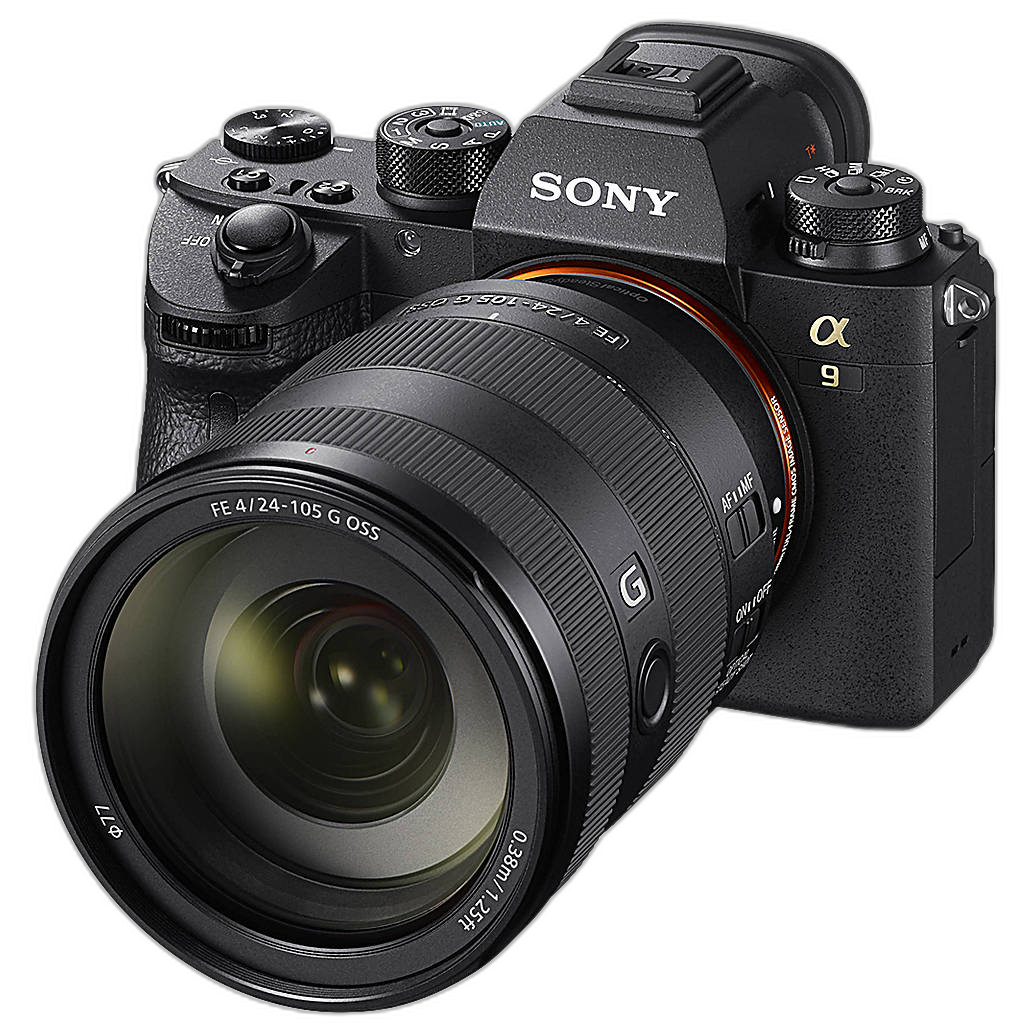
2) Best midrange all-in-one for Sony: FE 24–105mm f/4 G OSS
When you want one lens that can handle portraits and everything else, the Sony FE 24–105mm f/4 G OSS is a versatile pick. For portraits, the 85–105mm range is especially flattering, giving you comfortable working distance and gentle compression. While f/4 isn’t ultra-fast, optical stabilization helps you keep ISO lower, and the zoom range lets you adapt quickly during candid sessions.
- What it’s great for: lifestyle portraits, on-location sessions, and events where you can’t swap lenses.
- Tip: Zoom toward the long end (85–105mm) and step back for smoother background separation.
- Bonus: Add a touch of light (even a small LED or reflector) to keep eyes sparkling when shooting at f/4.
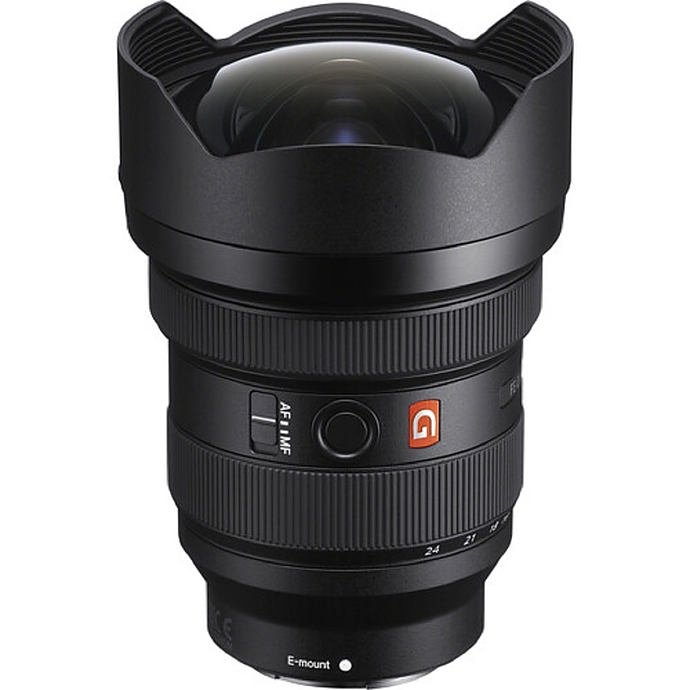
3) Best premium creative option: Sony FE 12–24mm f/2.8 GM
Ultra-wide and portraits? Absolutely—when you want environmental portraits with a sense of place. The Sony FE 12–24mm f/2.8 GM lets you frame your subject within dramatic architecture or sweeping scenery while keeping shutter speeds up thanks to f/2.8. Use the long end (around 24mm) to reduce distortion, keep your subject near the center, and mind the edges for clean lines.
- What it’s great for: environmental and group portraits, storytelling on location, and creative perspectives.
- Tip: Keep faces away from frame edges and shoot slightly above eye level to minimize distortion.
- Pro move: Blend off-camera lighting with ambient for a balanced, cinematic look.
4) Value pick for Micro Four Thirds shooters: OM SYSTEM M.Zuiko 12–200mm f/3.5–6.3
On Micro Four Thirds, this all-in-one zoom covers everything from environmental portraits to tight headshots. For flattering portraits, work in the 25–45mm range (50–90mm equivalent) and give yourself room to step back. While the aperture isn’t fast, good light and careful background choice still produce pleasing subject separation.
- What it’s great for: travel portraits, family sessions, and everyday versatility.
- Tip: Place your subject several feet from the background and shoot at the longer end to enhance blur.
Make Any Portrait Lens Shine
5) Invest in lighting skills to stretch any budget
Light directs attention, sculpts faces, and adds dimension—often more impact than a lens upgrade alone. If you’re building skills, try a focused lighting class to learn simple, repeatable setups you can use anywhere.
- Try this: Portrait Lighting Made Easy with Joel Grimes (Westcott) at Unique Photo. You’ll learn practical, high-impact techniques that improve portraits regardless of your lens.
- Instant win: Use a reflector under the chin outdoors to open shadows and brighten eyes.
6) Train your eye: backgrounds and composition matter
Strong portraits rely on clean backgrounds, leading lines, and subject separation—skills you can practice anywhere. Join a photo outing or workshop to sharpen your eye and bring those lessons back to your portrait work.
- Idea: A technique-focused class like Macro and Landscape Photography at Duke Farms with Michael Downey builds patience, composition, and attention to detail—key ingredients for compelling portraits.
- Practical tip: Before you press the shutter, scan the edges of the frame to remove distractions.

Conclusion
From a used 50mm prime to a flexible midrange zoom or a premium ultra-wide for creative storytelling, there’s a portrait-friendly option for every budget. Pair smart lens choices with intentional lighting and composition, and your portraits will stand out. If you’re ready to try, learn, or upgrade, visit Unique Photo online or in-store—we’re here to help you find the right gear and grow your craft.