Portrait Lens FAQ: Choosing the Best Focal Length, Sharpness, and Value
Portrait photographers often compare lenses based on rendering, subject separation, sharpness, and overall value—not just maximum aperture. The best choice depends on your camera system, shooting distance, preferred look, and whether you want a dedicated portrait prime or a flexible zoom for multiple assignments.
At Unique Photo, we help photographers sort through those tradeoffs every day. Below, we answer some of the most common questions about portrait lenses and highlight several strong options for shooters who want flattering perspective, beautiful background blur, and dependable real-world performance.
What focal length is best for portrait photography?
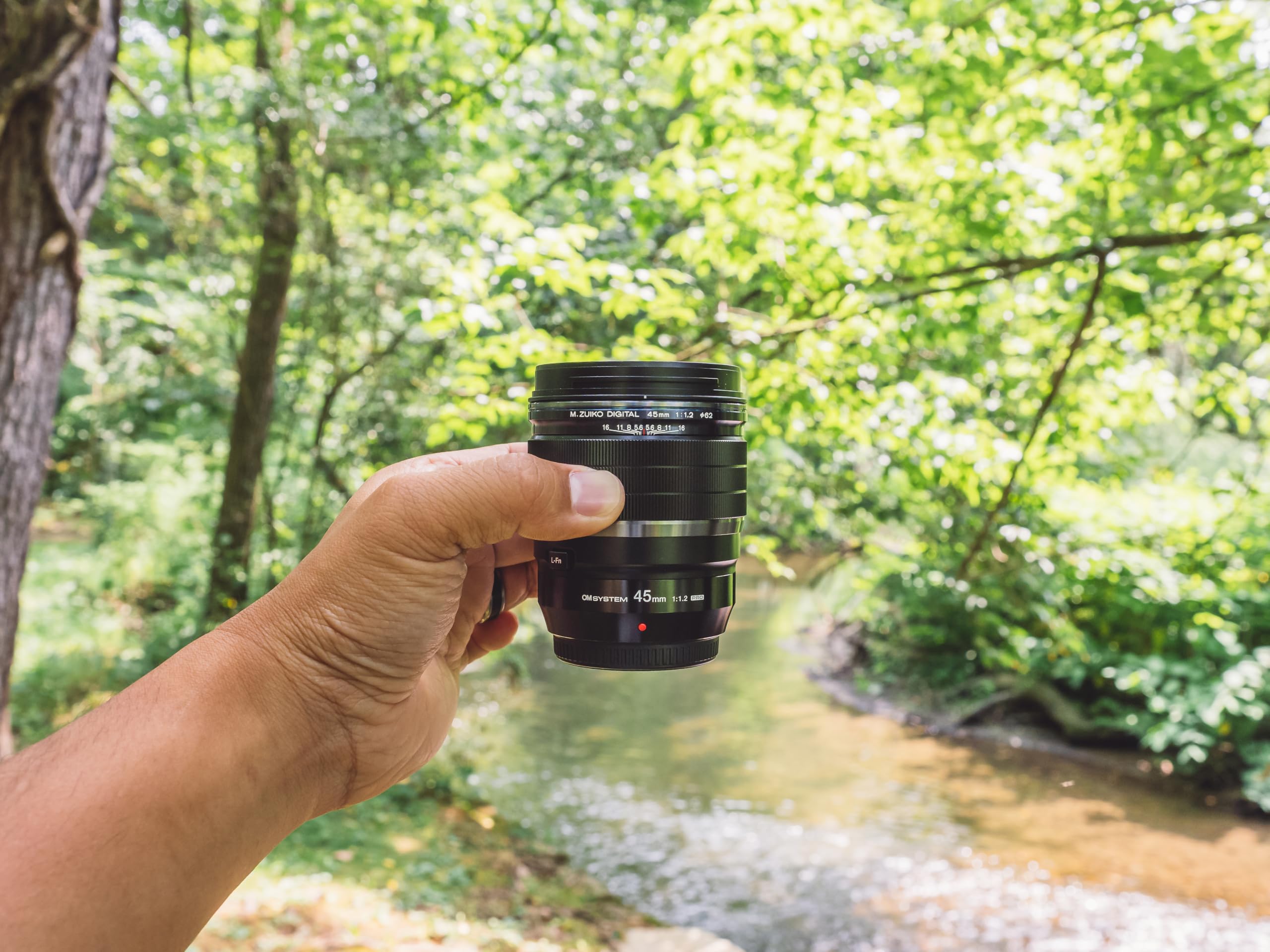
There is no single perfect focal length for every portrait, but a few ranges consistently stand out. Standard lenses around 50mm are excellent for environmental portraits and half-body framing, while short telephoto lenses—roughly 85mm to 90mm on full-frame—are especially popular for tighter headshots because they offer flattering compression without forcing you too far from your subject. On Micro Four Thirds, a lens like the OM SYSTEM M.Zuiko Digital ED 45mm f/1.2 PRO delivers an angle of view comparable to a classic short telephoto portrait lens, making it a premium option for subject isolation and shallow depth of field.
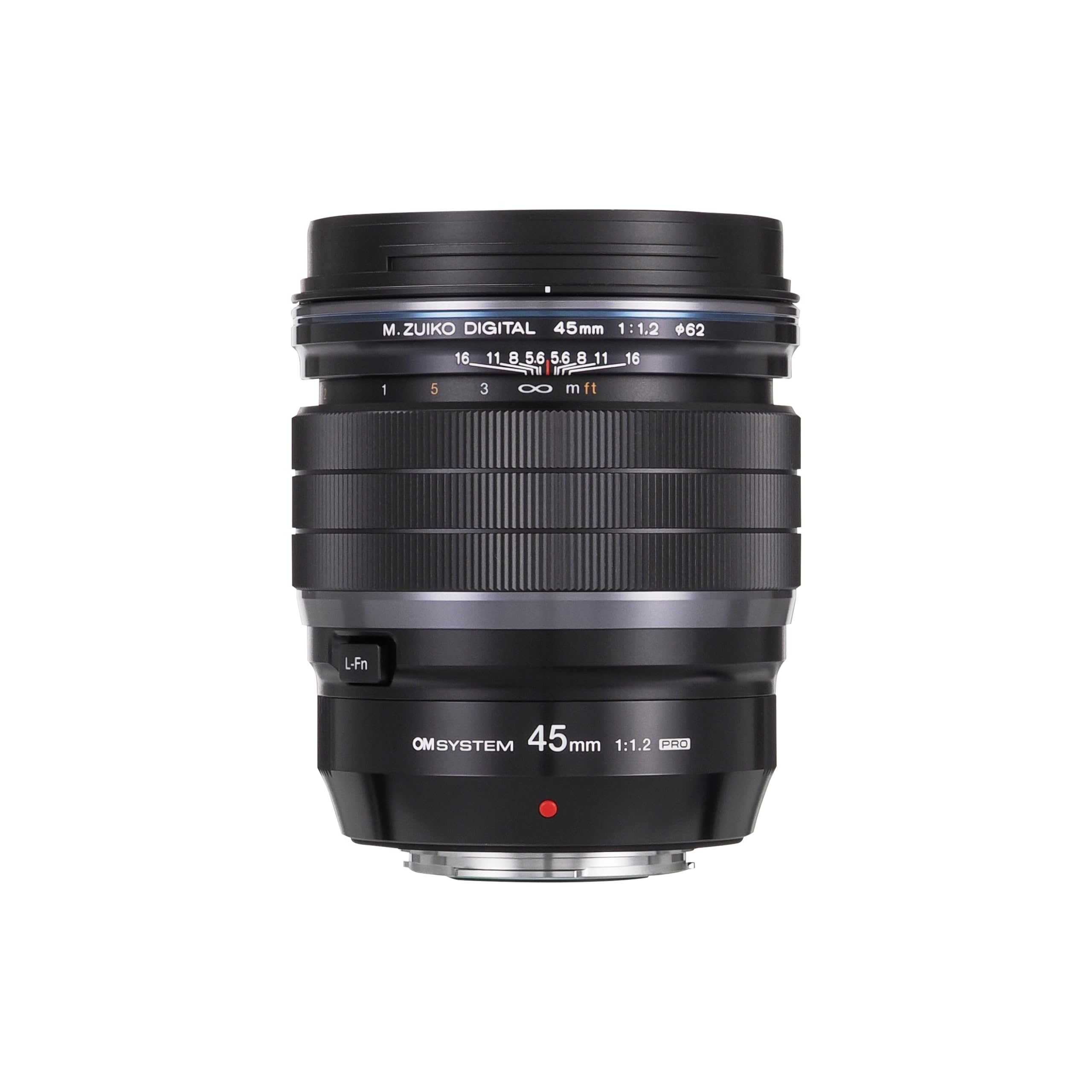
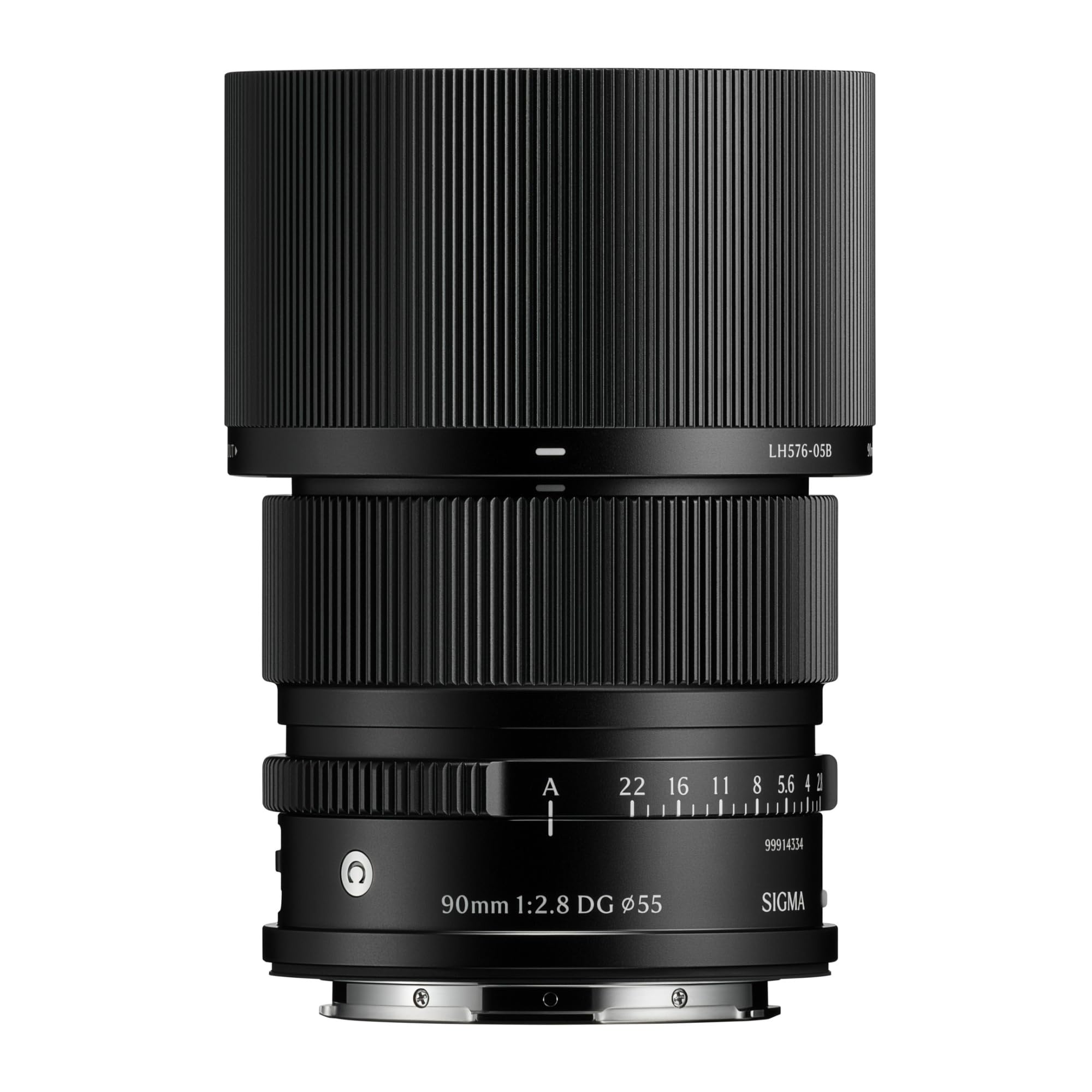
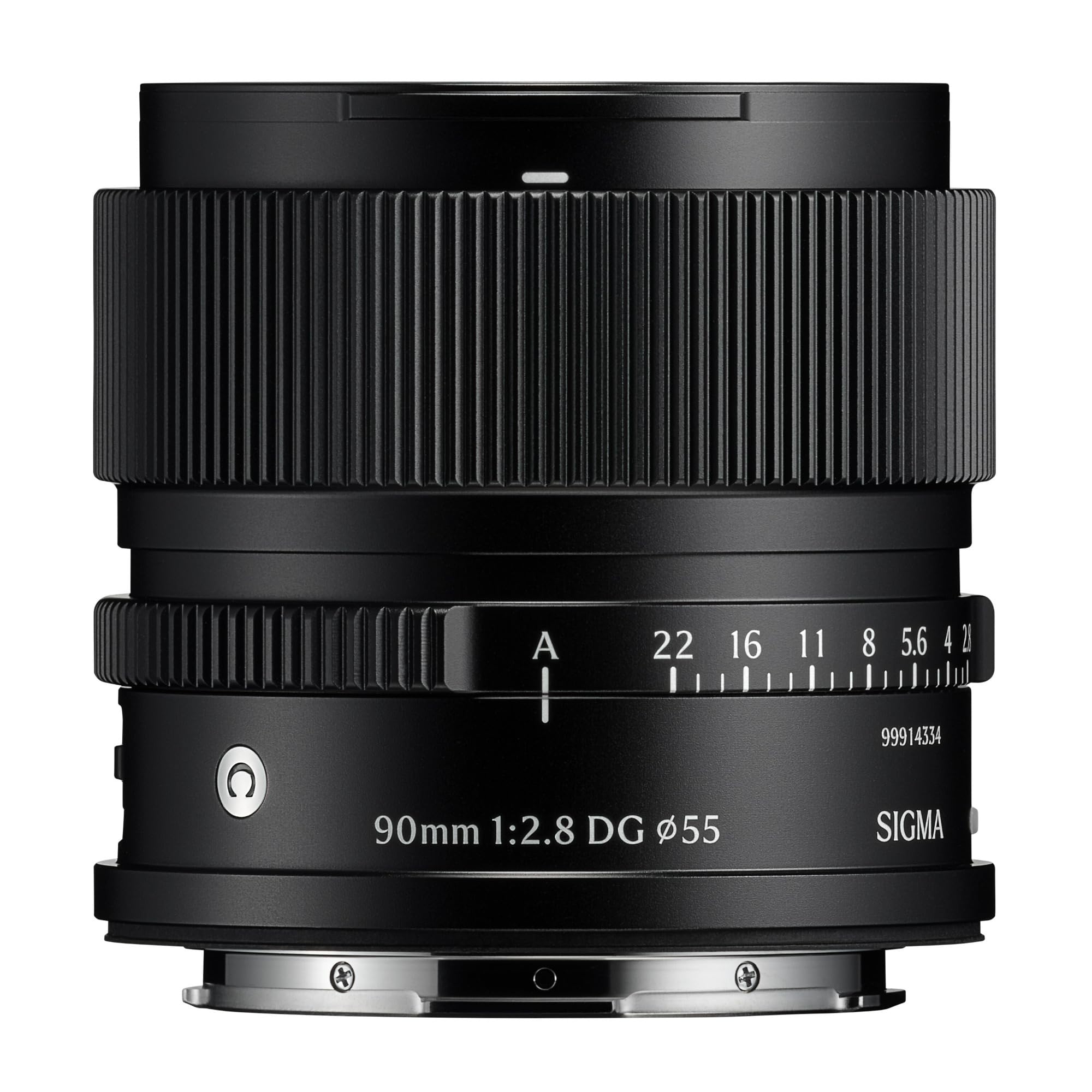
If you prefer a compact full-frame portrait prime, the Sigma 90mm F2.8 DG Contemporary is a very appealing focal length for flattering portraits, especially when you want a more refined, compressed look than a standard 50mm can provide.
Is a fast aperture always better for portraits?
Fast apertures can be extremely useful in portrait work, but they are not automatically better in every situation. A lens at f/1.2 or f/1.4 can create dramatic background blur and strong subject separation, which many photographers love for close-up portraits. That said, extremely shallow depth of field also makes focusing more critical, especially on the eyes, and it can be less practical for group portraits or subjects who move frequently.
The OM SYSTEM 45mm f/1.2 PRO is a great example of a lens designed for photographers who want that premium shallow-depth-of-field look. If your style leans toward creamy blur and low-light capability, a lens like this can be a standout. On the other hand, lenses such as the Leica APO-Summicron-SL 50mm f/2 ASPH or Sigma 90mm f/2.8 DG Contemporary show that excellent portrait results are still very achievable at more moderate apertures, often with the benefit of lighter weight, easier handling, and impressive sharpness.
How important is lens sharpness for portrait photography?
Sharpness matters, but portrait photography is about more than test-chart performance. A lens can be technically sharp and still feel too clinical for some photographers, while another lens may strike a more pleasing balance between detail and smooth rendering. In portraits, many shooters are really evaluating how a lens draws facial features, transitions from in-focus to out-of-focus areas, and handles skin texture.
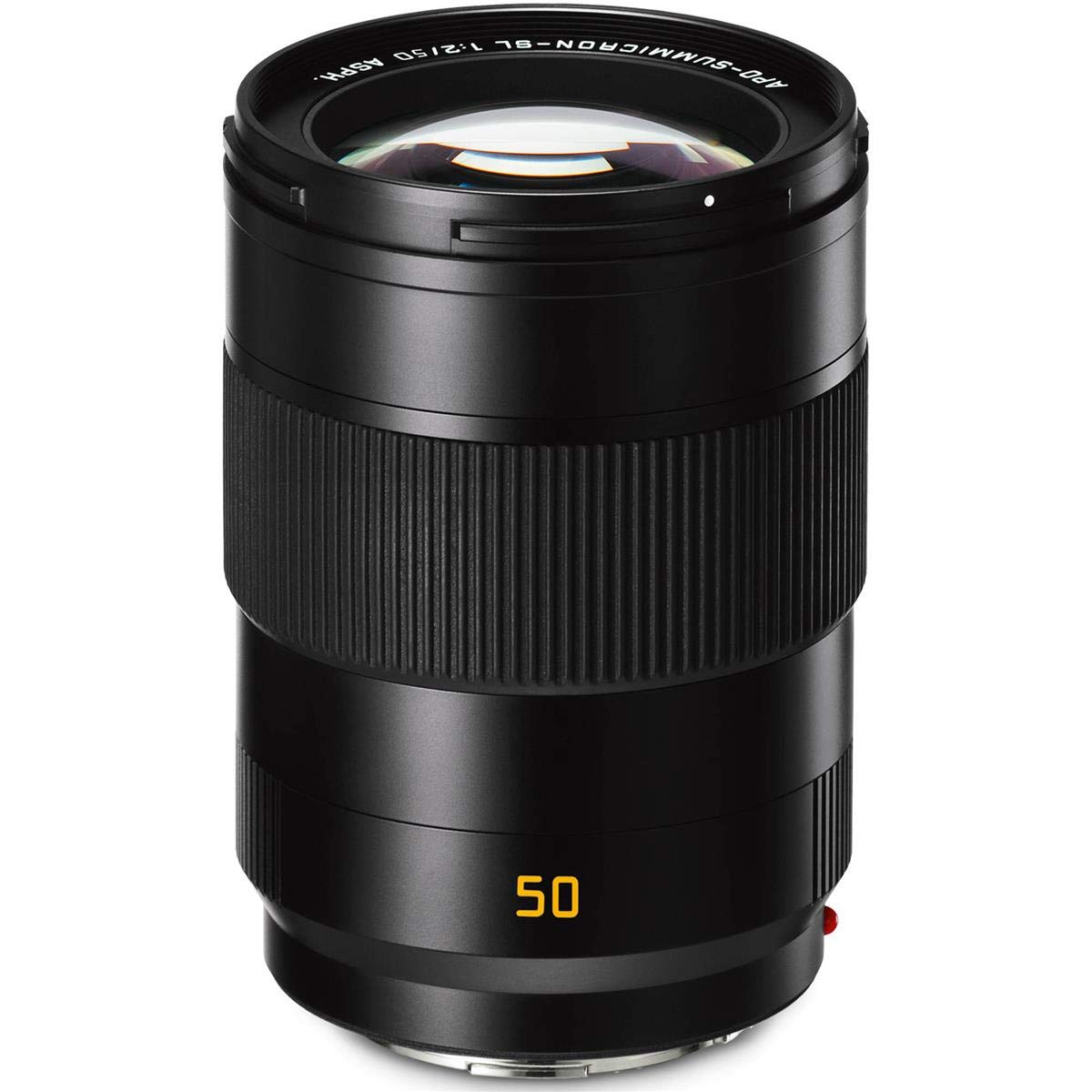
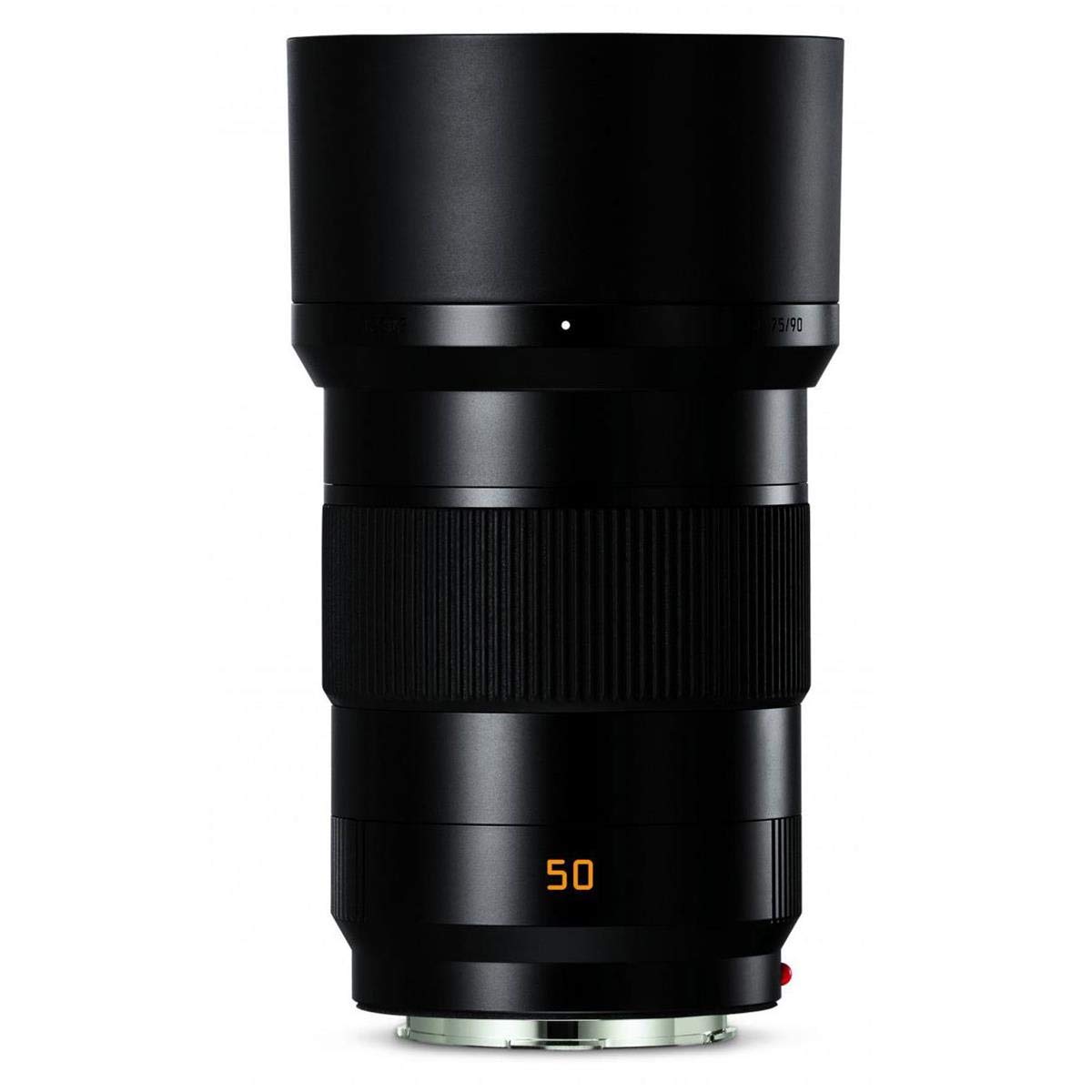
The Used Leica APO-Summicron-SL 50mm f/2 ASPH is a strong example of a lens valued for both optical precision and refined rendering. For photographers who want high-end image quality with excellent contrast and clean detail, this type of lens can be especially compelling for editorial, studio, and lifestyle portraits. If you want a portrait lens that feels more specialized toward tighter framing, the Sigma 90mm f/2.8 DG Contemporary offers a strong balance of crisp results and compact design.
Should I choose a prime lens or a zoom for portraits?
Prime lenses are often favored for portraits because they tend to offer wider apertures, smaller size for their class, and a more deliberate shooting experience. They are a great fit when you already know the look you want and are comfortable moving to refine composition. Portrait specialists frequently prefer primes in the 50mm, 85mm, or 90mm range because they encourage consistency and often deliver distinctive rendering.
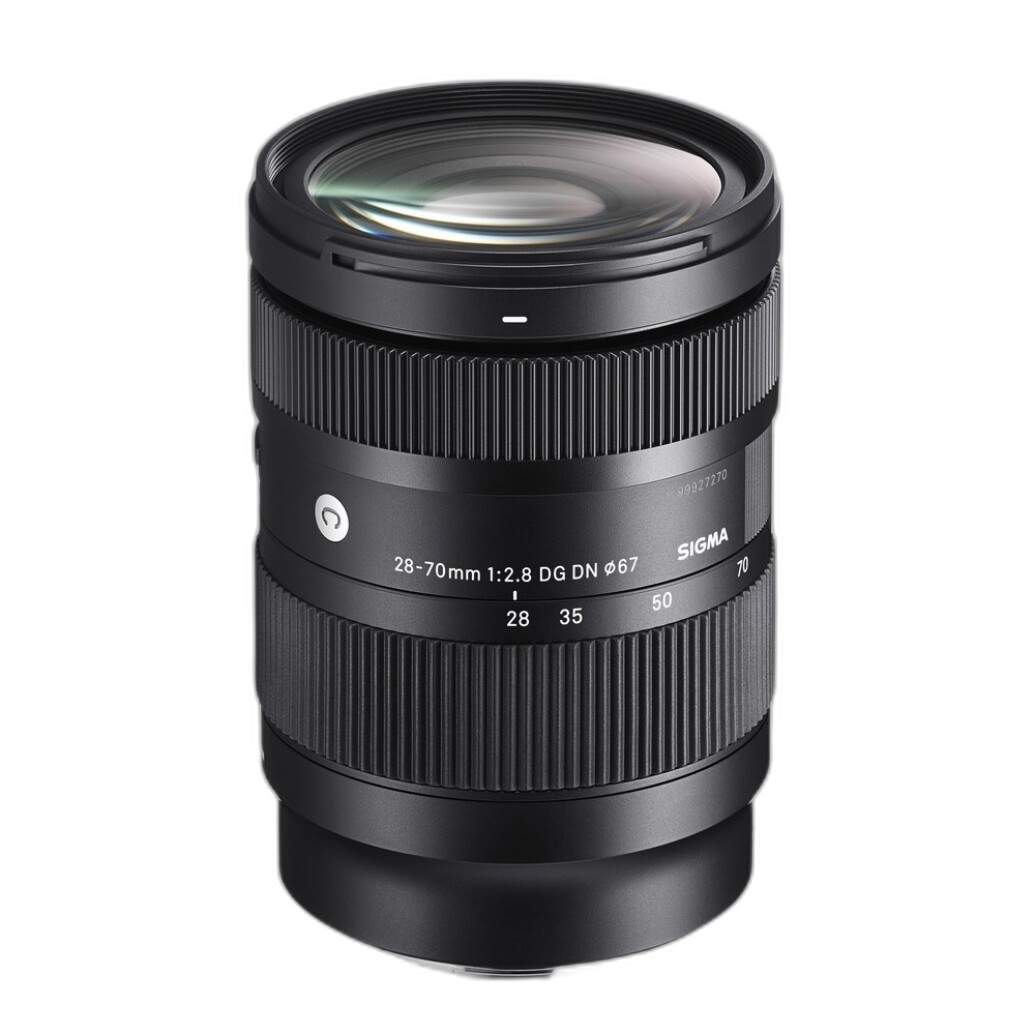
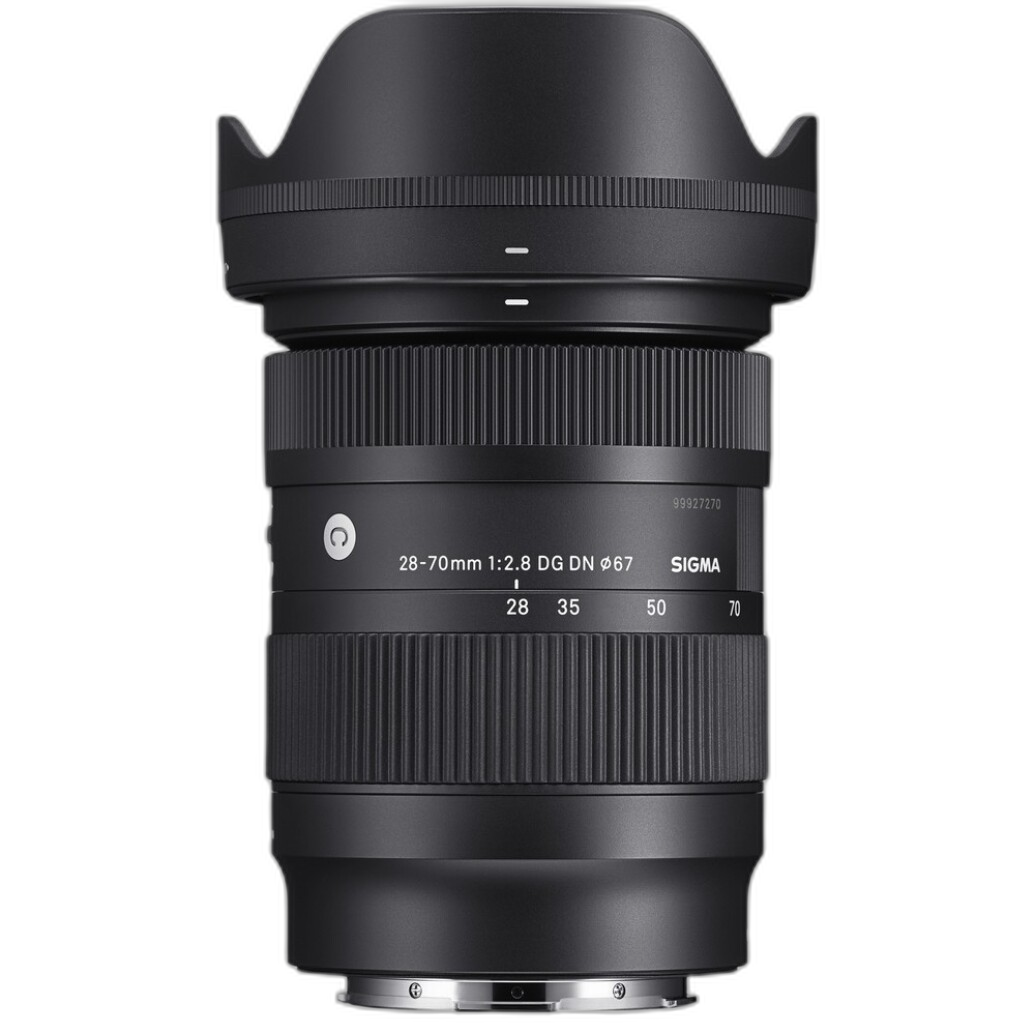
Zooms, however, are incredibly practical for event portraits, family sessions, and hybrid assignments where composition changes quickly. The Sigma 28-70mm f/2.8 Contemporary DG DN for L-Mount is a versatile option for photographers who need flexibility across environmental portraits, couples, and general-purpose shooting without switching lenses constantly.
If you want even more range in a used option, the Used Sigma 28-105mm F/2.8 DG DN ART for L Mount can be an appealing all-in-one portrait solution, giving you access to wider compositions and longer portrait-friendly focal lengths in a single lens. For DSLR shooters considering a classic telephoto portrait tool, a used Canon EF 70-200mm f/2.8L IS remains a proven choice for headshots, events, and compressed outdoor portraits.
Are 50mm lenses good for portraits, or should I go longer?
Fifty-millimeter lenses are absolutely good for portraits, especially if you like a natural perspective and want to include more of the setting. They work well for full-body portraits, environmental portraits, and documentary-style sessions where context is important. The tradeoff is that for very tight headshots, 50mm can sometimes introduce a less flattering perspective if you stand too close.
The Used Leica APO-Summicron-SL 50mm f/2 ASPH is a premium example of a 50mm lens suited to portrait photographers who want exceptional image quality and a natural field of view. If your work leans more toward classic headshots with stronger compression, moving to a 90mm option such as the Sigma 90mm f/2.8 DG Contemporary may better match your preferred look.
What is the best portrait lens option for Micro Four Thirds users?
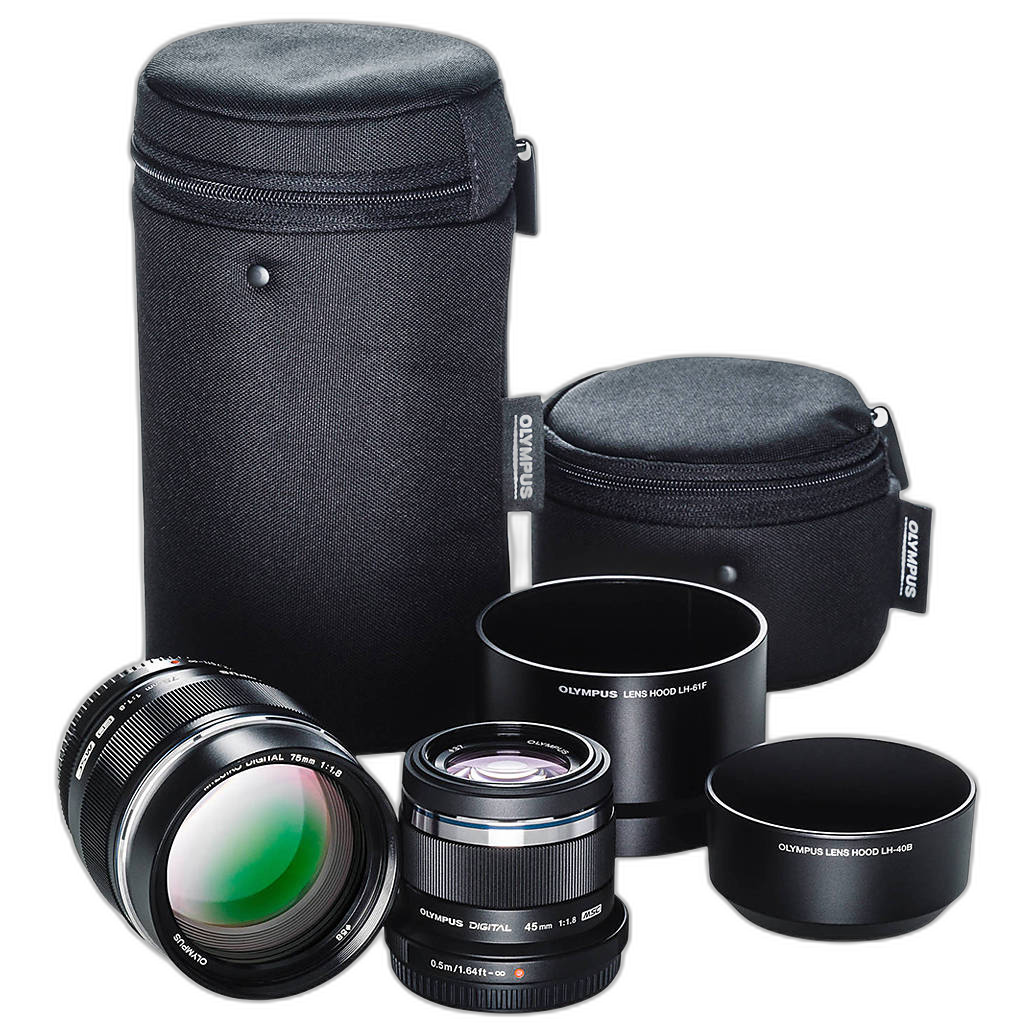
For Micro Four Thirds photographers, focal length selection is especially important because of the format’s crop factor. A lens around 42.5mm to 45mm is a classic portrait choice on this system, offering a field of view that feels very natural for portraits while still giving you attractive compression and separation. That is why the OM SYSTEM M.Zuiko Digital ED 45mm f/1.2 PRO stands out as a premium portrait lens in the system.
It is particularly attractive for photographers who shoot portraits professionally or who want top-tier subject isolation from Micro Four Thirds gear. For shooters looking to complement a portrait setup with a wider storytelling lens, a used Olympus M.Zuiko Digital 17mm f/1.8 can be a smart addition for environmental portraiture and behind-the-scenes lifestyle images.
How do I balance image quality and value when buying a portrait lens?
Value is about more than finding the lowest price. The best-value portrait lens is the one that gives you the look you want, performs reliably, and fits your workflow. Some photographers prioritize premium construction and elite optics, while others want a smaller lens that is easy to carry and still produces beautiful portrait results.
For photographers who want flagship-level character and speed on Micro Four Thirds, the OM SYSTEM 45mm f/1.2 PRO can justify its place as a specialized portrait tool. For L-Mount users who want versatility and affordability, the Sigma 28-70mm f/2.8 Contemporary offers broad usefulness beyond portrait work. For those chasing a refined portrait prime with a compact footprint, the Sigma 90mm f/2.8 DG Contemporary is especially appealing. And if you want premium Leica rendering at a more accessible price point than buying new, a used Leica APO-Summicron-SL 50mm f/2 ASPH is worth serious consideration.
Do used lenses make sense for portrait photographers?
Yes—used lenses can be an excellent way to improve your portrait kit while staying within budget. Many portrait lenses are built to last, and purchasing used can open the door to higher-end optics that may otherwise be out of reach. This is especially helpful when you are experimenting with focal lengths or upgrading from a general-purpose lens into something more portrait-specific.
At Unique Photo, used options such as the Leica APO-Summicron-SL 50mm f/2 ASPH, Olympus 17mm f/1.8, Sigma 28-105mm f/2.8 DG DN ART, and Canon EF 70-200mm f/2.8L IS can provide excellent value depending on your system and shooting style. For many photographers, the used market is the smartest path to better optics without compromising on creative possibilities.
Which portrait lens should I choose if I want one recommendation?
If you want the most specialized portrait look from the products listed here, the answer depends on your camera system. For Micro Four Thirds, the OM SYSTEM M.Zuiko Digital ED 45mm f/1.2 PRO is the standout choice for serious portrait work. For L-Mount shooters who want a dedicated, flattering portrait prime in a compact body, the Sigma 90mm f/2.8 DG Contemporary is a strong pick. If your style mixes portraits with lifestyle and general-purpose photography, the Sigma 28-70mm f/2.8 Contemporary is the most flexible option of the group.
The right portrait lens is the one that matches your subject matter, shooting distance, camera system, and preferred rendering. If you are comparing portrait primes, debating zoom versatility, or shopping used for the best value, Unique Photo can help you narrow the field and choose the lens that fits your style. Explore our portrait lens selection online or visit Unique Photo to get hands-on guidance from our team.