Building a Sony lens kit is easier when you can compare focal lengths, maximum apertures, formats, and intended shooting styles side by side. That is exactly where Sony Lens Compare Beta becomes useful. For photographers and filmmakers shopping through Unique Photo, this type of comparison tool can help narrow down whether you need a fast standard zoom, a portrait prime, or a more complete cinema-ready set for Sony E mount.
Instead of guessing which lens should come next, Sony Lens Compare Beta is most practical when you use it to solve real kit-building questions: What lens fills the biggest gap in your current setup? Do you need better low-light coverage, more reach for portraits, or a consistent set for video production? In this guide, we’ll break down the best practical uses for Sony Lens Compare Beta and how to turn those comparisons into a smarter Sony lens kit.
Use Sony Lens Compare Beta to identify gaps in your Sony lens kit
One of the most practical uses for Sony Lens Compare Beta is gap analysis. Many Sony shooters already own one lens and then struggle to decide what to add next. A comparison tool helps you lay out your current focal lengths and quickly spot overlap versus missing coverage.
For example, if you already own a standard zoom such as a 16-55mm range on APS-C, you may realize that your next best addition is not another midrange lens, but either a fast portrait prime or a wider lens for landscapes, interiors, and vlogging. If your work leans more cinematic, you may find that a coordinated prime set gives you more consistency than collecting unrelated single lenses over time.
At Unique Photo, this is a smart way to shop intentionally instead of buying based only on sale pricing or hype. A lens kit should be built around use cases, not just specifications in isolation.
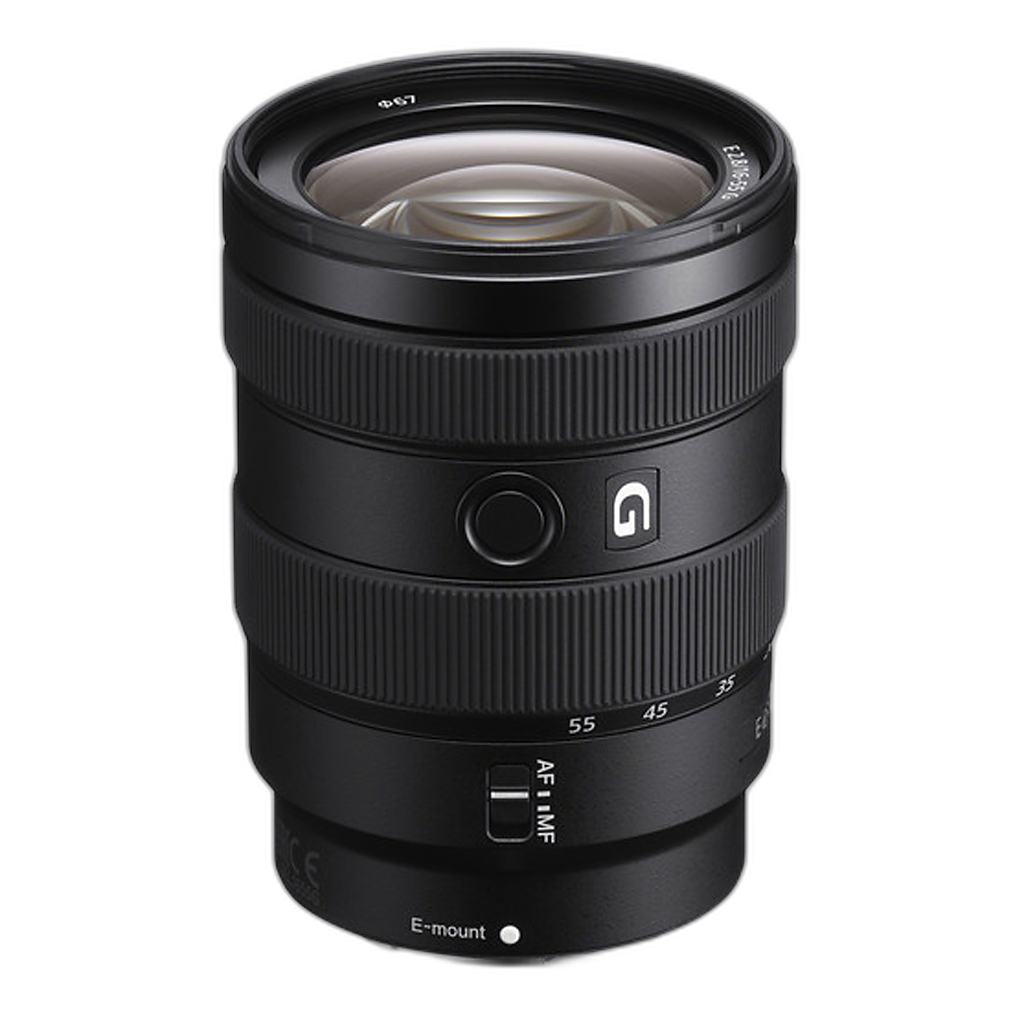
A lens like the Sony 16-55mm f/2.8 G is a good example of a practical starting point. In Sony Lens Compare Beta, this kind of zoom can be evaluated against primes to determine whether you need more speed, more background separation, or more specialized focal lengths.
Compare focal lengths for portraits, travel, events, and video
Another strong use for Sony Lens Compare Beta is choosing the right focal lengths for your shooting style. Lens kit planning becomes much more effective when you stop asking, “Which lens is best?” and instead ask, “Which focal length is best for what I shoot most?”
Here are a few practical examples:
- Portrait photographers can compare short telephoto and telephoto options to see how compression and working distance change.
- Travel photographers can compare wide-to-standard zooms against compact primes to decide whether versatility or lighter weight matters more.
- Event shooters can compare fast zooms and primes for low-light flexibility.
- Hybrid creators and filmmakers can compare matched prime focal lengths to build a more consistent visual language across scenes.
If you are building a portrait-focused Sony E mount kit, comparing a zoom against a dedicated portrait prime can be especially revealing. A longer, faster prime may offer the subject isolation and rendering you want, even if your zoom already technically covers that focal length.
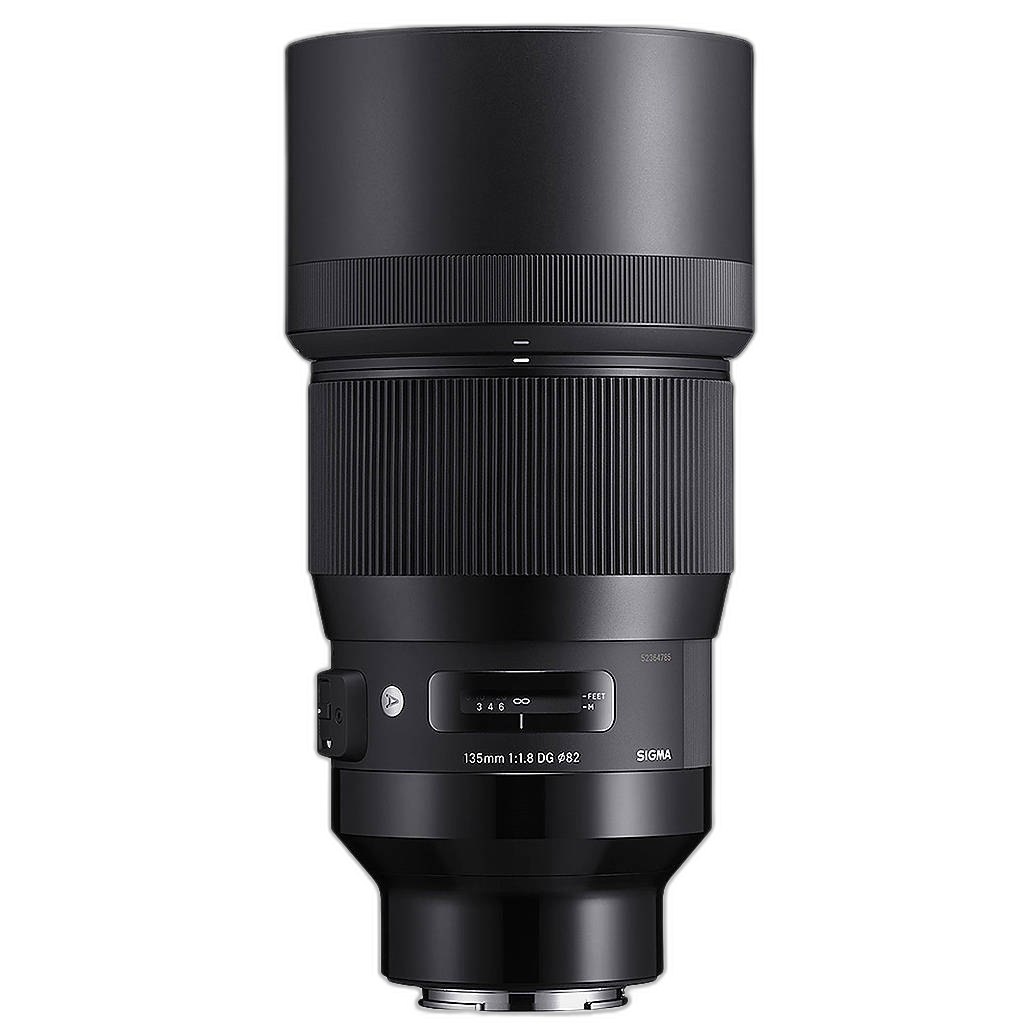
For instance, the Sigma 135mm f/1.8 DG HSM Art for Sony E is the kind of lens that stands out in comparisons for portrait, detail, and compressed cinematic framing. Sony Lens Compare Beta can help you see where a lens like this complements, rather than duplicates, your everyday zoom.
Use aperture comparisons to prioritize low-light performance
Many lens buyers focus first on focal length, but maximum aperture is often the deciding factor in real-world shooting. Sony Lens Compare Beta is especially useful for evaluating whether the jump from f/2.8 to f/1.8 or from photographic glass to T1.5 cine lenses is worth it for your work.
This matters in several common scenarios:
- Indoor events where you need faster shutter speeds
- Portrait work where shallow depth of field is a creative priority
- Video production where lower light levels are common
- Night and ambient-light shooting where preserving ISO performance matters
If your current Sony lens kit feels limiting after sunset or indoors, the practical use of the comparison tool is simple: compare not just range, but speed. A fast aperture lens can change the type of work you can confidently accept.
Build a more consistent cine kit for Sony E mount production
For filmmakers, one of the best practical uses for Sony Lens Compare Beta is building a matched cinema lens kit instead of a patchwork set of still lenses. Comparing cine lenses by focal length, T-stop, and set completeness helps ensure more consistent exposure, color, and handling across a production.
This is especially relevant for Sony E mount users working with FX-series cameras, cinema rigs, gimbals, and follow focus systems. In these setups, consistency matters as much as optical quality. A matched set of lenses can simplify lens swaps, reduce balancing changes, and create a more unified visual result.
Unique Photo carries several Sigma cine lens kit options for Sony E shooters, and these are natural fits for filmmakers using comparison tools to decide between a smaller core set and a more complete prime lineup.
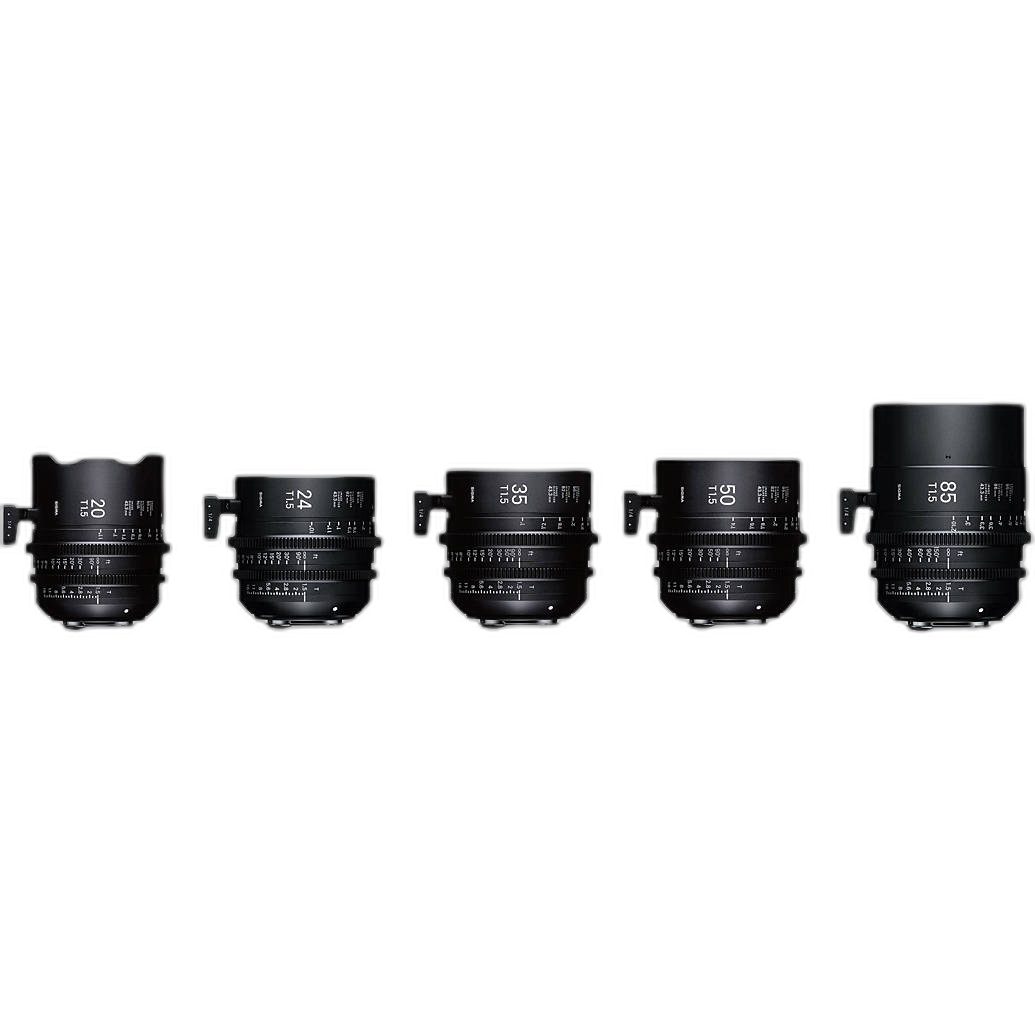
The Sigma T1.5 FF High-Speed 5 Fully Luminous Prime Lens Kit with Case for Sony E is a practical option for crews that want a fast, coordinated prime foundation. In a lens comparison workflow, this type of kit stands out for users who want consistency across multiple focal lengths rather than mixing photo lenses with different ergonomics and rendering styles.
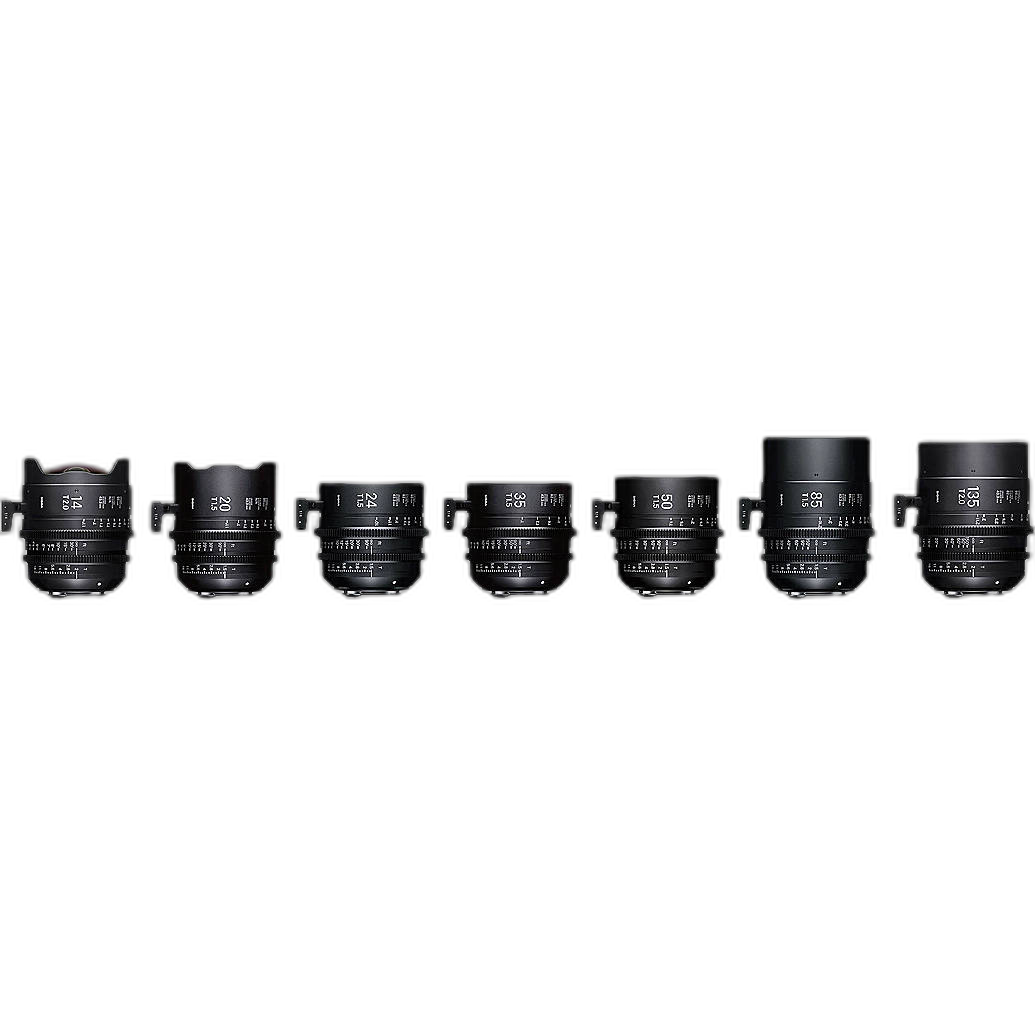
If you need broader focal length coverage, the Sigma T2/T1.5 FF 7 Fully Luminous Lens Kit with Case for Sony E can make even more sense. Sony Lens Compare Beta is useful here because it helps you decide whether a 5-lens set already covers your projects or whether expanding to 7 lenses will reduce rental needs and on-set compromises.
Compare complete lens kits versus individual lens purchases
One overlooked use for Sony Lens Compare Beta is budget planning. Many photographers and filmmakers start by comparing individual lenses, but the smarter move is often comparing the long-term value of a complete kit versus buying pieces over time.
For filmmakers, this can mean evaluating whether a multi-lens Sigma cine set offers better consistency and cost efficiency than assembling several individual primes one by one. For photographers, it can mean deciding whether one strong zoom plus one specialist prime is a better immediate investment than collecting multiple overlapping lenses.
At Unique Photo, practical lens shopping often comes down to how quickly you need a working kit. A complete kit may cost more up front, but it can save money, improve consistency, and speed up your production workflow.
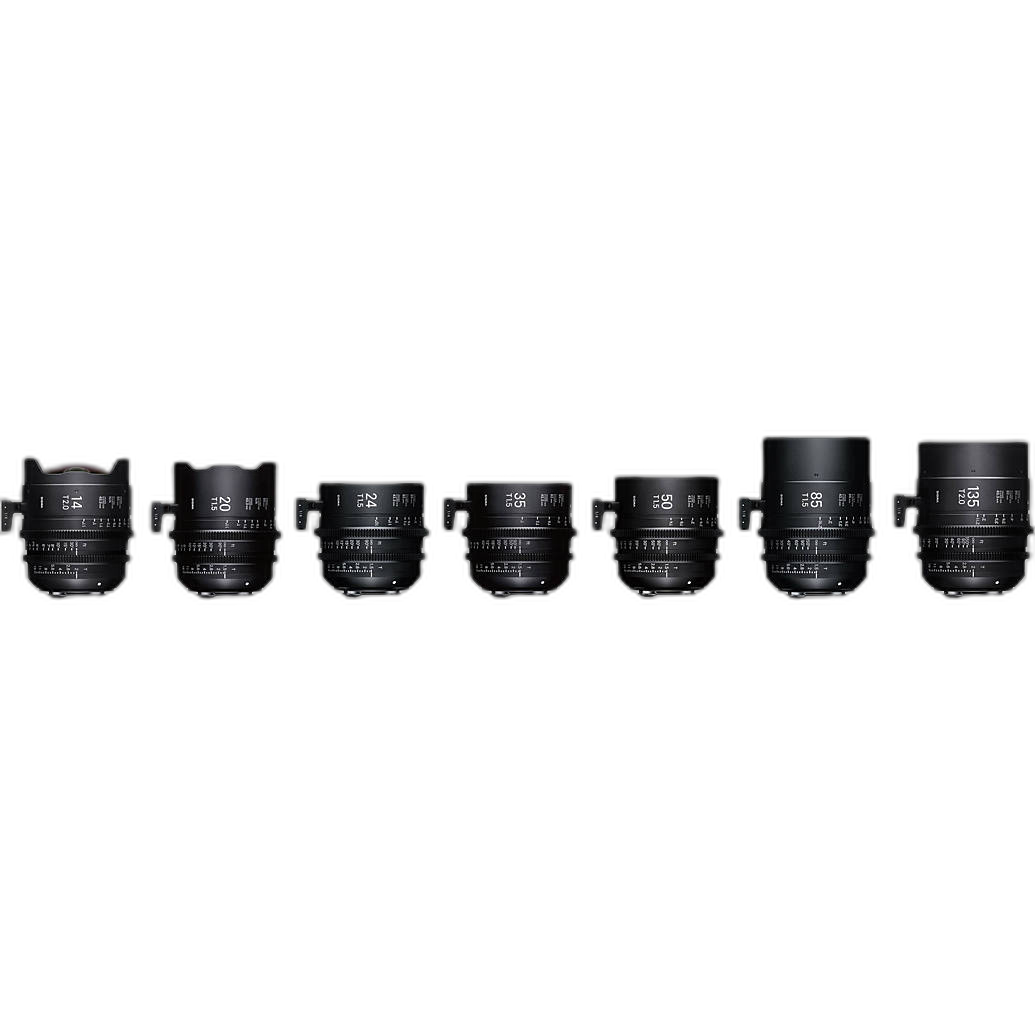
The Sigma T2/T1.5 FF 7 Lens Kit with Case for Sony E is a good example of a purchase that makes more sense when compared at the system level rather than as seven separate decisions. Sony Lens Compare Beta helps clarify whether your work justifies building a full-range prime setup now.
Use Sony Lens Compare Beta to avoid redundant focal lengths
Redundancy is one of the biggest lens kit mistakes. It is easy to buy lenses that are individually appealing but functionally repetitive. Sony Lens Compare Beta helps reveal whether a new lens truly expands your capabilities or simply overlaps with what you already own.
For example, if you own a 16-55mm f/2.8, adding another similar midrange lens may not improve your results much. But adding a 135mm portrait lens, a true ultra-wide, or a matched cine prime may meaningfully extend your creative range.
This kind of comparison is especially helpful for hybrid shooters who alternate between photo and video. A lens that seems redundant for stills may still make sense for video if it offers better manual focus behavior, geared rings, or matched cine performance. The comparison process helps you evaluate that distinction more clearly.
Match lenses to camera bodies and shooting formats
Sony Lens Compare Beta is also practical when you are building around a specific Sony body. A lens kit for an APS-C camera will look different from one built for full-frame photo or cinema work. Comparing lenses in context helps you avoid buying based on specs alone.
For APS-C users, a standard zoom may cover most day-to-day needs, making the next smart purchase a portrait or low-light prime. For full-frame shooters, the comparison may point toward broader specialization across wide, normal, portrait, and telephoto focal lengths. For cinema users, the decision is often about how to create a complete set with predictable operation and visual consistency.
Unique Photo shoppers can use this strategy to align lenses with actual camera format and production goals instead of assembling a random collection of E-mount glass.
Practical workflow tips for using Sony Lens Compare Beta effectively
To get the most from Sony Lens Compare Beta when building a Sony lens kit, use this simple process:
- List your current lenses and note your most-used focal lengths.
- Identify your main work: portraits, weddings, travel, documentary, commercial video, or narrative filmmaking.
- Compare by role, not just by brand. Look at which lens solves a specific job.
- Check overlap so you do not duplicate focal lengths without a clear reason.
- Prioritize aperture and handling if low light or video work matters.
- Think in systems. A coordinated lens kit often works better than a collection of isolated good lenses.
This is where Unique Photo becomes especially helpful as a retailer. Once the comparison process reveals what your kit actually needs, it becomes much easier to shop confidently for used lenses, premium still lenses, or full cinema kits.
Best lens kit outcomes Sony Lens Compare Beta can help you reach
When used well, Sony Lens Compare Beta can help different users arrive at different but equally smart outcomes:
- The efficient APS-C kit: a standard zoom plus one portrait or low-light prime
- The portrait-focused full-frame kit: a standard lens plus a dedicated longer prime such as 135mm
- The hybrid creator kit: a versatile zoom for run-and-gun work plus select fast primes for controlled shoots
- The cinema production kit: a matched set of Sigma cine primes for Sony E mount
That is the real value of comparison tools: they do not tell everyone to buy the same lens. They help you build the right kit for the way you actually shoot.
Conclusion: turn Sony lens comparisons into a better buying plan
The best practical uses for Sony Lens Compare Beta all come down to one goal: building a Sony lens kit with less guesswork and more purpose. Whether you are comparing focal lengths, low-light performance, portrait options, or complete cine sets, the tool is most helpful when it guides real purchase decisions rather than casual browsing.
For shoppers at Unique Photo, that means comparing lenses as part of a larger system plan. A used standard zoom may be the right anchor for an APS-C setup. A dedicated 135mm prime may unlock stronger portrait work. A Sigma cine lens kit may be the smartest path for filmmakers who need matched Sony E mount coverage across a production workflow.
If you continue researching, good internal linking opportunities would include Sony E-mount lens buying guides, APS-C vs full-frame lens articles, portrait lens recommendations, and cinema lens kit comparisons. Those topics naturally complement this one and can help you refine your next Unique Photo lens purchase with even more confidence.