Ask ten portrait shooters which film stock renders the best skin tones and you’ll hear passionate, experience-backed answers. Drawing from conversations with photographers in the Unique Photo community and beyond, this guide distills user favorites for color rendition, tips for flattering skin, and smart ways to keep costs under control—whether you shoot 35mm or 120.
What makes a film stock great for portraits?
Portrait work is all about believable color, smooth tonality, and forgiving exposure. Users consistently highlight:
- Skin-tone accuracy: Warm, natural hues without magenta or green casts.
- Wide latitude: Color negative films that tolerate overexposure and protect highlights.
- Fine but characterful grain: Texture that flatters faces, especially in 35mm.
- Consistent color under mixed light: Predictable results across daylight, shade, and tungsten (with filtration when needed).
- Availability and cost: Stocks you can actually find—and afford—to shoot regularly.
Color negative favorites for natural skin tones
Color negative film dominates portrait recommendations thanks to its exposure latitude and pleasing tone curves.
- Kodak Portra 400: The community’s default portrait film. Neutral-to-warm palette, excellent highlight retention, and forgiving exposure. Common user practice: rate at EI 200–320, meter for the shadows, and overexpose by ~2/3 stop for creamy skin.
- Kodak Portra 160: Tighter grain and a slightly more subdued palette than 400. Users like it for controlled or bright daylight portraits, especially in 120 where fine detail matters.
- Kodak Gold 200 (budget hero): Golden warmth that flatters skin in sunlight. It’s punchier and grainier than Portra but widely loved for lifestyle portraits and the price-to-look ratio.
- Kodak Ultramax 400: An affordable 400-speed option. More contrast and grain than Portra 400; users often expose at EI 200–320 for softer skin transitions.
- Lomography Color 400/800: Versatile, vivid color that can be tamed by overexposure. Lomo 800 is a popular pick for ambient light portraits at dusk or indoors.
- Kodak Ektar 100: Super-saturated with very fine grain. Many portrait shooters use it sparingly—great for fashion/editorial in bright light but can oversaturate reds in skin. Filter and careful exposure help.
- CineStill 800T: Tungsten-balanced for night portraits under practicals. Expect cooler skin under daylight unless you add an 85 filter or correct in printing/scanning. The halation glow around highlights is a stylistic favorite.
Black-and-white portrait classics
Monochrome simplifies skin tone into luminance and texture, which can be deeply flattering.
- Kodak Tri‑X 400: Punchy, timeless grain with midtone richness. Users love it for characterful portraits and flexible pushing (EI 800–1600).
- Ilford HP5+ 400: Slightly gentler contrast than Tri‑X with highly forgiving exposure and beautiful tonality on skin. Also pushes well.
- Ilford Delta 100/400 and Kodak T‑Max 100/400: Modern T‑grain sharpness with smooth midtones—great when you want a cleaner, contemporary look.
Speed, exposure, and skin-friendly technique
- Choose speed by light: ISO 100–200 for bright sun or strobes; ISO 400 as a versatile all-rounder; ISO 800 for low light and ambient portraits.
- Overexpose color negative slightly: Many shooters rate Portra and consumer 400 films at EI 200–320 for supple highlights and smooth skin.
- Meter for the shadows: Give skin enough exposure; color negative film protects highlights well.
- Pushing/pulling: Push 400 films to 800 for moodier contrast; pull for lower contrast and finer grain when shooting in hard sun.
- Filter wisely: An 81A/85 filter can warm cool shade or balance tungsten stock under daylight.
Cost and availability: keeping portraits on budget
Cost is real—especially if you’re building a portrait portfolio. Photographers report:
- 35mm vs 120: 120 yields smoother tones and bigger scans for portraits, but per-frame cost is higher. 35mm offers more frames per roll and a livelier grain that many love.
- Consumer color stocks (Gold/Ultramax/Lomo 400) offer a very compelling look-to-cost ratio for casual and lifestyle portraits.
- Home development for B&W significantly cuts cost. C‑41 at home is feasible once you stabilize your process; E‑6 (slide) is pricier and less forgiving for skin.
- Batching lab orders, buying multi-packs, or switching to a 400-speed “house stock” helps both consistency and savings.
Printing and scanning: skin tones are finished in the darkroom or lab
Final color and contrast come together in scanning and printing. Many users prefer a soft scan curve to preserve highlight roll-off on faces, then fine-tune in print. If you run a minilab or work with a local lab, paper and chemistry matter.
For RA‑4 printing on compatible systems, photographers and labs look for consistent papers and consumables. Unique Photo stocks Fujifilm paper and printer supplies suitable for portrait output and lab maintenance:

- Fujifilm DIGITAL PRO Glossy color enlarging paper: Reliable, neutral base for warm, flattering skin tones with a clean gloss finish.
- Fujifilm Paper Super Type CN Matte: A matte surface many portrait shooters love for a subtle, premium feel.
- Fujifilm Digital RA PRO chemistry (lab scale) for consistent RA‑4 processing across sessions.
Inkjet and hybrid printers are also popular for proofing and small runs:
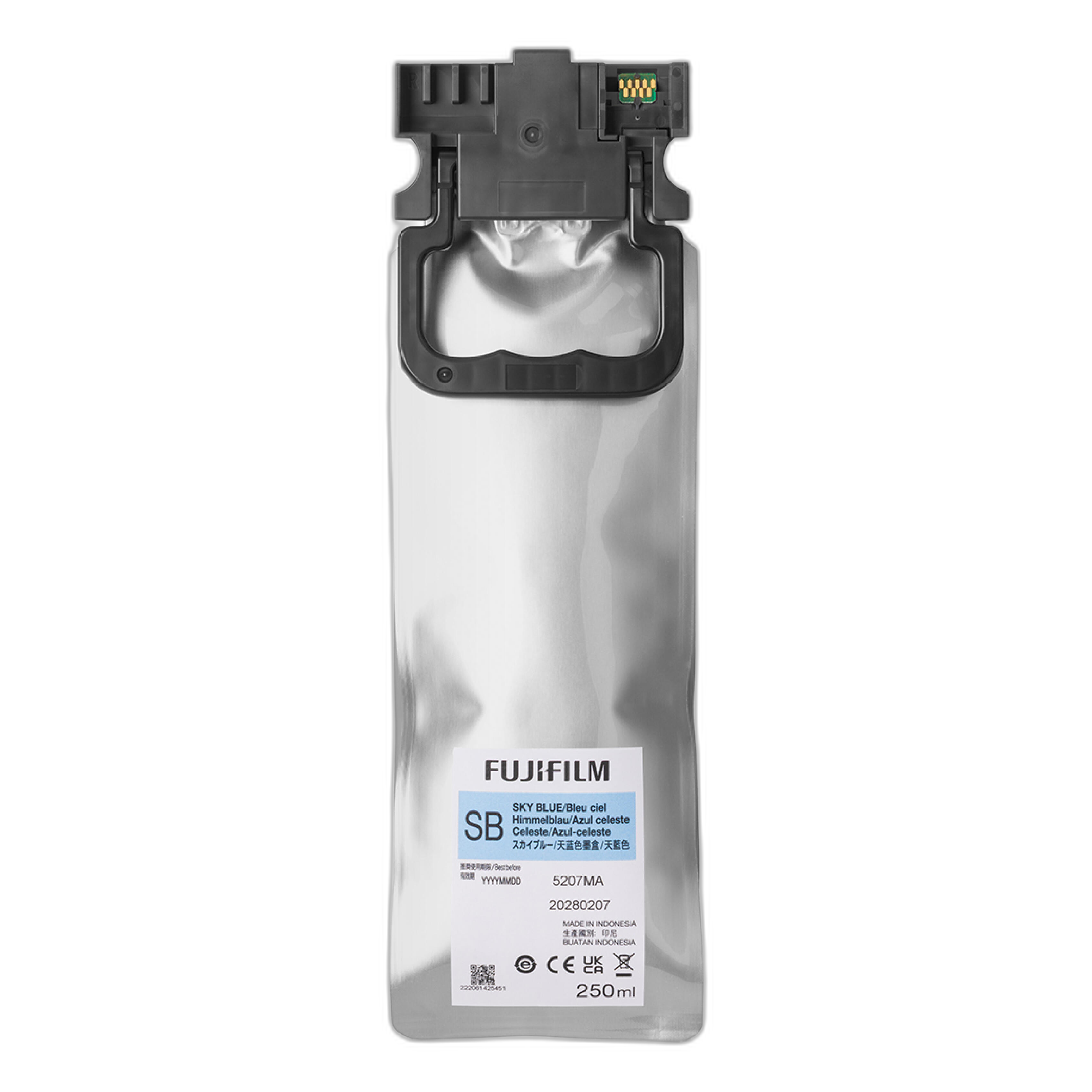
Tip: Calibrate your workflow and consider a modest warming curve for cooler scans to keep skin lifelike without clipping highlights.
Hybrid workflows and helpful accessories for portrait shooters
Plenty of portrait photographers shoot film and digitize with a camera, or mix film with mirrorless bodies on set. A few user-recommended helpers you’ll find at Unique Photo:
- Camera scanning with medium format: If you digitize with a Fujifilm GFX body, keep power sorted during longer sessions.
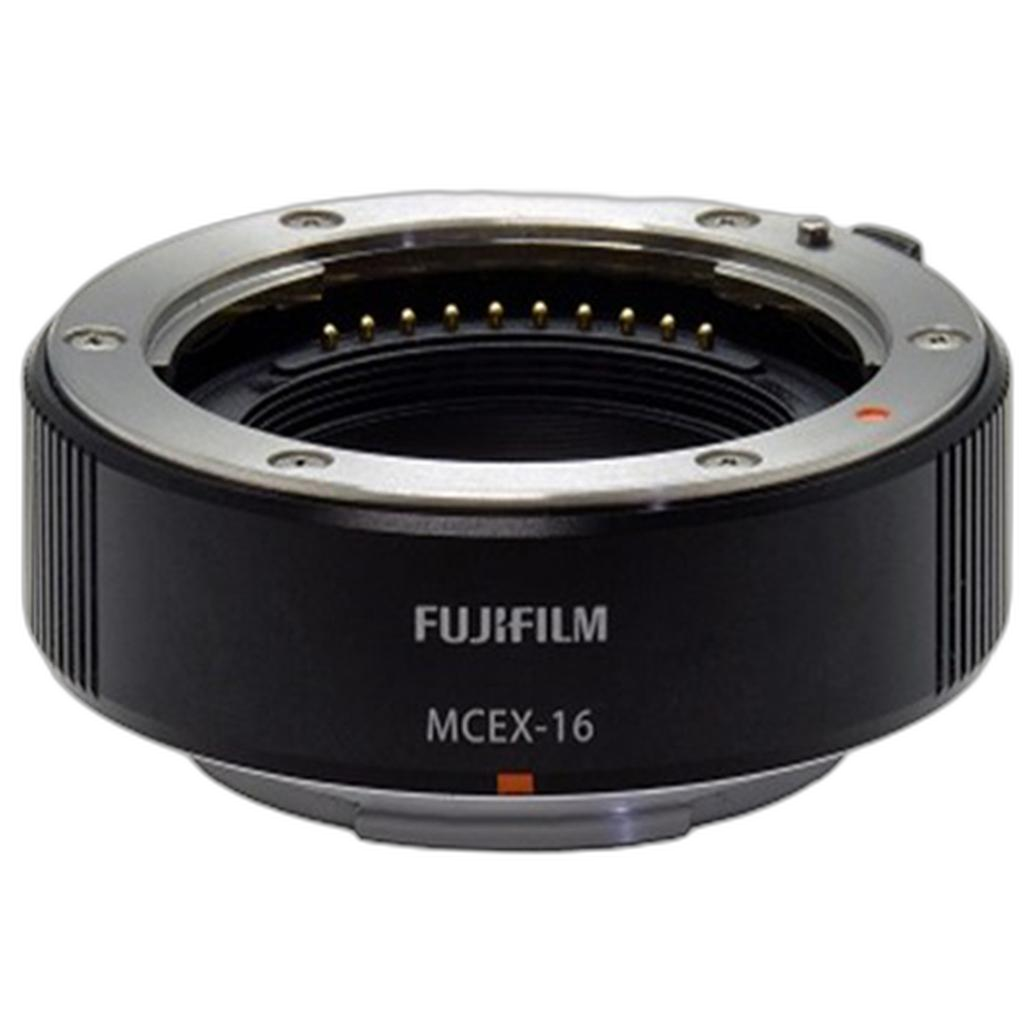
- Close-up portrait details or copy work on Fujifilm X: An extension tube shortens minimum focus distance for tight eyes/lashes or for negative capture with a suitable lens.
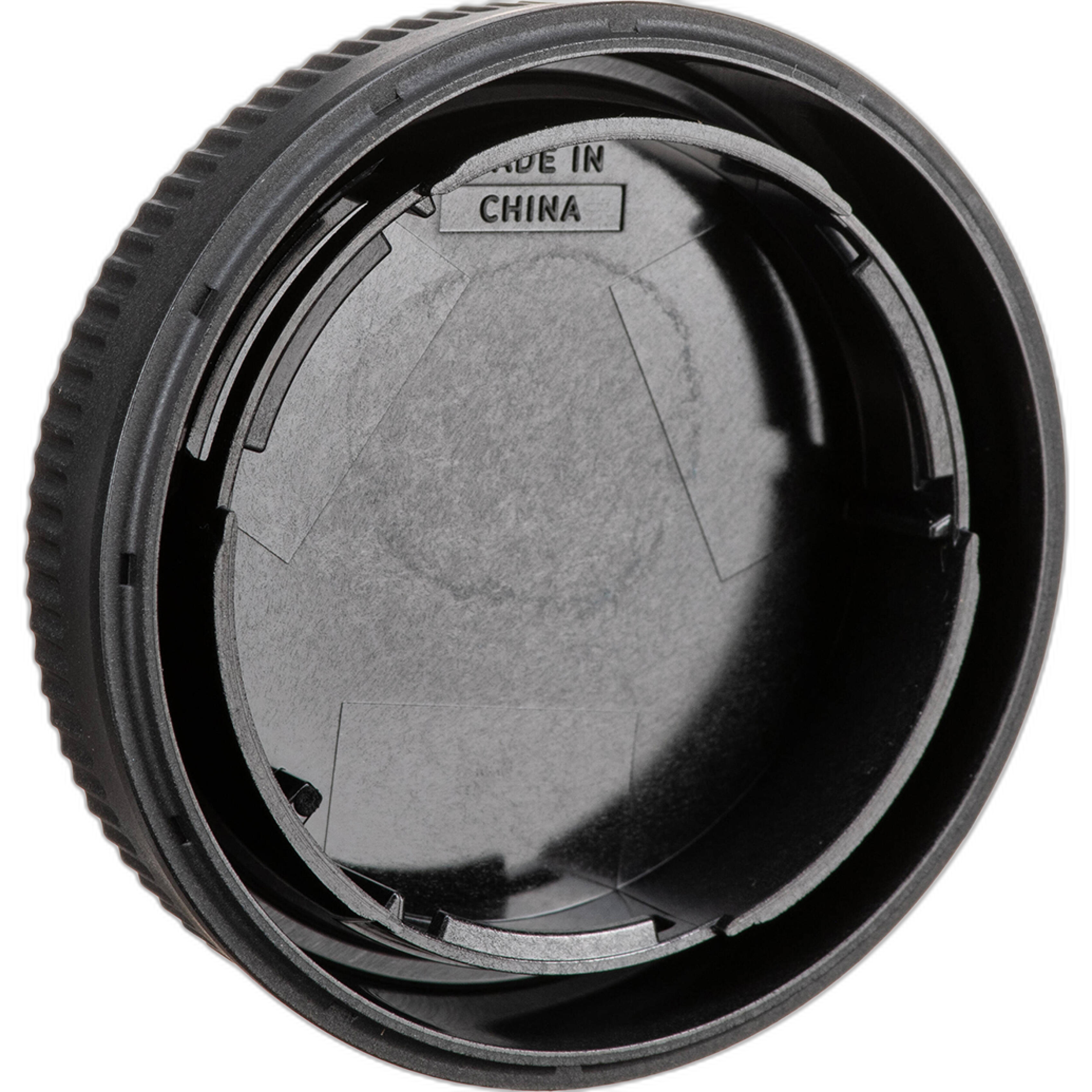
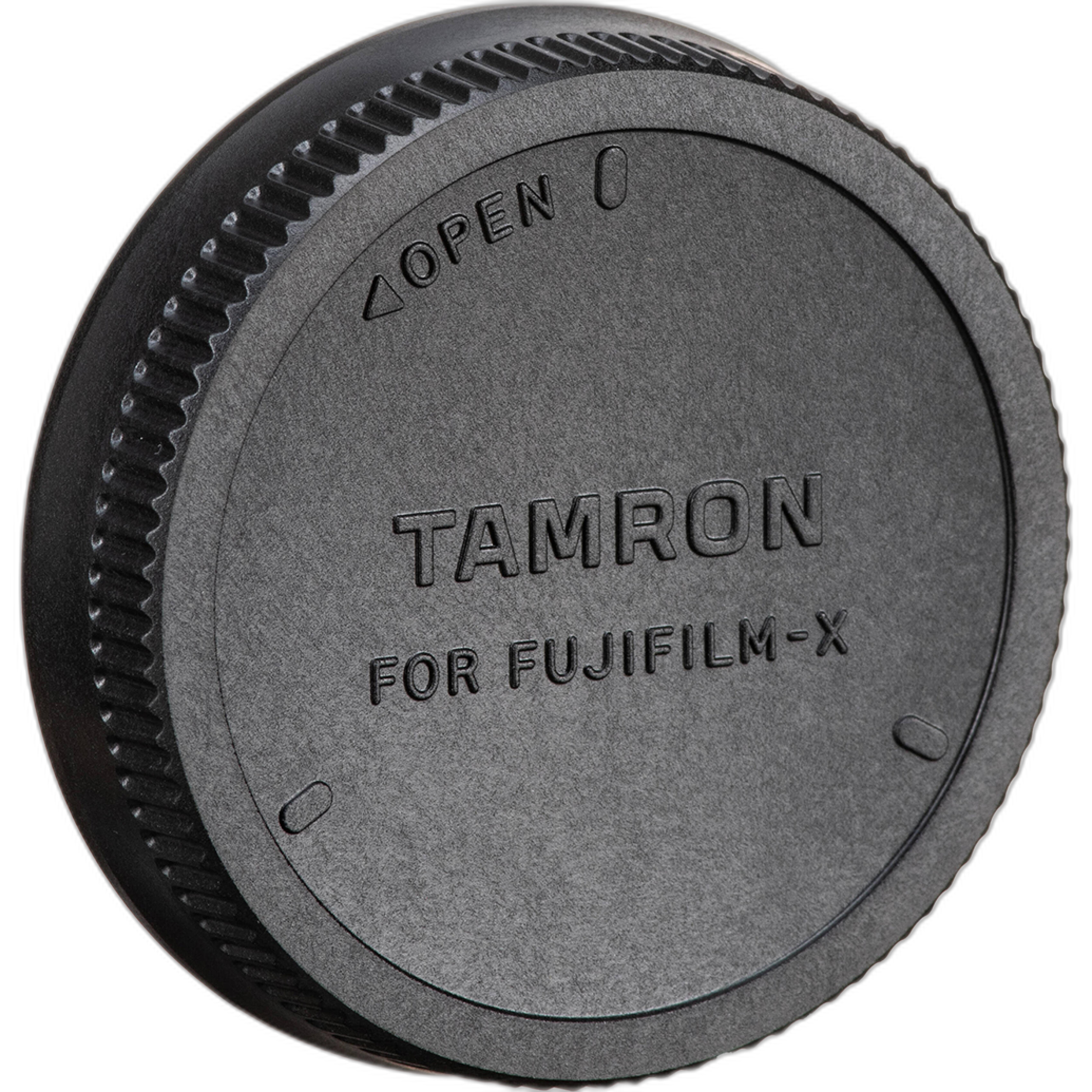
- Protect your glass between sets if you’re swapping lenses on an X‑Mount body used for BTS or scanning rigs.
Curious about medium format film for portraits? Unique Photo’s Used & Trades section often features compact 6×6 cameras (think classics like the Voigtländer Perkeo I) that deliver gorgeous tonality and smoother skin rendition.
User-tested shortcuts for better skin
- Rate Portra 400 at EI 200–320; expose for the shadows; let highlights roll.
- Overexpose consumer films by ~2/3 stop to relax contrast and soften grain.
- Add a touch of warmth in scan/print if faces look cool from shade or LED light.
- For CineStill 800T under daylight, use an 85 filter or correct in print to avoid overly cool skin.
- Keep a gray card on set to anchor color when mixing natural and practical light.
Sample portrait kits by budget
- Most affordable: Kodak Gold 200 or Ultramax 400 for color; Kentmere 400 or Ilford HP5+ for B&W; 35mm body and a 50mm lens.
- Midrange: Portra 400 (35mm or 120) as your main color stock; HP5+ or Tri‑X for B&W; add a reflector and a handheld meter.
- Premium look: Portra 160/400 in 120 for smooth tonality; controlled window light or strobes; wet prints on quality RA‑4 paper for a gallery-ready finish.
Conclusion: choose a stock you can shoot often
The “best” portrait film is the one whose look you love—and can afford to shoot consistently. Start with a versatile 400‑speed color negative stock, learn how it handles skin in your light, then refine with filters, exposure, and printing. Unique Photo can help you build a reliable workflow, from film and used cameras to paper, chemistry, and accessories.
Internal linking suggestions (add these as links on Unique Photo):
- Film & Instant Film: Browse color negative and B&W portrait stocks.
- Used & Trades → Film Cameras Used: Explore compact 6×6 cameras for portraits.
- Darkroom Supplies → Fujifilm Paper & Chemistry: Stock up for RA‑4 portrait printing.
- Printers & Media → Fujifilm Printers & Media: Inks and consumables for hybrid workflows.
- Fujifilm Accessories: Extension tubes and essentials for camera-scanning rigs.