Photography Contest FAQ: What Judges Notice and How to Make Images Stand Out
Entering a photo contest can feel unpredictable, but strong submissions usually share a few consistent qualities: clear intent, technical control, and a presentation that supports the story of the image. At Unique Photo, we help photographers refine both capture and workflow so their work is ready for juried review, whether the competition is local, national, or portfolio-based.
Below are common questions photographers ask about contest judging, along with practical guidance for creating images that are memorable for the right reasons.
What do photography contest judges usually prioritize first?
Judges often respond first to impact. Before they analyze exposure, sharpness, or lighting ratios, they are asking whether the photograph immediately communicates something compelling. That could be emotion, timing, design, atmosphere, or an unexpected point of view. A strong contest image tends to have a clear subject, intentional composition, and a visual hierarchy that guides the eye without confusion.
Technical quality still matters, but it works in support of the idea. If your image is beautifully lit and precisely exposed yet lacks a strong concept or emotional pull, it may not stand out in a crowded field. When preparing entries, ask yourself: what is the viewer supposed to notice first, and does every element in the frame support that?
How can I make my image stand out without relying on gimmicks?
The best way to stand out is to be intentional, not flashy. Judges see plenty of overprocessed files, exaggerated color, and effects that call attention to editing rather than subject matter. Instead, focus on original seeing: cleaner framing, better timing, stronger use of light, and a point of view that feels considered.
For portrait, still life, or conceptual work, controlled lighting can elevate an image in a way that feels polished rather than forced. A portable lighting kit can help you shape highlights and shadows consistently when you are building a contest-worthy frame. Unique Photo often recommends dependable lighting tools for photographers who want more control over image quality, including used options when budget matters.

A product like the Used Excellent Light and Motion CLx10 Imaging Kit can be useful when you want to refine subject separation, texture, and mood in a controlled environment. If you are building a contest portfolio, that kind of repeatable lighting can help create a more cohesive body of work.
Do judges care more about creativity or technical perfection?
In most contests, creativity and technical execution work together. A highly creative image with noticeable flaws may still perform well if the flaws do not distract from the message. On the other hand, a technically perfect image can fall flat if it feels familiar or emotionally distant.
The key is understanding which technical elements are essential for your genre. Wildlife and sports often demand precise timing and subject clarity. Fine art and documentary may allow more flexibility if the visual treatment serves the idea. For studio-based entries, consistency in exposure and lighting control can help your creativity land more effectively. If you are assembling an affordable setup, a used lighting option can be a smart way to improve technical consistency while leaving room in your budget for printing and entry fees.

The Used Good Light and Motion CLx10 Imaging Kit is one example of a practical tool for photographers developing stronger studio or tabletop contest submissions.
How important is printing and physical presentation in judged competitions?
Physical presentation can make a significant difference in contests that accept prints. Even a strong file can lose impact if it is poorly trimmed, damaged, or mounted carelessly. Clean borders, accurate color, and professional finishing communicate attention to detail before a judge even fully studies the image.
If you are preparing prints regularly, having the right finishing tools helps keep presentation consistent. A trimming and finishing accessory can make your print workflow cleaner and more efficient, especially when mounting or presenting multiple entries.
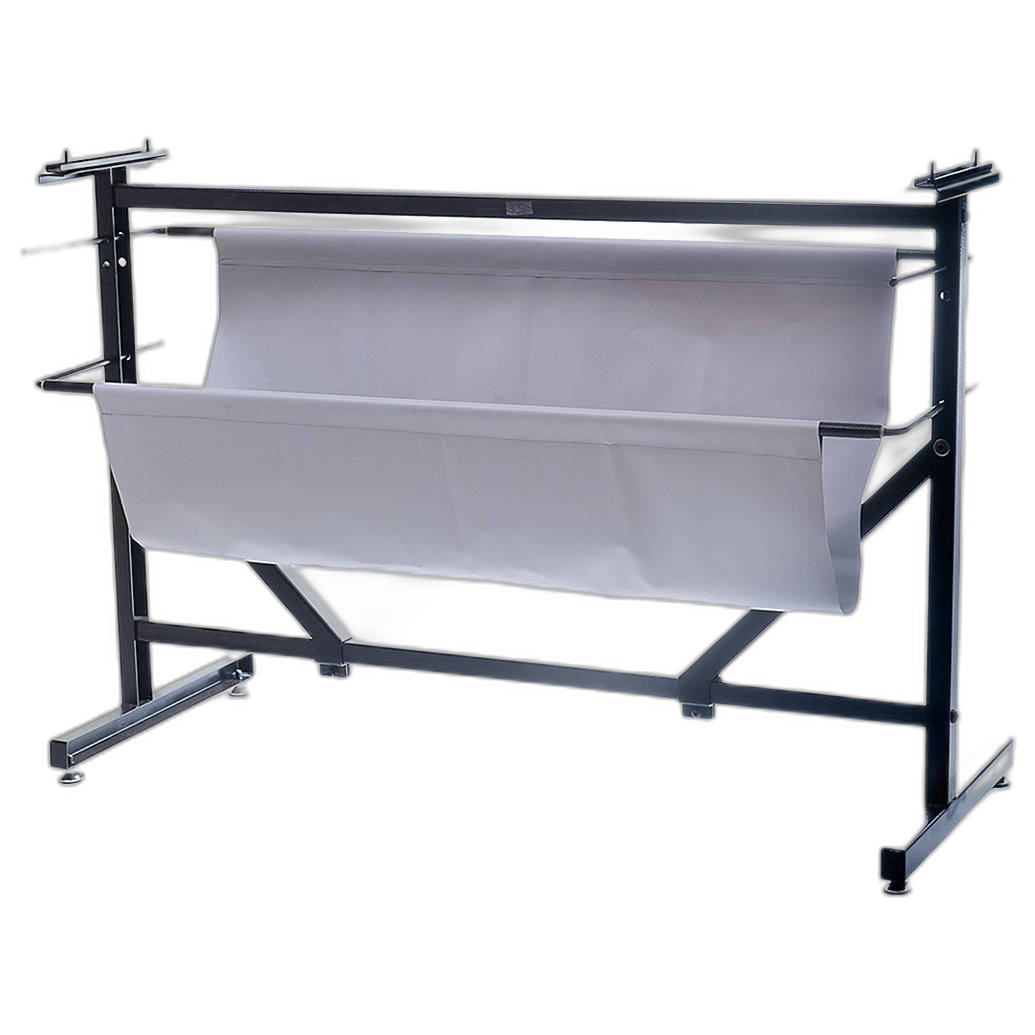
The Rotatrim Stand And Waste Catcher - 2150 is the kind of studio accessory that supports a tidy print-prep area, which is especially useful when you are producing contest prints that need to look polished and professional from edge to edge.
Should I submit my most technically impressive image or my most emotionally powerful one?
If you have to choose, the emotionally powerful image usually has the advantage, provided it is competently executed. Judges often remember photographs that create a reaction: curiosity, empathy, tension, awe, or surprise. Technical sophistication matters most when it strengthens that response rather than replacing it.
One useful test is to show your finalists to someone who has not seen the shoot. Ask what they remember after a few minutes. The image that lingers is often the stronger contest entry. This is especially true in categories where many entrants have good technical skills. Emotional resonance is often what separates finalists from the middle of the pack.
How can motion and camera movement help create a stronger contest image?
Deliberate camera movement can add cinematic depth, reveal relationships between subjects, or create a more immersive visual experience. This is especially relevant in hybrid competitions that include motion work, multimedia, or projects judged as a broader visual narrative. Smooth tracking shots, controlled reveals, and carefully choreographed movement can make a project feel more intentional and polished.
For photographers exploring short-form motion pieces or behind-the-scenes visual storytelling to complement still submissions, renting support gear is often the smartest path. It gives you access to professional tools when a project demands them without requiring a full purchase commitment.
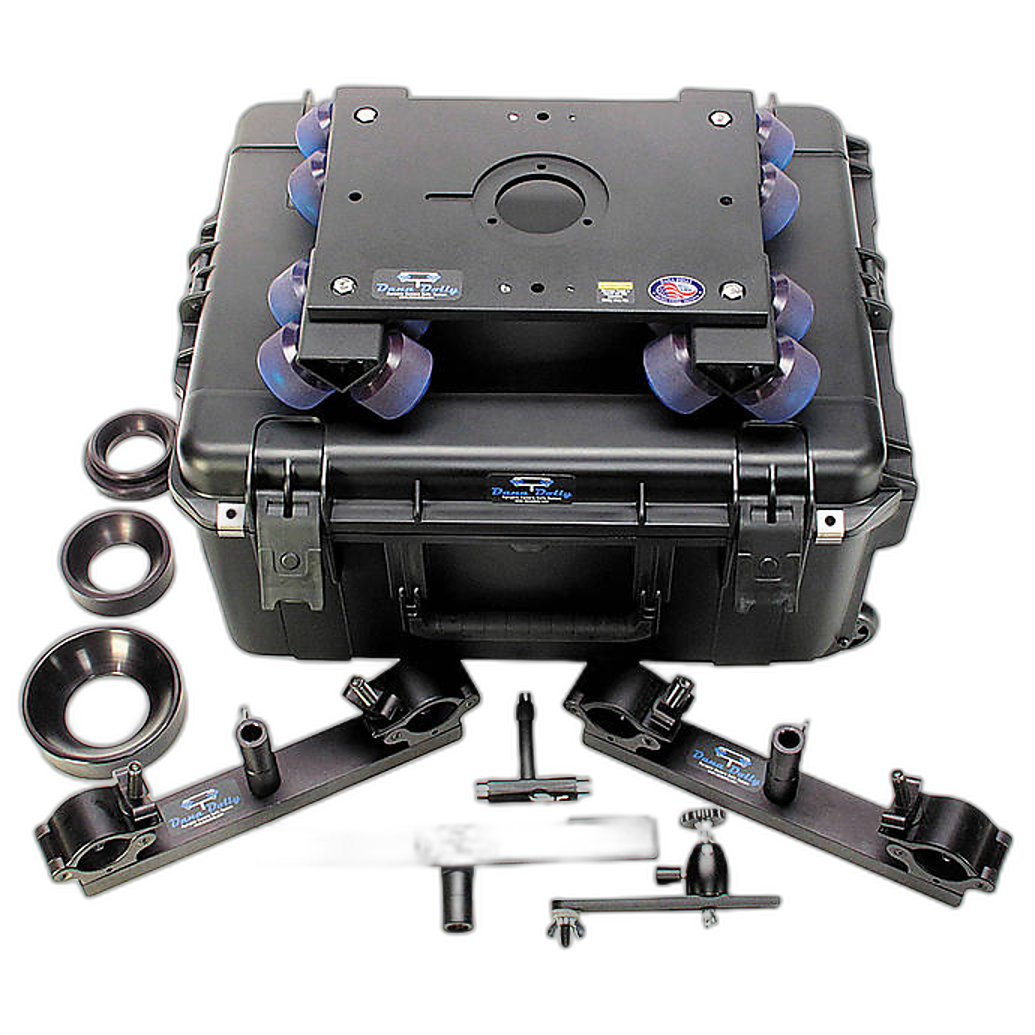
The RENTAL ONLY - Dana Dolly Kit with Track and Stands is a strong option for projects that benefit from smooth motion and elevated production value. Unique Photo rentals can be especially helpful when you want to test a more ambitious concept for a contest entry or portfolio piece.
Does a cohesive series perform better than a single strong image?
That depends on the contest format, but in portfolio reviews and series-based competitions, cohesion is critical. Judges want to see that your choices are intentional across multiple images, not accidental from frame to frame. Consistency in color palette, subject matter, lighting, tone, and editing style can help a group of images feel unified.
Power management and consistent lighting are part of that equation for studio or location work. If you are using portable lighting systems in a repeated setup, maintaining stable power can help preserve consistency across a body of work. Accessories that support reliable operation can be valuable when you are producing a larger set of images under controlled conditions.
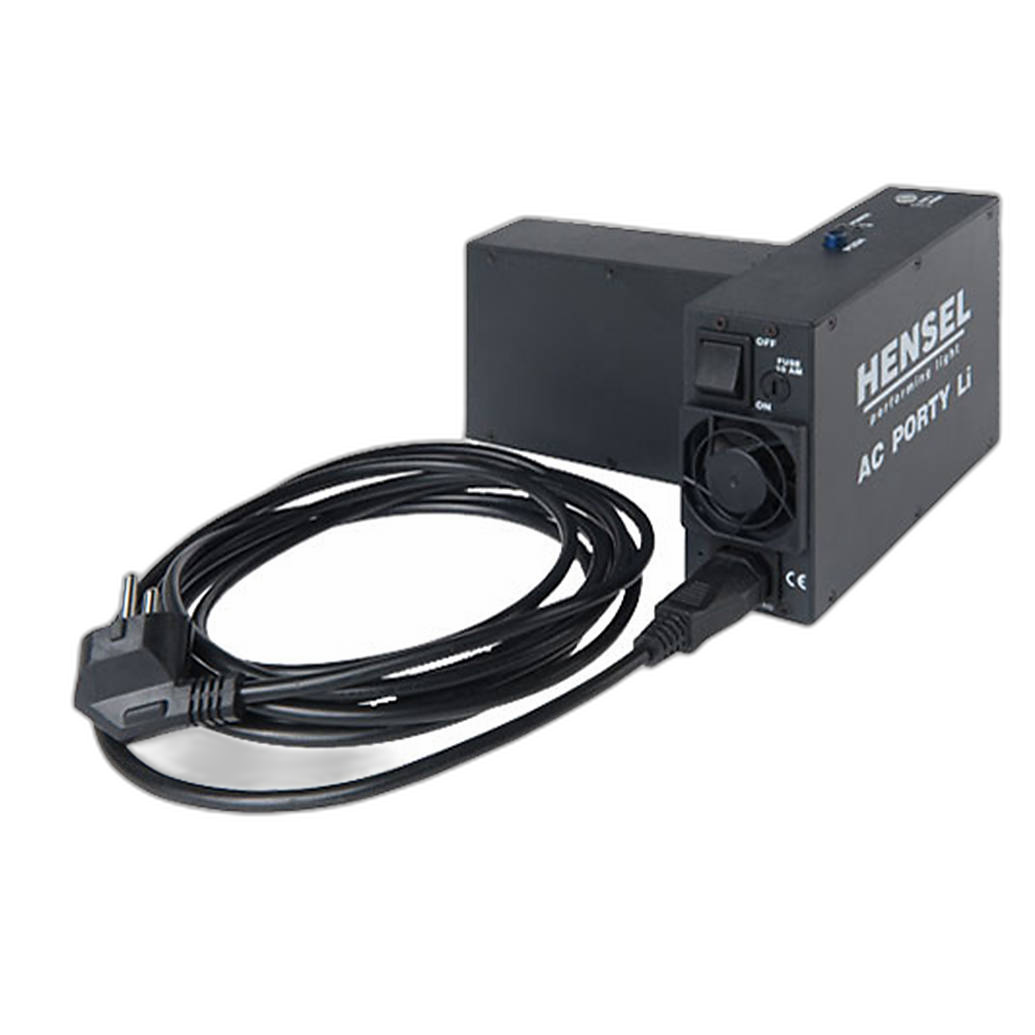
The Hensel AC Porty Mains Adapter Drawer for Porty L600 and L1200 is a useful example of a support accessory that can help keep a lighting workflow steady during extended sessions, particularly when you are building a cohesive contest series.
What mistakes cause otherwise good contest images to get overlooked?
Common issues include cluttered composition, inconsistent editing, weak subject separation, and entering images that do not fit the category well. Another frequent problem is submitting an image because it was difficult to make rather than because it is strong. Judges are not scoring your effort behind the scenes; they are responding to the final frame in front of them.
Presentation mistakes matter too. Dust spots, awkward crops, halos from heavy processing, and files that look oversharpened can all pull attention away from your subject. A disciplined review process helps. Before submitting, inspect the image at full size, then step away and return later to evaluate it with fresh eyes.
How should I prepare before entering a photography contest?
Start by reading the rules carefully and reviewing past winners to understand the level of finish and originality that tends to succeed. Then narrow your choices to images that are both visually strong and appropriate for the category. Make final adjustments with restraint, and if the contest accepts prints, give yourself enough time for proofing and finishing.
It also helps to build your entry around dependable gear and workflow. Whether that means refining your lighting with a used kit, renting motion support for a multimedia concept, or improving your print-prep station, the right tools can remove distractions and let your creative decisions take center stage. Even photographers working on a budget can improve their chances by investing strategically in areas that directly affect quality and presentation.

For photographers beginning to experiment with controlled lighting for contest entries, the Used Fair Light and Motion CLx10 Imaging Kit can be a practical starting point when available.
Strong contest images rarely happen by accident. They come from thoughtful shooting, careful editing, and professional presentation. If you are preparing for your next competition, Unique Photo can help you find the lighting, support gear, rentals, and studio accessories that make your best work look its best.