Photography Competition FAQ: How to Prepare Images for Winning Entries
Entering an online photo competition can be exciting, but strong submissions require more than simply uploading a favorite image. Success often comes down to matching the right photograph to the contest theme, meeting technical specs precisely, and presenting polished work that still feels authentic to your style.
Below, our team at Unique Photo answers common questions photographers ask when preparing competition entries, from image selection and editing decisions to file delivery and rule compliance.
How do I choose the right image for a photography competition?
Start by evaluating the contest brief before you evaluate your portfolio. A great image that misses the theme, mood, or category is usually less competitive than a strong image that clearly fits the assignment. Look for photographs with an immediate visual hook, a clear subject, and a composition that reads well even at small thumbnail size, since many online competitions begin with quick first impressions.
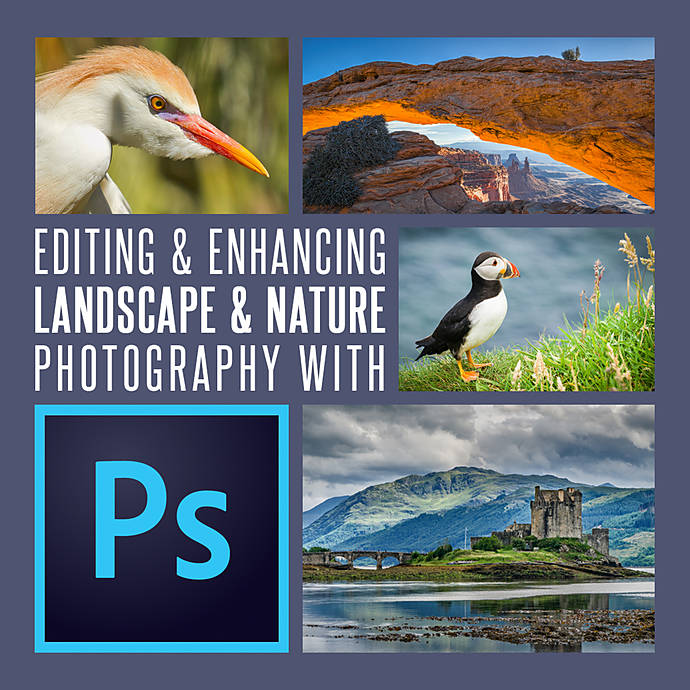
It also helps to be selective. Instead of entering the image you are most emotionally attached to, choose the one that communicates most effectively to someone seeing it for the first time. If you regularly photograph landscapes or nature, refining your selection process through guided editing education can make a real difference. Unique Photo offers resources like Editing and Enhancing Landscape and Nature Photography with Photoshop for photographers who want to strengthen impact without losing realism.
What makes a competition image stand out to judges?
Judges typically respond to images that combine technical control with a memorable point of view. Sharp focus where it matters, strong tonal balance, intentional color, and effective composition all matter, but originality is what often separates finalists from the rest of the field. A standout image usually tells a story, creates mood, or reveals a subject in a way that feels considered rather than generic.
Storytelling can be especially important in travel, documentary, and fine art contests. If you want to develop a stronger sense of narrative in your work, educational events such as EXPO: Stories from the Road - Photography Across Worlds w. Matthew Borowick can help photographers think beyond technical execution and toward visual storytelling that resonates in competition settings.
How important are contest rules and technical requirements?
They are critical. Many promising entries are disqualified not because the photograph is weak, but because the submission does not meet file size, dimensions, naming, metadata, or editing guidelines. Before exporting your file, confirm the required color space, long-edge pixel dimension, maximum file size, accepted formats, and whether watermarks or borders are prohibited.
Some competitions also restrict heavy compositing, AI-generated elements, object removal, or excessive retouching. Others may require original RAW files if your image advances to a later round. The safest approach is to treat the rules as part of the creative process. Build your final export specifically for that contest rather than reusing a file prepared for social media or printing.
How much editing is too much for a competition submission?
The answer depends on the contest category and rules, but in general, editing should support the image rather than call attention to itself. Adjustments to exposure, contrast, white balance, dodging and burning, sharpening, and color refinement are usually expected. Problems arise when editing creates halos, unnatural textures, oversaturated colors, crushed shadows, clipped highlights, or a look that undermines credibility.
For nature and landscape competitions in particular, subtlety often wins over heavy-handed processing. If you want to improve your post-production workflow for these genres, Editing and Enhancing Landscape and Nature Photography with Photoshop is a practical option for learning how to enhance detail, depth, and mood while maintaining a polished, competition-ready result.
Should I crop differently for competitions than I do for social media?
Usually, yes. Social platforms reward aggressive crops and mobile-friendly framing, while competition judging often favors stronger edge control, balanced negative space, and compositions that hold up on larger screens. A crop that feels dramatic on Instagram may look cramped or gimmicky in a judged environment.
When preparing an entry, zoom out and inspect every edge of the frame. Remove distractions, but preserve enough context to support the subject and story. Be especially careful with horizons, converging lines, and spacing around key elements. Test your image both full-screen and at thumbnail size to make sure it reads well at both scales.
How can I improve my chances if I shoot a specific genre like landscape, macro, or astrophotography?
Genre-specific contests often reward both technical mastery and subject knowledge. For landscape and macro photography, precise focus, thoughtful use of depth, and control over natural light are essential. Workshops such as Macro and Landscape Photography at Duke Farms with Michael Downey can help photographers build stronger field technique and create more compelling nature images before they ever reach the editing stage.

For astrophotography contests, judges often notice clean star rendering, controlled noise, accurate color, and a convincing foreground-to-sky relationship. Photographers working in this area can benefit from deeper instruction like UUOnline: Astrophotography 4-Part Series with Temu Nana, which supports the kind of capture and processing discipline needed for competitive night-sky images.

What file preparation steps should I take before uploading my entry?
Create a final checklist. Confirm that your export matches the contest dimensions, quality setting, and file format. View the finished file on a calibrated display if possible, then check it again on another screen to catch unexpected brightness or color issues. Inspect for dust spots, sharpening artifacts, banding in gradients, and any accidental cloning mistakes.
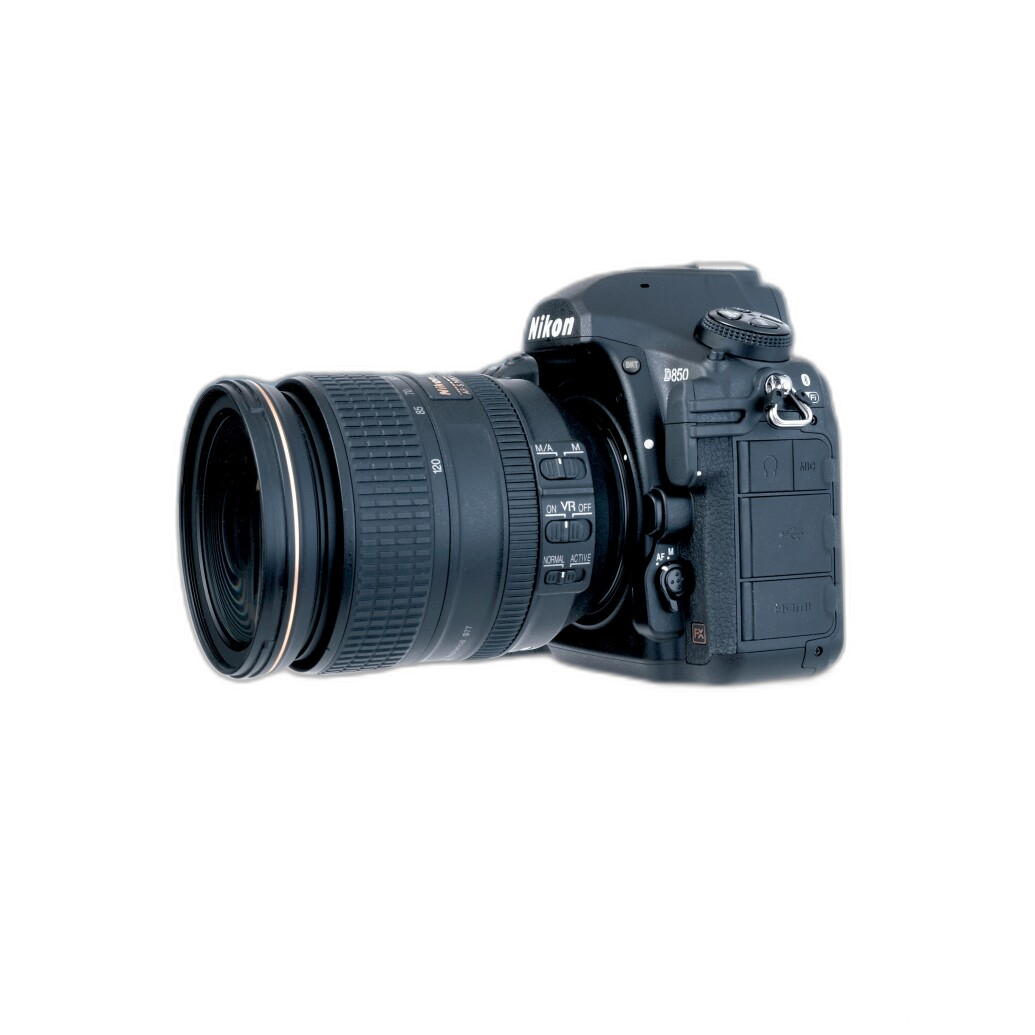
It is also smart to keep layered edits and original source files organized. If the contest requests proof of authorship, you may need quick access to your RAW files or earlier versions. Photographers who want a stronger foundation in camera handling and file quality can benefit from in-depth guides such as the Nikon D850 Guide to Digital SLR Photography by David Busch, especially when maximizing image quality from capture through export.
Do judges care more about technical perfection or emotional impact?
In most competitions, both matter, but emotional impact usually gives an image its advantage. Technical quality gets your work taken seriously; emotional resonance makes it memorable. A photograph that is flawless but generic may not advance as far as an image with strong feeling, timing, and atmosphere. That said, technical distractions can weaken emotional response, so your best strategy is to aim for polish in service of the story.
This is especially true in categories involving people, places, or crafted subjects. If you are building precision in lighting and post-production, classes like Product Photography and Post Production Editing with Blake Taylor can sharpen your understanding of visual control, helping you create cleaner, more deliberate images that hold up under close judging.

Is it worth entering competitions if I am still learning?
Absolutely. Competitions can help you edit your work more critically, understand standards in your genre, and identify where your images are strongest. Even when you do not place, the process of choosing, preparing, and submitting work can improve your photography quickly. Think of contests as both an opportunity and a learning tool.
One of the best ways to grow is to combine real-world shooting with education and community. Whether you are exploring digital post-production, nature photography, storytelling, or niche specialties like astrophotography, Unique Photo offers classes, events, and learning resources designed to help photographers submit stronger work with more confidence.
Ready to prepare your next entry? Explore photography classes, books, and creative education at Unique Photo to refine your shooting, editing, and competition workflow before your next submission deadline.