Photo Contest Strategy: Trends vs. Authenticity (and How to Win Both)
Chasing trends can get your work noticed, but lasting impact comes from a clear, authentic vision. At Unique Photo, we help photographers decode what judges reward and build entries that stand out for the right reasons—craftsmanship, concept, and consistency.
Do contest judges prefer trendy looks or original vision?
Most judging panels reward images that answer the brief, display strong technical execution, and deliver emotional or narrative impact. Trends—like moody color grading or ultra-shallow depth of field—can draw the eye, but they rarely carry a weak concept across the finish line. Study the contest’s past shortlists and winners to spot recurring priorities (composition, storytelling, diversity of subjects, print-readiness). Resources that dissect winning work are invaluable. For example, our free Winners Reveal sessions break down why certain images rose to the top, helping you tune your approach without imitating.

How can I analyze recent results without just copying them?
Create a judging “scorecard” from prior winners: brief alignment, subject relevance, lighting quality, posing/directing, post-processing restraint, and graphic readability (especially for cover contests). Note patterns—e.g., strong verticals with negative space for mastheads, or images that balance local storytelling with universal appeal. Then, design a shoot that hits those criteria through your own lens. Want a head start for regional cover competitions? Our session on crafting entries for the New Jersey Monthly Cover Search clarifies editorial priorities and common pitfalls.

Should I adopt popular editing styles to improve my odds?
Use stylistic trends as seasoning, not the main course. Judges often favor files that print cleanly, retain natural skin tones, and preserve highlight detail. A good tactic is to deliver a calibrated “competition master” with controlled contrast and color, and a second variant with a tasteful trend-forward grade. When in doubt, prioritize clarity over heavy effects. Also remember: great lighting reduces the need for aggressive post, so you can stay both authentic and consistent across a series.
What lighting choices reliably impress judges?
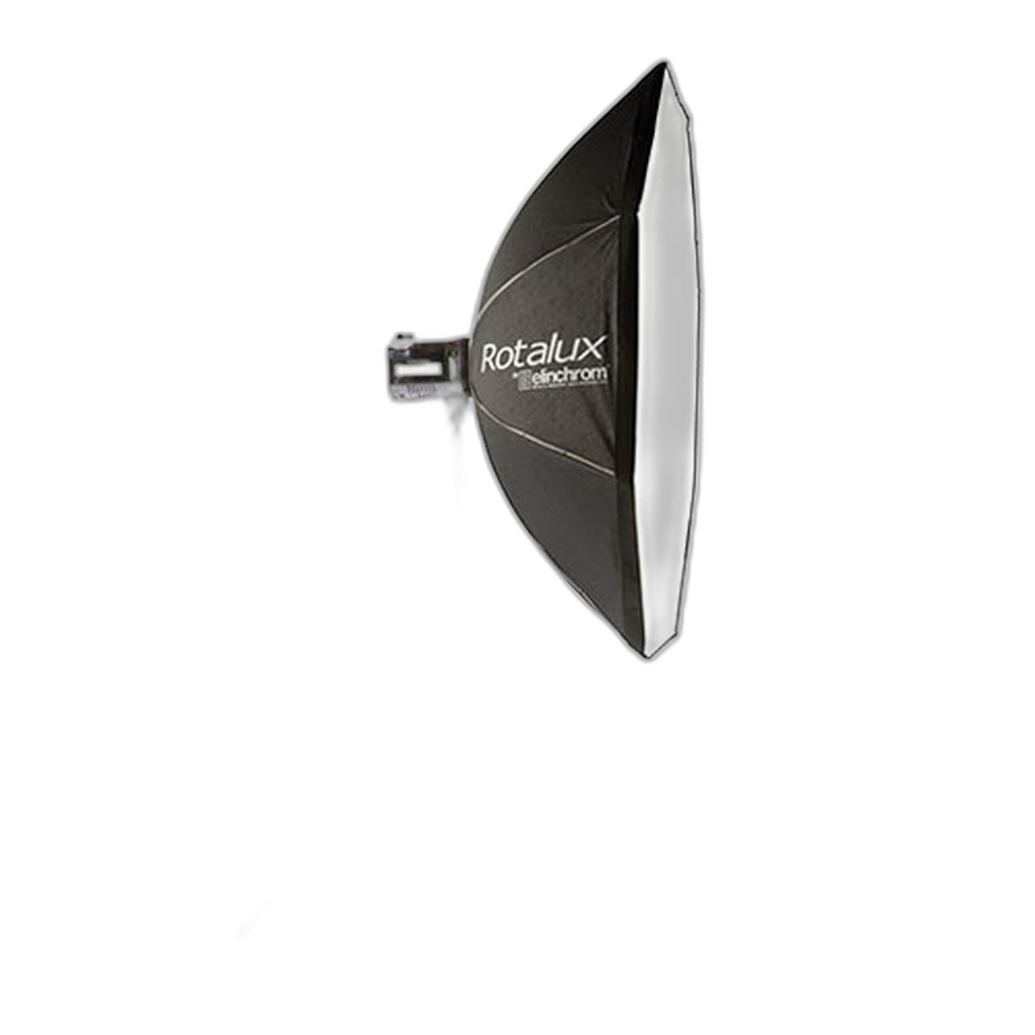
Reliable lighting is about intention and control. A large, diffused source gives beautifully smooth transitions and consistent skin rendition—ideal for portraits and editorial work. One workhorse modifier we recommend is the Elinchrom 53" Rotalux Junior Octa Softbox, which produces flattering wrap and predictable catchlights while remaining portable for location shoots.
If you want to move beyond safe light into show-stopping creativity—rim accents, gels, and dynamic directionality—training accelerates the process. Our Creative Lighting System class with JC Carey (Nikon) demonstrates repeatable setups that wow judges without relying on heavy post-processing.
How do I balance my personal voice with a strict contest brief?
Treat the brief as your frame, not a cage. Extract mandatory elements (orientation, themes, eligible subjects, manipulation limits) and design concepts that meet them while expressing your point of view—through subject choices, gestures, and micro-styling. Build a shot list that covers safe, on-brief options plus one or two riskier interpretations. Internal competitions and low-stakes challenges—like our in-house employee contest or local club critiques—are great sandboxes to test ideas before high-profile entries.
How many images should I submit, and how should I curate them?
Submit the minimum number that tells a coherent story and showcases consistency. For single-image contests, curate ruthlessly: quality over volume. For series entries, aim for visual and thematic cohesion—consistent color management, pacing (wide/medium/tight), and a clear opener/anchor image. Verify technicals before uploading: correct crop ratios, clean borders, dust-spotting, and file naming that won’t expose your identity if the rules require anonymity.
What ethical and rule boundaries should I watch?
Read manipulation and staging rules carefully. Some contests permit global tonal edits but prohibit compositing subjects or replacing skies; others require full disclosure. Always secure permissions and releases for recognizable people and private locations. Don’t misrepresent AI-generated elements as captured reality if the competition forbids them. When your process is transparent and within guidelines, judges can focus on your vision, not potential disqualifications.
Where can I get feedback before submitting?
Seek critique from photographers outside your genre to stress-test universality. Attend reveal sessions and workshops that analyze winning work to calibrate your eye. Unique University offers classes, portfolio reviews, and lighting intensives—plus free online breakdowns of contest outcomes—so you can refine both craft and concept before you hit “submit.”
Ready to build an entry that’s both current and unmistakably yours? Visit Unique Photo for hands-on guidance, shop lighting tools that elevate your files, and join our classes and free online sessions to learn what judges reward—without losing your voice.