Mastering Low-Light Sharpness: A Buying Guide for Real-World Shooters
If you photograph concerts, weddings, dance, street, or travel scenes after dark, you know the struggle: motion blur, focus misses, and noisy files. This guide compiles the methods photographers rely on for sharp, clean low‑light results—balancing smart gear choices, dialed-in camera settings, and practical editing. We also highlight Unique Photo classes and tools that make a real difference on your next night shoot.
Gear Choices That Matter in the Dark
- Fast glass vs. zoom flexibility: Wide‑aperture primes (f/1.4–f/2) gather more light and allow faster shutter speeds, but modern f/2.8 zooms with stabilization can be more versatile for events.
- Stabilization: In‑body and lens stabilization help with camera shake for static subjects. Remember: IBIS won’t freeze moving subjects—shutter speed still rules.
- Support: A compact monopod keeps you mobile while reducing shake. A tripod is best for static scenes and long exposures.
- Light where you can: Even a subtle edge or fill light can let you drop ISO dramatically. Knowing how to shape and place light is as important as owning it.
- Clean optics: Fingerprints and dust lower contrast and increase flare—exactly what you don’t want at high ISO.
Camera Settings That Consistently Work
- Shutter speed to freeze motion: Start at 1/250–1/500 for human action; faster for sports. For static scenes, go as low as stabilization allows.
- Aperture: Use the widest usable aperture for the lens. Stop down one-third to two-thirds of a stop if you need a touch more sharpness or depth.
- Auto ISO with a cap: Set a minimum shutter speed and an ISO ceiling you’re comfortable cleaning up in post.
- AF strategy: AF‑C/AI‑Servo, single point or small flexible zone, Face/Eye detection when reliable. Use burst mode to increase keeper rate.
- Exposure: Slightly bias exposure to the right without clipping faces or highlights; this preserves detail and reduces visible noise after editing.
- Shoot RAW: Maximizes latitude for denoise, color recovery, and sharpening.
Editing Strategies for Clean Files
- Denoise first, sharpen second: Apply luminance denoise conservatively; treat color noise separately. Afterward, use detail‑aware or deconvolution sharpening.
- Mask your adjustments: Protect skin with masks so sharpening and clarity don’t exaggerate texture.
- Balance contrast: Lift midtones and control blacks for perceived clarity without crushing detail.
- Selective texture: Add micro‑contrast to hair, eyes, and clothing seams; reduce it in flat areas and skies.
Recommended Tools and Classes from Unique Photo
CS: Key Lighting Methods with Mark Raker (Nanlite)
When the venue is dark, knowledge beats brute force ISO. This class teaches practical, portable lighting setups—key, fill, edge, and background control—so you can lower ISO, raise shutter speed, and increase sharpness. Ideal for event, portrait, and hybrid creators who want clean results without heavy rigs.
- Why it helps: Understand how to feather light, control spill, and place sources for maximum clarity and minimal noise.
- Best for: Photographers who want hands‑on, repeatable lighting recipes.
PCS: Capturing Dance Movement with Steve Vaccariello
Low light plus fast motion is the ultimate challenge. This class drills into shutter speed choices, panning, timing, and creative blur so you can keep faces sharp while expressing motion.
- Why it helps: Build a mental playbook for 1/60 panning vs. 1/500 freeze, and how to choose in the moment.
- Best for: Event, performance, and action shooters working indoors.
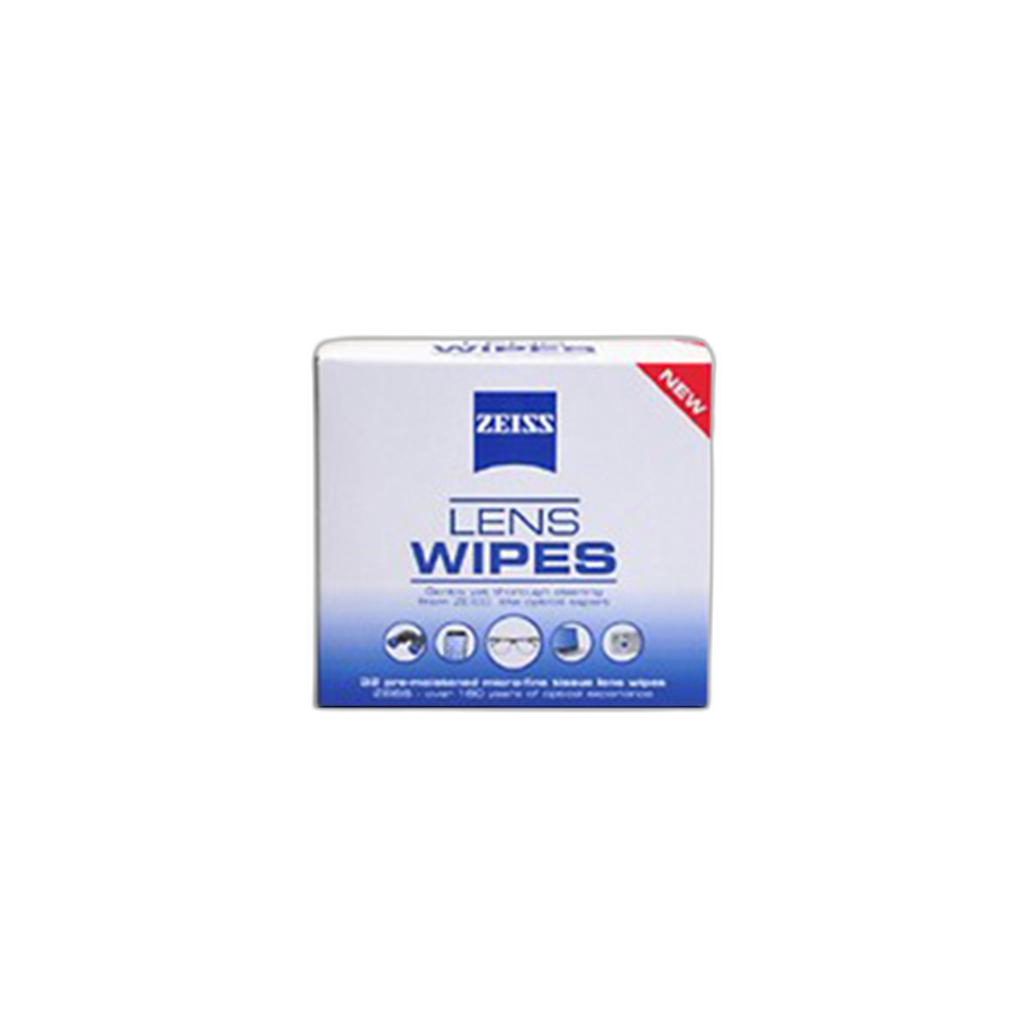
Zeiss Lens Cleaning Wipes
Clean glass equals higher contrast and less flare—critical in low light. These individually wrapped wipes safely remove oils and smudges from lenses and filters in seconds.
- Why it helps: Maximizes micro‑contrast so you can denoise less and preserve detail.
- Best for: On‑the‑go cleaning before and during shoots.
Giottos Microfiber Anti-Static Cleaning Cloth 9.8x7.9 Inches
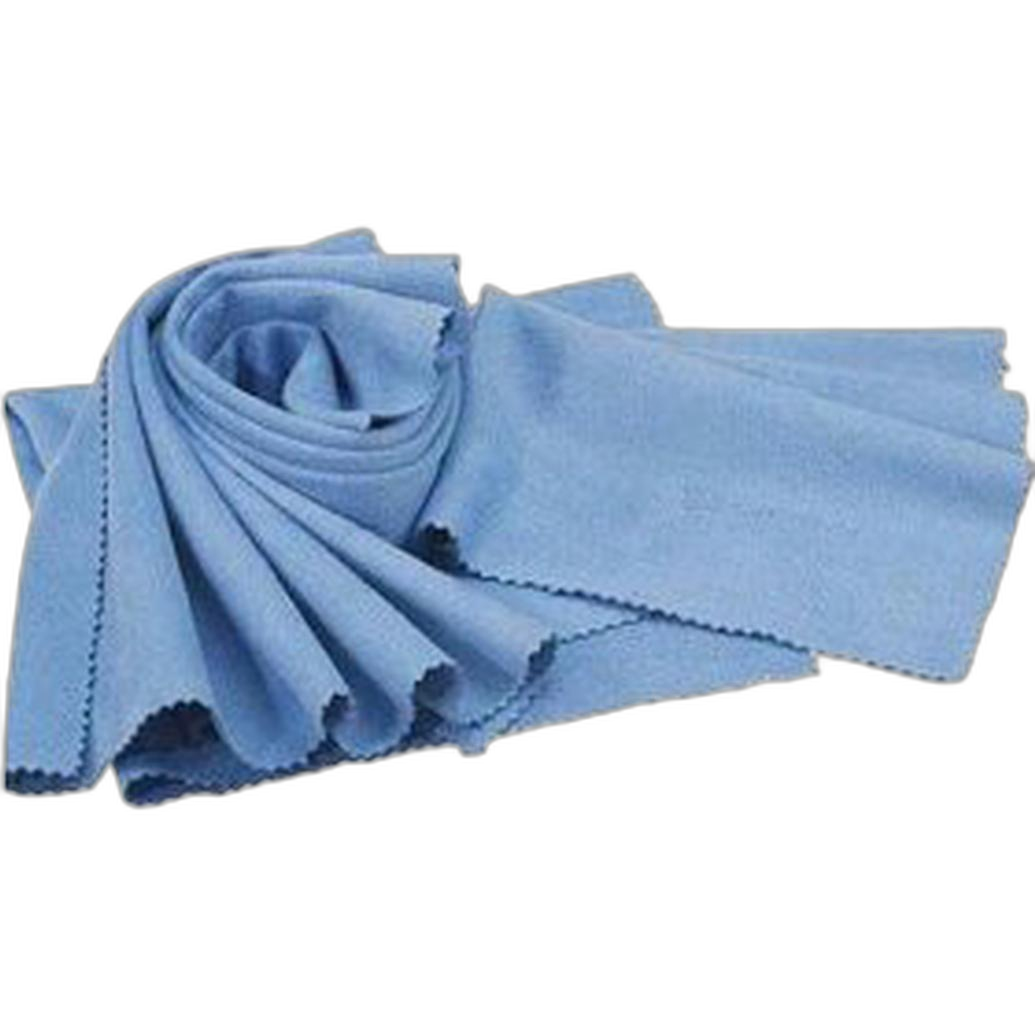
A reusable, anti‑static microfiber for daily maintenance of front and rear elements. Keeps dust at bay so you don’t push ISO to overpower veiling glare.
- Why it helps: Reduces particulate that softens images and causes ghosting against point light sources.
- Best for: Pre‑shoot prep and quick touch‑ups.
Photographic Solutions Eclipse 0.5 oz. Optic Cleaner for Sensors and Lenses
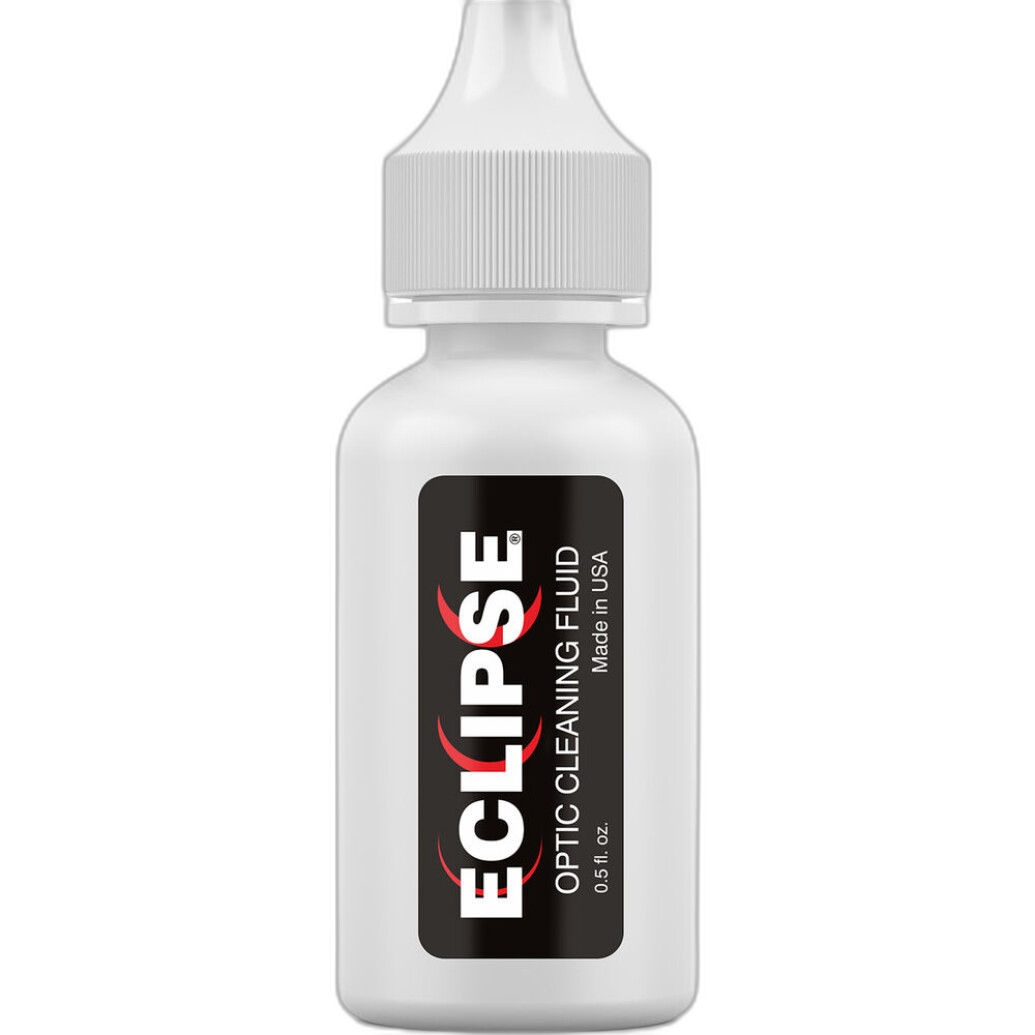
Stuck sensor spots are painfully visible in high‑contrast night scenes. Eclipse is a fast‑evaporating cleaner for sensors and optics. Use with proper swabs and technique, or have a pro service it.
- Why it helps: Clean sensors reduce retouching time and prevent detail‑killing smears in long exposures.
- Best for: Experienced users or pro service prep.
Side-by-Side Comparisons
Classes for Low-Light Mastery
| Course | Focus | Ideal For | Key Takeaway |
|---|---|---|---|
| Key Lighting Methods with Mark Raker | Portable lighting, light shaping, exposure control | Event, portrait, hybrid creators | Lower ISO and raise shutter speed using smart light placement |
| Capturing Dance Movement with Steve Vaccariello | Action timing, panning, blur vs. freeze | Performance, event, sports shooters | Choose the right shutter for motion while keeping faces sharp |
Cleaning Tools That Protect Image Quality
| Product | Primary Use | Strengths | Best For |
|---|---|---|---|
| Zeiss Lens Cleaning Wipes | Quick, safe wipe‑downs | Convenient, streak‑free, travel‑ready | Field cleaning before/during shoots |
| Giottos Anti‑Static Microfiber Cloth | Reusable daily cleaning | Anti‑static, gentle, economical | Routine maintenance, studio kits |
| Photographic Solutions Eclipse | Sensor and optic cleaning | Fast‑evaporating, residue‑free | Experienced users, pre‑service prep |
Field Checklist for Your Next Low-Light Shoot
- Prep: Clean front/rear elements; check sensor for dust.
- Baseline settings: AF‑C, small zone; min shutter set; Auto ISO cap; RAW.
- Test: Take a high‑ISO test frame; verify focus and micro‑contrast at 100%.
- Stability: Brace, use monopod if needed; time shots between subject peaks of motion.
- Edit: Denoise first, then selective sharpening and contrast masks.
Conclusion: The Clear Path to Sharp, Clean Low‑Light Images
Sharpness at night is a system: clean optics, confident settings, and skillful lighting. For the biggest gains fast, invest in your technique with CS: Key Lighting Methods with Mark Raker and refine your motion strategy with PCS: Capturing Dance Movement. Keep Zeiss Wipes and a Giottos cloth in your bag, and use Eclipse when a deep clean is due. Shop these tools and book your classes at Unique Photo—your partner for better images in any light.