Photo Contest Editing Rules FAQ: What's Acceptable and What Isn't?
Photo contests can be exciting, but they also raise one of the most common questions in photography: how much editing is still considered fair? At Unique Photo, we always recommend treating contest rules as part of the creative brief, because what is acceptable in one competition may lead to disqualification in another.
Whether you shoot straight-out-of-camera images, carefully refined RAW files, or more stylized creative work, understanding the boundaries of post-production can save you time and protect your submission. Here are the most important questions photographers ask about contest editing ethics.
How much editing is too much for a photo contest submission?
The answer depends entirely on the contest category and written rules. In many documentary, wildlife, photojournalism, and nature competitions, judges typically allow global adjustments such as exposure correction, white balance, contrast, sharpening, noise reduction, lens correction, and moderate cropping. Problems usually begin when editing changes the factual content of the image, such as removing objects, adding elements, replacing skies, or heavily altering subjects in a way that misrepresents the scene.
In portrait, fine art, advertising, or open creative categories, the acceptable range is often much broader. Retouching, color grading, compositing, and conceptual manipulation may be allowed or even encouraged. The key is not whether an image was edited, but whether the entry matches the rules and the spirit of the category.
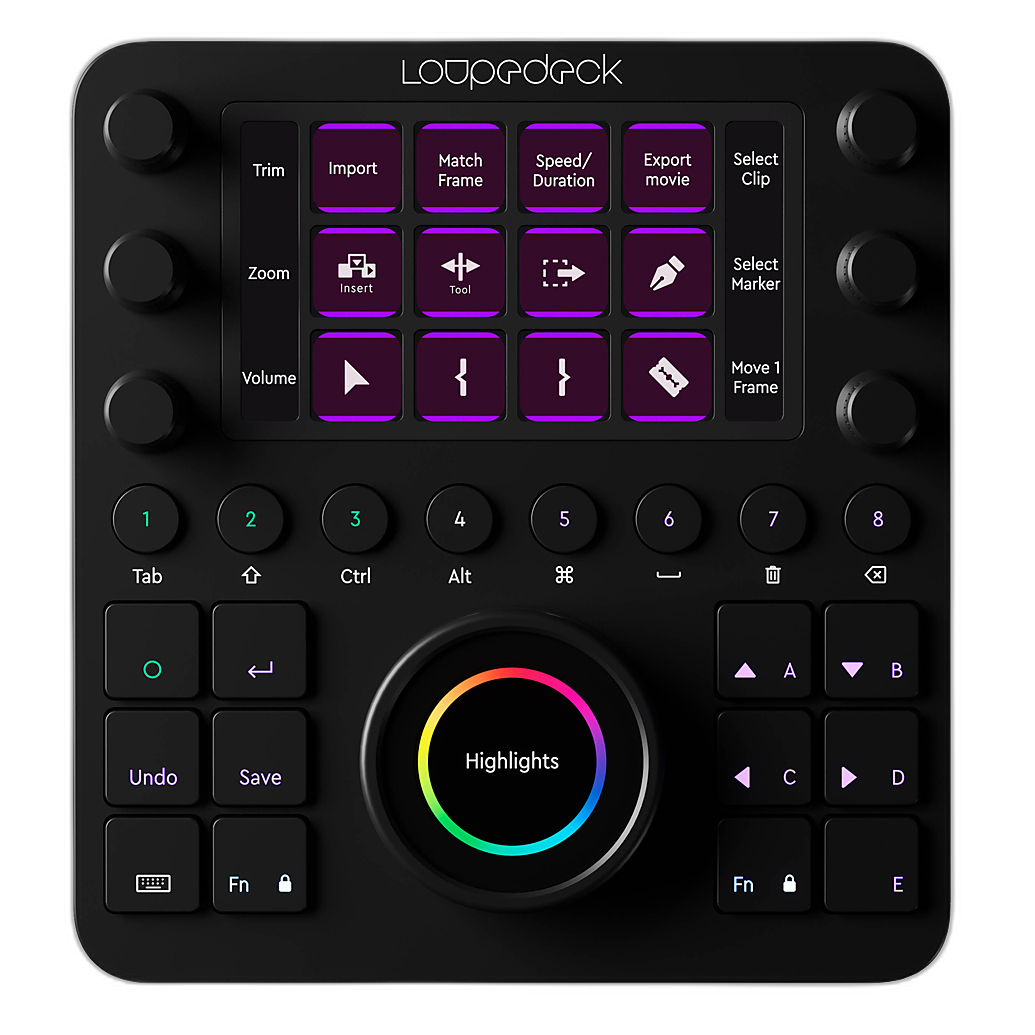
If you do a significant amount of post work, an efficient editing setup can help you stay consistent and make more deliberate adjustments rather than over-processing. Tools like the Loupedeck Creative Tool can streamline color, tonal, and workflow controls for photographers who edit regularly.
Are there contests that allow creative composites?
Yes. Many competitions have dedicated categories for conceptual, digital art, commercial, or open creative photography where composite images are acceptable. In those cases, combining multiple frames, replacing backgrounds, adding textures, or building a scene in post may be fully permitted. What matters is accurate disclosure and category fit.
Issues usually arise when a composite is submitted to a category that expects a single captured moment. If the rules do not clearly state whether composites are allowed, do not assume they are. Reach out to the organizers before submitting. A quick clarification is much better than risking disqualification later.
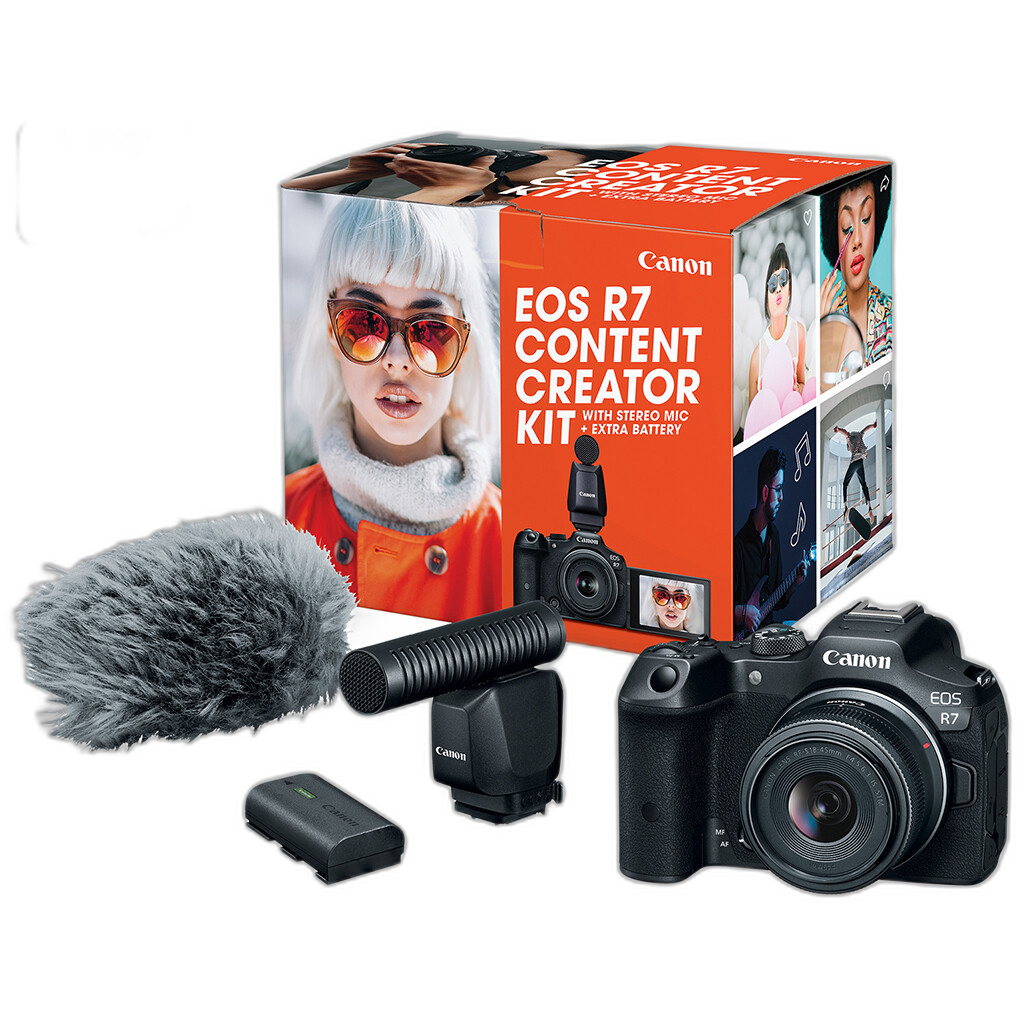
For photographers creating hybrid still and video-driven portfolios or promotional contest content, a versatile capture system such as the Canon EOS R7 Content Creator Kit can be a practical option. It offers a strong platform for creators who produce polished visual work and want flexibility across assignments.
Can you be disqualified for over-editing even if the photo looks great?
Absolutely. Contest judges and administrators are not only evaluating aesthetics; they are also enforcing compliance. A technically impressive image can still be removed if it breaks the editing rules, includes prohibited compositing, misrepresents the scene, or cannot be verified when requested.
The most valuable lesson photographers learn from disqualifications is that presentation and authenticity are separate issues. An image may be beautiful, but if it enters the wrong category or exceeds the stated limits, it may not be eligible. That is why we advise photographers to keep original files, export versions carefully, and review the rules line by line before entering.
It is also wise to avoid editing beyond what you can defend. If you would struggle to explain exactly what was changed, that is often a sign to revisit your process.
Should RAW files always be provided on request for verification?
In many reputable contests, yes. Especially in documentary, wildlife, travel, and editorial-style competitions, organizers may request RAW files or original captures to confirm that the image meets the rules. Providing those files is often part of responsible contest participation.
That does not mean every contest requires RAW submission upfront, but photographers should expect that verification may be requested from finalists or winners. If you shoot JPEG only, read the rules carefully to make sure that format is acceptable. If a competition requires original RAW capture for verification and you do not have it, your image could be rejected regardless of quality.
A good habit is to archive your original files, sidecar metadata, and edited exports in organized folders. If you perform extensive adjustments, keeping intermediate versions can also help demonstrate your workflow if questions come up.
What kinds of edits are usually considered safe in most contests?
While every competition is different, the most commonly accepted edits are basic tonal and color corrections, moderate dodging and burning, sharpening, noise reduction, sensor dust removal, lens profile corrections, and cropping within reasonable limits. Black-and-white conversion is also often acceptable when rules do not prohibit it.
Even with these adjustments, restraint matters. Oversaturated color, aggressive HDR effects, obvious halos, plastic-looking skin, and unnatural local edits can attract scrutiny from judges. A cleaner, more believable file often performs better than one that looks pushed too far.
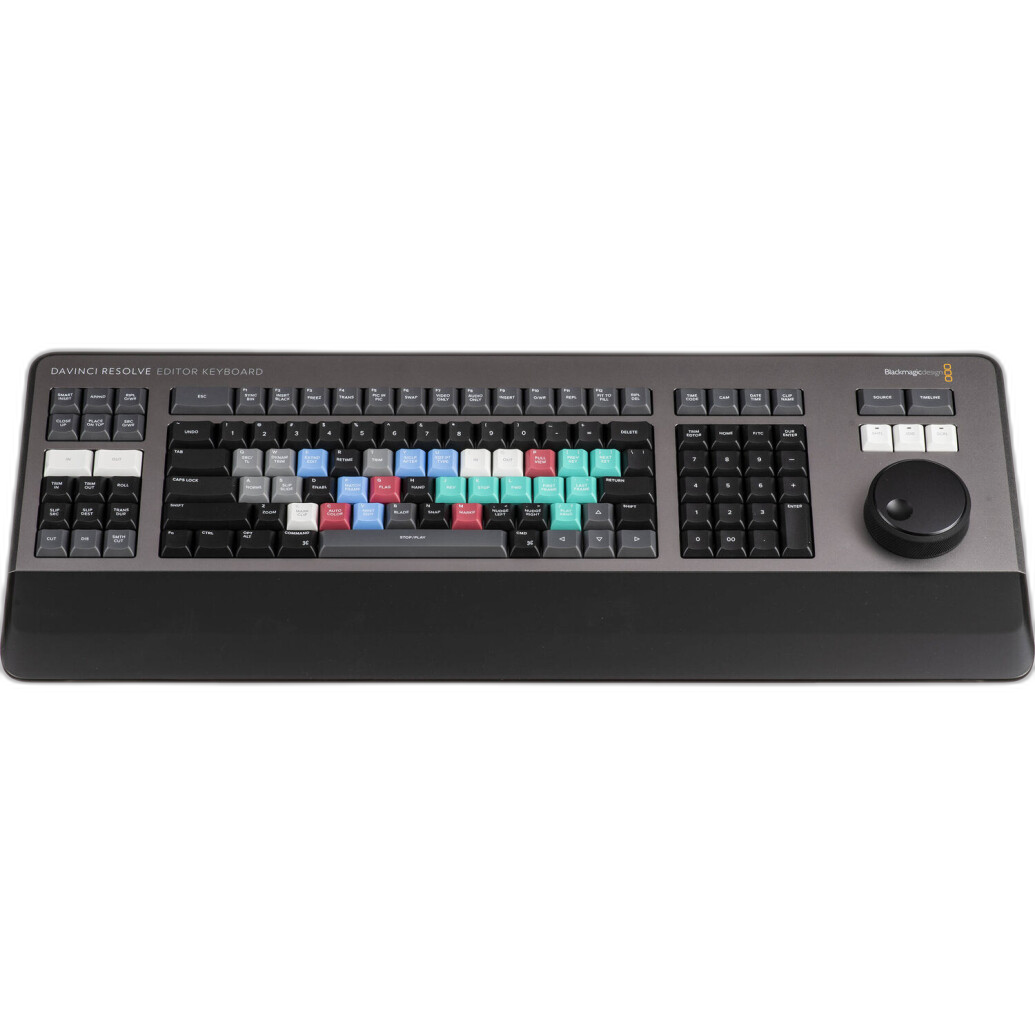
For photographers who value tactile editing control and faster refinement, the Blackmagic DaVinci Resolve Editor Keyboard can be helpful in workflows that involve advanced color work or mixed photo-video projects, though it is especially tailored to DaVinci Resolve users.
Does the type of contest matter when deciding how to edit?
Yes, and it matters a great deal. A wildlife contest usually expects a very different standard than a portrait salon or an open digital art competition. In journalism-oriented categories, authenticity and minimal intervention are often central values. In commercial or artistic contests, visual impact and creative interpretation may take priority.
Before editing, ask yourself what the judges are likely rewarding: factual accuracy, emotional storytelling, technical polish, originality, or experimental style. Once you know the purpose of the contest, your editing choices become much easier to define.
We often tell photographers to reverse their workflow: read the rules first, then edit to fit the category, not the other way around.
How can you protect yourself from contest problems before submitting?
Start by saving the original capture, reading the official rules in full, and checking whether the contest restricts cloning, object removal, AI-generated content, composites, or major tonal reconstruction. Then compare your edited file to the original and ask whether the scene still represents what was actually captured.
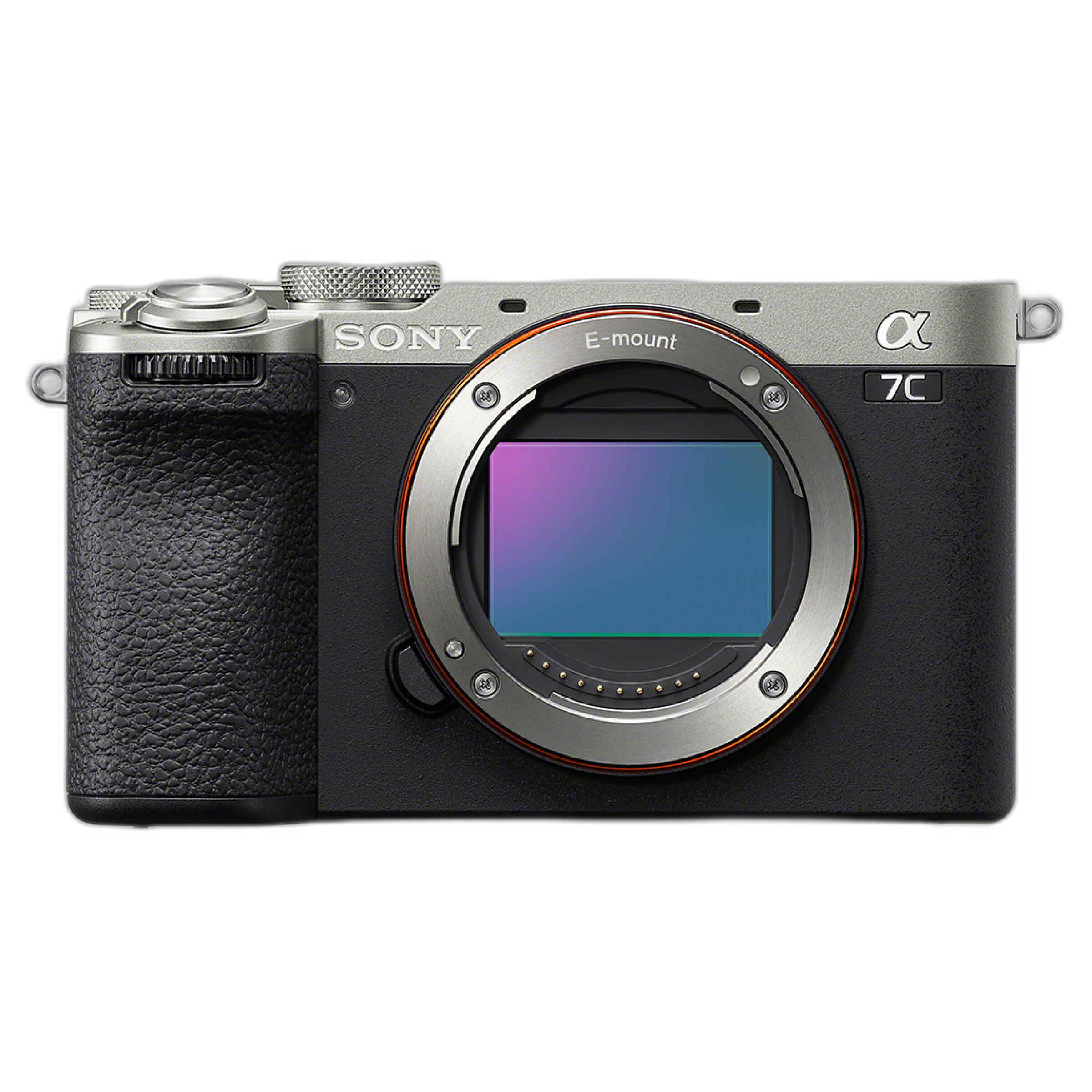
It also helps to maintain accurate metadata and a clear archive. If your camera file, edit history, and exported submission are easy to locate, you will be better prepared if organizers ask questions. Reliable gear and file discipline go hand in hand. For example, photographers buying used equipment should always understand the condition and limitations of the body they are using, especially if image integrity is important. A used camera such as the Sony Alpha A7C II body listed in as-is condition may suit some buyers, but contest shooters should always confirm that their equipment is performing properly and producing clean, dependable files.
Is heavy editing unethical, or just category-dependent?
Heavy editing is not automatically unethical. It becomes a problem when the editing conflicts with the rules, misleads viewers, or is presented dishonestly. In a fine art contest, dramatic manipulation may be completely appropriate. In a conservation photography competition, the same image treatment could be considered misleading.
Ethics in contests are really about transparency and context. If the contest welcomes imaginative post-production, then strong edits can be a valid part of the craft. If the category depends on trust and realism, the ethical standard becomes stricter. The responsible approach is to match your process to the expectations of the event and disclose your methods when required.
What is the best mindset for entering photo contests?
Think like both an artist and a professional. Make your image as strong as possible, but do it within the published framework. Contest rules are not there to limit creativity for no reason; they help define what kind of photography is being judged.
If you are unsure whether your edit crosses the line, pause and verify before submitting. A smaller, honest adjustment is usually better than a risky one that could cost you eligibility. And if you enjoy both straight photography and digital artistry, consider building separate portfolios for realistic and creative competition categories.
At Unique Photo, we help photographers refine their capture and editing workflow with cameras, creator kits, and post-production tools that support consistent results. If you are preparing for your next contest, explore our gear and accessories to build a workflow that keeps your images polished, organized, and ready for submission.