Nature Photo Contest FAQ: How to Improve Your Chances of Winning
Nature photography contests can be exciting opportunities to showcase your fieldcraft, technical skill, and creative vision. The strongest entries usually combine compelling subject matter with careful attention to rules, ethics, image quality, and presentation.
If you are preparing to submit wildlife, landscape, or environmental images, it helps to think like both a photographer and a judge. Below, our team at Unique Photo answers some of the most common questions about building stronger nature contest submissions.
What do judges typically look for in a winning nature photo?
Most judges respond first to impact. A strong nature image usually grabs attention immediately, then rewards a closer look with clean composition, meaningful light, strong timing, and a clear subject. In wildlife work, that may mean eye contact, behavior, or a rare moment. In landscape and nature scenes, it often comes down to atmosphere, structure, color harmony, and a point of visual interest that guides the viewer through the frame.
Technical quality still matters, especially in higher-level contests. Sharpness on the intended subject, controlled highlights, believable color, and a file that holds up to scrutiny are all important. Just as important, though, is originality. Judges often see many technically competent images, so a fresh perspective or a moment that feels authentic can help an entry stand out.
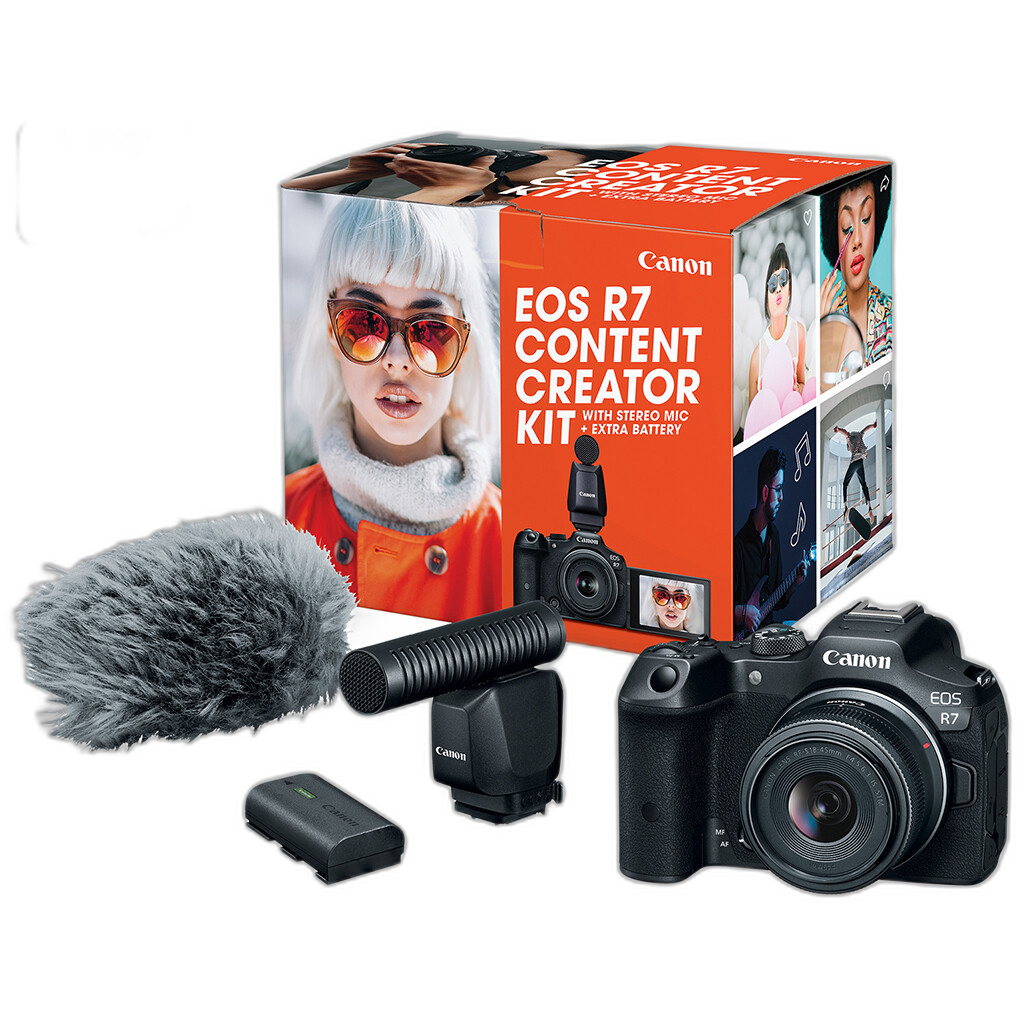
For photographers building a capable field kit, a fast, responsive camera can make a real difference in capturing fleeting action and behavior. The Canon EOS R7 Content Creator Kit offers speed, reach-friendly APS-C performance, and strong autofocus features that can be very useful for birds, wildlife, and general outdoor shooting.
What are the most common mistakes that get nature contest entries rejected or disqualified?
The biggest problems usually involve rules, not artistry. Many contests have strict requirements covering submission dates, file sizes, categories, manipulation limits, species welfare, and disclosure of composites or AI-assisted edits. Entering the wrong category, removing protected-content metadata, exceeding editing limits, or failing to provide an original RAW file when requested can all cause issues.
Another common mistake is ignoring ethical standards. Some competitions prohibit baiting wildlife, disturbing nests, handling animals, or altering the scene in a way that harms habitats or misrepresents nature. Even if an image looks impressive, concerns about how it was made can affect eligibility or judging.
Finally, avoid presentation errors. Distracting borders, watermarks, oversharpening, excessive noise reduction, and inaccurate captions can weaken an otherwise strong submission. Before uploading, review every contest rule carefully and keep your original files organized in case the organizers request verification.
How important is post-processing compared with in-camera technique?
Both matter, but they serve different roles. In-camera technique creates the foundation: exposure, focus, timing, lens choice, stability, and composition. Post-processing refines that foundation by improving tonal balance, color, contrast, and detail while preserving a natural look that fits the contest rules.
In most nature contests, good editing should enhance the photograph without becoming the subject itself. If saturation, local contrast, cloning, or background cleanup become obvious, the image may feel less credible to judges. Natural history and wildlife contests in particular often prefer restrained processing that preserves the authenticity of the scene.
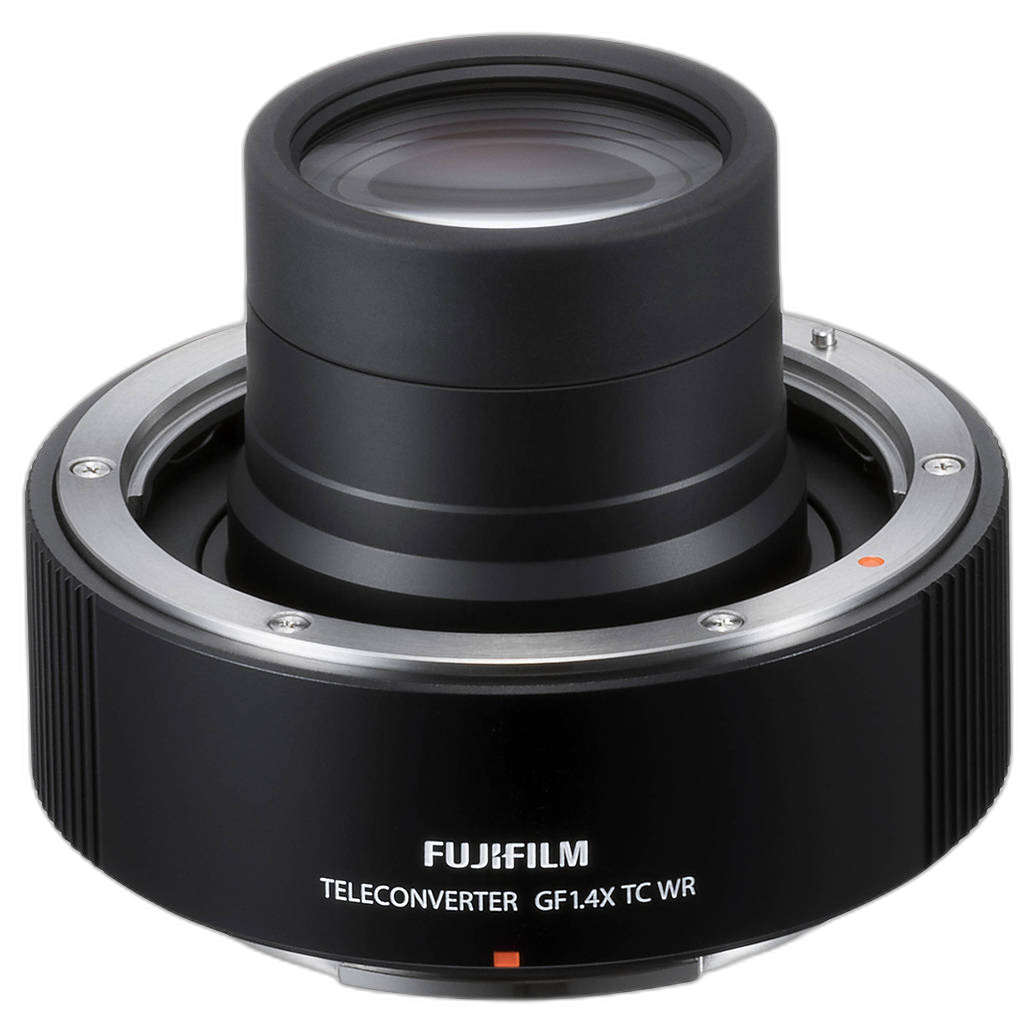
That is why field-ready gear still matters. If you can frame tighter in camera and track subjects reliably, you reduce the need for aggressive cropping later. For photographers working with longer systems, accessories like the Fujifilm GF 1.4X TC WR Teleconverter for G-Mount Lenses can help extend reach while maintaining a more natural composition in the field.
Can I submit older photos, or do contests only accept recent images?
That depends entirely on the contest. Some competitions accept images captured at any time, while others require that photographs be taken within a specific calendar year or submission window. A few also require that the image has not won prior awards or been published in certain ways.
The key is not to assume. Read the eligibility section closely and check whether the capture date, editing date, or publication status matters. If older work is allowed, submit the image only if it still represents your best standards of editing and file preparation. An older photograph can absolutely remain competitive if the moment, quality, and storytelling are strong.
Keep your archive organized with original RAW files, location details, and capture dates. That documentation can be essential if a contest asks for proof of authorship or ethical compliance.
How much do storytelling and emotion matter in nature contests?
They matter a great deal. Technical precision gets an image into contention, but emotional resonance often helps it linger in a judge's mind. In nature photography, storytelling can come from behavior, weather, seasonality, habitat, scale, or the relationship between an animal and its environment.
A dramatic action frame is not the only path to success. Quiet images can be just as powerful when they reveal vulnerability, isolation, resilience, or ecological context. Judges often appreciate photographs that do more than document a species—they communicate something about place, timing, or the broader natural world.
When selecting entries, ask yourself whether the image says something beyond “I saw this animal” or “I visited this location.” The most memorable submissions usually communicate why the moment mattered.
What file quality and presentation choices help a submission look more professional?
Start with the contest specifications and deliver exactly what is requested. Export at the correct dimensions, color space, compression level, and file naming format. If no profile is specified, sRGB is often the safest choice for online submissions, but always follow the rules provided by the organizer.
During editing, pay close attention to edge artifacts, halos, blocked shadows, clipped highlights, and overly heavy sharpening. These issues become much more obvious when judges view images on calibrated displays. It is also wise to inspect your file at 100% before exporting to catch sensor dust, awkward cloning, or noise problems in darker areas.
If you are building a more disciplined photography workflow overall, educational resources can help. Rocky Nook's Best Business Practices for Photographers by John Harrington is not a contest handbook specifically, but it is useful for photographers who want to improve their professional habits, recordkeeping, and submission discipline.
Should I crop aggressively to improve composition?
Moderate cropping is common and often helpful, but aggressive cropping can expose weaknesses in file quality and make an image less competitive. Heavy crops may reduce detail, increase visible noise, and limit your ability to meet output requirements cleanly. They can also create a look that feels forced if the framing becomes too tight or unnatural.
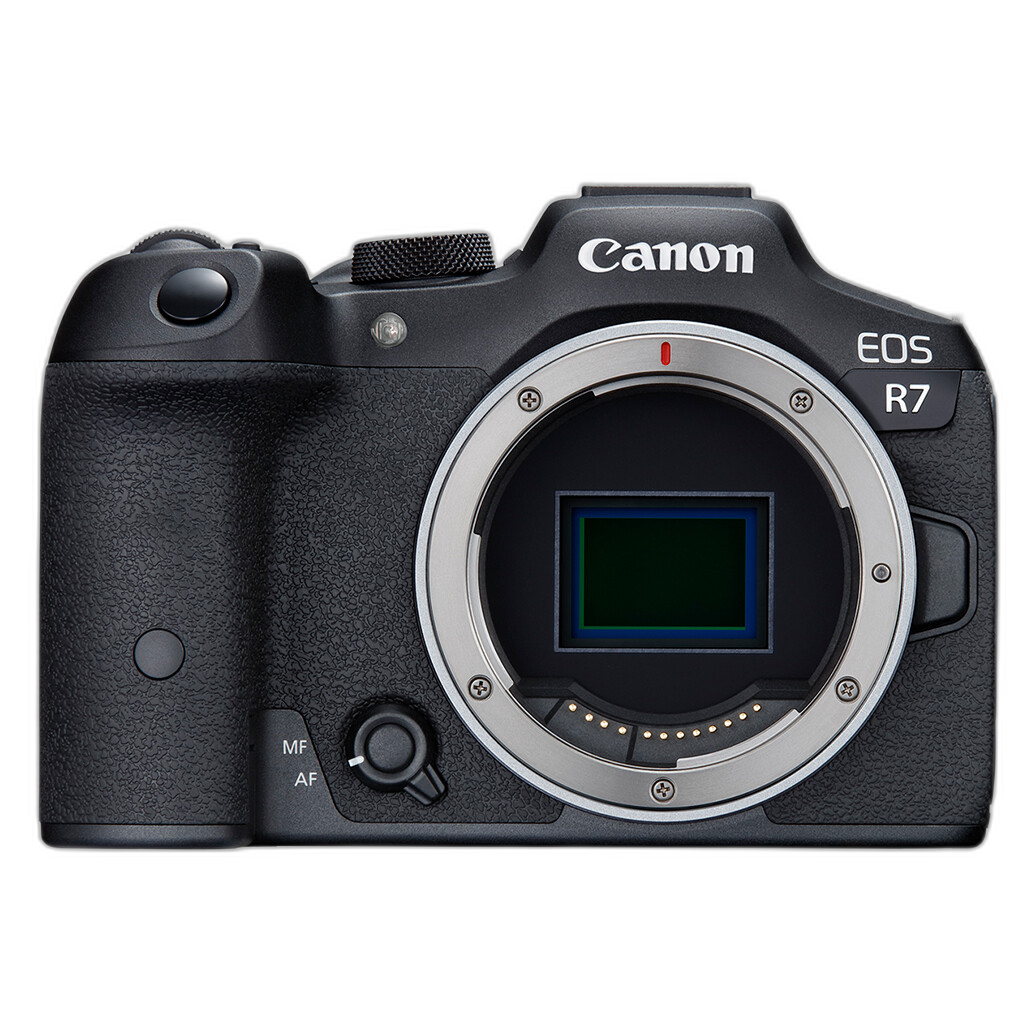
Whenever possible, aim to get close compositionally in camera. That may mean improving fieldcraft, waiting for the subject to approach, or using additional reach. A camera system with strong autofocus and burst capability, such as the Canon EOS R7 Content Creator Kit, can improve your odds of capturing a frame that needs less rescue later in post.
How many images should I enter, and how should I choose them?
More is not always better. If a contest allows multiple entries, submit only your strongest work rather than every image that seems decent. A tight selection shows confidence and helps ensure that each file reflects your best judgment.
Choose images that are distinct from one another in subject, mood, and composition. If several frames are similar, pick the one with the strongest expression, gesture, light, or environmental context. It is also useful to compare your finalists side by side and ask which ones feel memorable after a short break away from the screen.
If possible, get feedback from trusted photographers before entering. Fresh eyes can often spot a stronger crop, a more compelling frame, or an editing issue you have overlooked after spending too much time with the file.
What is the best way to prepare for future contests?
Successful contest entries usually come from consistent habits rather than last-minute decisions. Learn the rules early, keep your RAW files and captions organized, and develop a workflow that preserves metadata and capture details. In the field, prioritize ethical practices, patience, and intentional composition. At the editing stage, stay disciplined and let the image remain believable.
It also helps to keep improving your tools and technique over time. Whether you are expanding your wildlife reach with a teleconverter or upgrading to a camera body with faster autofocus and burst performance, the right gear can support better opportunities in the field when the decisive moment appears.
At Unique Photo, we carry cameras, accessories, and photography books that can help you strengthen both your craft and your contest-readiness. Explore our selection online or connect with our team for guidance on building a nature photography kit that supports your next award-worthy submission.