Photo Competition FAQ: How to Stand Out in Local and Online Contests
Entering photo competitions can be one of the best ways to sharpen your eye, build confidence, and get your work in front of new audiences. Whether you are submitting to a local gallery call, a camera club challenge, or an online international contest, success usually comes from a smart mix of strong storytelling, technical polish, and thoughtful presentation.
At Unique Photo, we encourage photographers to treat competitions as both a creative challenge and a learning opportunity. Below, we answer the most common questions about what helps images rise above the crowd.
What kinds of themes tend to perform well in photo contests?
The strongest contest themes are usually the ones that feel familiar enough to be accessible, but personal enough to feel fresh. Judges often respond to images built around emotion, place, identity, transformation, contrast, and human connection. Nature, street, portrait, and documentary work can all do well, but only when the photographer brings a point of view rather than relying on a generic subject alone.
If a contest has an open theme, avoid choosing a subject simply because it is popular. A dramatic landscape or a striking portrait can certainly place well, but judges see many technically competent images. What often separates a memorable submission is specificity: unusual light, a meaningful gesture, a distinctive color palette, or a visual idea that reveals intention.
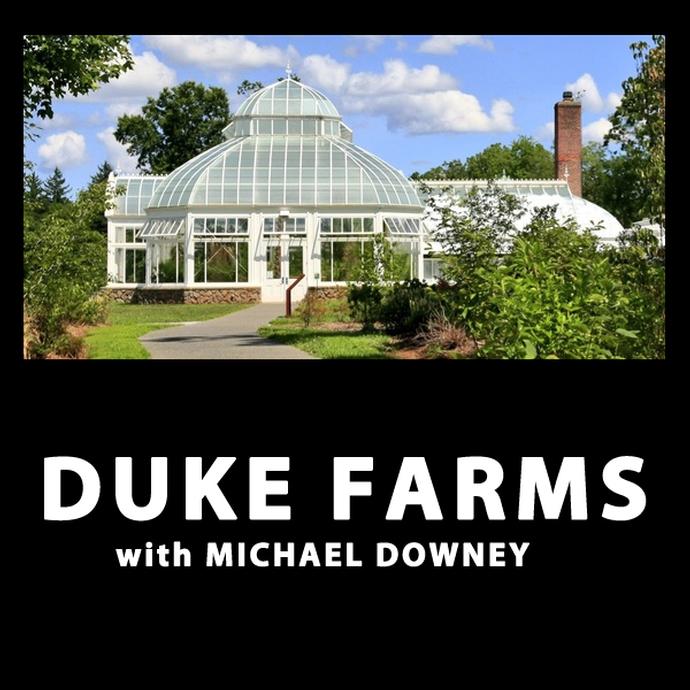
If you want to develop stronger themed work, guided shooting experiences can help you build a more cohesive portfolio. Unique Photo educational events like Macro and Landscape Photography at Duke Farms with Michael Downey can help photographers refine how they see detail, scale, and composition within a strong natural setting.
For photographers looking to create images with a more unusual visual hook, experiences such as Photograph Fluorescent Zinc Ore at Sterling Hill Mine can inspire contest-worthy work by putting you in a location that already offers extraordinary color and subject matter.

How do judges weigh originality versus technical skill?
In most reputable competitions, originality and technical execution work together. A highly original concept can lose impact if focus, exposure, color, or printing quality distract from the idea. On the other hand, a perfectly executed image may still feel forgettable if it does not offer anything beyond standard technique.
Judges typically notice technical issues first because they are easy to spot: clipped highlights, awkward retouching, oversharpening, muddy shadows, or inconsistent white balance. Once an image clears that threshold, originality becomes more important. This is where vision matters. Does the frame show a real point of view? Does the image communicate something beyond surface beauty?
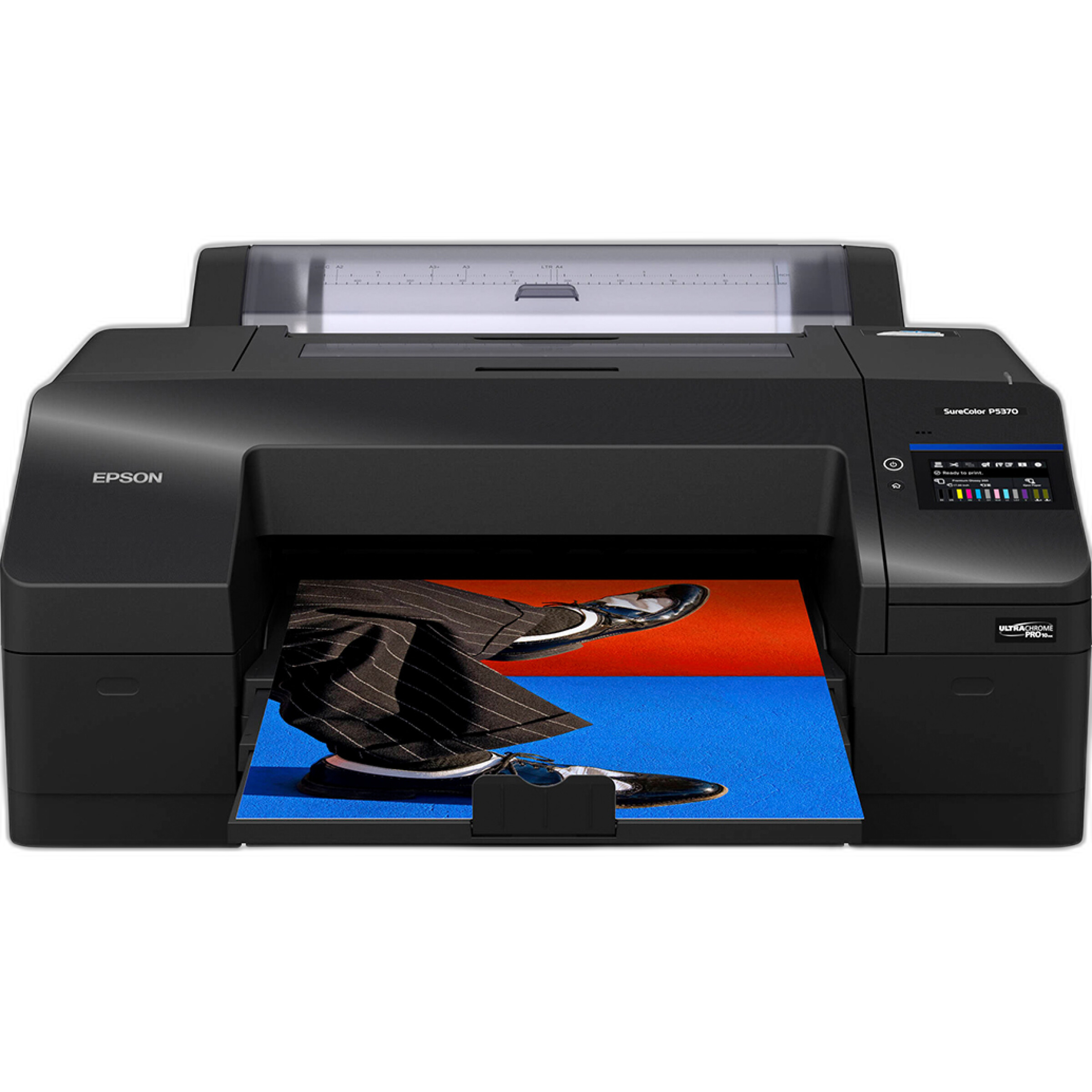
A good rule is to aim for technical fluency rather than technical showmanship. Use the craft to support the idea. For print competitions especially, output quality matters. A printer like the Epson SureColor P5370 17-Inch Professional Photographic Printer gives photographers far greater control over tonal range, shadow detail, and color fidelity than a casual lab workflow, which can make a real difference when every nuance is under close judging.
How much does storytelling matter compared to aesthetics?
Storytelling matters a great deal, even in categories that seem driven by visual beauty alone. Aesthetic appeal gets attention quickly, but story is what gives an image staying power. Judges often remember photos that suggest a before-and-after, imply a relationship, reveal a conflict, or create an emotional question in the viewer's mind.
That does not mean every contest image needs to be overtly documentary. Even abstract, landscape, or still-life photographs can tell a story through mood, sequencing, symbolism, or visual tension. The key is intentionality. Ask yourself what the image is saying, not just how it looks.
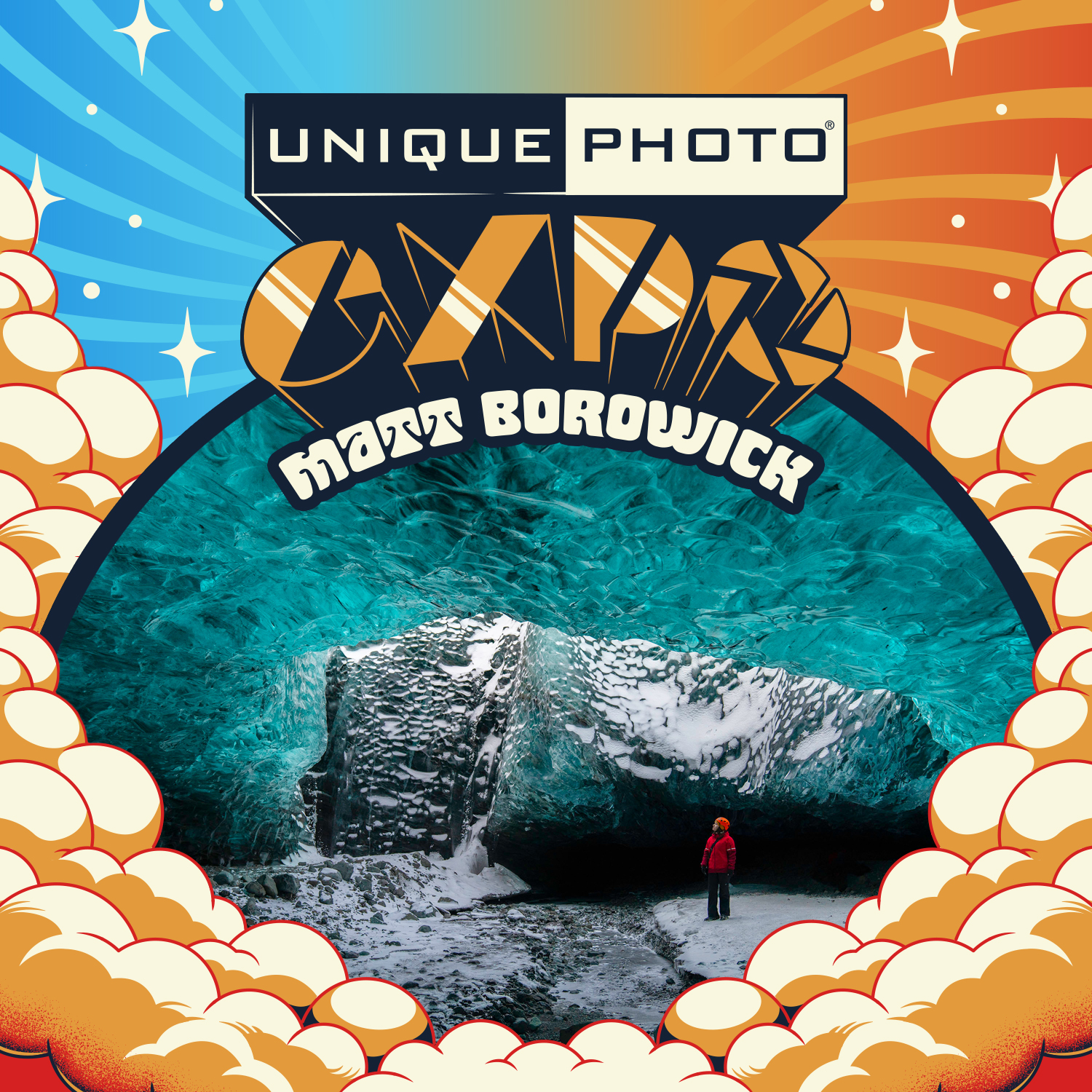
Photographers who want to strengthen narrative thinking can benefit from educational programs centered on visual storytelling. Events like EXPO: Stories from the Road - Photography Across Worlds w. Matthew Borowick are especially relevant because they encourage photographers to think beyond single frames and consider how experience, culture, and perspective shape memorable imagery.
How can I make my work look more distinctive without forcing originality?
Distinctive work usually comes from repetition, curiosity, and editing discipline rather than trying to be different for its own sake. Start by identifying what consistently draws your attention. It may be quiet gestures, unusual light, environmental portraiture, layered urban scenes, or highly graphic compositions. Once you recognize those tendencies, lean into them and build bodies of work around them.
Another useful strategy is to revisit locations and subjects over time. Repeated observation helps you move past the obvious picture and uncover a more personal interpretation. That process naturally leads to stronger contest entries because your images begin to reflect a recognizable voice.
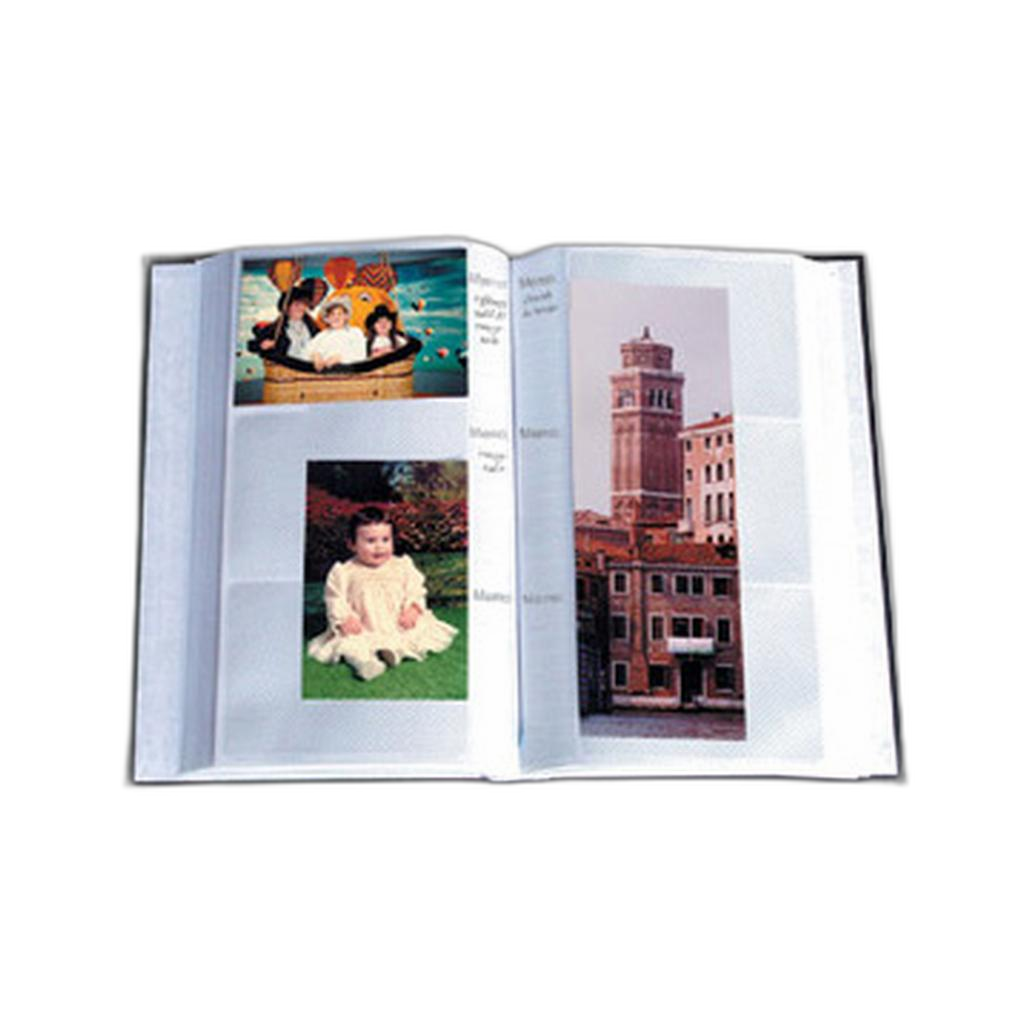
Keeping physical edits can help you see patterns in your own work. A simple archival solution like the Pioneer 4 x 6 In. Bi-Directional Memo Photo Album is useful for organizing selects, captions, and project notes, especially when comparing variations from multiple shoots.
If you are building larger ongoing projects, Pioneer Album Refill Pages for BP-200 Album can make it easier to continue sorting and refining sequences as your portfolio grows.
Are printed submissions judged differently than digital ones?
Yes. Print competitions introduce another layer of craftsmanship. In digital contests, judges view files on screens of varying quality, and impact often depends on thumbnail strength, immediate composition, and tonal clarity. In print contests, surface, paper choice, sharpness, edge detail, density, and color all become part of the presentation.
Metallic and gloss surfaces can enhance certain subjects, especially cityscapes, automotive work, high-contrast black-and-white, and images with luminous highlights. Matte and fine art surfaces may suit portraits, documentary work, and subtle tonal images. The right paper should reinforce the feeling of the photograph rather than compete with it.
For photographers preparing competition prints, the combination of the Epson SureColor P5370 and Kodak Professional Metallic Photo Inkjet Paper 44 x 100 Roll can be a smart choice when you want crisp detail and eye-catching depth for display-ready output.
What are the best ways to find reputable photo contests?
Start by looking for organizations with a clear history, transparent rules, identifiable judges, and straightforward rights language. Reputable contests typically explain entry fees, eligibility, usage terms, prize structure, and deadlines in detail. They also make it clear whether finalists are exhibited, published, or archived.
Be cautious with competitions that are vague about who is judging, promise exposure without specifics, or claim broad rights to use entries indefinitely. A trustworthy contest should not require you to surrender ownership just to participate.
In addition to searching online, local opportunities can be especially valuable. Community art centers, galleries, camera clubs, regional publications, and educational institutions often run competitions that offer real-world visibility. Unique Photo workshops and events can also connect you with instructors and fellow photographers who are active in the regional photo community and often know which calls for entry are worth your time.
How should I choose which image to submit?
Choose the image that is most complete, not simply the one with the most dramatic subject. A winning submission usually has a clear subject, disciplined composition, intentional use of light, and emotional or conceptual coherence. If the contest has a theme, your image should address it unmistakably while still feeling individual.
It is also wise to test your short list with other photographers whose opinions you trust. Ask them what they remember after a quick viewing and what they notice after a longer look. If an image makes a strong first impression and continues to reveal more on review, that is often a good sign.
Physical review can help here too. Contact sheets, small prints, and albums reveal issues that are easy to overlook on a backlit screen. For photographers curating personal projects or contest sequences, the Pioneer TS-246 Oxford Brass Corner Photo Album can be a useful way to organize finished prints and compare presentation options over time.
Should I edit aggressively to make my image stand out online?
Only if the edit serves the concept. Overprocessing is one of the fastest ways to weaken a contest submission. Heavy-handed HDR, excessive skin smoothing, artificial color shifts, haloing, and unrealistic contrast can make an image feel dated or insincere. Judges tend to respond better to processing that feels confident and controlled.
That does not mean your work must look neutral. Strong color grading, bold contrast, or stylized retouching can absolutely succeed when they are consistent with the subject and category. The goal is to have every choice feel intentional. If the editing style becomes the first thing viewers notice, it should be because it strengthens the image, not because it distracts from it.
How important is consistency if I am entering multiple images or a series?
Consistency is extremely important when contests allow portfolios or multi-image entries. Judges want to see that you can sustain an idea, not just produce one successful frame. A strong series has visual cohesion in tone, color, pacing, subject treatment, and point of view. The individual images should work on their own, but together they should feel more meaningful.
This is where organization matters. Printed proofs and albums can help you evaluate whether your sequencing makes sense and whether one image feels out of place. Building that habit improves not only contest submissions but also exhibition prep, zine projects, and client-facing portfolios.
Photo competitions can be rewarding at every level, from local showcases to major online calls. The best approach is to combine technical care, a clear personal voice, and presentation that respects the viewing experience. If you are ready to strengthen your submissions, explore Unique Photo classes, excursions, printing tools, and presentation supplies to help turn strong images into standout entries.