Guest Post by Mike Z:
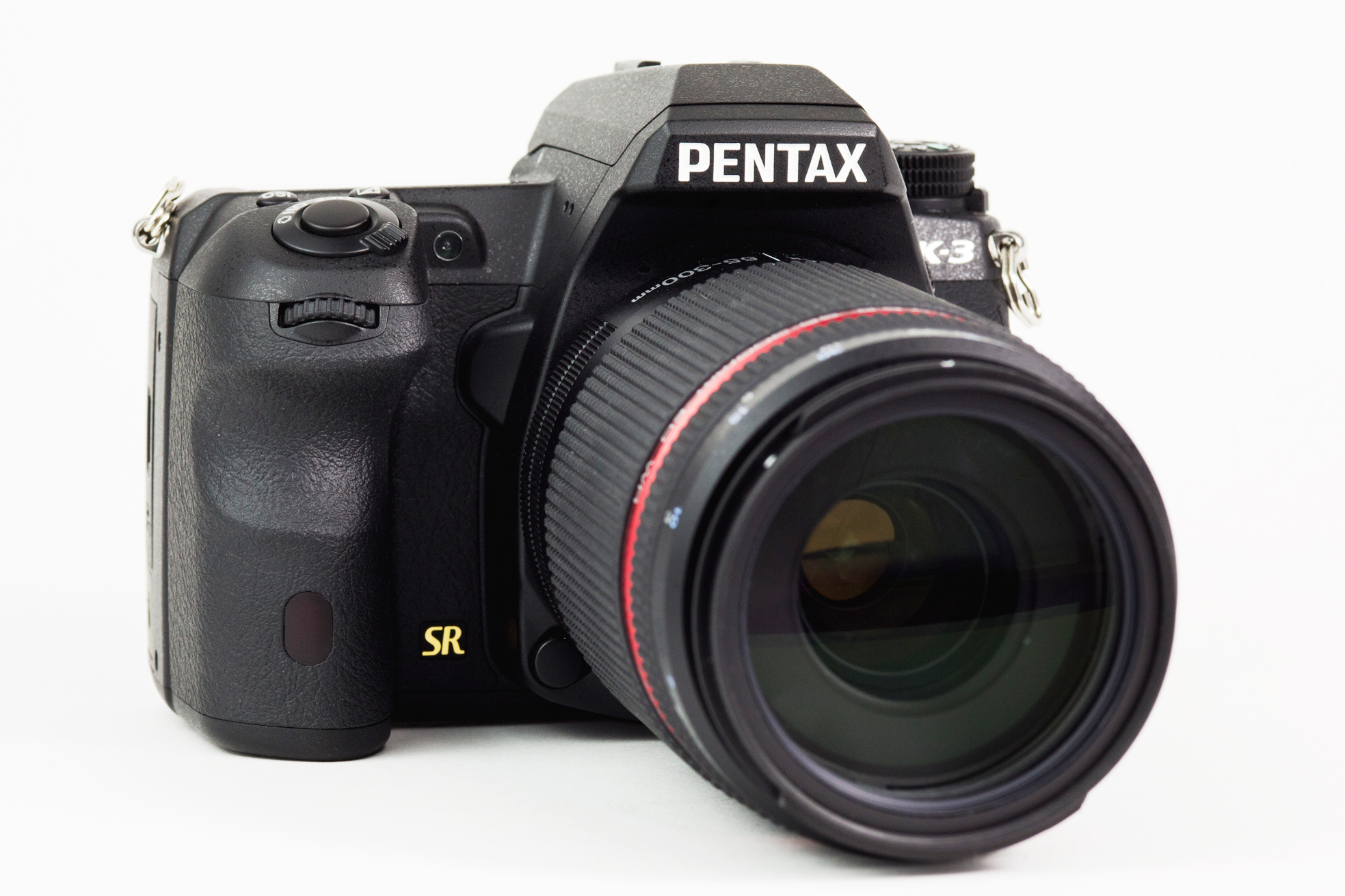
Over the past few days I had the opportunity to test out a pre-production Pentax K3 DSLR. For the past few years Pentax has come up with some pretty niche products such as the Q7, K-01, and 645D. The first thing I noticed about the Pentax K3 is the careful attention Pentax gave to the size and construction of K3. In an age where manufacturers are concerned about making all cameras slim and lightweight, Pentax has taken a different approach here. While not overly large, the K3 has an extremely solid feel to it. I certainly wouldn't call the K3 "elegant" along the same line as say a Macbook Pro or HTC One X, but for serious photographers, durability trumps aesthetic form. Full weather sealing also compliments the high-standard to which Pentax has crafted the K3.
In 2013, image quality has reached somewhat of a zenith. While tomorrow's camera will certainly be better than today's, it has gotten to the point with image quality where almost everyone is on the same page and further improvements are marginal at best. We no longer need to look at test charts or do silly "high-iso" noise comparisons. The K3 joins the 20+ Megapixel APS-C club and compares favorably to other models such as the Canon 70D, Nikon D7100, and Sony A77. The last note on image quality is Pentax's unique technology to create an "Anti-Aliasing Simulator" in camera. The high-resolution 24MP sensor does not have an aliasing filter itself, but in-camera software algorithms can simulate the slight blur of an aliasing filter that you find on 95% of DSLRs out in the wild. Basically this means higher resolution images on demand with the option to correct for aliasing when photographing subjects with repeating patterns as fabric or brick walls.
So if image quality has leveled out among competing brands, how does the Pentax K3 distinguish itself? Pentax has long been known for incorporating professional features into mid-level/consumer cameras. The K3 follows this desirable trend by sporting a beautiful 100% (.63x magnification) optical viewfinder. With 25 out of the 27 AF points being cross-type sensors, the K3 can focus quickly and accurately in the most damning lighting scenarios. The 8 frame per second burst mode is plenty for those looking to capture fast moving wildlife or perhaps just a son/daughter playing soccer. Images appear bright and accurate on the 3.2" 1.04M dot LCD monitor. The 3:2 aspect ratio is charming and "normal" compared to the bizarre 4:3 aspect ratio that Pentax has used on previous models.
For those interested in HDSLR filming, Pentax has finally stepped up to the plate and included proper dual SDXC memory storage slots, a 3.5mm microphone jack, and an additional jack for headphones! The crisp LCD makes filming easy, especially with built-in focus peaking. This of course sweetens the idea of using some older manual focus Pentax K-Mount lenses which have been in production for over 50 years and be found for very reasonable prices online.
While offering nothing necessarily "ground breaking" or "game changing" to an already over-saturated camera market, it is certainly a more than capable competitor when compared to any other APS-C DSLR on the market right now. Stay tuned for some sample images and a short video review.


