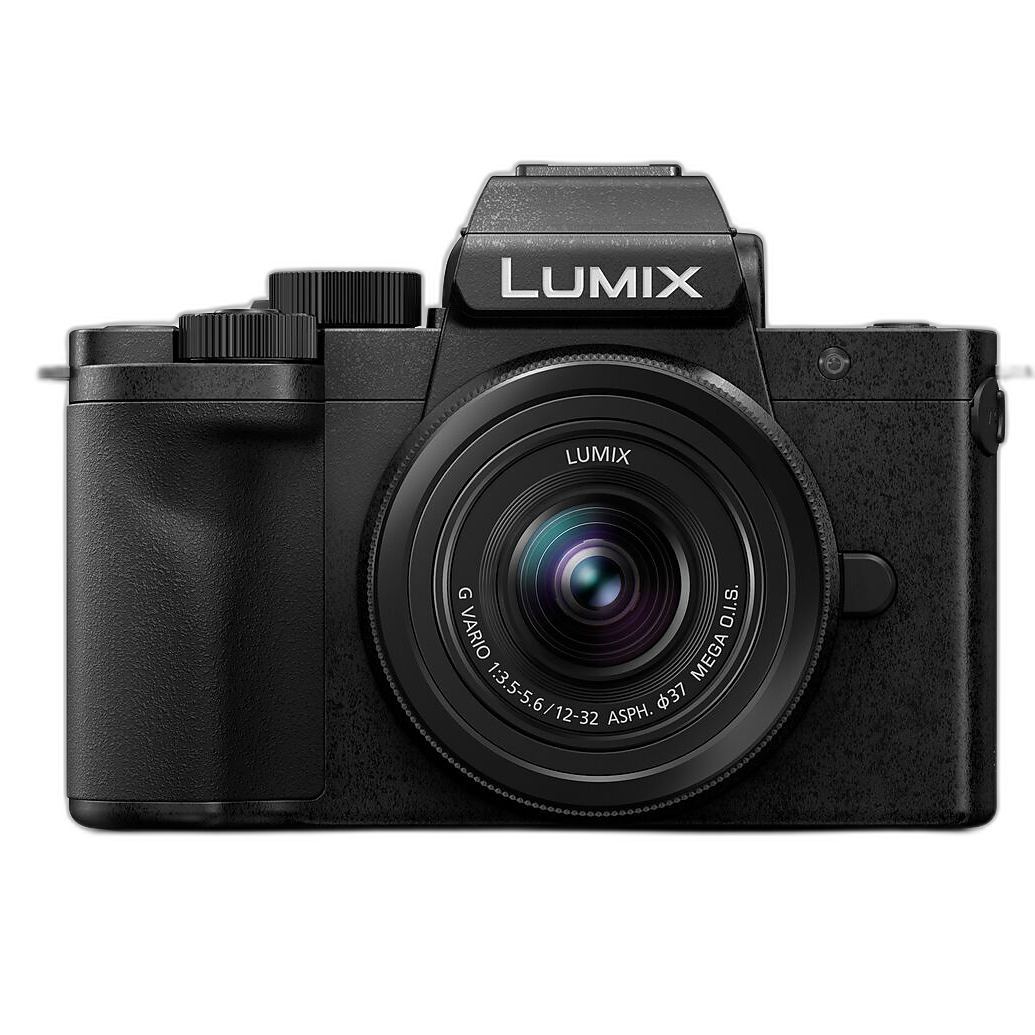
In 2008, Panasonic introduced something that felt genuinely new: an interchangeable-lens digital camera system built around the Micro Four Thirds mount, without the mirror box that had defined the DSLR era. The launch of the Lumix G1 marked not just the debut of a new camera body, but the beginning of an entire lineage that would help establish the modern mirrorless category. Looking back from today, the Panasonic Lumix G story is one of bold first steps, rapid refinement, and a steady effort to balance compact size, electronic innovation, and system depth.
As a historical hub, this guide follows the Lumix G series chronologically from the September 12, 2008 release period onward, tracing how Panasonic expanded the concept of the Micro Four Thirds camera. Rather than treating the line as a single product, it is best understood as a family: enthusiast stills bodies, rangefinder-style designs, video-focused hybrids, compact travel cameras, and flagship tools that pushed what smaller-format mirrorless cameras could do.
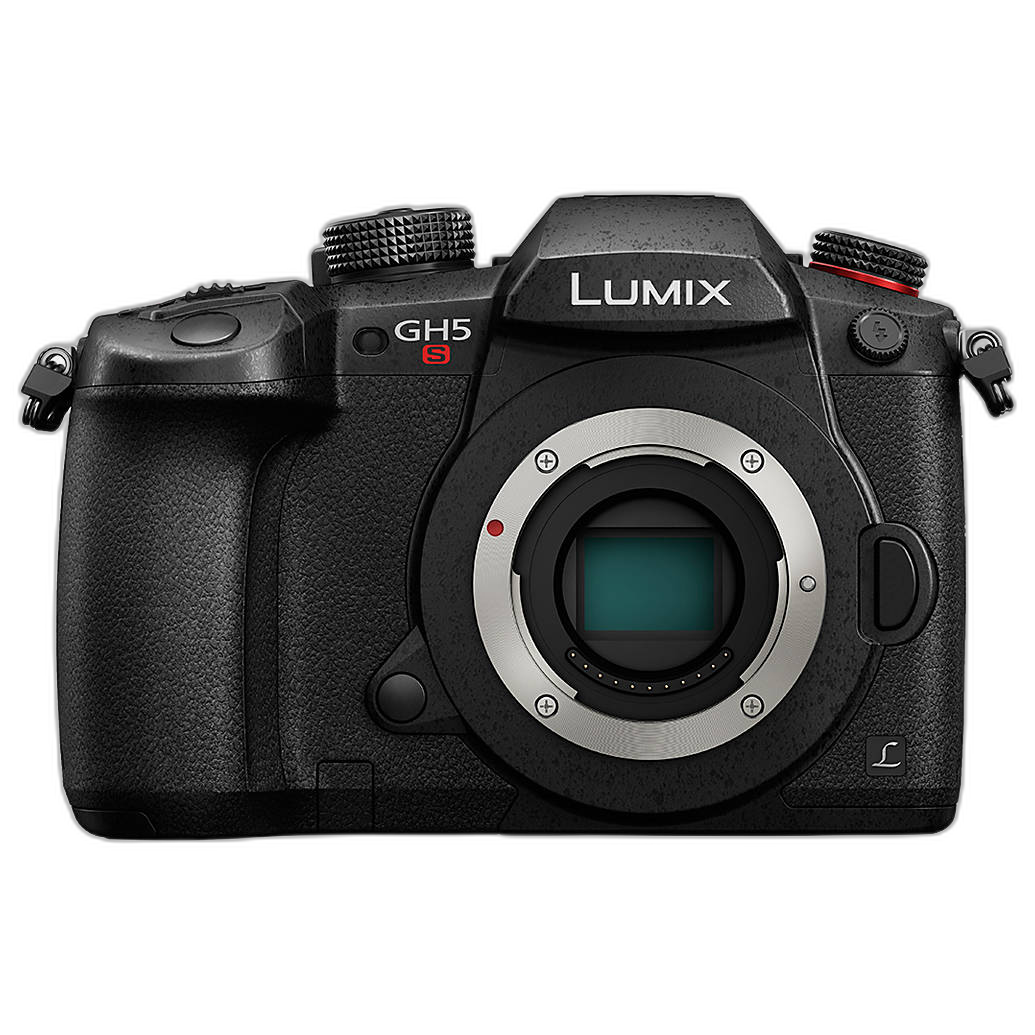
The Beginning: Why the Lumix G1 Mattered in 2008
The importance of the original Panasonic Lumix G1 lies in context. In 2008, the interchangeable-lens market was dominated by DSLRs. Mirrorless cameras as we know them today were not yet a settled category. Panasonic, working within the Micro Four Thirds standard, presented an alternative approach: remove the mirror mechanism, shorten the flange distance, and build a smaller camera around electronic viewing and live-view operation from the ground up.
The G1 was the first body in the Lumix G family and one of the first truly influential mirrorless interchangeable-lens cameras. Its significance was not simply that it used a smaller mount adaptation of the Four Thirds concept, but that it embraced a new operating philosophy. Instead of treating live view as a secondary mode, Panasonic made the electronic viewfinder and rear display central to the shooting experience. That decision now seems obvious; in 2008, it was forward-looking.
For photographers encountering the G1 at launch, the appeal was clear. Here was a camera with interchangeable lenses and serious photographic ambition, yet in a body notably more compact than many contemporary DSLRs. It preserved the direct control ethos that enthusiasts appreciated while also signaling where the market could be headed. In retrospect, the G1 stands as one of the foundational cameras of the mirrorless age.
Understanding the Lumix G Family
Panasonic’s naming can be confusing when viewed all at once, so it helps to understand the Lumix G line as several overlapping branches under one umbrella. All are tied together by the Micro Four Thirds mount, which gave users access not only to Panasonic lenses but to a broader ecosystem that expanded steadily over time.
Broadly speaking, the Lumix G lineage developed across these themes:
- G series: DSLR-shaped mirrorless bodies, beginning with the G1, often positioned as versatile enthusiast cameras.
- GH series: Higher-end, performance-oriented bodies that became especially important in video production.
- GF series: Smaller, more compact rangefinder-style cameras designed to make interchangeable-lens shooting more approachable and portable.
- GX series: Premium flat-bodied models aimed at advanced users who wanted compact form without giving up controls.
- GM series: Extremely compact interchangeable-lens cameras emphasizing portability.
- Entry-level branches such as the GF and later simplified compact models: Often designed to broaden Micro Four Thirds appeal beyond enthusiasts.
Because this is a release-history hub, the key point is that Panasonic did not leave the G1 concept static. It expanded the line in multiple directions, using the same mount to serve different kinds of photographers and filmmakers.
The First Generation: Establishing Micro Four Thirds
Lumix G1 and the First Wave
The original G1 established the template: compact interchangeable-lens design, electronic viewing, and a user experience that tried to bridge traditional camera handling with digital-era flexibility. The launch gave the Micro Four Thirds mount an identity in the real market, not just on paper.
Just as important as the body itself was the system concept. A mount only matters if lenses and accessories follow. Panasonic’s early Lumix G efforts therefore have to be understood as system-building exercises. The G1 was the first body, but it also represented confidence that photographers would accept a new standard if the shooting experience and portability made sense.
Early Expansion Beyond the G1
Panasonic moved quickly after the first release period to broaden the concept. Early Lumix G development showed that mirrorless did not need to be confined to one shape or one audience. Some users wanted an SLR-style grip and finder experience; others wanted something smaller and more travel-friendly. Panasonic answered with different body styles while remaining within the same mount family.
This early period is historically important because it proved Micro Four Thirds was more than a one-off experiment. Panasonic was building not just a camera, but an ecosystem and a roadmap.
The Rise of the GH Line: Performance and Video Leadership
If the G1 announced Panasonic’s mirrorless ambitions, the GH series did a great deal to define the company’s reputation over the following decade. The GH line became the branch where Panasonic most aggressively explored hybrid imaging performance, especially in video.
For historians of digital imaging, the GH family deserves special attention because it helped change industry expectations. In the DSLR era, video on still cameras was initially treated as a novelty or secondary feature. Panasonic’s GH models pushed the opposite idea: that a compact interchangeable-lens camera could be a serious filmmaking tool. Over time, the GH name became closely associated with creators who wanted advanced motion capabilities in a relatively compact and affordable package.
That did not happen all at once. Each generation tended to refine processing, ergonomics, recording options, and operational control. What matters in a release-history view is the cumulative effect. Panasonic steadily built trust with working videographers, independent filmmakers, educators, event shooters, and multimedia journalists. By doing so, the company gave the Lumix G family a second identity beyond still photography: one of the most important video-centric mirrorless lines ever made.
Even users who never shot serious video benefited from the GH line’s development. Improvements in autofocus behavior, electronic viewfinders, screen articulation, handling, menu sophistication, and image-processing power often influenced the broader Lumix G lineup as Panasonic shared ideas across branches.
The Compact Turn: GF and the Democratization of Mirrorless
While the GH line expanded upward into more specialized territory, Panasonic also moved in the opposite direction. The GF series represented an effort to make Micro Four Thirds smaller, simpler, and more approachable. Historically, this was a crucial move. A new system survives not only by impressing enthusiasts, but by attracting buyers who want better image quality than a compact camera or smartphone can provide, without carrying a traditional DSLR.
The GF models emphasized portability and style in a way that complemented the more finder-centric G cameras. In the early 2010s especially, this mattered. Mirrorless was still defining itself in public perception, and compactness remained one of its strongest selling points. Panasonic used the GF family to demonstrate that interchangeable lenses did not have to mean bulk.
These cameras also reveal another recurring Panasonic strategy: segmentation through design. Rather than assuming every customer wanted the same control layout or body shape, Panasonic used the shared mount to offer distinct experiences. That flexibility helped the Lumix G family feel broad and mature in a relatively short time.
The GX Series: Premium Compact Enthusiast Cameras
As the market evolved, Panasonic refined the idea of the enthusiast compact into the GX series. These cameras generally appealed to photographers who wanted a flatter, rangefinder-style body but still expected direct controls, solid build, and advanced features. In historical terms, the GX line represents Panasonic’s answer to a growing audience that valued discretion, portability, and street-friendly handling without stepping down to a purely entry-level experience.
The GX branch also shows how Panasonic’s design language matured. Early mirrorless bodies across the industry sometimes felt transitional, as manufacturers worked out how to position electronic viewfinders, rear controls, and grip ergonomics. By the time the GX family came into clearer focus, Panasonic had a better sense of what different users expected from different form factors.
For many photographers, the GX concept captured one of Micro Four Thirds’ enduring strengths: a well-balanced middle ground between capability and size. That idea remained central to the identity of the Lumix G system even as the camera market around it changed.
The GM Series and the Pursuit of True Pocketability
Among Panasonic’s most distinctive contributions to mirrorless design was the GM series, which pushed miniaturization to an extreme. These cameras showed just how small an interchangeable-lens body could become while still belonging to a serious system camera family.
From a historical perspective, the GM line illustrated both the promise and the challenge of compact system design. On one hand, it embodied the original mirrorless dream in concentrated form: quality imaging in a body that was dramatically smaller than DSLR norms. On the other hand, shrinking a camera too far can complicate handling, thermal management, battery life expectations, and control spacing. Panasonic’s willingness to explore that edge says a great deal about the company’s experimental confidence during the strongest years of mirrorless innovation.
The GM family remains an important chapter because it reminds us that the Lumix G story was never only about one flagship path. Panasonic repeatedly tested what the mount and format could be.
Advancing the Core G Series
While side branches drew attention, the main G series continued to develop as the backbone of the Lumix G family. These DSLR-shaped mirrorless bodies often served as the most straightforward expression of Panasonic’s original concept: comfortable grip, built-in finder, interchangeable lenses, and a broad feature set aimed at enthusiasts who wanted an all-purpose camera.
Across generations, the G line generally benefited from the same broader improvements shaping the entire Lumix platform: better displays and electronic viewfinders, more sophisticated autofocus systems, stronger video functions, improved processing, and refinements in body design. The exact specification list varies by model, but the historical pattern is clear. Panasonic treated the G series as a dependable bridge between entry-level accessibility and higher-end hybrid capability.
This is one reason the G1 still matters as a reference point. Later G models changed substantially in detail, but the underlying proposition remained recognizable. Panasonic was still pursuing a compact, capable, electronic-first interchangeable-lens camera for photographers who wanted flexibility without the old DSLR architecture.
Micro Four Thirds as a System, Not Just a Sensor Format
No release history of Panasonic Lumix G would be complete without emphasizing that the real story is not only about bodies. It is about the Micro Four Thirds mount as a functioning system. Panasonic’s long-term success with Lumix G depended on lens development, accessory support, and user confidence that the mount would remain viable across generations.
That system approach shaped the meaning of every new release. A new body was not starting from zero; it entered an ecosystem of lenses ranging from compact primes to versatile zooms and specialized optics. For buyers in the late 2000s and 2010s, this continuity mattered enormously. One of the strongest arguments for the Lumix G line was that users could begin modestly and expand over time.
The mount also encouraged a different way of thinking about camera ownership. Because Micro Four Thirds bodies came in so many shapes and price points, photographers could move between compact and advanced bodies while often keeping the same lenses. Panasonic thus made the system feel flexible in practical, everyday terms.
How Each Era Advanced the Line
2008 to Early Adoption
The first era was about proof of concept. Panasonic had to convince photographers that mirrorless could be serious, responsive, and enjoyable to use. The G1 and its early companions established credibility for electronic viewing and smaller interchangeable-lens design.
Expansion and Experimentation
The next major stage involved broadening the family. Panasonic explored compact models, enthusiast variations, and stronger multimedia capabilities. This period is when the Lumix G system began to feel comprehensive rather than merely pioneering.
Hybrid Maturity
As the line matured, Panasonic increasingly stood out in hybrid stills-and-video performance. The GH family, in particular, elevated the brand’s reputation well beyond traditional enthusiast still photography. During this era, the Lumix G system became a touchstone for independent video creators.
Refinement in a Changing Market
Later years brought a more competitive mirrorless landscape, including the rise of larger-sensor mirrorless systems and the shrinking of the entry-level camera market under smartphone pressure. Panasonic’s response was not to abandon Lumix G, but to continue refining the system’s strengths: portability, lens breadth, video sophistication, and mature handling.
Seen over the long arc from 2008 to the present, the Lumix G lineage is best understood as an adaptable platform. It survived major market shifts because it was never pinned to a single body concept.
The Historical Importance of the Lumix G1 Today
It is easy, in a market now full of mirrorless choices, to underestimate how consequential the original G1 was. But any serious history of digital camera design has to give it a central place. The G1 demonstrated that an interchangeable-lens camera without a reflex mirror could be practical, appealing, and system-worthy. It helped normalize the idea that an electronic viewfinder could be not merely acceptable, but integral.
That influence extends beyond Panasonic. The broader industry shift toward mirrorless cameras, though driven by many companies over many years, owes something to the early credibility created by cameras like the G1. Panasonic’s willingness to launch boldly in 2008 gave the market a working example of the future before that future was universally accepted.
Who the Lumix G Story Appeals To
This release-history hub is useful for several kinds of readers. Collectors and historians will see the G1 as a milestone object from the first serious mirrorless generation. Photographers considering used or legacy Micro Four Thirds gear can use the Lumix G lineage to understand where different body families fit. Video creators, meanwhile, will recognize the GH branch as one of the key evolutionary lines in digital hybrid imaging.
For newer camera users, the story is also instructive because it explains why Panasonic’s Micro Four Thirds system still has a distinct identity. In an era where many brands pursued larger sensors and premium pricing, Lumix G often continued to emphasize efficient size, broad lens choice, and practical multimedia capability. That philosophy began with the G1 and remained visible, in different forms, across the generations that followed.
Looking Back at the Lumix G Legacy
From the Lumix G1 in 2008 to the many G-, GH-, GF-, GX-, and GM-series models that followed, Panasonic’s Micro Four Thirds journey has been one of the most important and varied stories in modern camera history. The company did not simply release a single groundbreaking body and stop there. It spent years building a family of cameras that explored what mirrorless could be for enthusiasts, travelers, filmmakers, students, and working creators.
The result is a lineage with unusual historical depth. Some Lumix G models are remembered for launching a category, others for making interchangeable-lens photography more compact, and still others for changing expectations in video. Together, they form a coherent narrative: the steady evolution of the Micro Four Thirds mount from an audacious new idea into a mature photographic system.
For collectors, users, and anyone interested in the development of digital cameras, Panasonic Lumix G remains a line worth studying closely. And for those looking to explore Panasonic cameras, lenses, and the broader history of Micro Four Thirds, Unique Photo is an excellent place to buy gear or learn more.