Introduction
The mirrorless vs DSLR debate is no longer just about viewfinders; it’s about where to invest your budget, which ecosystems will be supported for years, and how much innovation you get per dollar. The OM SYSTEM OM‑5 (Silver, Body Only) slots into that conversation as a compact, weather‑sealed mirrorless camera that brings mature features from higher tiers into a travel‑friendly body. For photographers weighing technological advancements against cost and long‑term lens support, the OM‑5’s Micro Four Thirds platform and computational features make a compelling case that mirrorless—done thoughtfully—can outpace many DSLRs for everyday and adventure workflows.
Where DSLRs still excel—battery endurance, optical viewfinders, and sometimes lower used‑market lens prices—mirrorless wins on silent shooting, advanced stabilization, real‑time exposure preview, and rapidly evolving autofocus and video capabilities. The OM‑5 embodies those mirrorless upsides while staying mindful of budgets and ecosystem breadth.
Key Features
Compact, weather‑sealed build for real‑world shooting
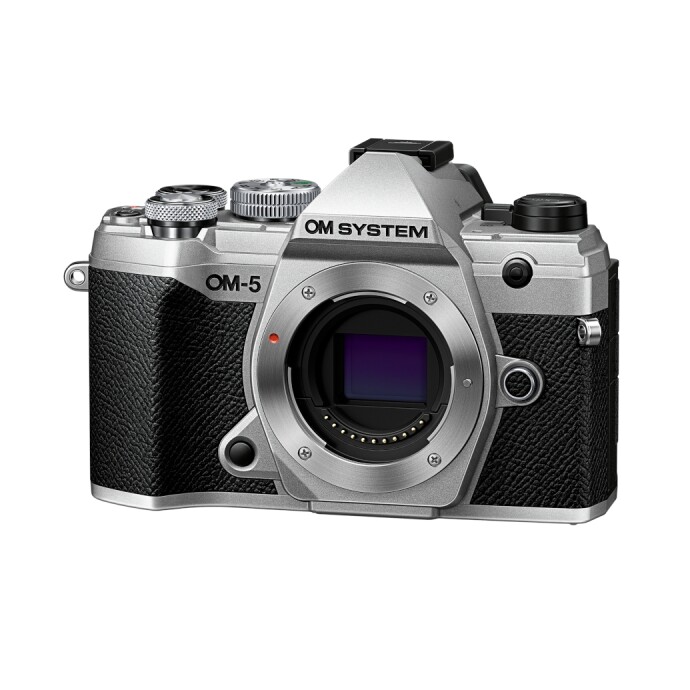
The OM‑5 embraces a svelte, retro‑inspired design that’s easy to carry all day and robust enough for unpredictable conditions. Its weather sealing helps it stand apart in its class, making it ideal for travel, hiking, street, and documentary work where DSLRs can feel bulky and attract attention. The Silver finish looks classic without adding weight or complexity.
5‑axis in‑body stabilization and computational tools
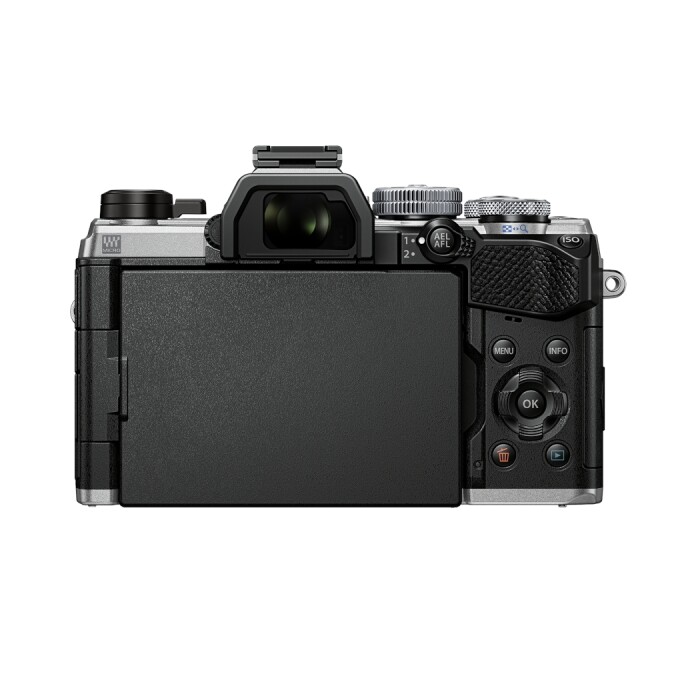
One of mirrorless’ biggest technological leaps over many DSLR bodies is the combination of IBIS and computational photography. The OM‑5’s in‑body stabilization is excellent for handheld stills and video, enabling slower shutter speeds and smoother footage. Advanced modes—like High‑Res Shot, Live ND, Live Composite, and Starry Sky AF—let you create images that would otherwise require tripods, filters, or painstaking setup. For creators working within a budget, these built‑in tools stretch your dollar further than a typical DSLR kit.
Autofocus and burst speed designed for modern subjects
The OM‑5’s on‑sensor autofocus enables quick, accurate focusing across much of the frame, with subject‑friendly modes for people, wildlife, and low‑light scenes. Combined with high‑speed burst shooting and pre‑capture options, it’s easier to nail fleeting moments than with many older DSLRs, especially when shooting silently in environments where shutter noise is distracting.
Video features for hybrid creators
For those straddling stills and motion, the OM‑5 records crisp 4K and stabilized footage that benefits from the same compact form factor and IBIS advantages. Profiles like OM‑Log provide flexibility in post, while the camera’s lightweight design pairs well with smaller rigs and gimbals—a point in mirrorless’ favor when compared to DSLR bodies not optimized for modern video.
Micro Four Thirds ecosystem and budget friendliness
Ecosystem support can make or break a camera investment. Micro Four Thirds offers one of the deepest lens catalogs in the industry, including compact primes, travel zooms, and specialized optics from multiple brands. For photographers watching costs, this breadth often means smaller, more affordable kits without sacrificing optical quality. The OM‑5’s value proposition stands out when you factor total system weight and price—not just the body.
Mirrorless vs DSLR: How the OM‑5 Stacks Up
Technological advancements: The OM‑5’s IBIS, live exposure preview, and computational modes deliver tangible, everyday benefits that most DSLRs can’t match natively.
Budget constraints: While full‑frame mirrorless bodies can be pricey, the OM‑5 keeps costs down through its compact design and access to a broad range of affordable Micro Four Thirds lenses. Compared to building a complete DSLR kit today—often with heavier glass—the OM‑5 system can be simpler and more economical.
Ecosystem support: OM SYSTEM and the wider MFT alliance continue to support a rich lens and accessory ecosystem. For long‑term ownership, that breadth is reassuring and practical.
Pros and Cons
- Pros
- • Compact, weather‑sealed body that encourages everyday carry.
- • Excellent 5‑axis IBIS plus powerful computational modes (Live ND, High‑Res Shot, Starry Sky AF).
- • Strong lens ecosystem with abundant, lightweight, and budget‑friendly options.
- • Silent shooting, fast burst capabilities, and modern on‑sensor AF.
- • Solid 4K video features for hybrid creators in a small package.
- Cons
- • Smaller sensor than full‑frame rivals may show more noise at very high ISOs.
- • Battery life lags behind many DSLRs in all‑day, heavy use; plan on spares.
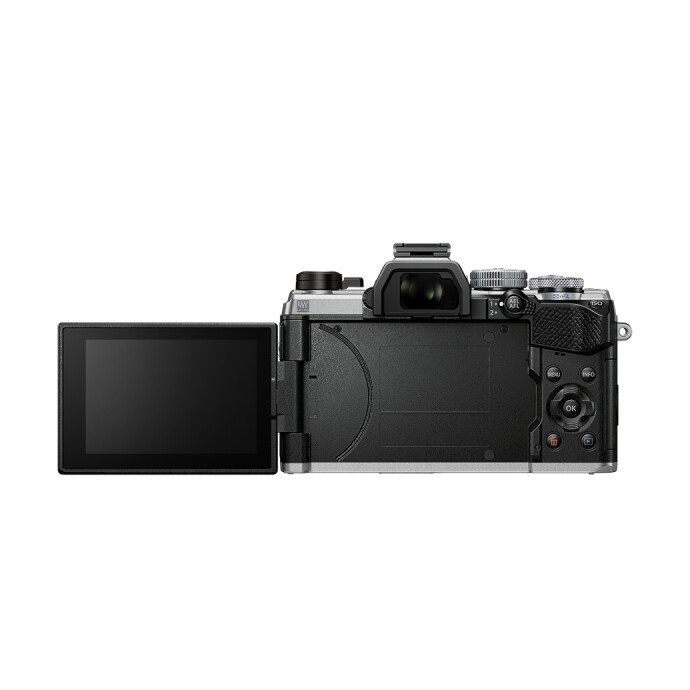
- • EVF experience differs from optical viewfinders—some DSLR diehards may prefer an OVF.
- • Not the absolute best choice for ultra‑shallow depth of field without fast primes.
Verdict and Recommendation
If you’re debating mirrorless vs DSLR through the lenses of technology, budget, and ecosystem support, the OM SYSTEM OM‑5 makes a persuasive case for modern mirrorless. It’s a compact, durable body with stabilization and computational tricks that meaningfully expand what you can shoot—without expanding your bag or budget. Photographers who value portability, creative features, and a wide, affordable lens selection will find the OM‑5 a smarter long‑term buy than many legacy DSLR setups.
For traveling photographers, outdoor enthusiasts, and hybrid shooters who want a capable, weather‑sealed camera that won’t slow them down, the OM‑5 is easy to recommend. If you need ultra‑low‑light performance or the shallowest possible depth of field, consider pairing the OM‑5 with fast primes—or look to larger sensors. Otherwise, this is a sweet spot body that encapsulates why mirrorless has the momentum.
Buy the OM SYSTEM OM‑5 (Silver, Body Only) and explore compatible lenses and accessories at Unique Photo—your destination for new and used gear, education, and expert support.