Introduction: A hands-on way to judge your budget portrait glass
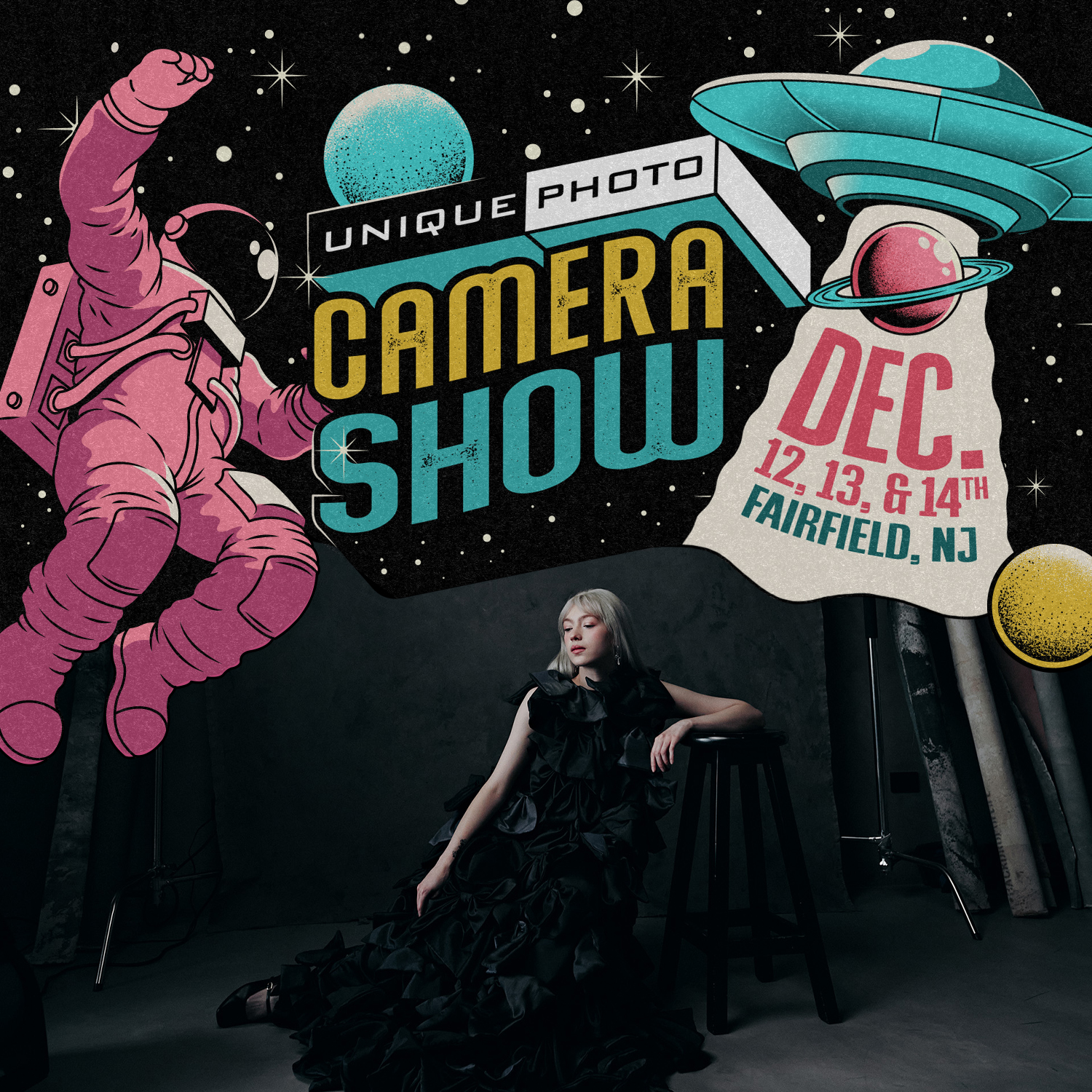
If you’re weighing popular budget portrait lenses—think 35mm and 50mm f/1.8s, or the value‑packed 85mm primes—and you want real answers about aperture behavior, autofocus reliability, and sharpness where it counts, NJCS: Part II – Compelling Portraiture Live Shoot with Jonny Edward is one of the most practical learning labs you can attend. Hosted by Unique Photo, this live‑shoot format gives you the rare chance to put your everyday lenses to work with a model and controlled setups, then evaluate what actually improves your portraits: depth of field choices, AF modes, and lens rendering.
While many workshops skim theory, this session leans into practice. Bring the gear you own, compare results alongside fellow shooters, and leave with files that tell the truth about your lens’s bokeh, edge‑to‑edge sharpness, and AF consistency in portrait conditions.
Key Features and Takeaways
Real‑world aperture testing: learn how f/1.8 vs f/2.8 actually looks
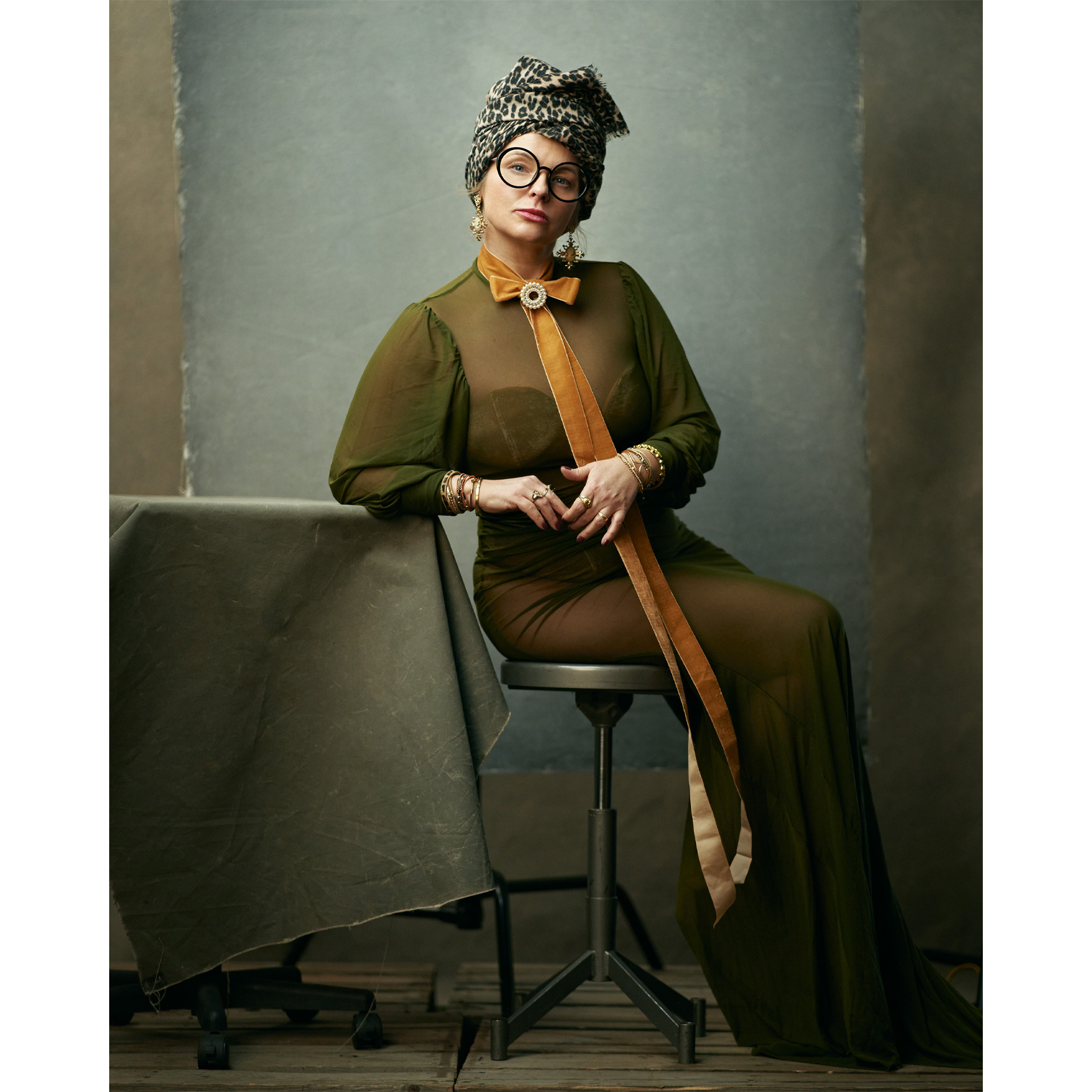
Budget primes earn their keep by opening wide. In this live shoot, you can frame the same subject across apertures to see how background separation, cat’s‑eye bokeh, and facial depth of field change—and decide when to stop down for eyelashes and both eyes in focus. It’s the fastest path to understanding whether your 50mm f/1.8’s wide‑open character flatters your subject or benefits from a click or two down.
Autofocus speed and hit rate, not just specs
Portraits rise or fall on reliable focus. You’ll get to try your camera’s AF‑C vs AF‑S, single point vs eye detect, and see how your lens responds with a real model, studio movement, and lighting transitions. The takeaway: practical settings and focusing techniques that boost your keeper rate with the lenses you already own.
Sharpness where it matters
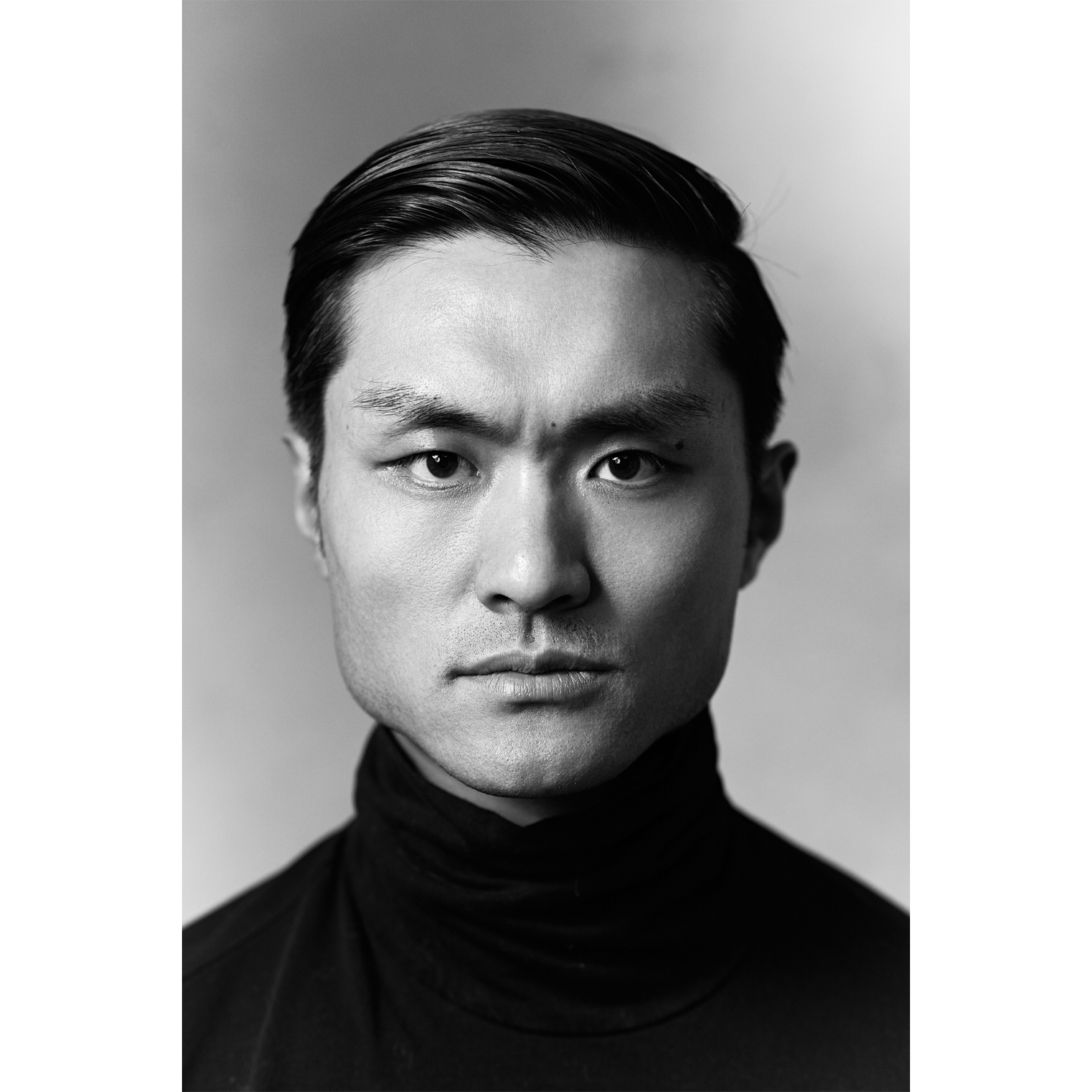
Charts don’t model cheeks and hairlines. Shooting controlled portraits reveals if your lens is razor sharp in the critical zone (eyes and lashes) and how quickly sharpness falls off across the face and toward the edges. You’ll learn where to place focus, what aperture balances micro‑contrast with flattering skin, and how composition can dodge edge softness common to budget glass.
Lighting that compliments budget lenses
Good light beats expensive optics. Under Jonny Edward’s guidance, you’ll see how direction, size, and quality of light minimize color fringing, soften transitions, and tame contrast—letting affordable lenses punch above their weight. Expect setups that help your glass shine rather than expose its weakest traits.
Composition and posing that work with your focal length
Classic portrait focal lengths behave differently: 35mm for environmental context, 50mm for versatility, 85mm for compression and grace. You’ll be coached to compose with your chosen lens’s strengths—avoiding distortion at close distances and leveraging perspective for flattering headshots or three‑quarter portraits.
Peer comparison and feedback loop
Because this is a live shoot, you see results from fellow photographers using the same focal lengths or competing budget options. That immediate comparison is invaluable—clearer than spec sheets and internet opinions—so you can decide whether to stick with your current lens or plan your next upgrade.
Pros and Cons
- Pros
- • Live‑shoot format reveals true lens behavior at common portrait apertures
- • Guidance on AF settings and techniques improves keeper rate with budget primes
- • Lighting direction helps inexpensive lenses deliver premium‑looking results
- • Immediate peer comparisons clarify 35/50/85mm choices for portraits
- • Take‑home files let you evaluate bokeh, sharpness, and color on your own monitor
- Cons
- • Not a dedicated lens buyer’s guide—focus remains on shooting and technique
- • Takeaways depend on how actively you participate and test your own gear
- • Availability tied to NJCS scheduling; seats can fill quickly
Verdict: The best way to judge your budget portrait lens is to shoot
If you’re comparing popular budget portrait lenses and want clarity on aperture choices, autofocus performance, and real‑world sharpness, this live shoot delivers. It’s an efficient, confidence‑building way to understand your gear’s strengths, learn lighting that flatters affordable glass, and decide whether a 35, 50, or 85 suits your portrait style.
Recommendation: Bring your current portrait lens (or two) and a short list of settings you want to test. You’ll leave with keeper images, better focusing habits, and a practical sense of how your lens renders faces and backgrounds—no speculation required.
Purchase and attend through Unique Photo. Check dates and availability for NJCS: Part II – Compelling Portraiture Live Shoot with Jonny Edward at UniquePhoto.com to reserve your spot.