Film Stock Comparisons: Color Rendition, Grain, and Compatibility
Choosing the right film stock has a huge impact on the look of your photos. Color palette, contrast, grain structure, and processing compatibility all shape your results—and your workflow. Whether you’re picking between Kodak Portra, Ektar, Gold, ColorPlus, Fuji Superia, or trying specialty choices like CineStill, this guide from Unique Photo breaks down what matters and how to build a reliable film workflow from exposure to print.
Color rendition by film stock: Portra vs Ektar vs Gold vs Superia
Color rendition is the most visible difference between stocks. Think of each emulsion as a built‑in LUT: it affects hue bias, saturation, and contrast under daylight or tungsten.
- Kodak Portra 160/400/800: Neutral warmth with gentle contrast and skin‑tone accuracy. Great dynamic range and a forgiving highlight roll‑off. Ideal for portraits and weddings.
- Kodak Ektar 100: High saturation, crisp micro‑contrast, and very fine grain. Excellent for landscapes, travel, and product detail. Can be punchy on skin unless lit/graded carefully.
- Kodak Gold 200 / ColorPlus 200 / UltraMax 400: Classic consumer palette—warmer yellows and reds, moderate contrast, and nostalgic pop. Great everyday stocks for travel and street.
- Fujifilm Superia (various): Cooler greens and cyans with a clean, slightly contrasty look. Great for foliage, cityscapes, and available light.
- CineStill 400D / 800T: Cinema‑derived emulsions optimized for still photography; 800T is tungsten‑balanced for night scenes with a cooler, cinematic feel and halation glow around bright lights.
Lighting matters. Under golden hour, warm stocks become sunnier; under shade, cool‑leaning films keep blues clean. Labs or scanning can steer color as well, so keep notes on lighting and metering if you want repeatable results.
Understanding film grain: ISO, format, and push/pull
Grain is the texture of silver halide crystals in the emulsion; its look depends on speed, format, and processing.
- ISO speed: Lower ISO films (ISO 50–200) typically have finer grain and more color purity; higher ISO (ISO 400–800+) yield larger, more visible grain with better low‑light performance.
- Film format: 120 (medium format) and 4×5/8×10 (large format) show visibly less grain at the same ISO than 35mm because you enlarge less for a given print size.
- Exposure: Overexposing C‑41 by +1 stop (rating Portra 400 at EI 200) often tightens grain and lifts shadows. Underexposure increases contrast and makes grain more apparent, especially in color neg shadows.
- Push/pull: Pushing increases contrast and apparent grain; pulling reduces contrast and can compress highlights. Always confirm push/pull capability with your lab before shooting.
Processing compatibility: C‑41 vs E‑6 vs ECN‑2 vs B&W
- C‑41 color negative: Most color still films (e.g., Portra, Ektar, Gold, Superia, Kodacolor, ColorPlus) use C‑41 chemistry. Widely available and affordable.
- E‑6 slide (positive): Films like Provia/Velvia demand precise exposure and yield rich transparencies ideal for projection or direct drum scanning.
- ECN‑2 cinema: Motion picture stocks (e.g., Kodak Vision3) include a rem‑jet backing. Some labs remove rem‑jet and process for stills, but confirm lab compatibility.
- Black & white: Traditional B&W (e.g., HP5, Tri‑X) uses dedicated B&W chemistry. Chromogenic B&W (e.g., XP2) runs in C‑41.
If you print in a darkroom, C‑41 color negatives are traditionally printed on RA‑4 color paper using RA chemistry. Unique Photo carries paper and chemistry to support pro and enthusiast workflows.
Kodak Kodacolor 200 and other budget‑friendly films
Budget and availability matter, especially for high‑volume shooting and learning.
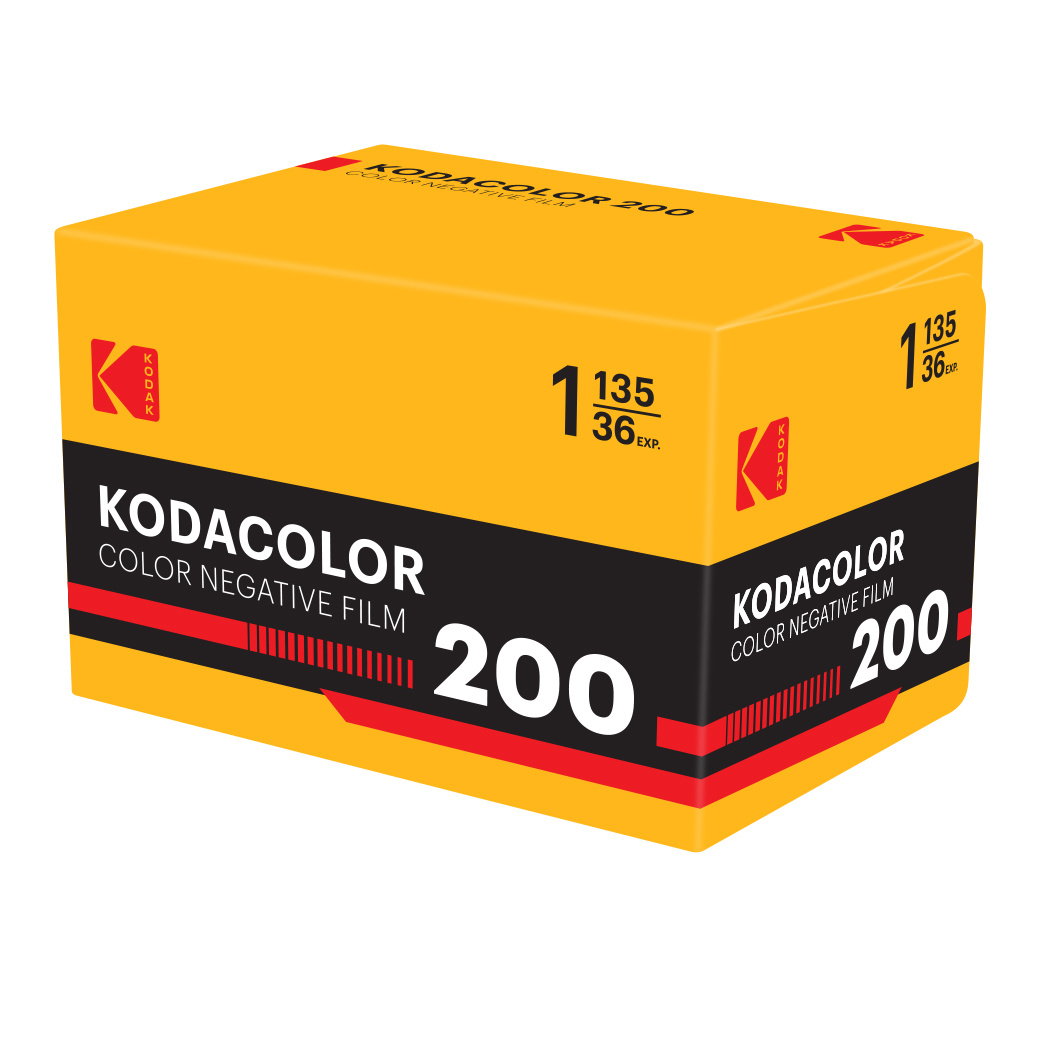
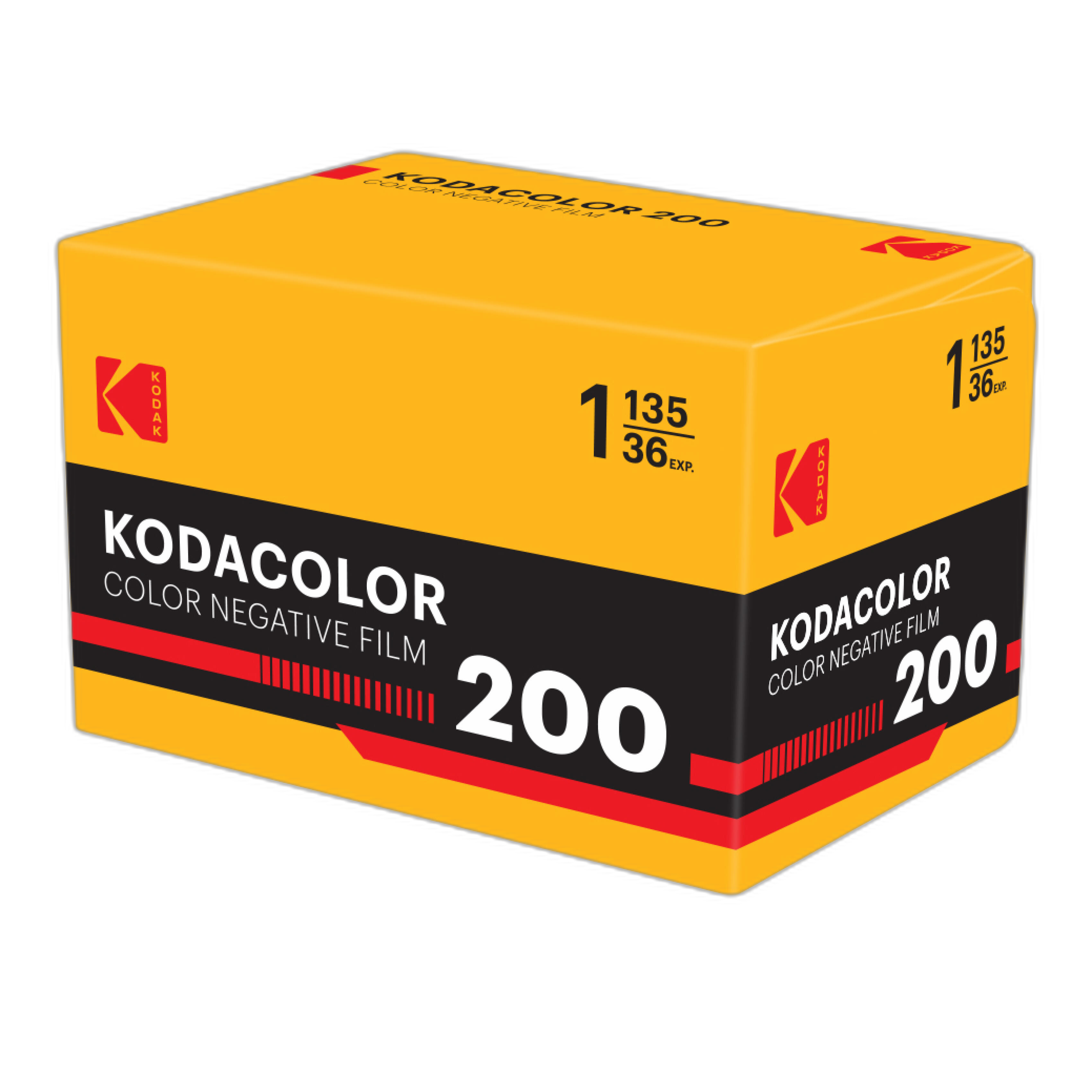
- Kodak Kodacolor 200: Classic 200‑speed C‑41 stock with a warm, familiar palette and moderate grain. Good for daylight, travel, and everyday use; forgiving latitude for metering practice.
- Kodak ColorPlus 200 / Gold 200: Similar speed with subtle palette differences—ColorPlus is slightly lower contrast; Gold leans warmer and punchier.
- UltraMax 400: Adds speed for overcast and indoor light at the cost of a touch more grain.
- Fuji Superia: A cooler palette alternative at 200/400 speeds with pleasing greens and blues.
Tip: If you love the Kodacolor look, try rating at EI 100–160 in bright scenes for tighter grain and smoother shadows, then ask your lab to print or scan for natural skin tones.
Which film for portraits, landscapes, street, and night?
- Portraits & weddings: Portra 160/400 for natural skin; rate at EI −1/3 to −1 stop for softer contrast. In controlled light, Ektar can work with careful skin toning.
- Landscapes & travel: Ektar 100 for saturation and detail; Portra 160 for pastel hues.
- Street & everyday: Gold 200, ColorPlus 200, or UltraMax 400 for reliability and affordability.
- Night & neon: CineStill 800T for tungsten‑balanced cityscapes and halation bloom; Portra 800 for a cleaner look if you can find it.
Lighting tools help with consistency. Compact LEDs like the Godox ML60II Bi‑Color are great for testing color under mixed light or for copy‑stand digitization of negatives.
Printing and scanning workflows: RA‑4 paper and inkjet
After processing, you’ll either scan or print optically. For color negatives, traditional RA‑4 printing remains a gold standard for color fidelity. Unique Photo stocks chemistry and paper so you can keep a home or community darkroom running.
- Chemistry: RA‑4 processes typically use a developer and bleach/fix. For minilab‑style color processing, look for reliable pro chemistry such as Fujifilm Digital RA Pro components.
- Paper: Fujifilm color papers offer excellent neutrality and D‑max for punchy, consistent prints.
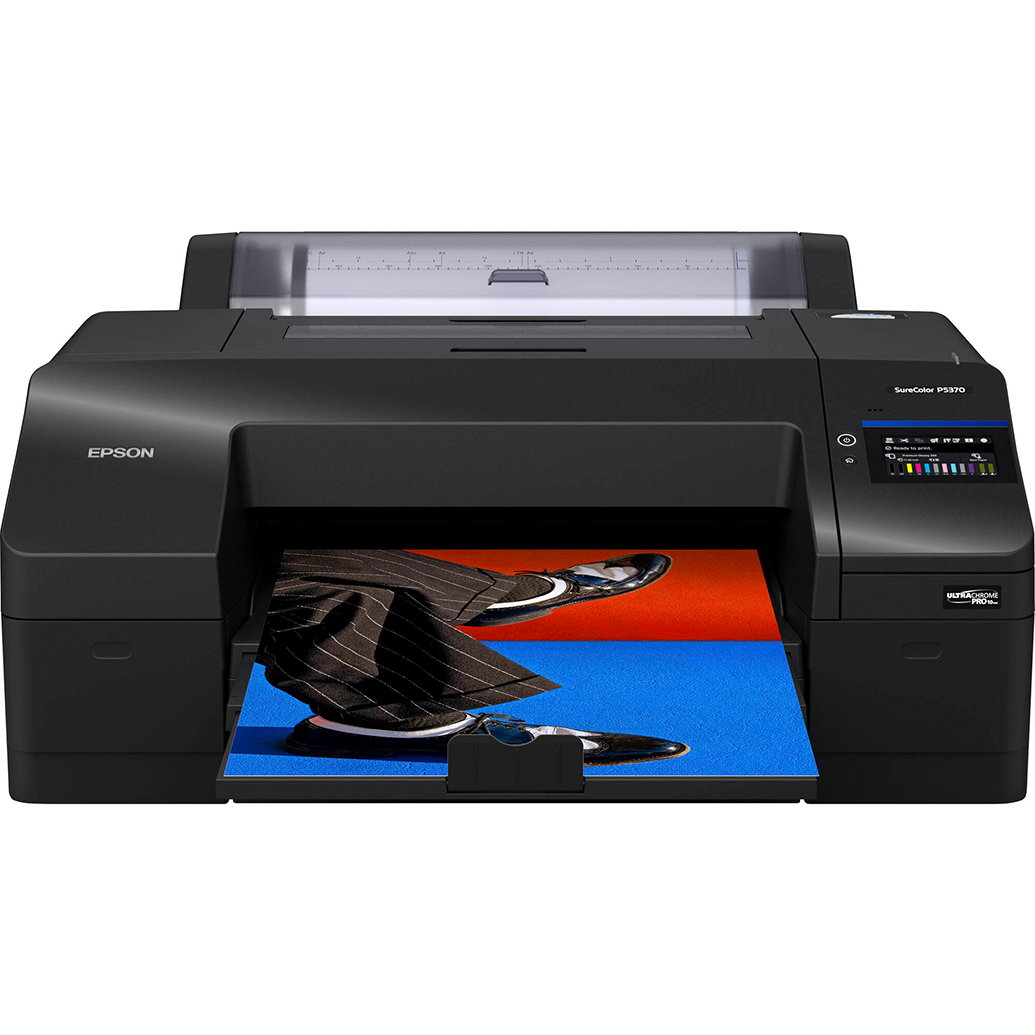
If you prefer a hybrid workflow, scan your negatives and make exhibition‑quality prints with a pigment inkjet printer.
Pro tips for color management:
- Soft proof with a calibrated display and ICC profiles for your paper/ink combination.
- Keep scans “flat” initially to preserve latitude; grade in 16‑bit when possible.
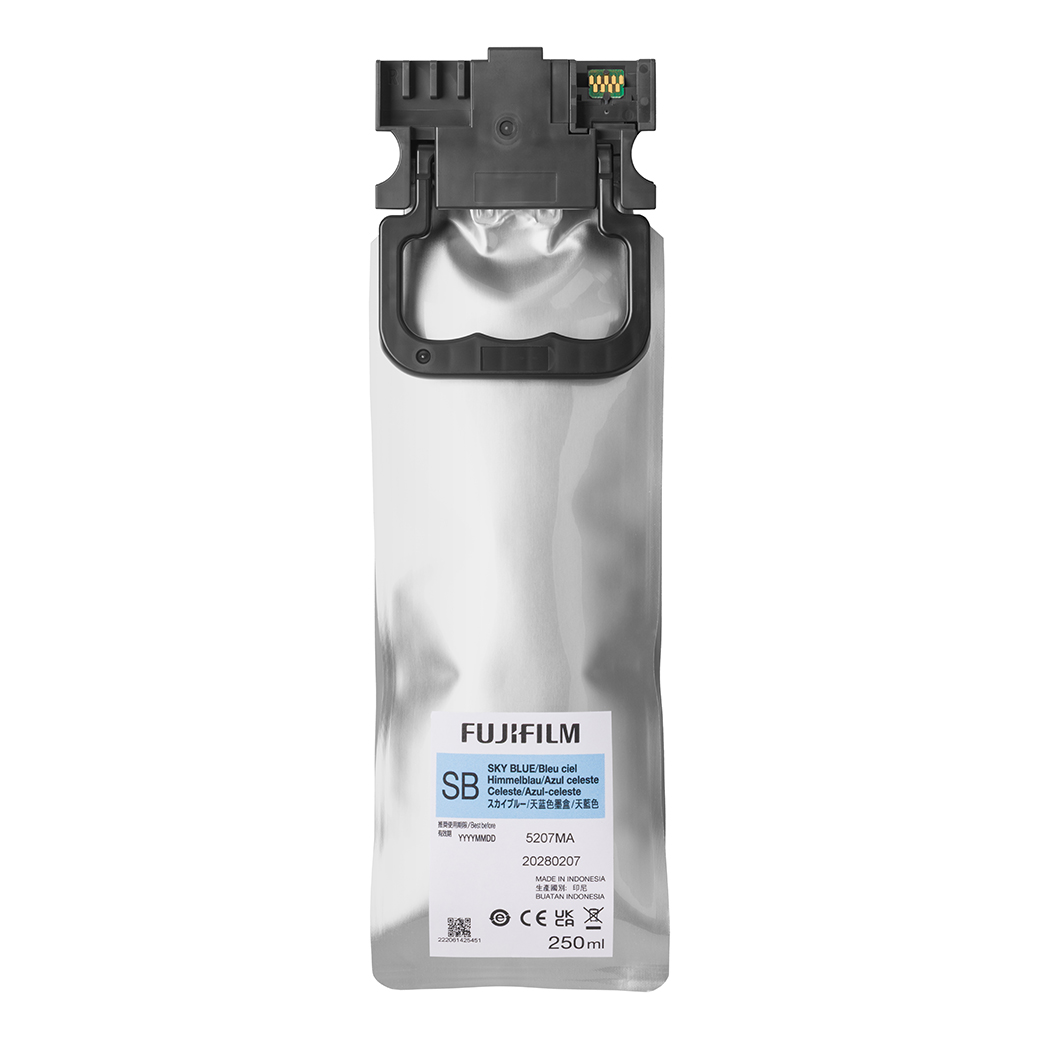
- For minilab and dry‑lab systems, maintain genuine inks and replenishers for color stability. For example, Fujifilm DX‑series inks are engineered for consistency across runs.
Digitizing film with a camera: power and consistency
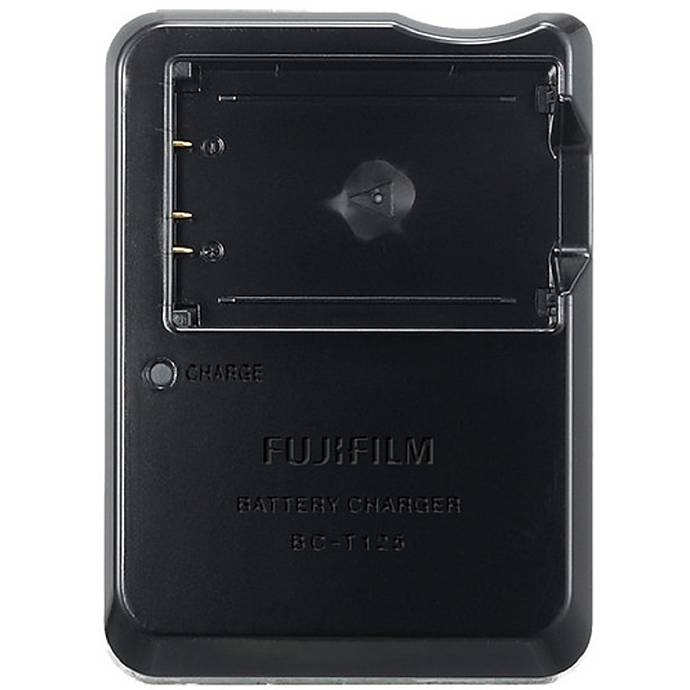
Camera scanning with a high‑resolution mirrorless is a fast, high‑quality alternative to flatbeds. For longer sessions—especially with medium format bodies like Fujifilm GFX—reliable power management is essential. Keep batteries topped up so exposures stay consistent throughout a scanning batch.
Pair stable lighting (e.g., a high‑CRI LED panel), a macro lens, a film holder, and a rigid copy stand. Note that a used enlarger lens like a Rodenstock 240mm Rodagon‑G can also be repurposed for enlarging or specialized setups if you’re printing optically.
FAQ: common questions about film stocks
- Can I push Kodak 200‑speed color film? Yes, many C‑41 films can be pushed +1 stop, but expect higher contrast and more visible grain. Confirm push options with your lab first.
- Why do my scans look different from lab to lab? Scanner profiles and operator choices (auto color, curves) vary. Provide a reference image or notes (e.g., “neutral skin tones, protect highlights”) for consistent results.
- Is 120 film less grainy than 35mm? At the same ISO and print size, yes—larger negatives require less enlargement, so grain appears finer.
- What is rem‑jet and why does it matter? It’s an anti‑halation backing on many cinema films (ECN‑2). It must be removed properly; not all labs accept ECN‑2 for C‑41 lines.
- What’s the best film for mixed lighting? Daylight film plus a slight overexposure and color‑balanced LED fill works well; CineStill 800T can tame tungsten interiors at night.
Bottom line: match palette, grain, and workflow—and shop at Unique Photo
Pick your palette (neutral Portra, saturated Ektar, nostalgic Kodacolor/Gold/Superia), set your grain tolerance (ISO and format), and confirm processing (C‑41, E‑6, ECN‑2) before you shoot. Build a workflow you can repeat: consistent metering, clear lab notes, and a printing path—RA‑4 in the darkroom or pigment inkjet from clean scans.
Unique Photo carries the film, chemistry, papers, printers, lighting, and accessories to support your analog journey from capture to final print. Internal linking suggestions:
- Shop Film (compare Kodak, Fujifilm, and specialty stocks)
- Kodak Film (Portra, Ektar, Gold, and more)
- Darkroom Supplies (enlargers, lenses, accessories)
- Chemistry (C‑41, E‑6, RA‑4)
- Printers & Epson pro photo solutions
- Lighting (copy‑stand and studio LEDs)
- Used & Trades (find enlarger lenses and more)
- Classes & Events (learn film workflows end‑to‑end)
Have questions about matching a film to your project? Visit or contact Unique Photo—we’re happy to help you choose the right stock and dial in your workflow.