Mirrorless vs DSLR in 2024: Are DSLRs Still Worth Buying?
If you're shopping for a camera in 2024, one of the biggest questions is whether a DSLR still makes sense or if mirrorless is now the clear choice. At Unique Photo, we help photographers compare both systems every day, and the answer depends on how you shoot, what you already own, and how much future-proofing matters to you.
For many buyers, mirrorless is now the more practical long-term investment thanks to modern autofocus, smaller bodies, and stronger ongoing lens and body development. That said, DSLRs can still be worthwhile for certain photographers—especially those who already have compatible lenses or want strong value on the used market.
Is mirrorless better than DSLR in 2024?
For most new camera buyers, yes—mirrorless is the better overall choice in 2024. Manufacturers are putting more development into mirrorless systems, which means newer autofocus technology, improved subject detection, better video tools, quieter shooting, and more compact body designs. Electronic viewfinders also let you preview exposure, white balance, and depth of field before you press the shutter, which can make shooting more intuitive.
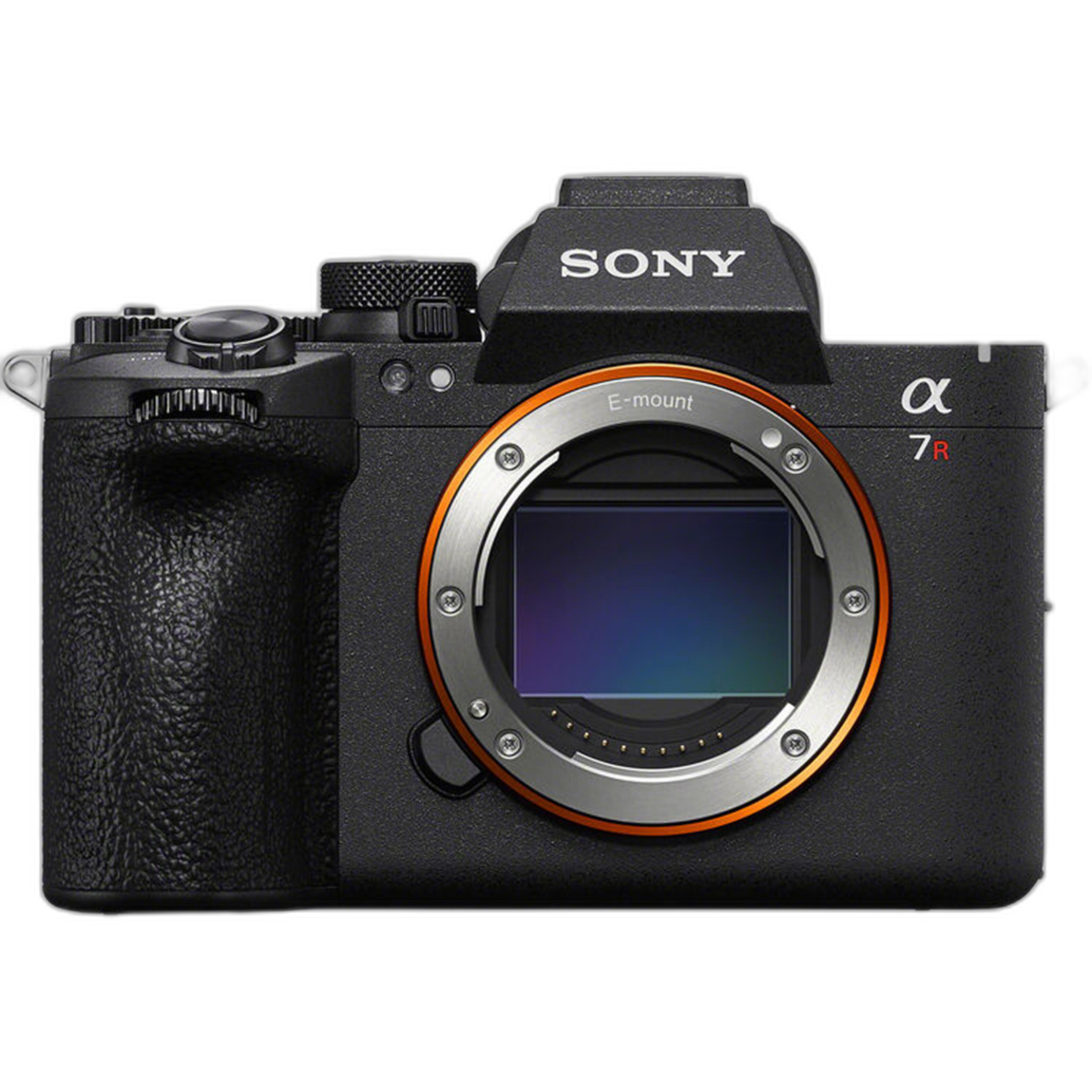
Models like the Sony a7R VI represent why so many photographers are moving to mirrorless: high resolution, advanced autofocus, and a modern full-frame platform with a broad lens ecosystem. If you're building a system from scratch and want something current, this type of camera is usually a better long-term investment than starting fresh with a DSLR mount.
That said, "better" does not mean DSLR is obsolete. DSLRs can still deliver excellent image quality, dependable battery life, and familiar optical viewfinder shooting. But for buyers prioritizing innovation and system growth, mirrorless has the edge.
Are DSLRs still worth buying at all?
Yes, DSLRs can still be worth buying—but usually for specific reasons rather than as the default recommendation. If you already own DSLR lenses, accessories, and batteries, staying with a DSLR body can be cost-effective. Some photographers also strongly prefer the feel of an optical viewfinder and the handling of larger camera bodies, especially for long shoots.
A DSLR may also make sense if you're getting a particularly strong deal on used gear and your needs are focused on still photography rather than advanced video or AI-assisted autofocus. However, if you're buying into a system for the first time, it is important to think about the future. Mirrorless lens lines are growing, while DSLR system development has largely slowed.
At Unique Photo, we often recommend weighing not just the camera body cost, but the system roadmap. A bargain DSLR body can be appealing today, but a mirrorless platform may offer better upgrade paths over the next several years.
Who should choose mirrorless over DSLR?
Mirrorless is the best fit for most photographers who want the latest autofocus performance, lighter travel kits, stronger video features, and broader future support from manufacturers. It is especially compelling for wildlife, portraits, events, street photography, and hybrid photo/video shooting.
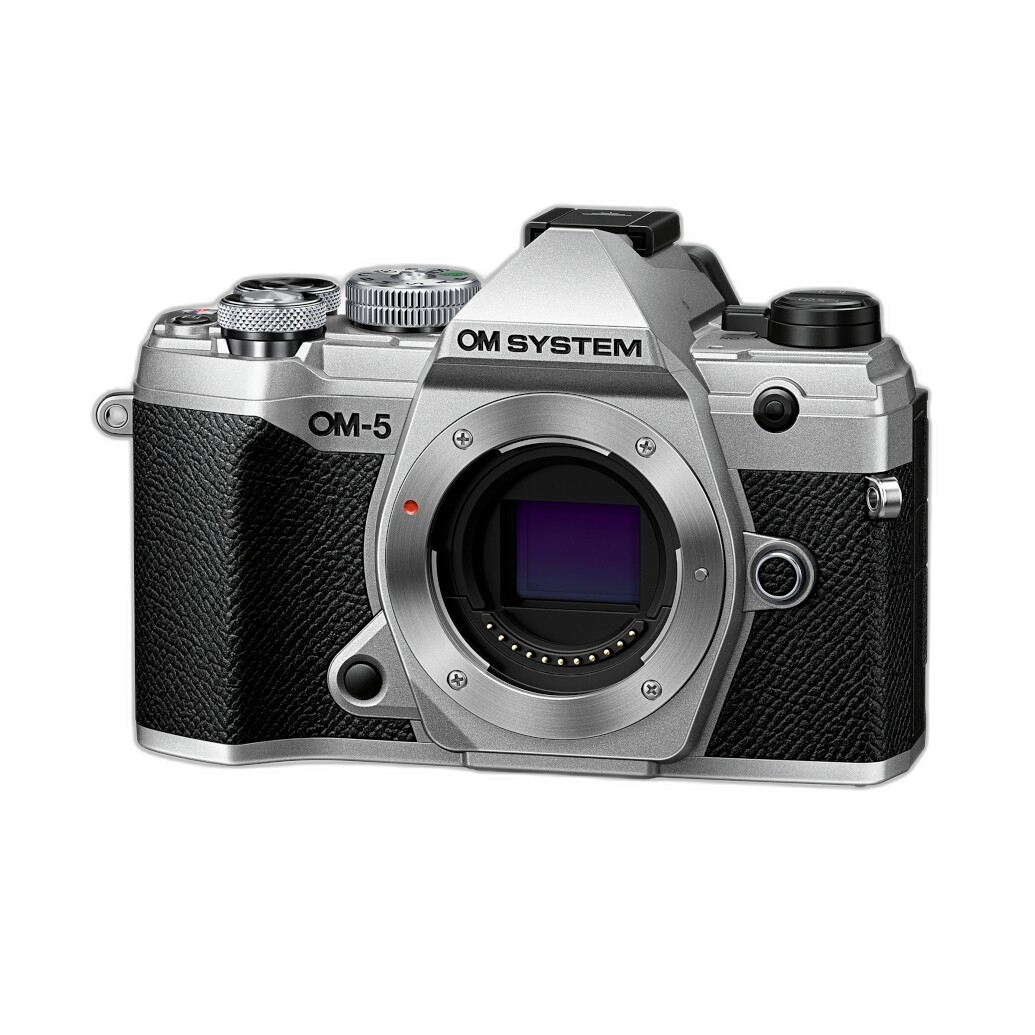
For example, a photographer who wants a highly portable body for travel and everyday use may be very happy with the OM SYSTEM OM-5. Its compact build makes it attractive for outdoor shooters, hikers, and enthusiasts who want a capable system without the weight of a traditional DSLR kit.
On the other end of the spectrum, professionals who need speed and reliability can look at high-end mirrorless bodies, including used options like the Canon EOS R3. Buying used can be a smart way to step into a pro mirrorless system while controlling costs.

When does a DSLR still make the most sense?
A DSLR can still be a smart purchase if you are already invested in DSLR lenses, mainly shoot stills, and want dependable performance without paying for the newest features. Sports and wildlife shooters who already own extensive DSLR telephoto glass may find that continuing with their current setup is more economical than switching systems all at once.
DSLRs can also appeal to photographers who prefer longer battery life and do not need constant live preview or advanced video tools. If your workflow is familiar, your images are delivering what you need, and the system cost is low, a DSLR can remain a practical working tool.
Still, if you're making a fresh start, we generally suggest comparing current mirrorless options first. The value proposition is often stronger once you consider where the industry is heading.
Is mirrorless autofocus really that much better?
In many cases, yes. One of the biggest reasons photographers move from DSLR to mirrorless is autofocus performance. Modern mirrorless cameras often offer sophisticated eye detection, face tracking, animal subject recognition, and fast continuous focusing across much more of the frame. That can make a real difference for portraits, action, weddings, kids, pets, and social content creation.
Cameras such as the Sony a7R VI showcase this shift well, combining high-resolution imaging with advanced autofocus tools that make it easier to maintain sharp focus on moving subjects. Even photographers upgrading from older DSLR bodies often notice a major improvement in hit rate.
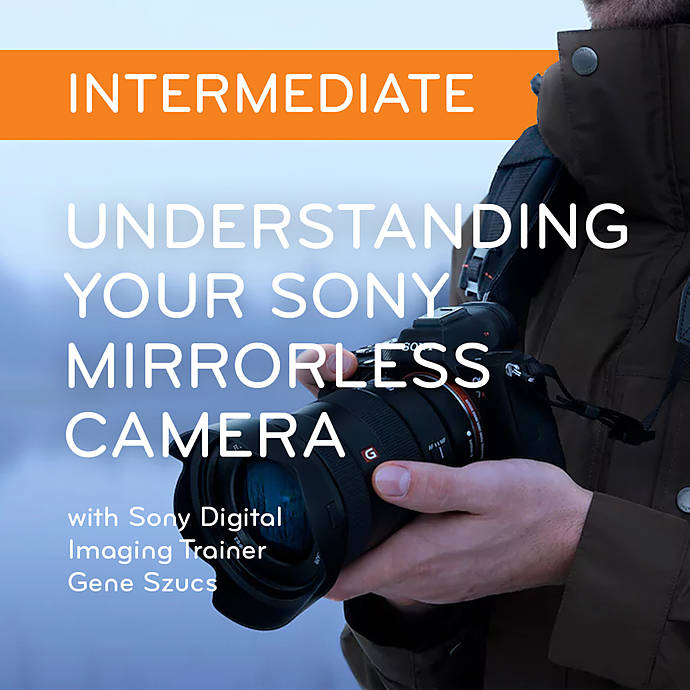
If you're new to Sony's system, taking a class can also shorten the learning curve. Unique Photo offers educational options like Understanding Your Sony Mirrorless Camera: Intermediate, which is a great next step if you want to get more from your autofocus settings and overall camera setup.
Is mirrorless more expensive than DSLR?
Not always. At the high end, mirrorless bodies can be expensive, especially flagship and high-resolution models. But there are also excellent entry-level and used mirrorless options that make the transition much more affordable. In fact, one of the best ways to move into a modern system is by shopping used equipment from a trusted retailer.
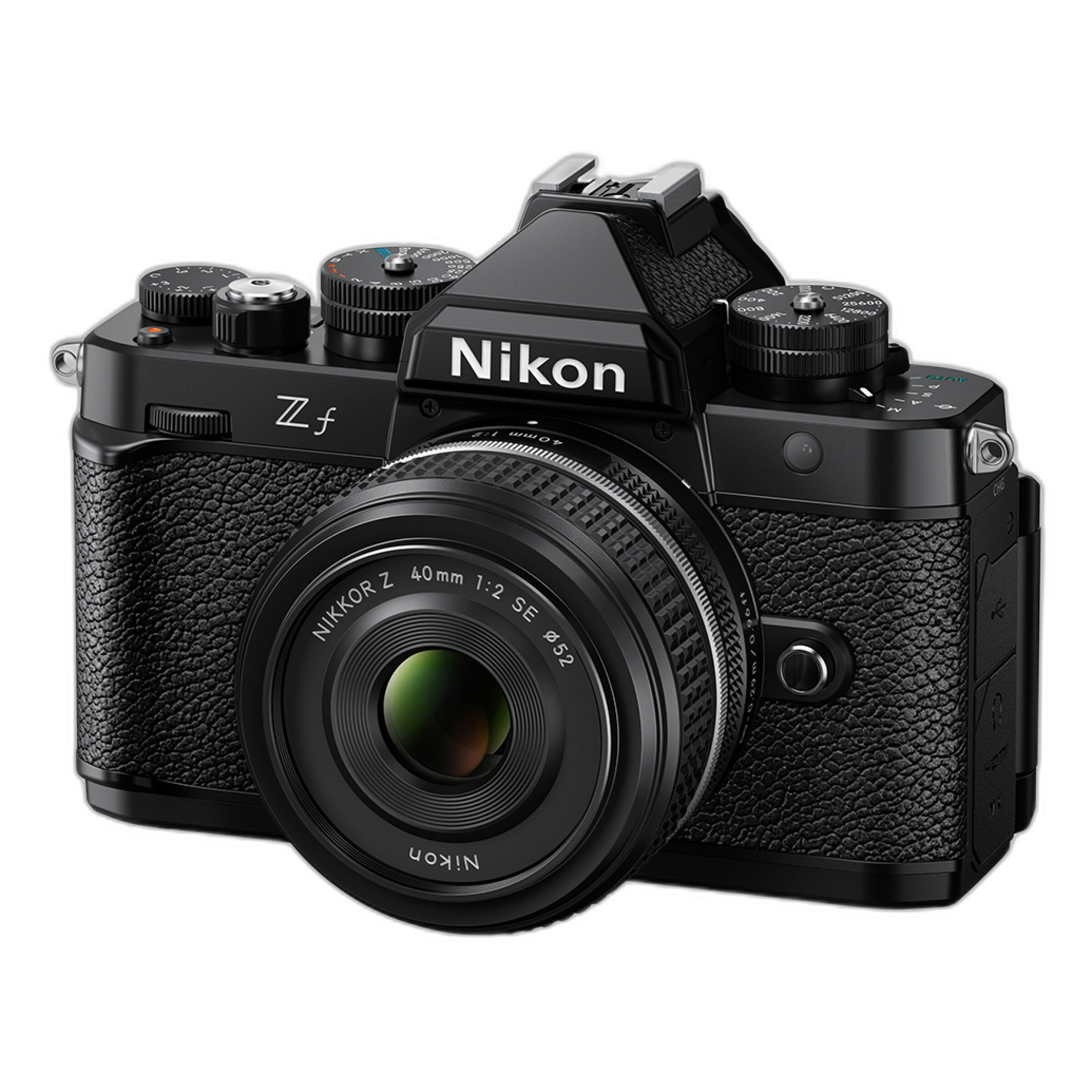
For photographers who want strong value, Unique Photo's used selection can open up several paths. A used Nikon Zf with 40mm f/2 SE lens offers a stylish full-frame mirrorless option with a lens included, while a used Panasonic LUMIX S9 can appeal to creators who want a compact modern body. Even more budget-conscious buyers may find approachable entry points in used mirrorless gear such as the Canon M100 with lens.
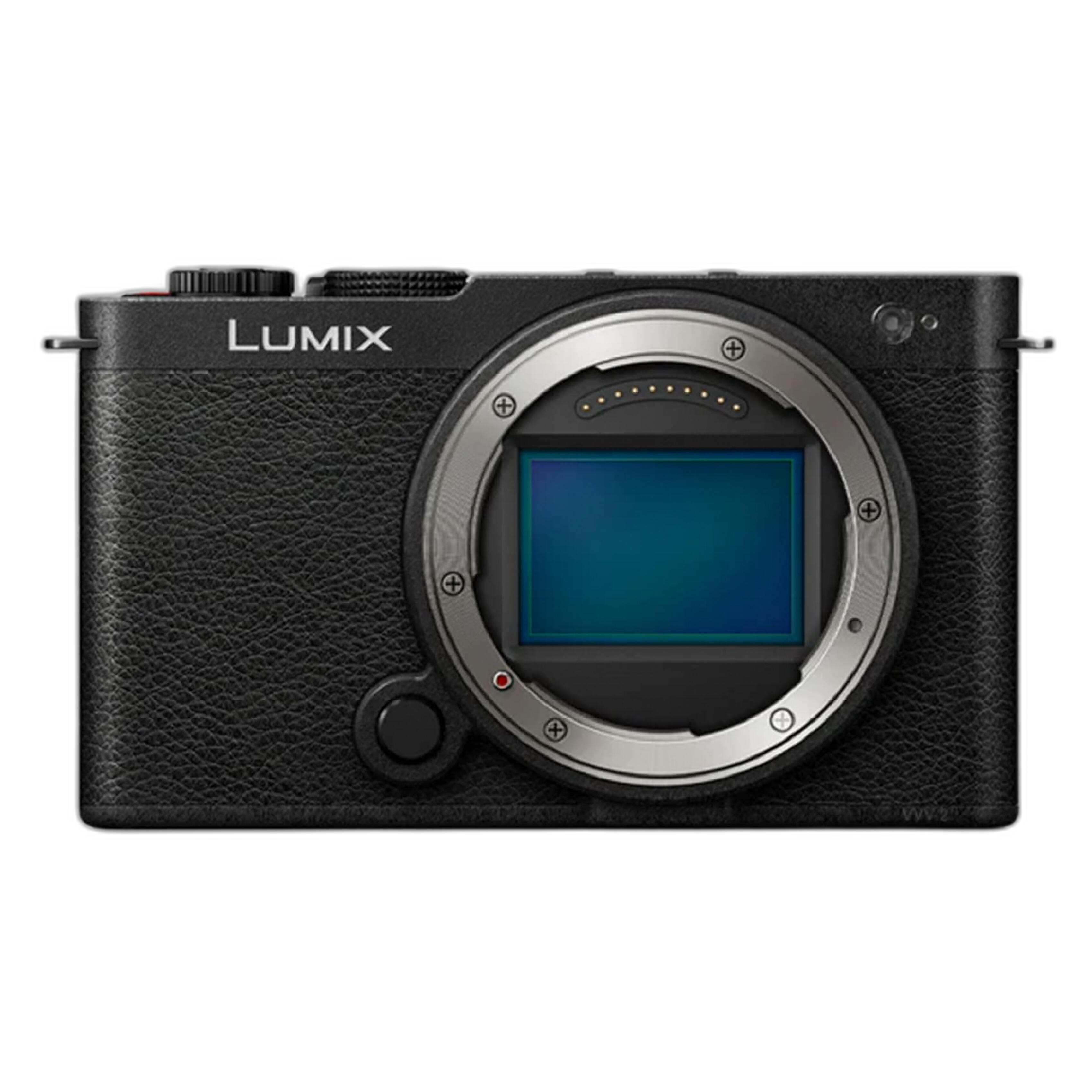
When comparing cost, it is important to think beyond the body. Lens prices, adapter needs, battery extras, and storage all matter. In many cases, a used mirrorless kit can be just as compelling financially as a used DSLR setup.
What about battery life, handling, and durability?
This is one area where DSLRs traditionally held a clear advantage, especially battery life. Because DSLRs use optical viewfinders rather than constantly powering an electronic display, they often last longer on a charge. Some photographers also prefer their deeper grips and more substantial feel in hand.
However, mirrorless cameras have improved significantly. Many current models offer better battery performance than earlier generations, and ergonomics vary widely depending on body size. Some photographers want the compactness of an OM SYSTEM OM-5, while others prefer the more substantial handling of full-frame mirrorless options.
Durability is not limited to DSLR bodies either. Plenty of mirrorless cameras are designed for serious field use. The right choice comes down to whether you value portability, all-day battery life, weather resistance, or shooting comfort most.
What accessories should I consider if I switch to mirrorless?
If you're moving to mirrorless, think about how you'll carry and protect your kit. Because mirrorless bodies and lenses are often more compact, a bag designed around smaller gear can make everyday shooting much easier. The Think Tank V2 Mirrorless Mover 10 is a smart option for photographers who want a compact shoulder bag for a body, a lens or two, and key accessories.
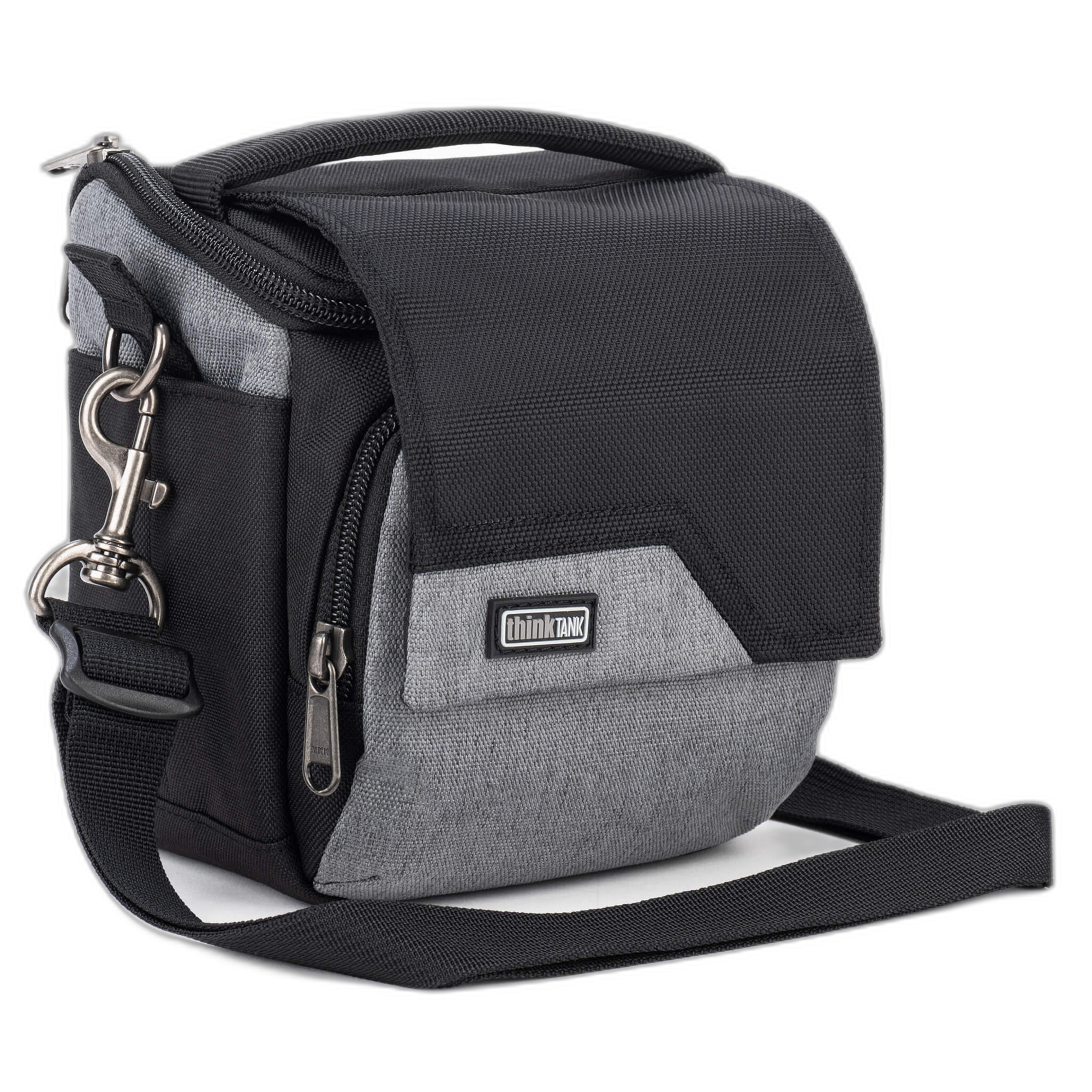
You should also plan for spare batteries, fast memory cards, and possibly a class or setup session if you're changing brands or systems. Mirrorless menus and autofocus options can be more advanced than older DSLR interfaces, so a little education goes a long way.
So, should you buy a DSLR or mirrorless camera in 2024?
If you're buying your first interchangeable-lens camera or investing in a system for the future, mirrorless is usually the better choice in 2024. You'll have access to newer autofocus, stronger video performance, and a platform that manufacturers continue to prioritize. Cameras like the Sony a7R VI or OM SYSTEM OM-5 show how broad the mirrorless market has become, from pro-level full-frame to compact enthusiast options.
If you already own DSLR lenses or have a specific reason to stay with an optical viewfinder, a DSLR can still be worth buying—especially if value is your top priority. The key is to think about your total system, not just the price of one body.
Need help deciding? Visit Unique Photo to compare new and used mirrorless cameras, accessories, and educational classes. Our team can help you choose the right camera for your shooting style, whether you're upgrading from a DSLR or making the move to mirrorless for the first time.