Mirrorless vs DSLR for Beginners: What to Buy in 2026
Starting your photography journey is exciting—choosing the right first camera shouldn’t be confusing. At Unique Photo, we help beginners compare mirrorless and DSLR systems with real-world guidance so you can buy confidently and start creating right away.
What’s the core difference between mirrorless and DSLR cameras?
DSLRs use a mirror and optical viewfinder to show you the scene through the lens. Mirrorless cameras remove the mirror and use an electronic viewfinder or the rear screen. For beginners, that means mirrorless cameras preview exposure, white balance, depth of field, and creative effects in real time—what you see is what you get. DSLRs offer a natural, lag-free optical view but don’t preview exposure through the viewfinder.
Is mirrorless better than DSLR for learning photography?
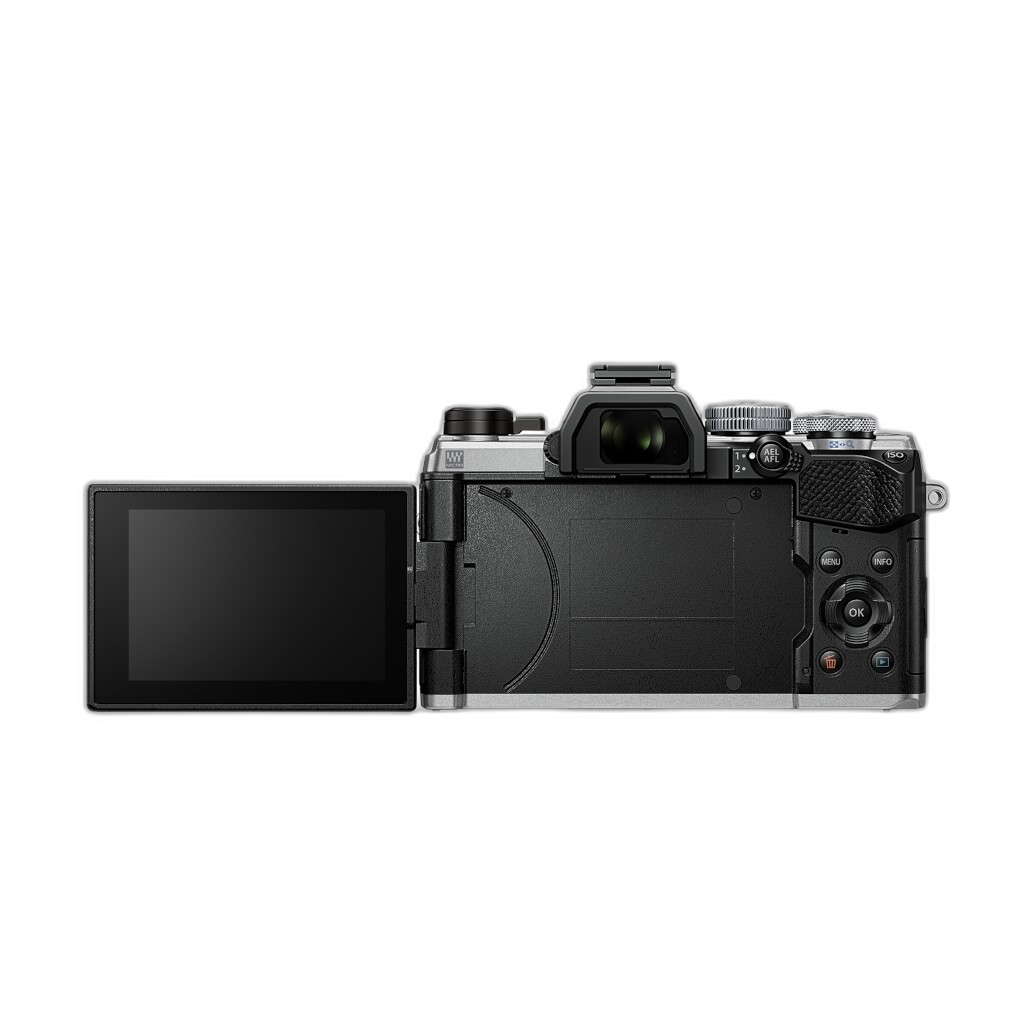
For most new photographers in 2026, yes. Live exposure preview, focus peaking, on-sensor phase detection autofocus, and compact size make mirrorless cameras easier to learn on. DSLRs still deliver great image quality and robust handling, especially in the used market, but mirrorless has become the industry standard with the most current lens and accessory support. A great example for beginners who want a rugged, travel-ready body is the OM SYSTEM OM-5 Mirrorless Camera (Silver, Body Only)—it’s compact, weather-sealed, and stabilized, so your early mistakes are more forgiving.
How do autofocus and subject tracking compare?
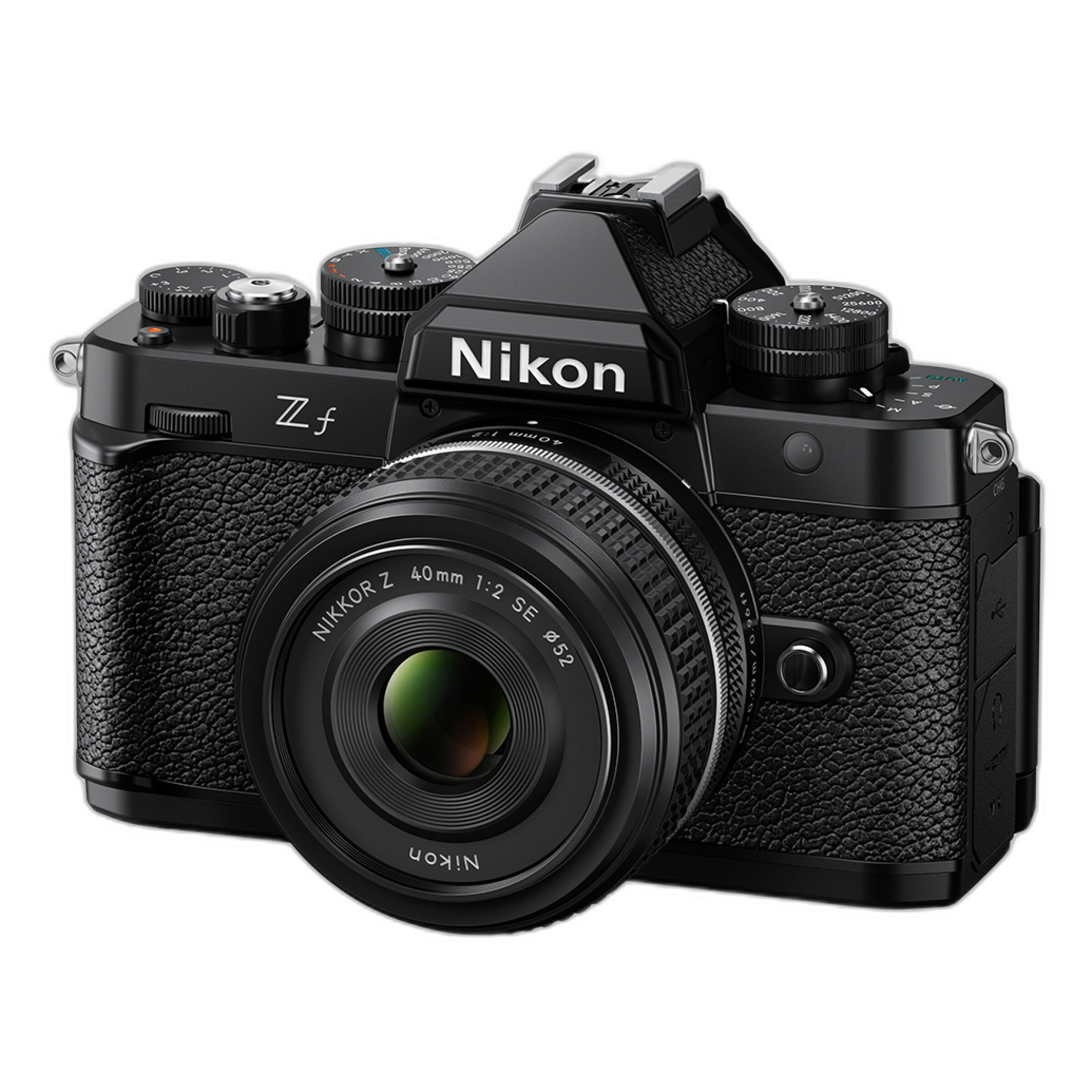
Modern mirrorless systems offer wide frame AF coverage and advanced subject detection for people, animals, and moving subjects—great for kids, pets, and everyday action. DSLRs focus quickly through the optical viewfinder, but in live view they rely on slower methods. If responsive subject tracking is high on your list, consider a mirrorless body like the Used Nikon Zf Mirrorless Camera with 40mm f/2 SE Lens (Excellent), which brings modern AF in a classic design that’s inspiring to use.
What about size and weight for travel or daily carry?
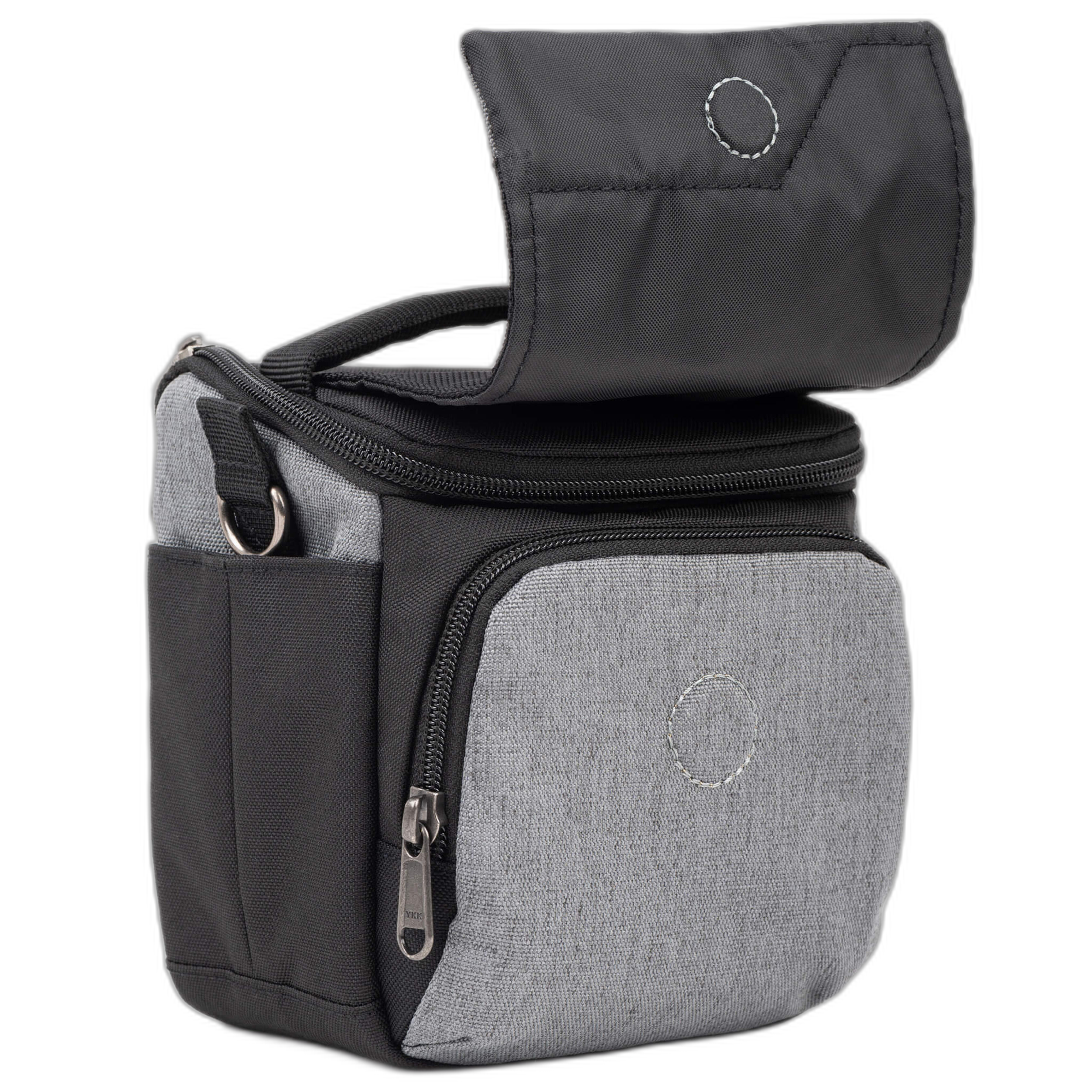
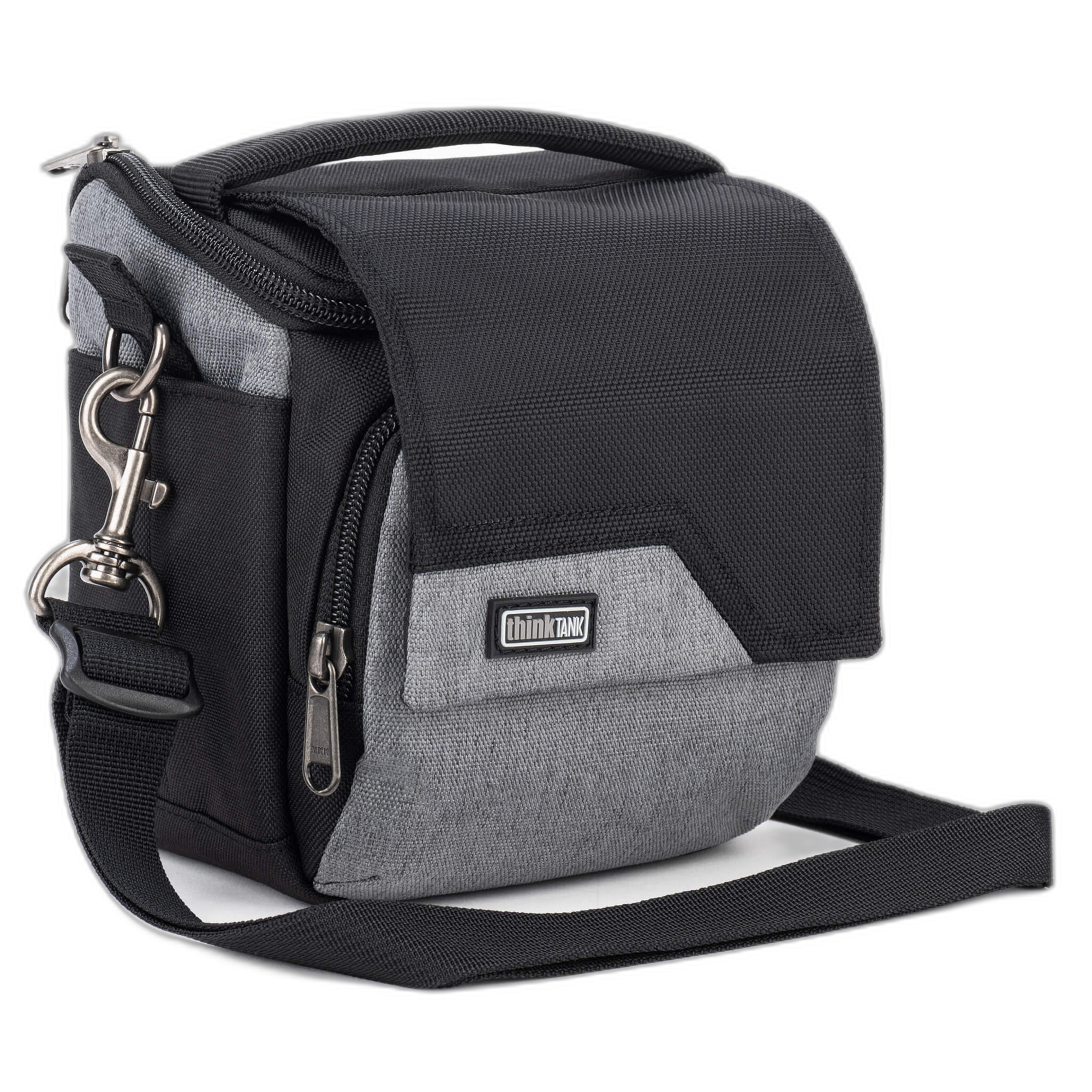
Mirrorless bodies and lenses are generally smaller and lighter than their DSLR counterparts, which makes a difference when you’re hiking, commuting, or sightseeing. Pair a compact mirrorless kit with a streamlined bag like the Think Tank V2 Mirrorless Mover 10 Cool Grey to keep your camera protected without bulk.
How do battery life and viewfinders differ?
DSLRs typically last longer per charge because the optical viewfinder uses no power. Mirrorless EVFs and rear screens consume more energy, but many modern bodies support USB charging or power delivery, so topping up on the go is easy with a power bank. If you prefer an optical, always-on view and maximum battery endurance, a used DSLR can still be a value; if you want exposure preview and on-sensor AF, mirrorless wins.
Can I use my existing DSLR lenses on a mirrorless camera?
Often, yes—with the right adapter. Canon EF, Nikon F, and other DSLR lenses can be adapted to many mirrorless bodies while retaining autofocus and stabilization in most cases. Performance varies by brand and lens, but it’s a smart way to transition. In-body image stabilization on many mirrorless cameras helps you get sharper results with adapted lenses, especially in low light.
What’s a smart first-camera pick on a budget?
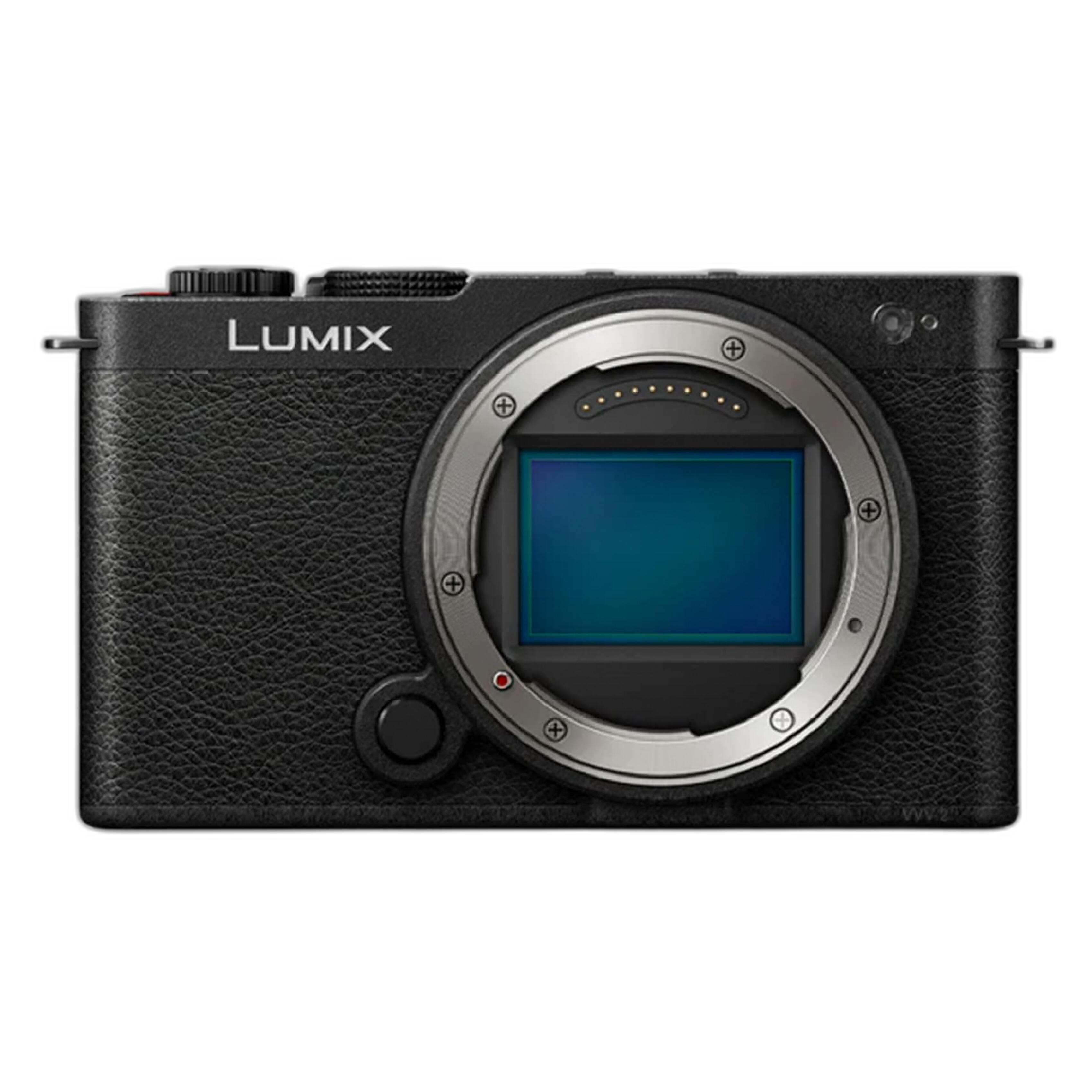
Buying used is a fantastic way to start with quality gear. Consider the Used Panasonic LUMIX S9 Mirrorless Camera (Body Only) if you want an ultra-compact, full-frame platform—just add a lens when you’re ready and grow from there.
Prefer a classic feel with modern autofocus? The Used Nikon Zf Mirrorless Camera with 40mm f/2 SE Lens (Excellent) gives you a bright prime lens for portraits, food, and everyday storytelling right out of the box. Even older mirrorless bodies like the Used Canon M100 kit can be an affordable entry point for casual photography and learning fundamentals.
Do I need in-body stabilization or weather sealing as a beginner?
You’ll appreciate them more than you think. In-body image stabilization helps you get sharp photos at slower shutter speeds and smoother handheld video. Weather sealing offers peace of mind in light rain, dust, or cold. The OM SYSTEM OM-5 checks both boxes in a portable body that’s easy to take anywhere.
I’m not ready for a full camera yet—can I still learn?
Absolutely. If you’re exploring composition and storytelling, you can start with your smartphone and an ergonomic rig like the PGYTECH ProShot Phone Cage - iPhone 17 Pro for better grip, control, and accessory mounting. When you’re ready to graduate, you’ll already understand framing, light, and timing—skills that transfer directly to mirrorless or DSLR systems.
What accessories and education should I budget for?
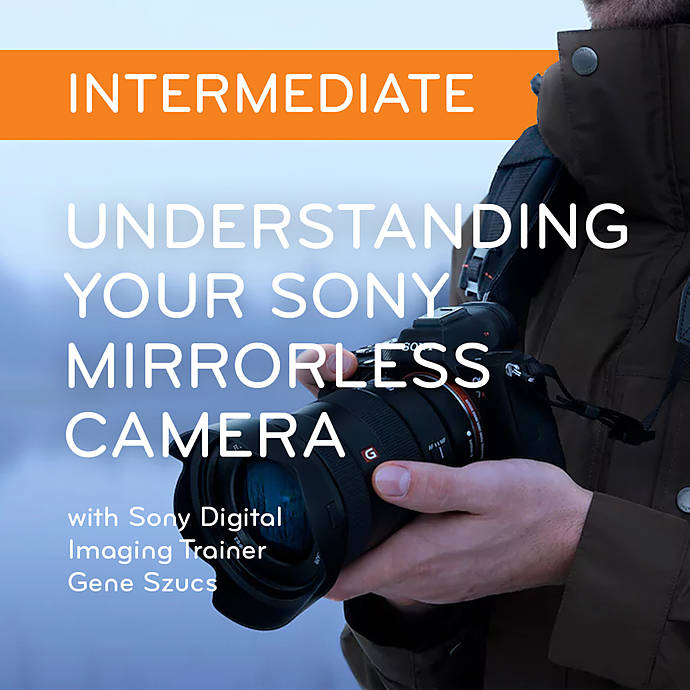
Plan for a fast memory card, an extra battery, a simple protective bag, and education. A compact carry like the Think Tank V2 Mirrorless Mover 10 keeps your kit organized, while classes accelerate your learning curve. Sony shooters can deepen their skills with our Understanding Your Sony Mirrorless Camera: Intermediate (Sony) course, ideal once you’ve mastered the basics and want to unlock more of your camera’s features.
Ready to find your fit? Visit Unique Photo in Fairfield, NJ or shop online for expert guidance, hands-on demos, and a curated selection of new and used cameras, lenses, and accessories to start your photography journey right.