Why metering expired film is different from fresh film
Shooting expired film can produce beautiful color shifts, lower contrast, increased grain, and unpredictable results that many film photographers love. The challenge is exposure. As film ages, sensitivity can drop and fog can increase, which means standard box-speed metering often becomes less reliable. If you want better negatives or scans, learning the right metering techniques for expired film is essential.
At Unique Photo, many film shooters explore both fresh and expired stocks for creative work. Whether you are loading an old 35mm roll, trying medium format, or experimenting with larger formats, exposure decisions matter even more when the film is past its prime.
In general, expired negative film benefits from more exposure, while slide film is far less forgiving. Black and white expired film can vary widely depending on storage conditions, age, and original film type. The safest approach is to meter carefully, rate the film more conservatively, and bracket when possible.

How to rate expired film for more accurate exposure
One of the most common questions photographers ask is: what ISO should I use for expired film? A practical starting point is to overexpose color negative and black and white negative film by about one stop per decade past expiration, especially if storage conditions are unknown. This is a guideline, not a rule, but it gives you a usable baseline.
For example:
- Expired ISO 400 negative film may be rated at ISO 200 or ISO 100
- Expired ISO 100 negative film may be rated at ISO 50
- Expired large format film often benefits from testing before important shoots
Slide film is different. Because reversal film has much less latitude, heavy overexposure can ruin highlights quickly. With expired slide film, many photographers meter close to box speed or only slightly slower, then bracket aggressively.
If the film was refrigerated or frozen, it may perform closer to its original speed. If it was stored in a hot attic, glove compartment, or humid basement, sensitivity loss and fog may be much worse. When in doubt, expose for the shadows and give negative film a little extra light.
Incident vs reflected metering for expired film photography
When shooting expired film, the type of metering you use can have a big impact on consistency. The two main methods are incident metering and reflected metering.
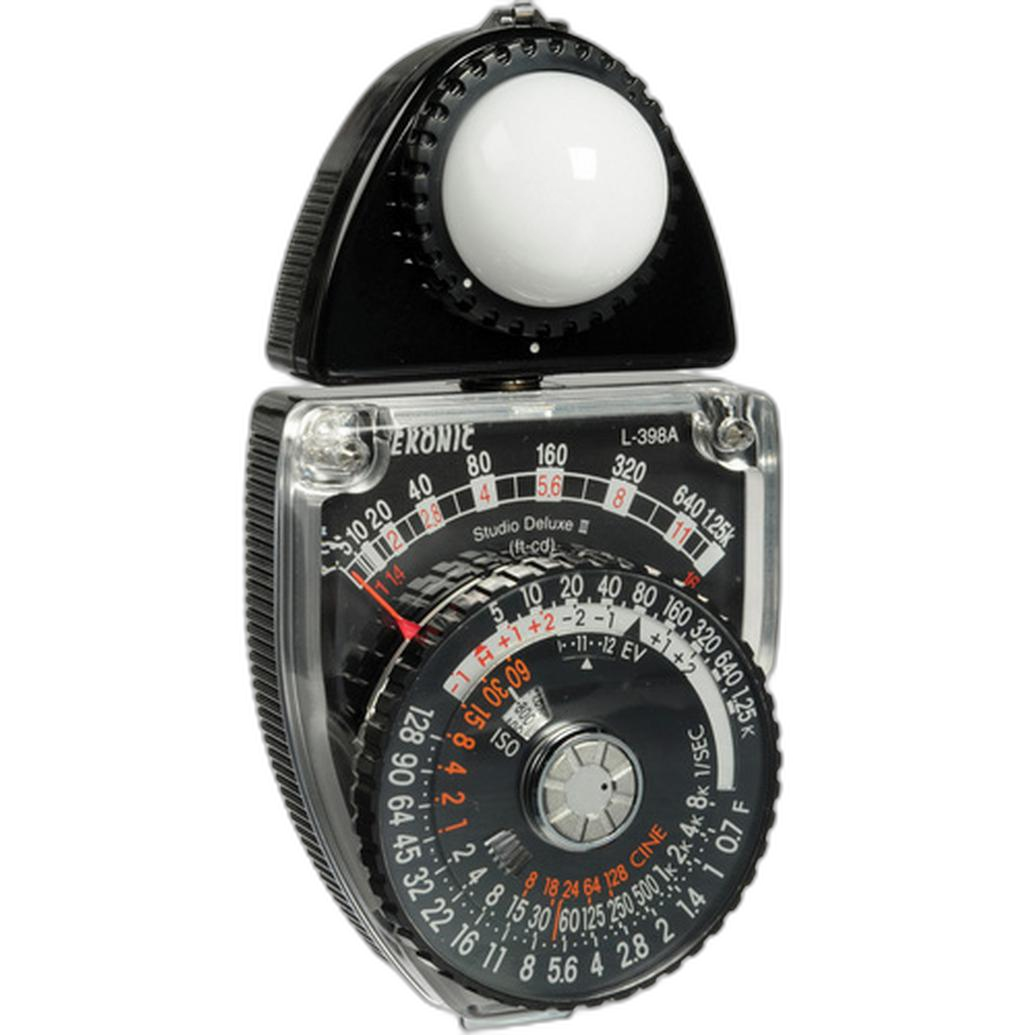
Incident metering measures the light falling on the subject. This is often the most dependable choice for expired film because it is not fooled by a very bright or dark subject. A handheld meter like the Sekonic L398A Studio Deluxe Meter or a used Sekonic L-308X-U Flashmate Light Meter can be especially helpful when you want repeatable exposures.
Reflected metering measures the light bouncing off the scene. This is what most in-camera meters do. Reflected metering can work well, but it is easier to misread high-contrast scenes, snow, dark clothing, or backlit subjects. With expired film, those small meter errors can become more noticeable.
If your camera meter is questionable, a handheld meter from Unique Photo can give you more confidence and help remove one variable from an already unpredictable film stock.
Best metering techniques for expired color negative film
Expired color negative film is usually the most forgiving type of expired film to shoot. It tolerates overexposure relatively well, and many scanners can recover a lot from dense negatives. That makes it ideal for experimentation.
Here are some proven metering techniques for expired color negative film:
- Rate the film slower than box speed: If you are unsure about storage history, start with one to two stops more exposure.
- Meter for shadow detail: Protecting shadows is usually more important than protecting highlights with negative film.
- Use incident readings in changing light: This helps keep exposure more consistent from frame to frame.
- Bracket key shots: Try one frame at your adjusted ISO, one at +1 stop, and one at +2/3 stop.
- Keep notes: Write down film stock, expiration year, storage condition, and exposure decisions so you can refine your approach later.
If you are using a compact film camera or a camera with an aging internal meter, bracketing becomes even more valuable. Some photographers even prefer fully manual cameras with an external meter so they can control every exposure decision themselves.
How to meter expired black and white film
Expired black and white film can be incredibly rewarding, but it often shows increased base fog and lower effective sensitivity. Because of that, your metering strategy should prioritize getting enough exposure without making negatives so dense that they become difficult to print or scan.
A good starting point is to rate expired black and white film at half box speed, then test from there. If the film is very old, you may need more exposure. Development also matters. Some photographers reduce development slightly to control contrast if they are already giving the film extra exposure.
Large format shooters often work with old black and white sheet film for its unique look. Products like Expired New55 PN400 400 ISO Black and White Film 5 Sheets - As is and Expired New55 Instant 4x5 Film Black and White ISO 50 5 Sheets - As Is appeal to photographers who enjoy experimental processes and one-of-a-kind results. With materials like these, metering carefully and testing before critical work is especially important.
For black and white expired film, spot reading shadow areas and opening up slightly is often a safer path than relying on a broad average reading. If you use a handheld meter, compare your reading to the scene contrast and decide where you want detail to fall.
Using a handheld light meter for expired film
A handheld light meter can simplify expired film exposure because it gives you a more objective reading than many old in-camera meters. This is especially useful if your camera meter is inaccurate, inconsistent, or not functioning at all.
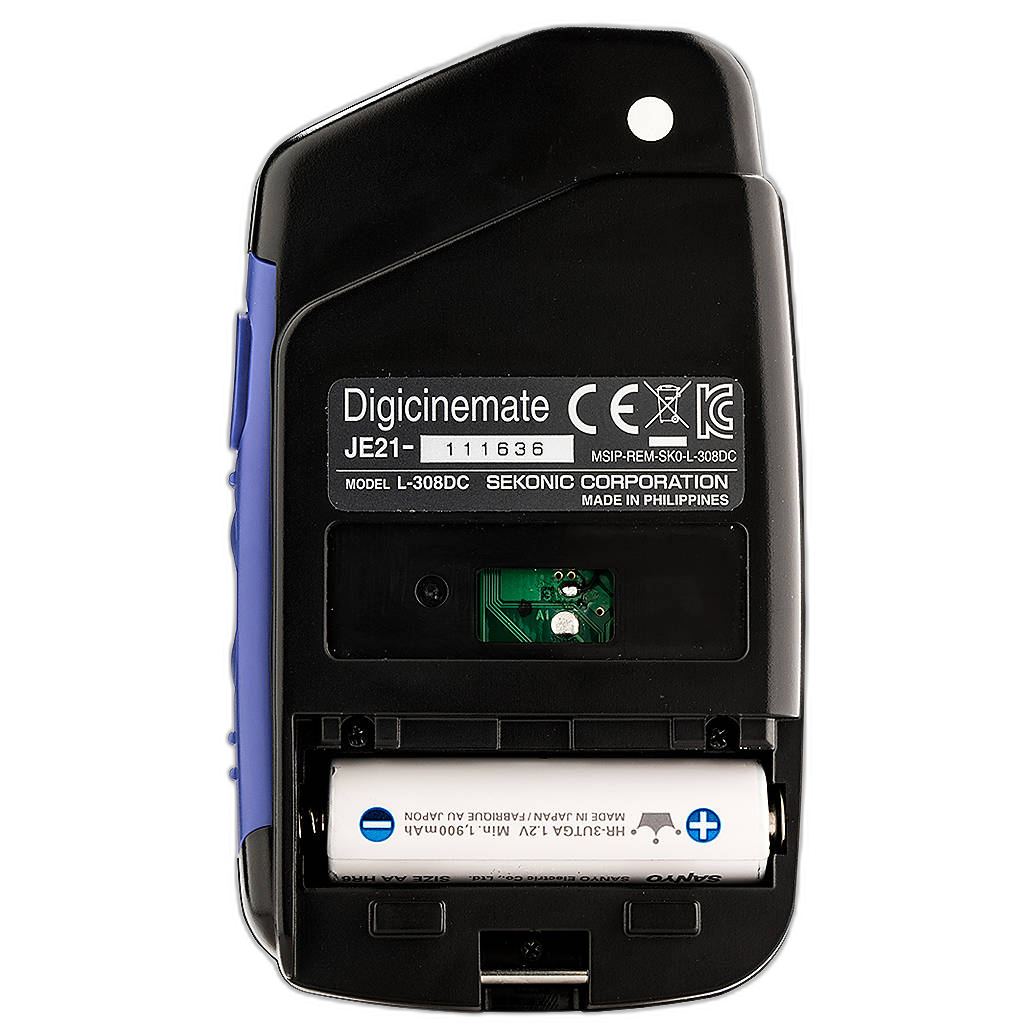
At Unique Photo, photographers can often find meters suited to both studio and field work. A compact option like the Used Sekonic L-308X-U Flashmate Light Meter - Excellent is great for travel, portraits, and mixed lighting. The analog Sekonic L398A Studio Deluxe Meter is also a classic choice for film shooters who prefer a battery-free approach.
Benefits of using a handheld meter with expired film include:
- More reliable incident readings
- Better consistency across multiple frames
- Easier compensation when rating film below box speed
- Greater confidence when shooting older cameras with questionable electronics
What to do if your film camera light meter is inaccurate
Many photographers shoot expired film in vintage cameras, and those cameras do not always have reliable built-in meters. Some run off obsolete batteries, while others drift over time. If your camera meter is off, expired film exposure becomes even more unpredictable.
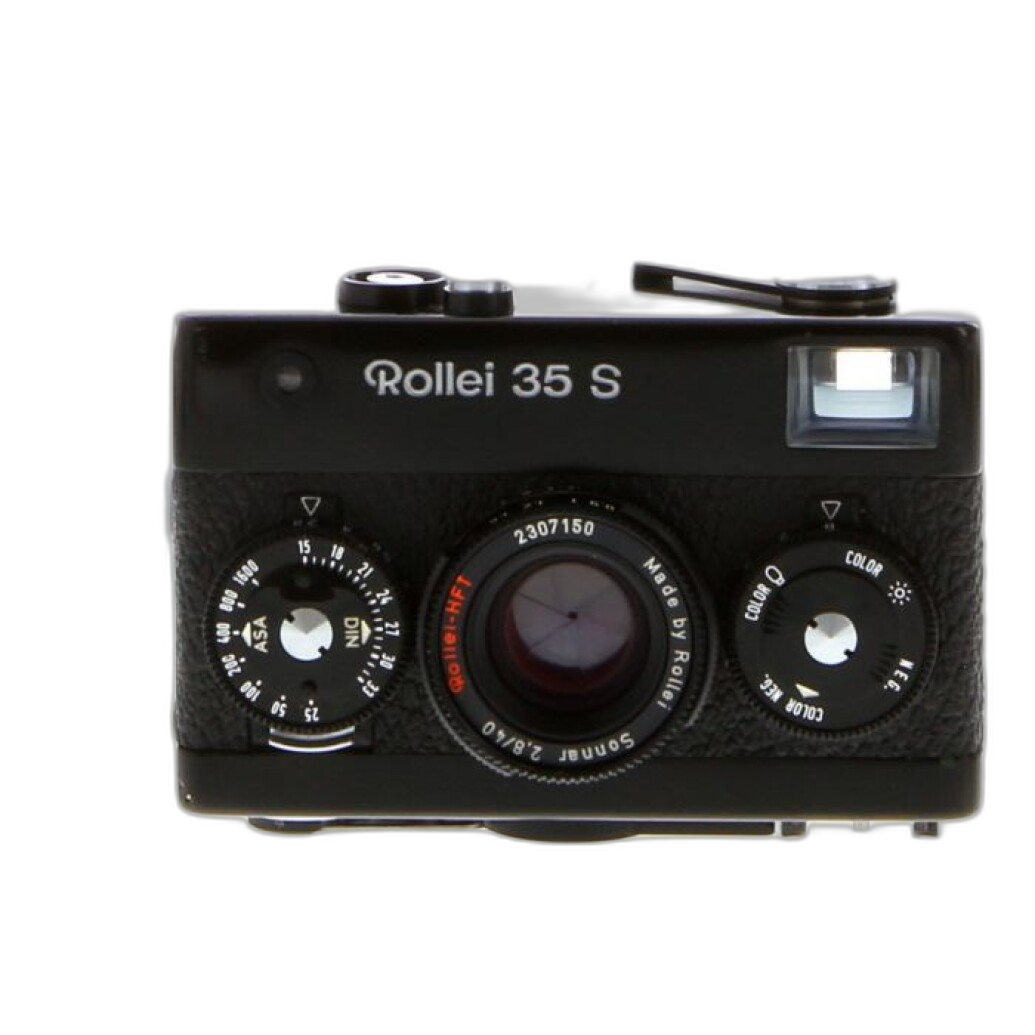
That is why many shooters pair expired film with fully manual metering techniques. Cameras such as the Used Rollei 35S Black 35mm Film Point and Shoot Camera - Fair *Light Meter D can still be fun to use, but an external meter or a phone meter app may be the smarter exposure reference if the internal meter is inconsistent. Similarly, cameras like the Used Leica M6 Classic Black - As Is *Light Meter 2 stops off, and has MP fil remind us that even legendary film cameras may need compensation or outside metering support when dealing with old film.
If your in-camera meter is known to be inaccurate, try this workflow:
- Set your intended exposure index based on the film age
- Take an incident reading with a handheld meter
- Compare it against the in-camera meter
- Determine the offset, if any
- Bracket important frames until you trust your process
How to bracket expired film exposures
Bracketing is one of the best metering techniques for shooting expired film because it gives you insurance against uncertain sensitivity and increased fog. If the image matters, shoot multiple exposures.
A simple bracketing approach is:
- Frame 1: your base exposure
- Frame 2: +1/2 or +2/3 stop
- Frame 3: +1 stop
For expired negative film, bracketing slightly over rather than under is usually the safer choice. For expired slide film, bracket both above and below because highlight retention is more critical.
Bracketing is especially useful when:
- You do not know the film’s storage history
- The expiration date is decades old
- The scene has difficult contrast
- You are testing a newly acquired vintage camera
- You only have a few sheets or frames left
Metering expired large format and instant sheet film
Expired large format film requires extra care because each sheet counts. With 4x5 and other sheet formats, most photographers meter deliberately, often with a handheld meter, and evaluate scene contrast before exposing.
If you are experimenting with products such as expired New55 sheet film, start with controlled lighting and simple subjects. Meter incident light when possible, then consider giving a little more exposure if the film is significantly out of date. Because each emulsion ages differently, test shots are the best way to establish a working exposure index.
Photographers shopping Unique Photo for specialty or hard-to-find film gear often appreciate how useful a dependable meter becomes in these slower, more methodical workflows.
Common mistakes when metering expired film
Even experienced film photographers can run into trouble with expired stock. Here are some common mistakes to avoid:
- Shooting at box speed automatically: Old negative film often needs more exposure.
- Trusting a faulty in-camera meter: Verify accuracy before relying on it.
- Ignoring storage conditions: Refrigerated film and heat-damaged film can behave very differently.
- Underexposing shadows: Thin negatives are often harder to recover than dense ones.
- Not taking notes: Without exposure records, it is harder to learn from your tests.
- Using expired slide film like negative film: Reversal film needs more precise exposure.
Practical exposure tips for shooting expired film successfully
If you want a simple framework, use this checklist:
- Determine the film type: color negative, black and white negative, or slide
- Estimate age and storage quality
- Rate negative film slower than box speed when uncertain
- Use incident metering whenever possible
- Bracket important images
- Keep consistent notes
- Test before using rare or expensive expired film on an important assignment
Expired film rewards flexibility. There is no universal ISO rule that works for every old roll or sheet. But with careful metering, a reliable handheld meter, and realistic expectations, you can get much stronger results.
Conclusion: build a better expired film workflow
Metering techniques for shooting expired film come down to one goal: reducing uncertainty. By rating film more conservatively, favoring incident readings, bracketing key exposures, and using a dependable meter, you can improve consistency while still enjoying the unique character of old emulsions.
Unique Photo is a great resource for film photographers exploring vintage cameras, used light meters, and specialty materials for creative shooting. If you are building your expired film kit, consider browsing handheld light meters, used film cameras, and film accessories to round out your workflow.
For internal linking, this article pairs naturally with guides on choosing a light meter, how to shoot large format film, understanding film latitude, and tips for buying used film cameras from Unique Photo.