Medium Format vs 35mm Film: Essential FAQ for Making the Switch
Moving from 35mm to medium format film can be one of the most rewarding steps in analog photography. The larger negative offers a different shooting rhythm, a distinct look, and more room for detail—but it also asks for a more deliberate approach to exposure, handling, and digitizing your work.
At Unique Photo, we often help film photographers compare formats, build a scanning workflow, and decide whether the jump to medium format matches their style. This FAQ covers the most important practical differences so you can transition with confidence.
What changes the most when moving from 35mm to medium format?
The biggest adjustment is pace. With 35mm, many photographers are used to shooting quickly and working through longer rolls. Medium format generally gives you fewer frames per roll, which naturally encourages slower composition, more careful focusing, and more intentional exposure decisions. That slower workflow is not a drawback—it is part of the appeal.
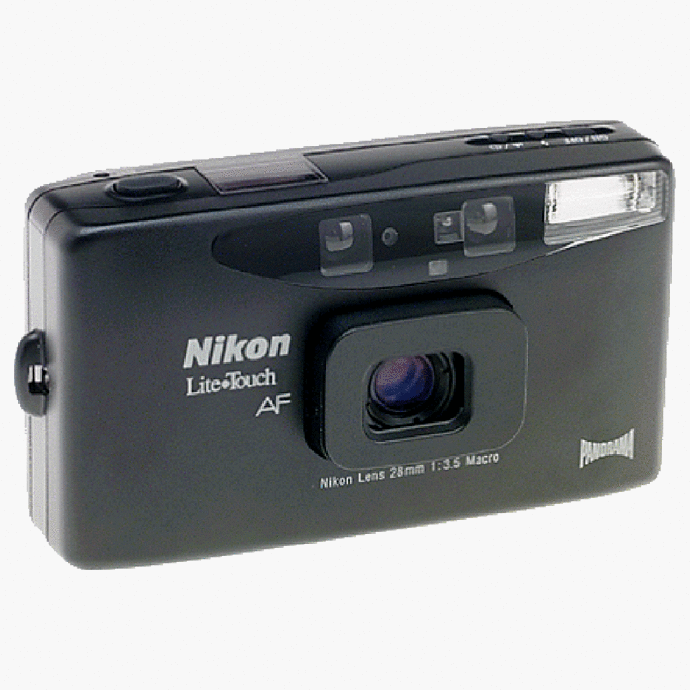
You should also expect medium format cameras to feel different in the hand. They can be larger, heavier, and more mechanically involved than a compact 35mm camera. If you are coming from a simple point-and-shoot such as a used compact 35mm model, the difference in ergonomics and shooting style can be dramatic. For photographers who are still enjoying 35mm while learning the basics of framing and exposure discipline, a compact option remains a useful reference point before stepping up in format.
Another major difference is aspect ratio. Depending on the medium format system, you may be working in 6x4.5, 6x6, or 6x7, and each format changes how you see the frame. It is worth spending time learning the geometry of your chosen format rather than expecting it to behave like an enlarged 35mm frame.
Is medium format really sharper or better-looking than 35mm?
Medium format can deliver noticeably higher detail, smoother tonal transitions, and a different rendering of depth and texture because the negative is substantially larger than 35mm. When you make large prints or high-quality scans, the increased negative area often becomes very apparent. Landscapes, portraits, and studio work especially benefit from the added information captured on film.
That said, the difference is not only about sharpness. Medium format often feels more refined because grain appears finer at the same print size, and the transition between in-focus and out-of-focus areas can look more gradual. The final result depends on lens quality, exposure accuracy, film choice, processing, and scanning. A well-shot 35mm frame can still look excellent, especially with strong glass and careful technique.
If your goal is maximum image quality from film, think of medium format as part of a complete workflow: stable shooting, precise metering, clean processing, and thoughtful digitizing all matter just as much as the larger negative.
Are exposure and metering more critical with medium format?
Yes—primarily because medium format encourages more investment in each frame. Since you get fewer exposures per roll, mistakes feel more expensive, so accurate metering becomes more important. The format itself does not change the physics of exposure, but it does raise the stakes for every shot.
Negative film still gives you useful latitude, especially in color negative stocks, so many photographers continue to meter for the shadows and let highlights roll off naturally. Slide film is less forgiving and demands tighter exposure control regardless of format. If your medium format camera has no built-in meter, use a handheld meter or a reliable metering app and be consistent with your approach.
It is also wise to watch shutter speeds more carefully. The larger negative can reveal camera shake more readily when you enlarge or scan in detail, and many medium format bodies are heavier or use mirror mechanisms that introduce vibration. A tripod, cable release, and good handholding technique can make a noticeable difference.
Do I need different shooting habits for focus and camera stability?
Absolutely. Medium format rewards precision. Focusing errors that may be acceptable in casual 35mm shooting become much more visible when you take advantage of the larger negative’s detail. Waist-level finders, dimmer focusing screens, and slower handling can all take practice, especially if you are used to quick eye-level 35mm cameras.
For handheld work, use a shutter speed that gives you a comfortable margin of safety, not just the minimum you think you can get away with. Mirror slap, leaf shutter characteristics, and longer focal lengths relative to your framing can all affect sharpness. For portraits and landscape work, a tripod can help you fully realize the quality medium format is capable of delivering.
If you are comparing systems or lenses across formats, remember that focal lengths do not translate directly by number alone. The field of view changes with the larger frame size, so learn the equivalent perspectives that suit the way you like to compose.
Which film stocks work especially well in medium format?
Medium format tends to flatter a wide range of film stocks because the larger negative gives each emulsion more room to shine. Fine-grain color negative films are excellent if you want smooth skin tones, broad dynamic range, and easy scanning. Black-and-white films are also a strong match for medium format because they emphasize tonality, texture, and edge detail beautifully.
If you like bold color and can meter carefully, slide film in medium format can look spectacular. If you want flexibility and easier exposure handling, color negative film is often the best place to start. Black-and-white remains a favorite for photographers who want a timeless look and more control in the darkroom or scan workflow.
Your best film depends on the subject. Portraits often benefit from smooth, forgiving color negative stocks. Architecture and landscapes can look exceptional on slower-speed films. Street and documentary photographers may prefer versatile emulsions that tolerate mixed lighting and changing scenes.
How should I scan and digitize medium format negatives?
Scanning medium format negatives is one of the clearest ways to see the format advantage. Because the negative is larger, you can often achieve excellent files without pushing your scanner to its limits. Flatbeds with medium format holders are a common starting point, while dedicated film scanners or high-end camera scanning setups can offer even better sharpness and speed.
Keep your negatives clean, scan at a resolution that matches your output needs, and avoid oversharpening early in the process. Medium format files hold a lot of subtle detail, so gentle adjustments usually produce a better final result than aggressive editing. Color correction is especially important with color negative film, and consistent white balance practices help across a full roll.
For photographers building a hybrid workflow, it is also worth thinking beyond the scan itself and planning for output. If your goal is exhibition-quality prints or portfolio pieces, having a clean digital file plus a dependable print workflow matters just as much as the capture stage.
Can I make great prints from medium format scans?
Yes—this is one of medium format’s biggest strengths. The format’s larger negative gives you more flexibility for bigger prints while preserving detail and smoother tonal transitions. Whether you are printing in a digital workflow or working traditionally in the darkroom, medium format is well suited to presentation-quality results.
For photographers who still enjoy darkroom or lab-oriented output, quality paper remains part of the conversation. Fujifilm photographic paper products are often part of reliable print workflows for analog-minded image makers who want consistent, polished results from scanned or optically printed work.
If you are producing digital prints from scans, calibration, file preparation, and paper choice all affect how much of that medium format richness makes it into the final print. The negative gives you the potential; your print process brings it to life.
Is medium format still worth it if I also shoot digital?
For many photographers, yes. Medium format film offers a shooting experience and visual character that complements digital rather than replacing it. The slower pace can improve your decision-making, and the larger negative can produce scans with a distinctive organic quality that many photographers still find difficult to replicate convincingly.
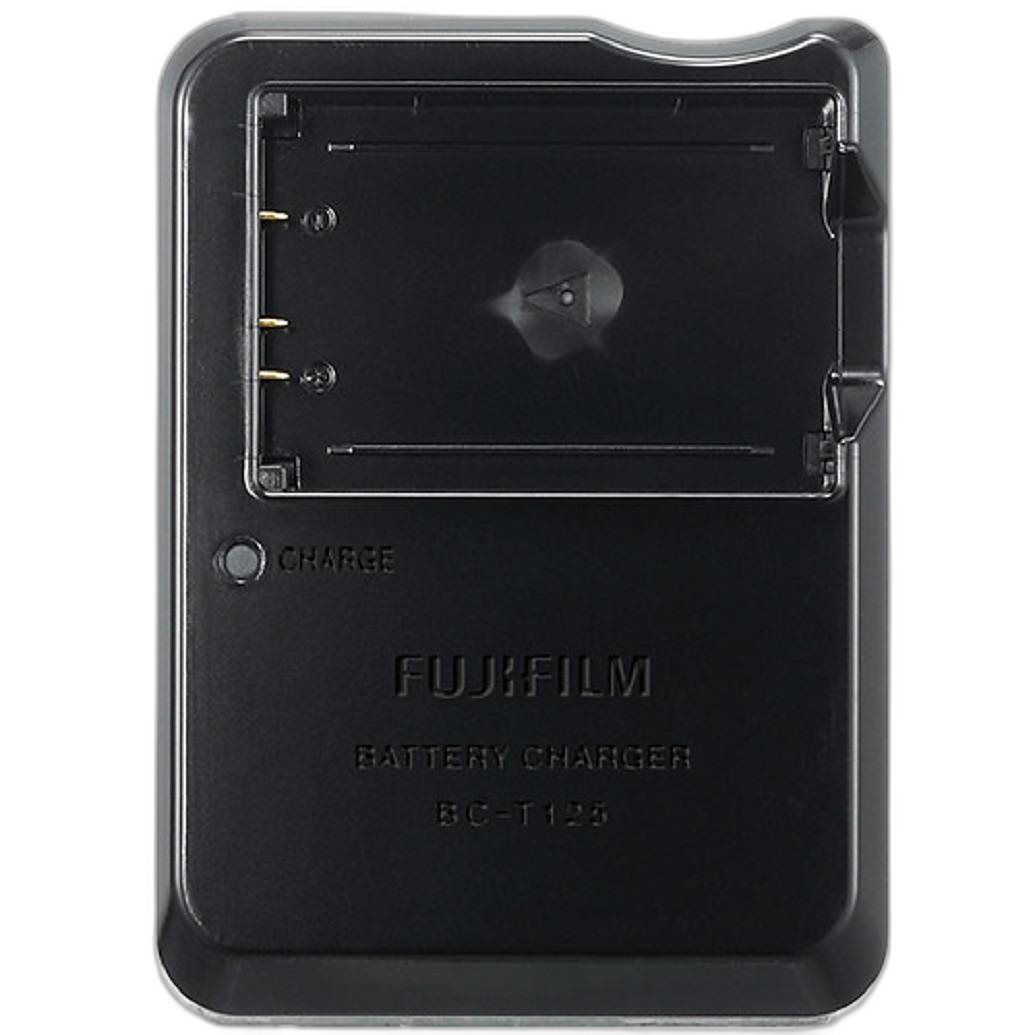
Digital tools can also support your film workflow. For example, if you are comparing output styles or moving between analog and digital medium format ecosystems, Fujifilm accessories for the GFX system can be relevant for photographers who use both. Keeping your digital medium format gear powered and ready can make it easier to evaluate how film and digital each serve different projects.
Many photographers end up using digital for speed and convenience, and medium format film for projects where process, aesthetics, and intentionality matter most.
What is the best mindset for a successful transition from 35mm to medium format?
Approach medium format as a different creative process, not just a bigger version of 35mm. Slow down, meter carefully, check focus, and pay attention to camera stability. Choose film stocks based on your subjects, and plan your scanning or printing workflow before you even load the first roll.
The transition is usually most successful when photographers embrace medium format’s strengths rather than fighting its pace. Fewer frames, more deliberate composition, and a stronger connection to the final print are all part of what makes the format so compelling.
If you are ready to refine your film workflow, explore film-friendly gear and imaging accessories at Unique Photo. Whether you are comparing formats, improving your scan-to-print process, or building out a hybrid analog and digital setup, our team can help you choose the right tools for your next project.