Choosing the best value lenses for portrait photography in 2024 is about more than finding the lowest price. A great value portrait lens balances sharpness, flattering focal length, reliable autofocus, strong low-light performance, and pleasing background blur without pushing your budget too far. Whether you are building your first portrait kit or upgrading from a basic zoom, there are excellent options that can help you create professional-looking images without overspending.
At Unique Photo, photographers regularly look for portrait lenses that offer the best mix of image quality and affordability. The good news is that many of today’s standout portrait lenses come from practical categories like 50mm, 85mm, and short telephoto primes, along with a few flexible zooms for photographers who need versatility.
What makes a lens a good value for portrait photography?
When searching for a good affordable portrait lens, value should include performance in real portrait situations. Here are the key things to look for:
- Focal length: 50mm works well for environmental portraits, while 85mm and 105mm are classic choices for headshots and flattering compression.
- Wide aperture: Lenses with apertures like f/1.8 or f/2 help separate your subject from the background and perform better in natural light.
- Sharpness: Portrait lenses should keep eyes crisp while still rendering skin tones and transitions smoothly.
- Autofocus reliability: Fast, accurate focusing matters for portraits, especially for candid sessions and moving subjects.
- Build quality: A lens that feels dependable and lasts through repeated sessions adds long-term value.
- System compatibility: The best lens is one that fits your camera body, shooting style, and upgrade path.
If you are unsure where to start, education can also be part of the value equation. Unique Photo offers learning resources and classes that help photographers get more from their gear, including portrait-focused instruction.
Best focal lengths for portraits on a budget
One of the most common searches from photographers is what focal length is best for portrait photography. The answer depends on your style, available space, and camera format.
50mm lenses
A 50mm lens is often the most budget-friendly way to start portrait photography. On full-frame cameras, it gives a natural perspective that works well for half-body and environmental portraits. On APS-C cameras, a 50mm lens behaves more like a short portrait telephoto, making it an even stronger value for tighter compositions.
Why 50mm lenses are a strong value:
- Usually among the most affordable primes
- Wide apertures like f/1.8 are common
- Lightweight and easy to carry
- Great for portraits, everyday shooting, and low light
85mm lenses
If you want the classic portrait look, an 85mm lens is often the best sweet spot. It flatters facial features, helps blur busy backgrounds, and gives your subject a polished, professional look. In 2024, many 85mm f/1.8 lenses remain some of the best value portrait lenses available.
Why 85mm lenses are worth considering:
- Excellent compression for flattering headshots
- Strong subject isolation
- Often less expensive than premium f/1.4 versions
- Ideal for outdoor portraits and studio sessions
70-200mm zooms
While not always the cheapest option upfront, some 70-200mm lenses deliver strong long-term value for photographers who shoot portraits, events, and ceremonies. If you need one lens for multiple jobs, a telephoto zoom can be a smart investment.
Best value portrait lens types in 2024
Rather than focusing only on one specific model, it helps to understand which categories consistently offer the best return for portrait photographers.
50mm f/1.8 lenses
The 50mm f/1.8 remains one of the easiest recommendations for photographers searching for the best cheap lens for portraits. These lenses are typically compact, sharp, and affordable. They are especially attractive for beginners who want better background blur and low-light performance than a kit lens can offer.
Best for:
- Beginner portrait photographers
- Natural light sessions
- Full-frame and APS-C users
- Photographers who want a low-cost first prime lens
85mm f/1.8 lenses
For many photographers, the 85mm f/1.8 is the real value champion. It produces the traditional portrait aesthetic people love, but at a much more accessible price than faster premium portrait primes. If your budget allows for one dedicated portrait lens, this may be the strongest all-around choice.
Best for:
- Headshots
- Outdoor portrait sessions
- Professional-looking background separation
- Photographers ready to move beyond entry-level gear
APS-C portrait primes
Crop-sensor shooters have great value options too. Lenses in the 35mm, 50mm, and 56mm range can work beautifully for portraits depending on your camera system. Many third-party options in 2024 offer excellent sharpness and attractive rendering at competitive prices.
Best for:
- Mirrorless beginners
- Content creators and hybrid shooters
- Photographers building a lightweight kit
Best value portrait lenses for beginners
If you are just starting out, the smartest move is usually to buy a lens that noticeably improves your portraits over a kit zoom without complicating your workflow. For most beginners, that means looking at:
- 50mm f/1.8 lenses for affordability and versatility
- 85mm f/1.8 lenses for a more specialized portrait look
- 35mm primes on APS-C for environmental portraits and small indoor spaces
Beginner portrait photographers often benefit more from a solid affordable prime and practice than from chasing the most expensive glass. Unique Photo frequently helps customers match lenses to their experience level, camera system, and budget so they can buy with confidence.
Are affordable portrait lenses sharp enough for professional work?
Yes, many affordable portrait lenses in 2024 are more than sharp enough for professional or semi-professional use. In fact, a moderately priced prime often outperforms a basic kit zoom in portrait applications. Eye sharpness, contrast, and subject separation usually improve immediately when moving to a fast prime lens.
That said, portrait quality is not only about sharpness. The best value portrait lenses also offer:
- Smooth bokeh
- Pleasing color and contrast
- Consistent autofocus
- Good control of fringing and flare
For many photographers, the difference between a budget-friendly f/1.8 lens and a much pricier premium portrait lens is smaller than expected in everyday shooting. That is why value shopping makes so much sense in this category.
How to choose between a 50mm and 85mm portrait lens
This is one of the most common portrait lens questions. If you are deciding between the two, think about your shooting distance and style.
Choose a 50mm lens if you:
- Shoot indoors often
- Want a lens for portraits and everyday photography
- Need a lower-cost starting point
- Prefer environmental portraits with more of the scene included
Choose an 85mm lens if you:
- Want a classic portrait look
- Shoot more headshots and tighter compositions
- Prefer stronger background blur
- Typically work outdoors or in larger spaces
If your budget only allows one lens, many photographers start with a 50mm. If portrait photography is your main focus, an 85mm may be the better dedicated choice.
Best budget portrait lens features to prioritize in 2024
As lens lineups continue to expand, some features are more important than others when shopping for value.
- f/1.8 aperture: Often the best balance of price, size, and performance
- Eye-detection autofocus compatibility: Especially useful on modern mirrorless cameras
- Low weight: Helpful for long portrait sessions
- Weather-resistant design: Nice to have for outdoor shooters
- Strong close-focus performance: Helpful for detail portraits and tighter framing flexibility
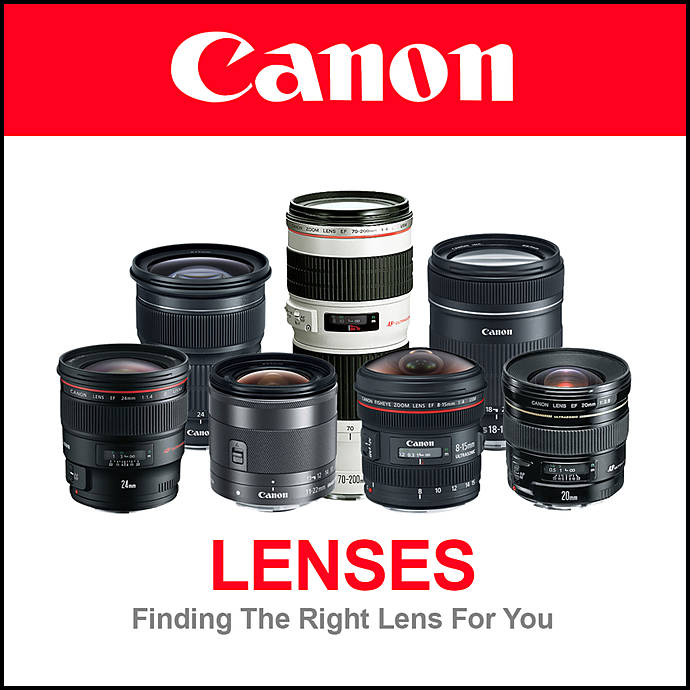
If you are comparing systems or brands, buying guides can help narrow the field. Unique Photo offers resources for photographers looking to better understand lens choices, including system-specific educational materials.
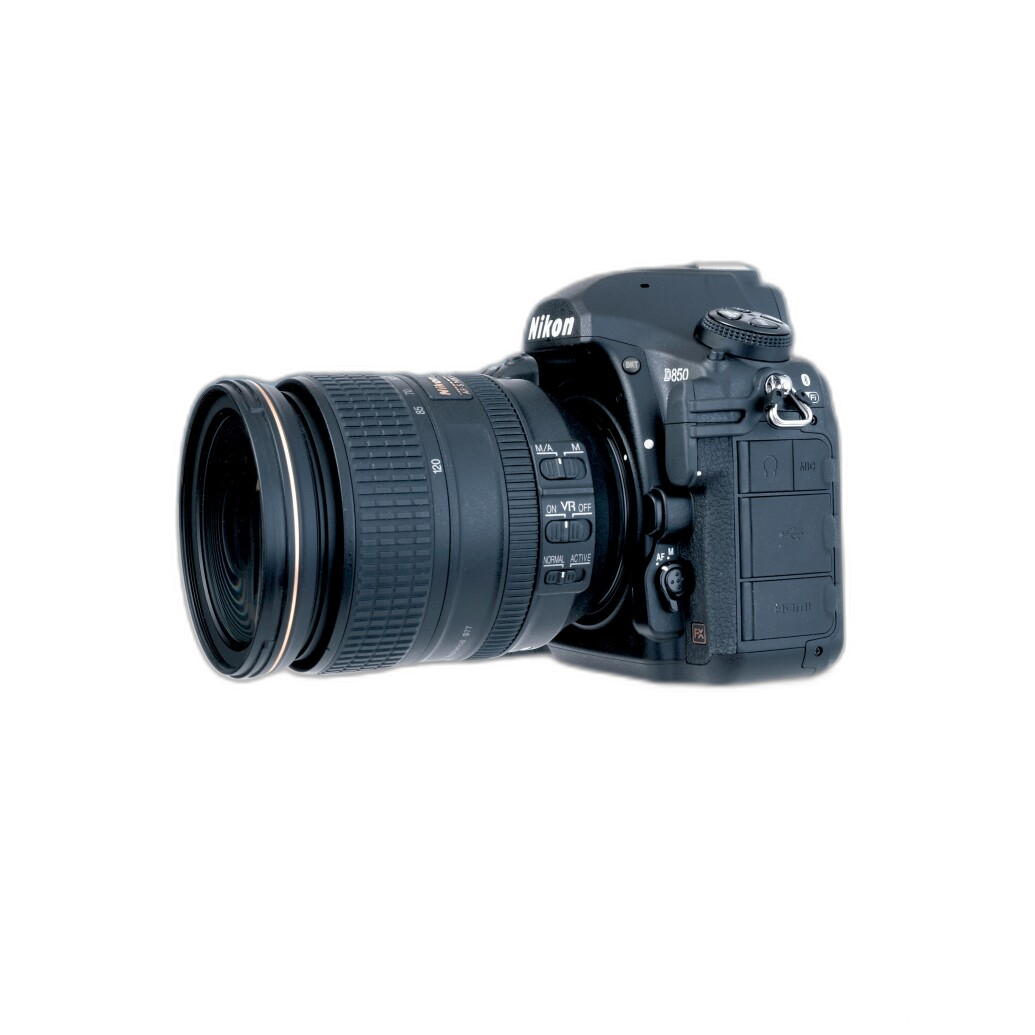
Can third-party lenses be the best value for portraits?
Absolutely. In 2024, third-party manufacturers continue to offer some of the best budget portrait lenses on the market. Many provide fast apertures, excellent optical quality, and competitive autofocus performance at prices below first-party alternatives.
Third-party portrait lenses are often ideal for photographers who want:
- More aperture for the money
- Excellent image quality without premium-brand pricing
- Specialized focal lengths for portrait work
Still, compatibility and autofocus behavior can vary by camera system, so it is wise to buy from a knowledgeable retailer. Unique Photo is a strong place to compare options and get guidance before committing to a lens.
Tips for getting the most out of a value portrait lens
Even the best affordable lens performs better when paired with strong technique. To maximize your results:
- Focus on the nearest eye
- Shoot wide open when you want subject separation, but stop down slightly for group portraits
- Use longer subject-to-background distances for creamier blur
- Pay attention to light quality before worrying about lens price
- Practice posing and composition as much as gear selection
Portrait photography also benefits from lighting education. Unique Photo’s workshops and classes can help photographers improve not just lens choice, but the full portrait workflow from capture to finishing.
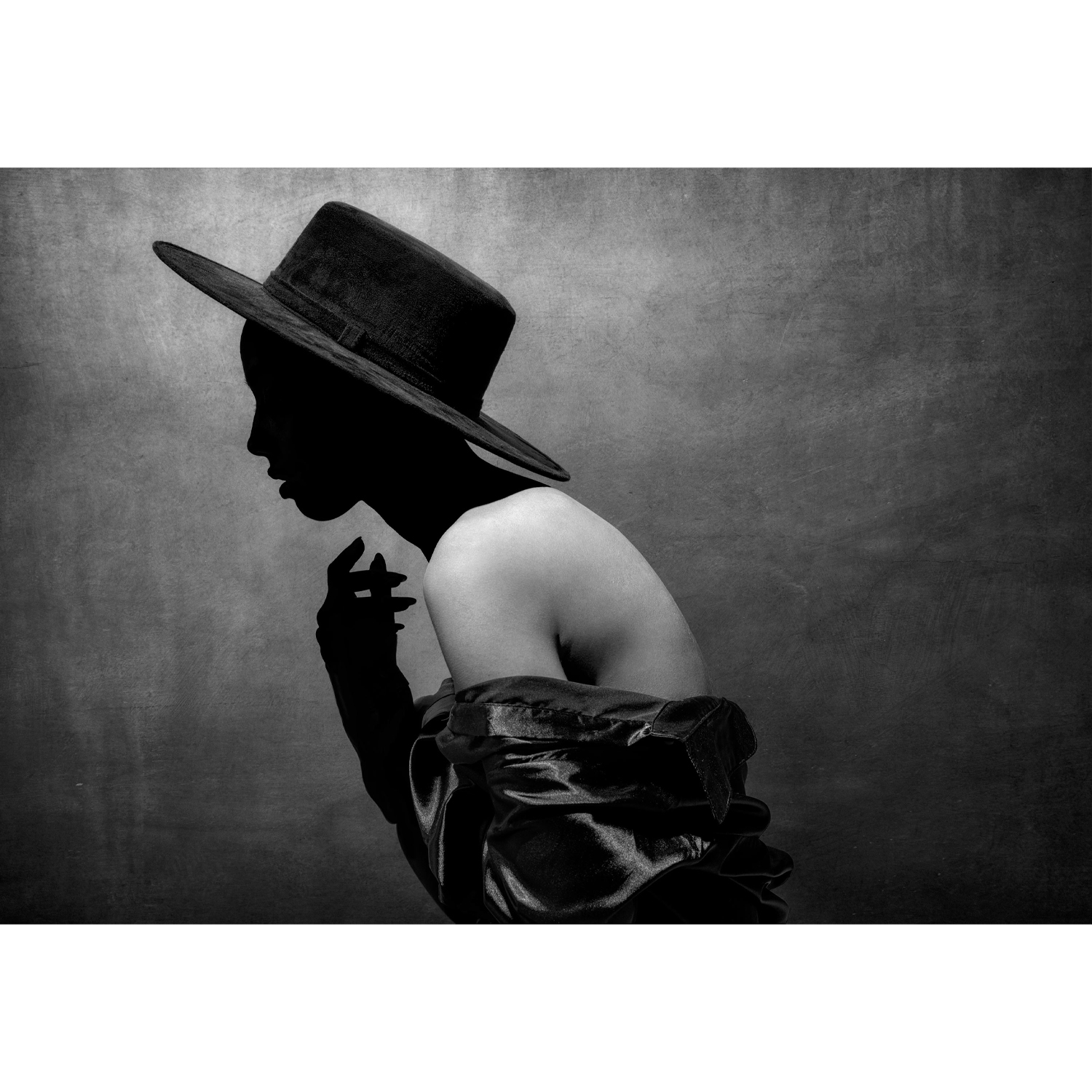
Final thoughts: what is the best value lens for portrait photography in 2024?
For most photographers, the best value lens for portrait photography in 2024 falls into one of two categories: a 50mm f/1.8 for versatility and affordability, or an 85mm f/1.8 for the classic portrait look. Both options offer major image-quality gains over standard kit lenses and remain some of the smartest investments for portrait shooters.
If you are a beginner, start with a practical prime that fits your camera system and shooting space. If you are growing your portrait business or taking on more serious client work, stepping into an 85mm portrait lens can deliver a polished look without requiring premium pricing.
Unique Photo is a great destination for photographers researching lenses, comparing systems, and building a smarter portrait kit. If you want to continue your research, consider exploring internal resources such as a lens buying guide, portrait lighting education, portrait workshops, and camera-specific photography books to round out your setup and technique.