Macro Photography FAQ: Budget Gear, Lenses, Lighting, and Sharpness Tips
Macro photography rewards patience, precision, and the right gear. Whether you want to photograph flowers in your backyard or insects in the field, a thoughtful setup can make close-up shooting far more enjoyable and dramatically improve your results.
Below, our team at Unique Photo answers the macro questions photographers ask most often, from budget-friendly starting points to lens selection, lighting, and focusing techniques.
What is the best budget-friendly way to start macro photography?
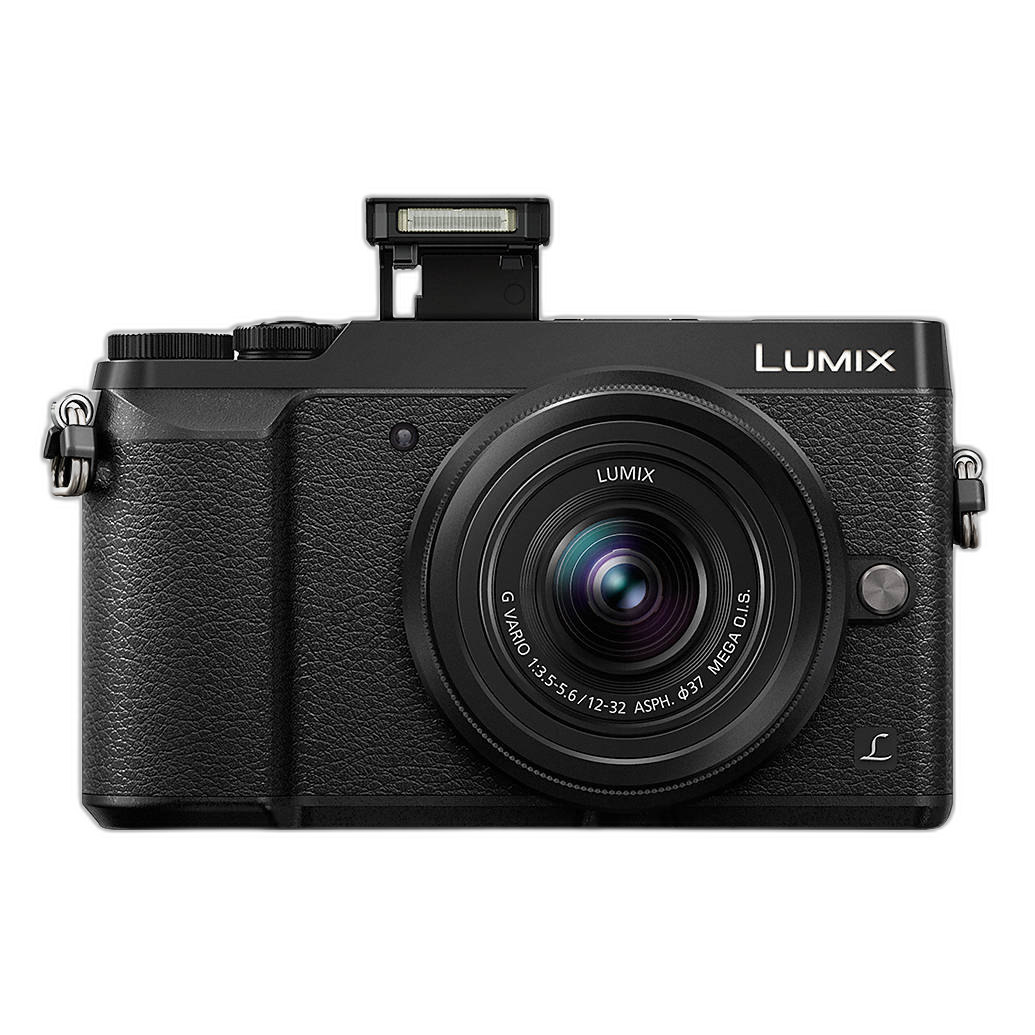
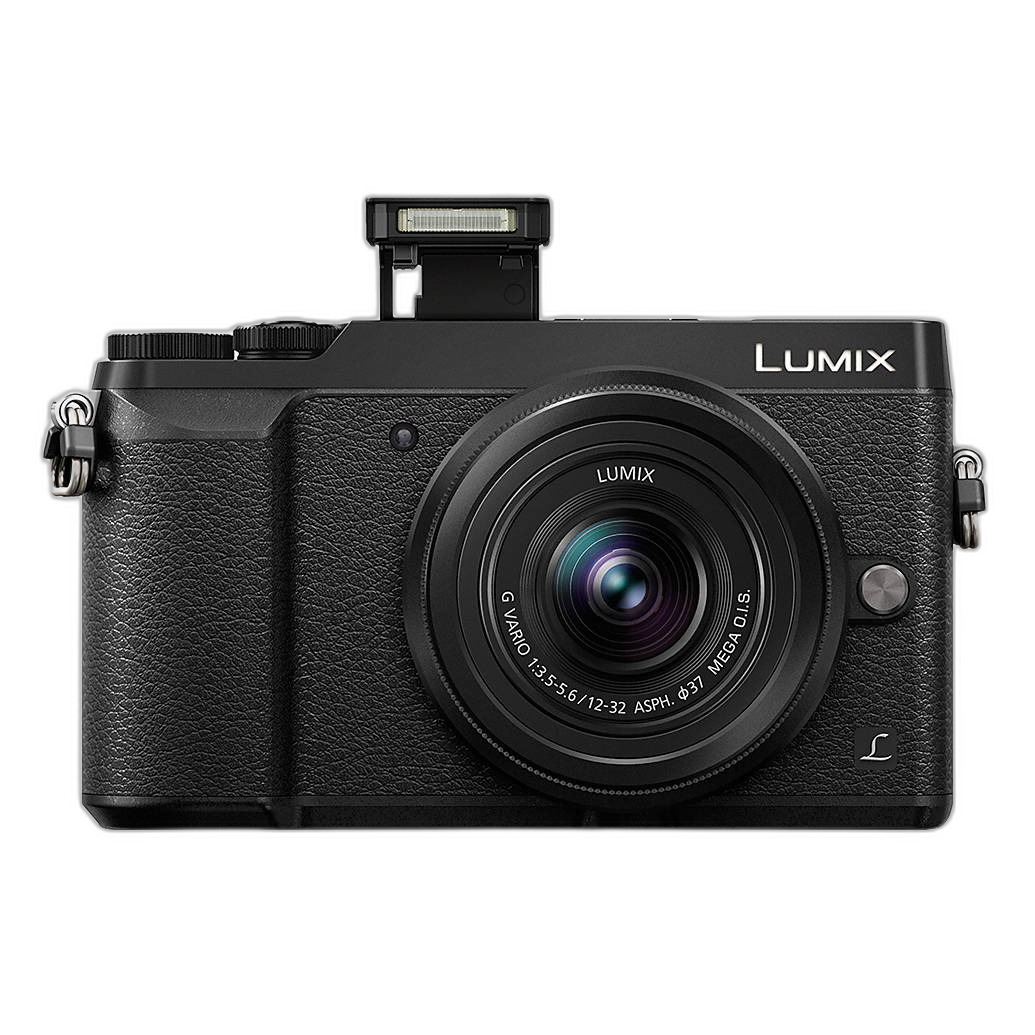
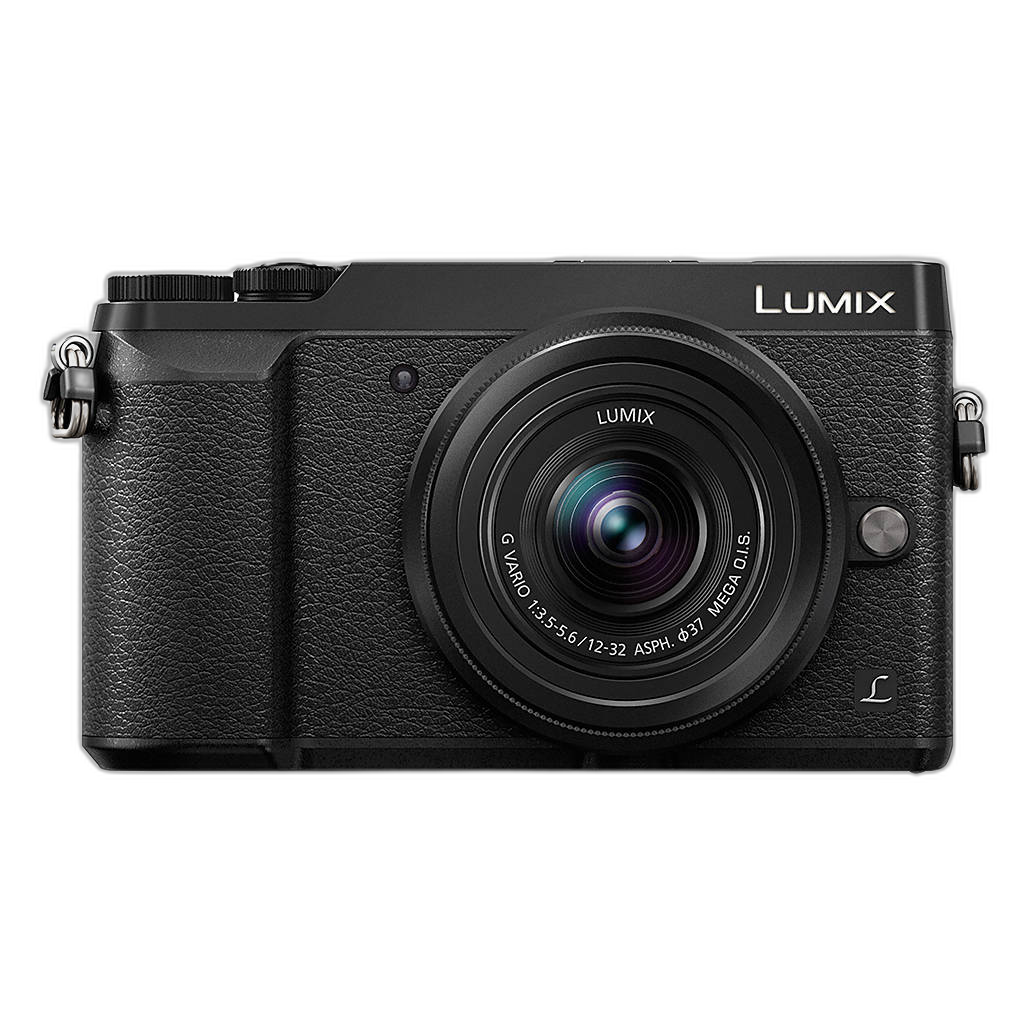
A practical entry point is to combine an affordable used camera body with a true macro lens. For photographers who want a compact mirrorless setup, a used Panasonic Lumix GX85 is a smart place to begin because it is lightweight, portable, and easy to carry outdoors for flowers, textures, and small subjects. Pairing a small Micro Four Thirds camera with a macro lens can also make handheld shooting feel more manageable than using a larger DSLR kit.
At Unique Photo, used gear can be especially appealing for macro shooters because image quality matters, but so does value. If you are building a field kit on a budget, a used Panasonic Lumix GX85 body and a used macro lens can offer excellent close-up capability without the cost of a brand-new system.
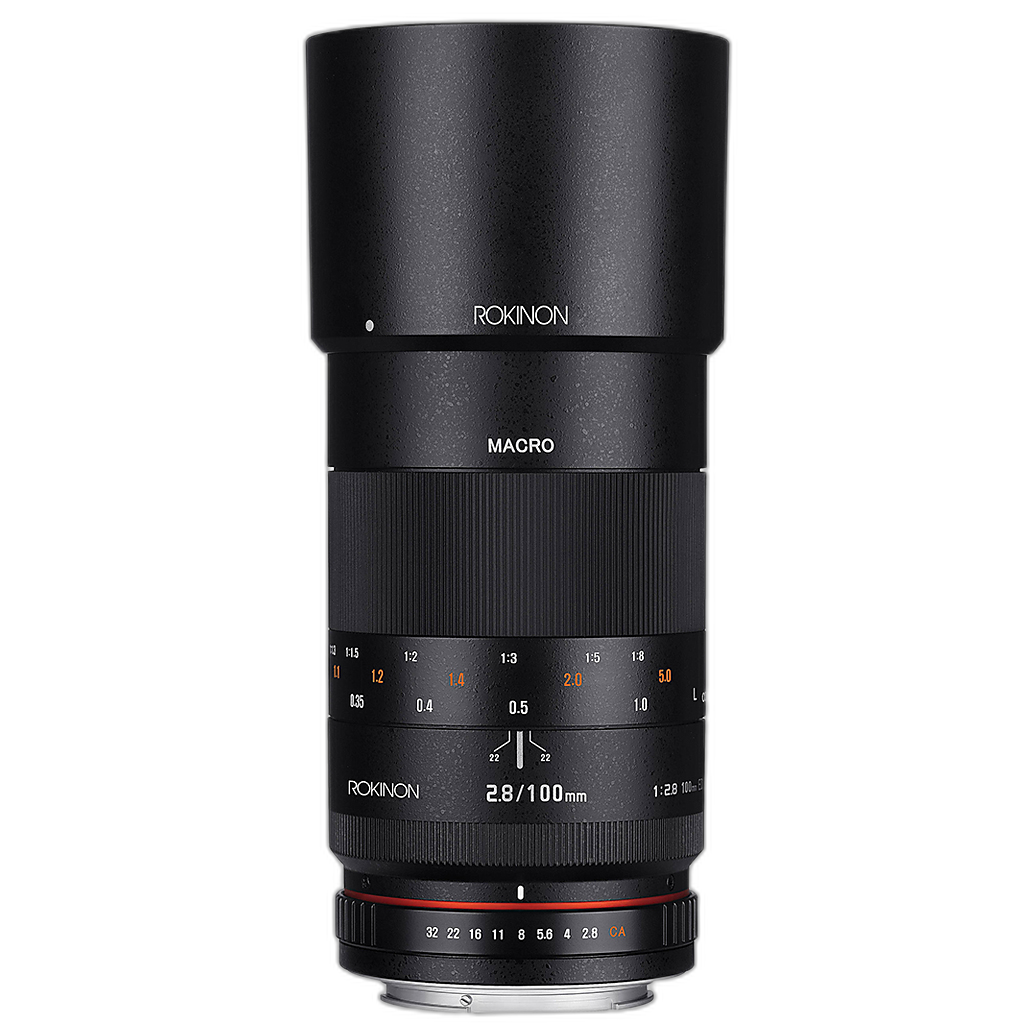
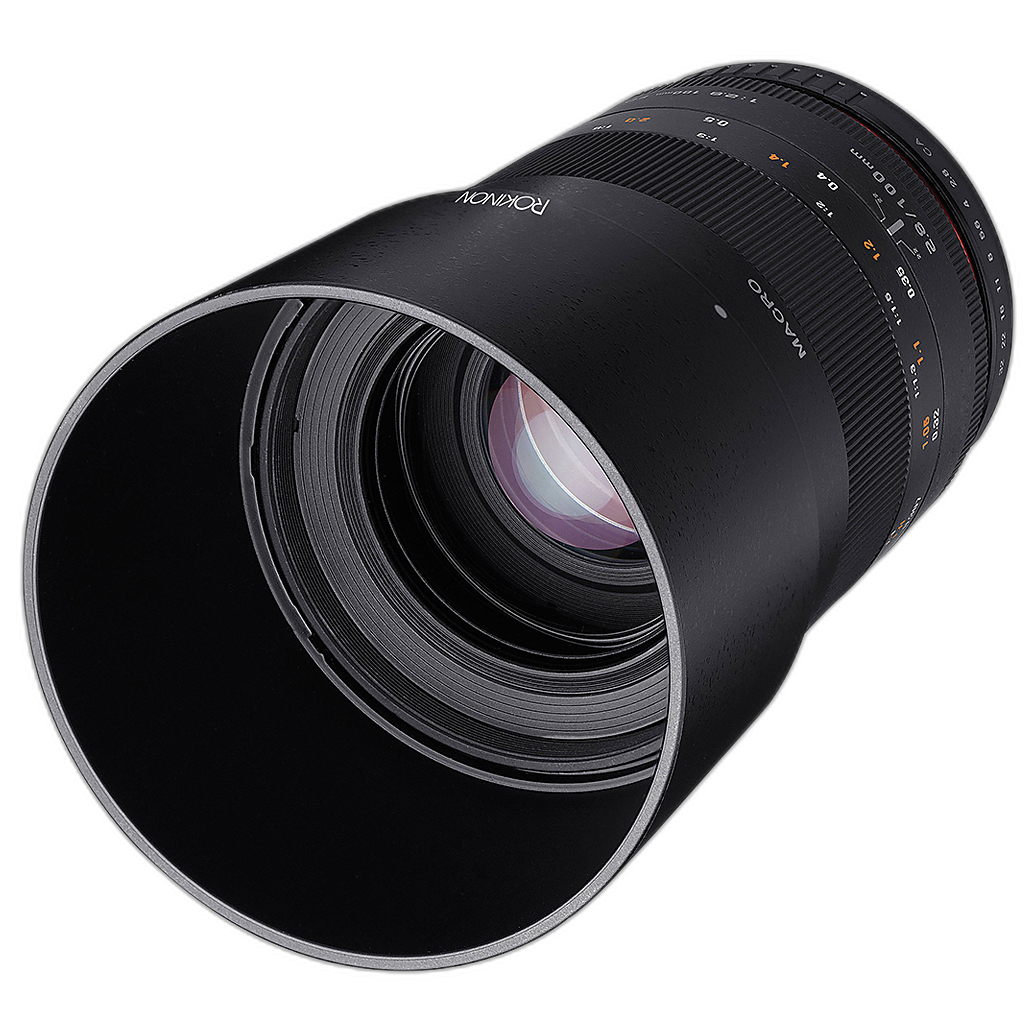
Another good value-oriented option for Micro Four Thirds users is the Used Rokinon 100mm f/2.8 Macro Lens. A longer focal length like 100mm gives you more working distance from insects and other easily disturbed subjects, which can make real-world macro photography easier.
Are dedicated macro lenses really better than extension tubes or close-up filters?
In most cases, yes. A dedicated macro lens is usually the best long-term solution because it is designed specifically for close focusing, flat-field performance, and high sharpness at short distances. That matters when you want crisp detail in petals, textures, jewelry, product shots, or insect wings.
Extension tubes and close-up filters can be useful, especially if you want to experiment before investing in a dedicated lens. They can help you focus closer with an existing lens, but they often involve tradeoffs such as reduced convenience, more limited handling, or variable image quality depending on the lens and filter used. If macro is becoming a regular part of your photography, a true macro lens is usually the more satisfying upgrade.
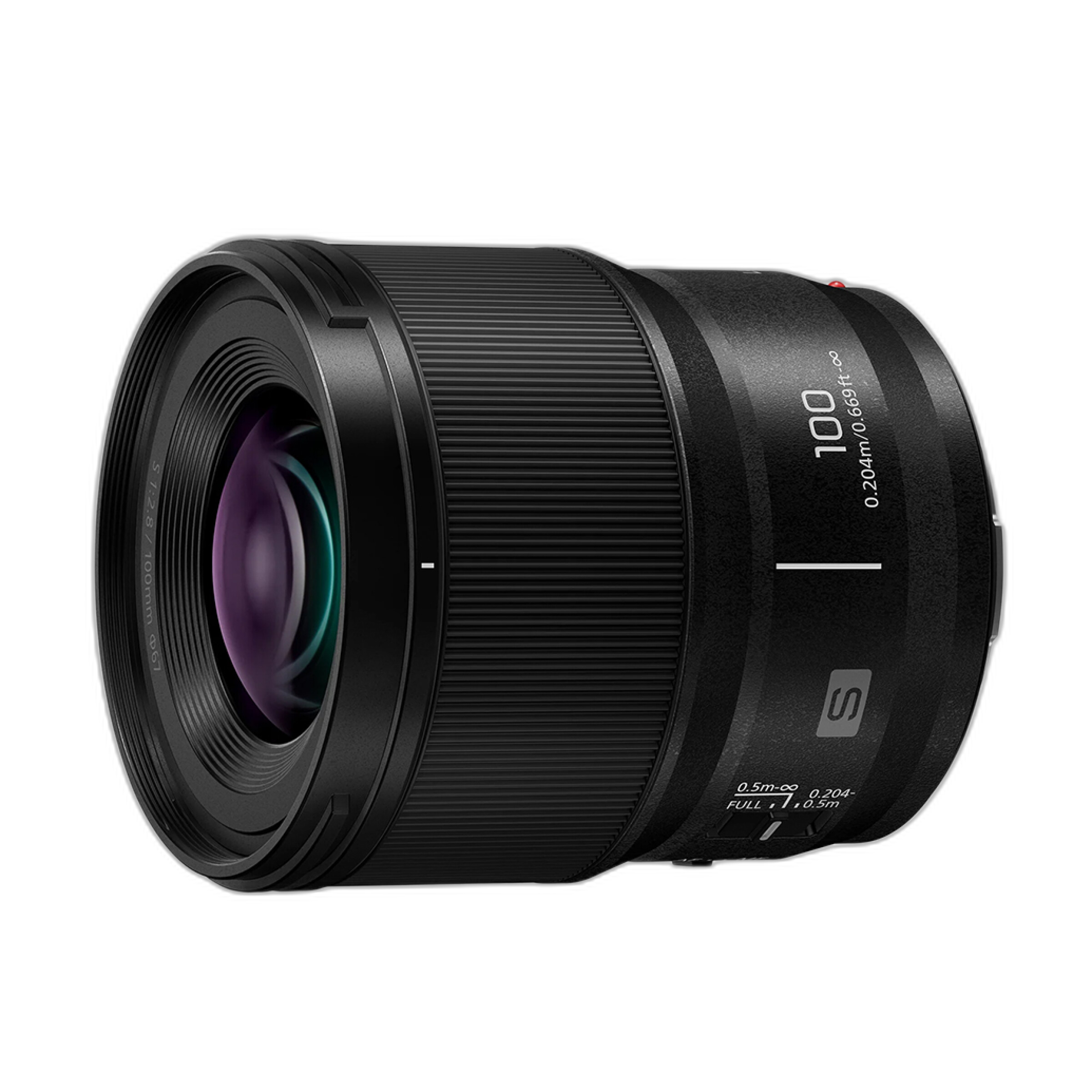
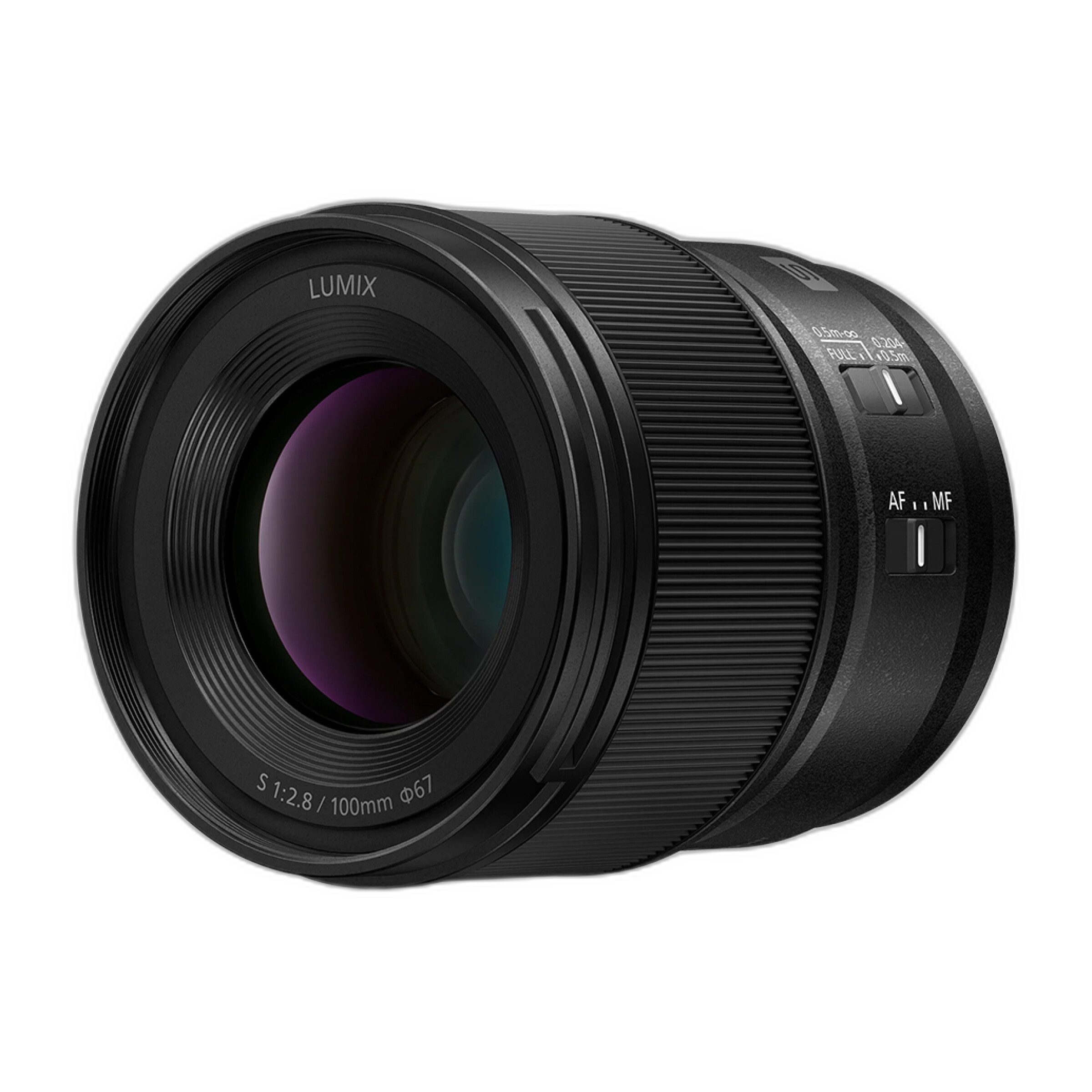
For L-Mount photographers, the Panasonic LUMIX S 100mm f/2.8 MACRO Lens is an excellent example of a lens purpose-built for close-up work. It offers the focal length many macro photographers prefer, with a balance of working distance, sharpness, and versatility for both detail shots and portraits.
What focal length is best for macro photography?
The best focal length depends on your subjects. Shorter macro lenses, such as 50mm to 60mm, are often convenient for copy work, tabletop photography, and subjects that do not move. They can be easier to use indoors where space is limited.
Longer macro lenses, such as 90mm to 105mm, are often preferred for flowers outdoors and especially for insects because they provide more working distance. That extra distance helps you avoid casting shadows on your subject and reduces the chance of startling small creatures. It also gives you more room to position lighting.
If you shoot Micro Four Thirds, the Used Rokinon 100mm f/2.8 Macro Lens is a strong choice when you want that added reach and subject separation. If you are using a full-frame L-Mount body, the Panasonic LUMIX S 100mm f/2.8 MACRO is a very natural fit for general macro work.
How do I get sharper focus in macro photos?
Sharp macro images start with stability and careful technique. At close distances, even tiny movements can shift focus dramatically, so a solid shooting stance, a tripod when possible, and controlled breathing all help. Many photographers also find it easier to set a desired magnification, then gently move the camera forward and backward until the critical detail snaps into focus.
Depth of field is extremely shallow in macro photography, so stopping down the aperture can help. However, there is a balance: very small apertures increase depth of field, but diffraction can soften fine detail. A useful approach is to test your lens at several apertures and learn where it gives you the best compromise between sharpness and depth.
For static subjects like flowers, consider focus stacking if your camera and workflow support it. For moving subjects like insects, prioritize the eye or the most important detail and accept that selective focus is part of the macro look.
What is the best way to light flowers and insects outdoors?
Good macro lighting should add clarity without making the image look harsh. Natural light can work beautifully for flowers in the early morning or late afternoon, when contrast is lower and wind is often calmer. A diffuser is especially helpful because it softens bright sunlight and preserves color and texture in petals.
For insects and handheld field macro, supplemental light often becomes the difference between a usable photo and a frustrating one. A compact flash setup or ring-style light can help freeze movement, lift shadows, and let you shoot at lower ISO settings. The key is to avoid overly direct light. Diffusing your flash or modifying a ring light will usually produce a more natural result than bare, straight-on illumination.
Longer macro lenses also help with lighting because they provide enough room to position your light source without blocking the subject. That is one reason 100mm-class macro lenses remain so popular for outdoor close-up work.
Can I shoot handheld macro, or do I need a tripod?
You can absolutely shoot handheld macro, especially in the field where subjects move and speed matters. Insect photography, in particular, often favors handheld techniques because the subject may not wait while you set up support gear. Using a lightweight body can help here, which is why compact cameras like the Panasonic Lumix GX85 remain attractive for travel and outdoor macro photographers.
That said, a tripod is still valuable for controlled shooting. If you are photographing flowers, products, coins, stamps, or other still subjects, support allows slower shutter speeds, precise composition, and easier focus stacking. Many macro photographers end up using both approaches depending on the subject.
Is a high-end macro lens worth it for advanced photographers?
For specialists, absolutely. Premium macro lenses can offer outstanding optical correction, superb edge-to-edge sharpness, and handling features tailored to demanding work. They are especially relevant for product photography, fine art reproduction, architecture details, and any application where precise rendering matters.
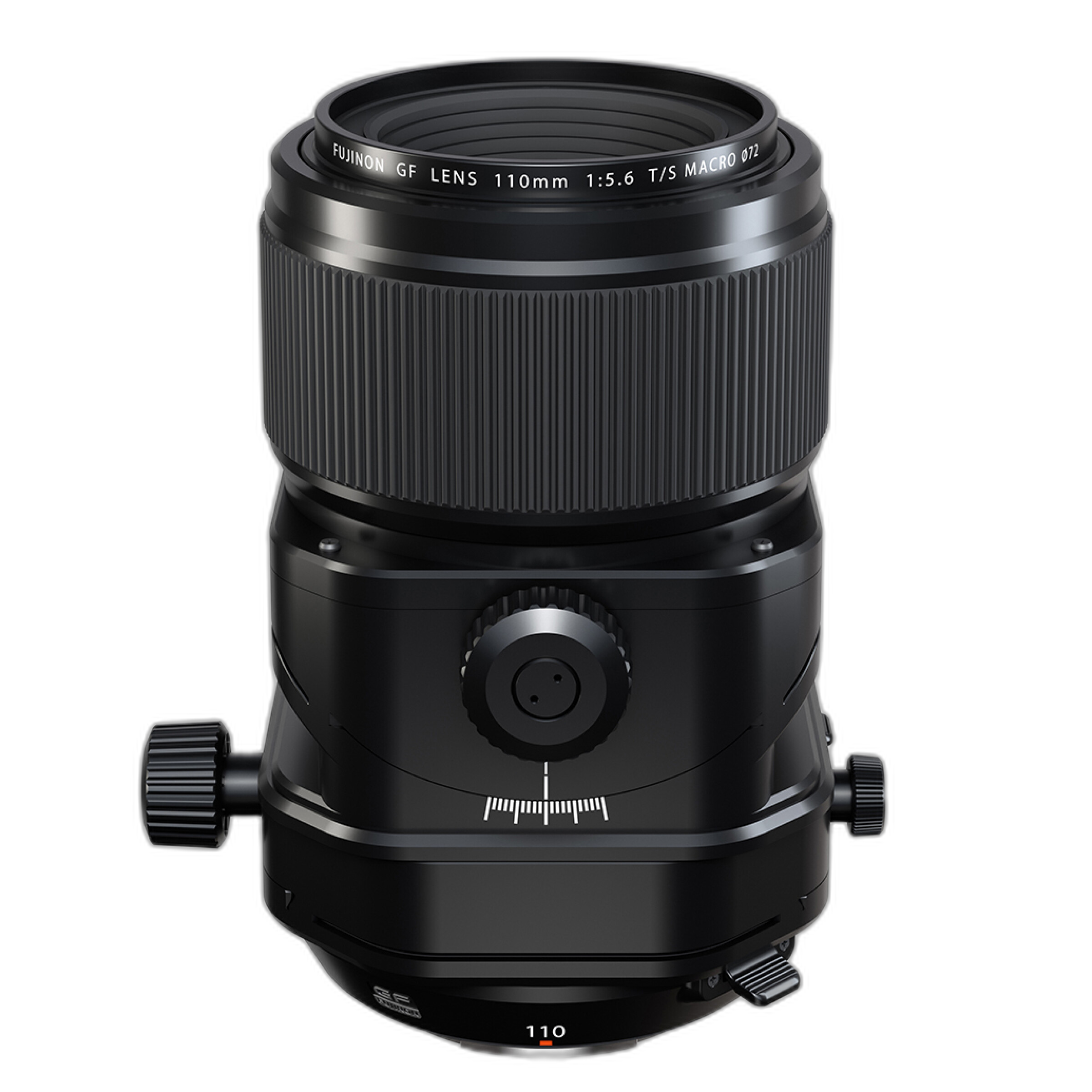
A standout example is the Fujifilm FUJINON GF 110mm f/5.6 T/S Macro Lens. This is not an entry-level lens; it is a specialized tool for advanced macro, close-up commercial work, and perspective control on Fujifilm GFX systems. The tilt-shift design opens up creative and technical possibilities that conventional macro lenses cannot match, making it ideal for photographers who need exact control over plane of focus and composition.
What camera and lens combination makes the most sense for portable field macro?
A portable field macro setup should be light enough to carry, long enough to give you comfortable working distance, and reliable enough to use quickly when subjects appear. For many photographers, that means a smaller mirrorless body with a dedicated macro lens in the 90mm to 100mm range.
A used Panasonic Lumix GX85 paired with the Used Rokinon 100mm f/2.8 Macro Lens is a practical example of a field-friendly combination. It keeps overall size manageable while giving you true macro capability and enough reach for flowers, butterflies, and other small subjects. If you are already invested in the Panasonic L-Mount system, the Panasonic LUMIX S 100mm f/2.8 MACRO Lens is another excellent solution for a more modern native-lens experience.
What settings should I start with for flowers and insects?
For flowers in calm conditions, start with a relatively low ISO, an aperture that gives you enough depth without going excessively small, and a shutter speed fast enough to handle any breeze. For insects, raise shutter speed significantly because both subject motion and your own movement become more visible at macro distances. If you add flash, you can often lower ISO and gain cleaner detail.
Single-point autofocus can work, but many macro photographers switch to manual focus or use focus peaking when available. Burst shooting can also help, especially handheld, because slight body movement may place one frame at exactly the right focus point.
Most importantly, review your images at high magnification in camera when possible. Macro photography is detail-driven, and catching focus issues on location saves disappointment later.
Macro photography does not have to start with an expensive setup, but dedicated gear does make the process easier and more rewarding. Whether you are looking for a value-minded used camera, a true 100mm macro lens, or a specialized pro option, Unique Photo offers new and used equipment to help you build a close-up kit that fits your goals. Explore our macro-friendly lenses and camera gear to take your next flower, insect, or detail photo to the next level.