Low‑Light News Photography: Sharp Shots, Clean Files, and Smart Lighting
Covering breaking news at night or in dim interiors demands speed, discipline, and dependable tools. From camera settings to discreet lighting and efficient workflow, here’s how we at Unique Photo approach low‑light news assignments so you can deliver sharp, publishable images under pressure.
What core camera settings deliver sharp results in low light?
Prioritize a fast, motion‑safe shutter speed first, then open the aperture and let Auto ISO float within a cap you’re comfortable with. For people and slow action, start around 1/250 sec; for faster movement, 1/500–1/1000 sec is safer. Use wide apertures on fast primes or bright zooms, and enable continuous AF with subject tracking. Raise your minimum shutter in Auto ISO to avoid surprise blur, and turn on anti‑flicker when shooting under problematic indoor lighting. Where available, use in‑body or lens stabilization to buy a stop or two for static subjects—but remember stabilization won’t freeze subject motion, so keep that shutter honest.
How do I keep noise and grain under control without losing detail?
Shoot RAW and bias exposure slightly to the right without clipping highlights to improve signal‑to‑noise ratio. In post, apply modern denoising (e.g., Adobe Denoise/Topaz/DxO) before your global edits, then add gentle capture sharpening afterward. Tame color noise first, then luminance; avoid aggressive noise reduction on faces to preserve texture. When deadlines are tight, a quick workflow of white balance, exposure, noise reduction, and export at a slightly smaller output size can clean files fast without looking plastic.
What portable lighting works best on fast‑moving assignments?
Compact LEDs are ideal because they’re quiet, dimmable, and let you match ambient color temperature. A small, punchy bi‑color head like the Godox ML60II Bi‑Color LED Monolight Kit 2 travels easily, accepts modifiers, and runs on batteries for real mobility. If you need more output or color effects for scene separation, consider the Godox Litemons LA300R RGB LED 3‑Light Kit with a rolling case for quick deployment. Add a softbox and grid for controlled spill and quick, flattering light in tight spaces. Want to elevate your technique fast? Our in‑store education can help—check out Key Lighting Methods with Mark Raker to learn practical setups you can adapt on deadline. 
Any tips for staying inconspicuous when using flash or constant light at press events?
Keep output low and shape your light. A small softbox or grid limits spill and reduces attention. Feather the beam so the brightest part isn’t aimed directly at faces, and gel to match ambient (e.g., CTO for tungsten) to avoid jarring color contrasts. When possible, bounce off nearby surfaces for softer, less intrusive light. With flash, use lower power for faster recycle and quieter operation; with LEDs, dim to supplement rather than overpower the scene. Training matters—Portrait Lighting Made Easy with Joel Grimes packs techniques you can adapt to quick editorial portraits under pressure. 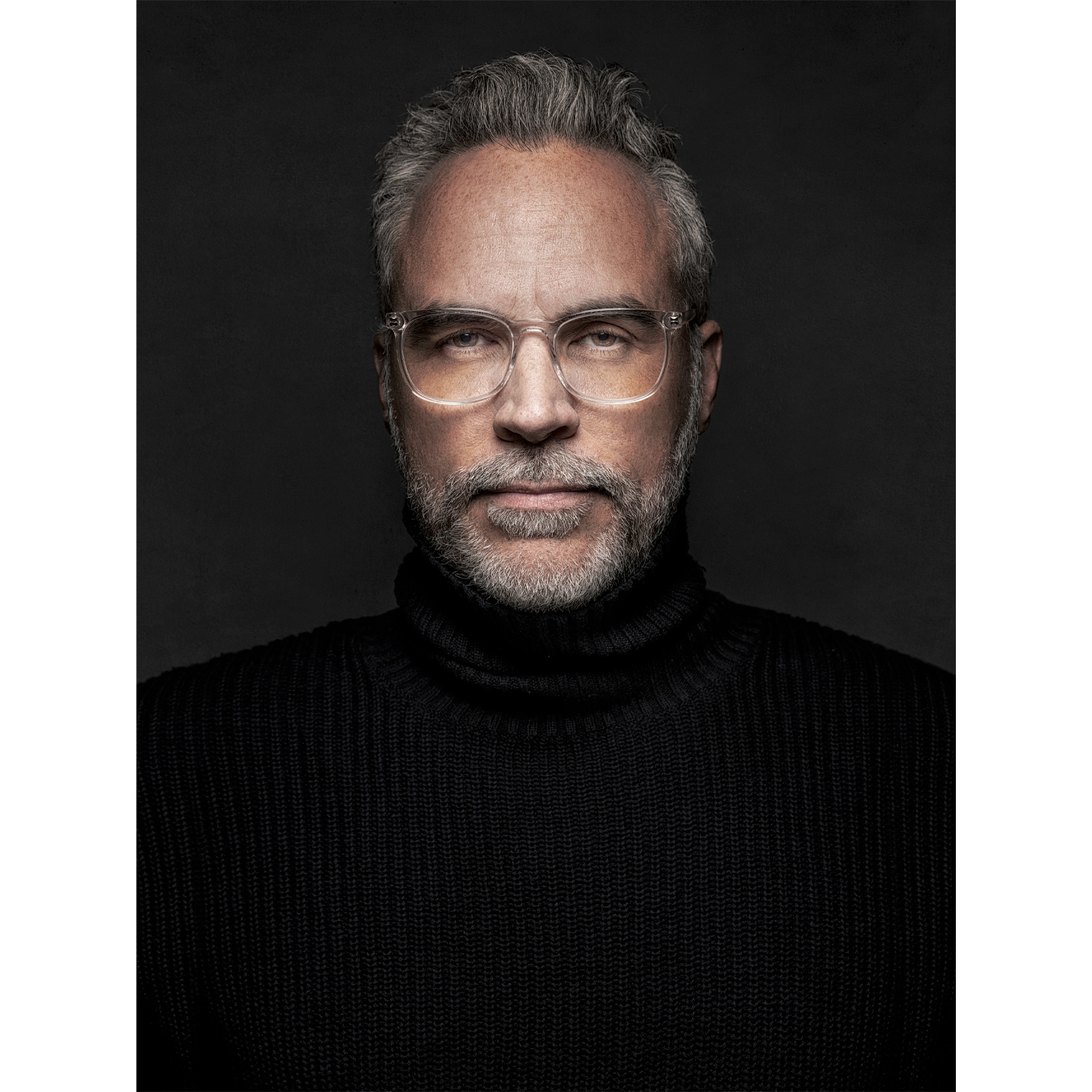
How do I balance shutter speed and motion blur for active news scenes?
Decide what must be sharp. For walking subjects, 1/320–1/500 sec is a good baseline; for running or dynamic gestures, 1/800–1/1000 sec gives you insurance. If light is scarce, bump ISO rather than dipping below your motion threshold—publishable moments trump low ISO. Use burst mode sparingly to catch peak motion when movement momentarily pauses. If you need to drag the shutter for ambient atmosphere, add a touch of constant light or low‑power flash to “freeze” the subject at the end of the exposure while keeping the environment visible.
What non‑lighting gear helps stability and consistency?
Rigging can make a huge difference when you’re working fast. A balanced shoulder or cage setup spreads weight and reduces micro‑shake, especially with longer lenses. If your rig uses an ARRI‑standard base, a lightweight dovetail like the Tilta 10 Lightweight Dovetail Plate makes swaps fast and keeps your center of gravity consistent across bodies and lenses—great for run‑and‑gun situations. 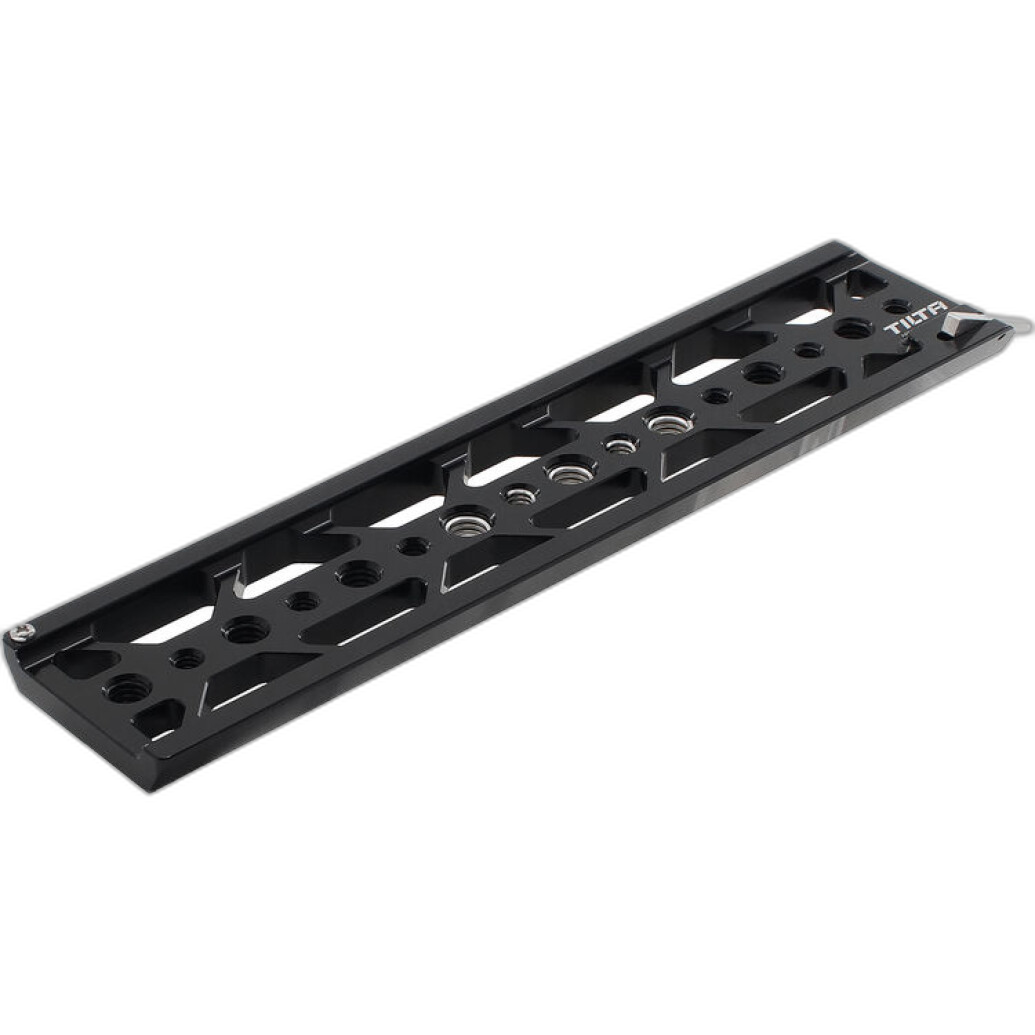
Are diffusion or warming filters useful in low light?
Selective filtration can be a creative advantage. A Tiffen Soft Glow 4 introduces a gentle halation around highlights that can tame harsh LED sources while keeping core detail intact—useful for atmospheric night scenes or portraits on deadline. For cooler, sterile light, a Tiffen Golden Glow 2 adds subtle warmth for more natural skin tones right in‑camera. Remember filters can slightly reduce light; compensate with ISO or exposure to maintain your motion‑safe shutter speed.
How should I handle cards and file delivery under tight deadlines?
Shoot to dual cards for redundancy, and carry a fast UHS‑II reader to offload quickly. The Lexar Professional Workflow Dual‑Slot SD UHS‑II Reader moves two cards at once to speed your ingest. Build a repeatable preset on import (metadata, basic noise reduction) and cull ruthlessly—edit for story first, then polish hero frames. Keep a naming convention that includes slug, location, and time for fast wire delivery, and always back up before you leave the scene.
What’s a simple, repeatable lighting plan for quick interviews indoors?
Try a compact three‑point variation: a dimmed, soft key just off‑axis, a weaker fill (or negative fill using a black card), and a narrow, gridded hair/rim to separate the subject from background. Match color temperature to ambient to avoid mixed light, and keep each fixture on a battery for clean cable management. If you need a refresher, our classes at Unique Photo cover practical setups you can execute solo with minimal gear.
Ready to level up your low‑light news coverage? Visit Unique Photo online or stop by our New Jersey superstore for expert guidance, hands‑on demos, and fast pickup on the gear and education that keep you ahead of deadline.