Ethics and Consent for News Photos at Public Events: A Practical FAQ
Covering rallies, protests, and breaking news requires more than fast reflexes—it demands clear ethical judgment. As a long-time resource for working photographers, Unique Photo compiled this FAQ to help you balance public interest, consent, and safety while delivering truthful, responsible images.
Do I need permission to photograph people at protests or rallies?
In the United States, people generally have no reasonable expectation of privacy in public spaces, and editorial use typically does not require permission. That said, ethics go beyond what’s legal. When your frame centers an identifiable individual—especially someone vulnerable (e.g., a minor, an undocumented person, or a participant at risk of retaliation)—seek consent when feasible or choose a composition that reduces identifiability. Make your role clear, respect requests not to be photographed, and avoid photographing from private property without permission.
When consent is impractical, consider wider context shots, profiles, or images where faces are obscured without distorting the truth. Long-lens technique can help you document scenes respectfully from a distance while still telling the story clearly. Our Sigma-focused wildlife program emphasizes thoughtful, distance-aware framing that translates well to public events. 
What ethical guidelines should I follow for sensitive or traumatic incidents?
Follow a minimize-harm approach: avoid sensationalism, don’t stage scenes, and provide honest context in captions. Ask yourself if each detail (a bloody close-up, a victim’s face, a license plate) is necessary to inform the public or simply to provoke. Preserve dignity—particularly for victims, detainees, and grieving families—and be transparent about any edits that alter identifiability (e.g., face blurring). When in doubt, step back, make a wider frame, and pair images with verified, specific captioning.
Training yourself to tell powerful stories with light, gesture, and structure—rather than graphic detail—can elevate your work and protect subjects. Exercises in shape, mood, and restraint are core to our landscape storytelling workshops. 
How should I handle photographing and publishing images of minors?
When a minor is the subject of your image (not just incidental in a crowd), seek consent from a parent or guardian whenever possible, even for editorial coverage. Avoid publishing identifying details (full names, school logos, precise locations) and consider angles or depth-of-field that preserve dignity without misrepresentation. For school events or private venues open to the public, organizers may have additional rules—ask first and respect no-photo zones.
Practice low-profile, respectful approaches at community events to build rapport and earn trust before you raise the camera. Our garden outings are great for honing patient, unobtrusive fieldcraft you can carry into public assignments. 
How do I protect source anonymity and subjects at risk?
Use techniques that preserve truth while reducing identifiability: silhouettes, shooting from behind, framing hands or signs instead of faces, motion blur at slower shutter speeds, or careful cropping. Physical distance via longer focal lengths can keep you out of sensitive zones while maintaining context. When necessary, blur faces before publication and strip sensitive metadata.
Always scrub location data and review your workflow for safety: disable in-camera GPS, remove EXIF on export, and avoid auto-sync to cloud services that may leak time/place data. Low-light mastery helps create anonymous silhouettes and rim-lit profiles that still communicate emotion and context—skills you can sharpen in our night photography sessions. 
Is it legal to photograph police and public officials on duty?
Generally, yes—if you’re in a public space and not interfering with official duties. Keep a safe distance, respect lawful orders and barriers, and do not trespass. Record badge numbers and locations in your notes rather than your captions unless it’s central to the story and responsibly verified. Laws vary by jurisdiction and situation, so learn local regulations and consult counsel when needed.
How do I stay safe and situationally aware in crowds or chaotic scenes?
Prioritize your safety and that of your subjects. Travel light, keep a buddy system, wear eye/ear protection when appropriate, and plan exit routes. Pack redundancies for power and memory, keep a small medical kit, and secure press credentials in a visible but breakaway holder. Tripods and light stands can become hazards in crowds; favor monopods or image stabilization and mind your footprint.
Fieldcraft matters. Our on-location workshops train movement, footing, and compositional speed so you can work safely under pressure—skills that translate directly to fast-moving public events. 
What are best practices for publishing on social media and online?
Give yourself time to verify. If immediate posting could endanger subjects, delay or anonymize. Write captions that are specific, sourced, and free of speculation. Avoid doxxing by omitting unnecessary identifiers. Be transparent about edits that affect content and promptly correct mistakes. Before uploading, remove GPS data and consider a “harm check” pass: Could this image expose someone to retaliation or misinterpretation?
Do I need model or property releases for editorial work?
For editorial use (news, commentary, education), model and property releases are typically not required in the U.S. However, commercial use (advertising, endorsements, product packaging) usually does require releases. Agencies and publishers may impose stricter policies, so confirm requirements before submission. When in doubt, get permission or choose a frame that avoids identifiable people or protected property and artwork.
How can I practice ethical fieldcraft before my next assignment?
Build patience, anticipation, and non-intrusive technique in low-stakes environments. Slow observation helps you predict moments without crowding subjects—whether you’re following a butterfly’s path or waiting for a chant to crest on a march. 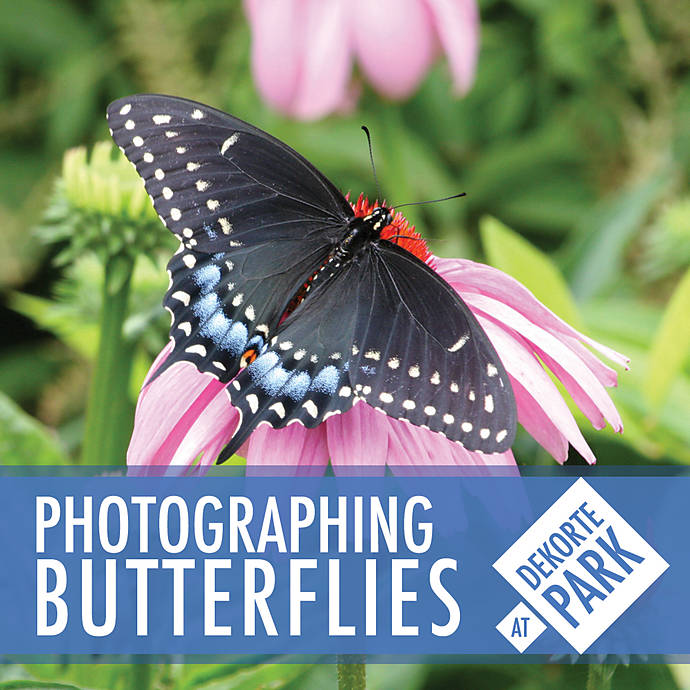
Refine your visual storytelling across genres so ethics become muscle memory. Explore long-lens discipline for distance-aware coverage, shape-driven compositions that minimize harm, and low-light anonymity skills in our Unique University programs.
Ethical guidance varies by location and assignment; this article is educational, not legal advice. For gear, training, and one-on-one help building an ethical workflow, visit Unique Photo online or stop by our New Jersey superstore. We’re here to help you report the story—accurately, safely, and responsibly.