Introduction
Photo competitions can open doors, build your portfolio, and give your work valuable exposure—but local and international contests reward different strengths. Local competitions often favor community relevance, familiar subjects, and strong presentation, while international competitions typically demand broader storytelling, originality, and technically polished submissions that stand out across a much larger field. This comparison breaks down how to approach each type strategically, from subject choice and judging expectations to printing, presentation, and portfolio organization.
To help illustrate the process, we’re also comparing a few useful tools and learning resources available from Unique Photo that can support your contest workflow, whether you’re preparing prints, refining your vision, or organizing your body of work.
Side-by-Side Comparison: Local vs. International Competition Strategy
| Category | Local Competitions | International Competitions |
|---|---|---|
| Audience | Regional judges, camera clubs, local arts groups, community galleries | Global panels, publishers, curators, agencies, major institutions |
| Winning Edge | Relevance, community connection, clean execution | Originality, universal storytelling, exceptional technical consistency |
| Subject Matter | Local landmarks, events, culture, recognizable themes | Distinct point of view, rare access, emotionally resonant narratives |
| Presentation Needs | Often simpler; quality print and neat submission matter a lot | Highly polished; file quality, sequencing, captions, and print finish can be decisive |
| Competition Level | More accessible, fewer entries, better odds for newer entrants | Much larger pools, stricter standards, stronger portfolios overall |
| Best Preparation | Study previous winners, tailor work to the region, perfect basics | Edit ruthlessly, unify your series, refine your artist statement and delivery |
Helpful Products and Resources for Competition Prep
| Product | Best Use | Why It Helps |
|---|---|---|
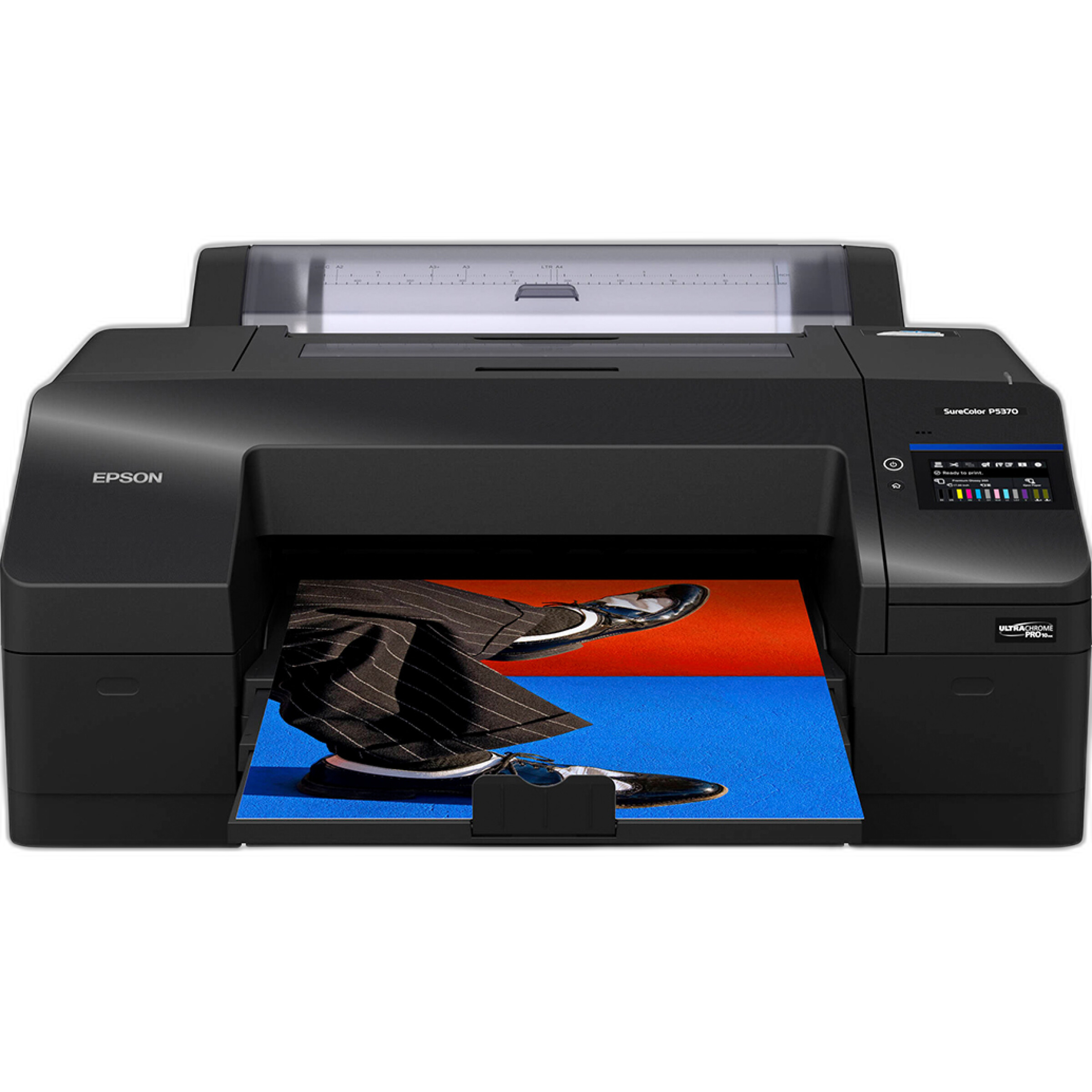
| Epson SureColor P5370 17-Inch Professional Photographic Printer | Print competition entries in-house | Greater control over print quality, color, and timing before deadlines |
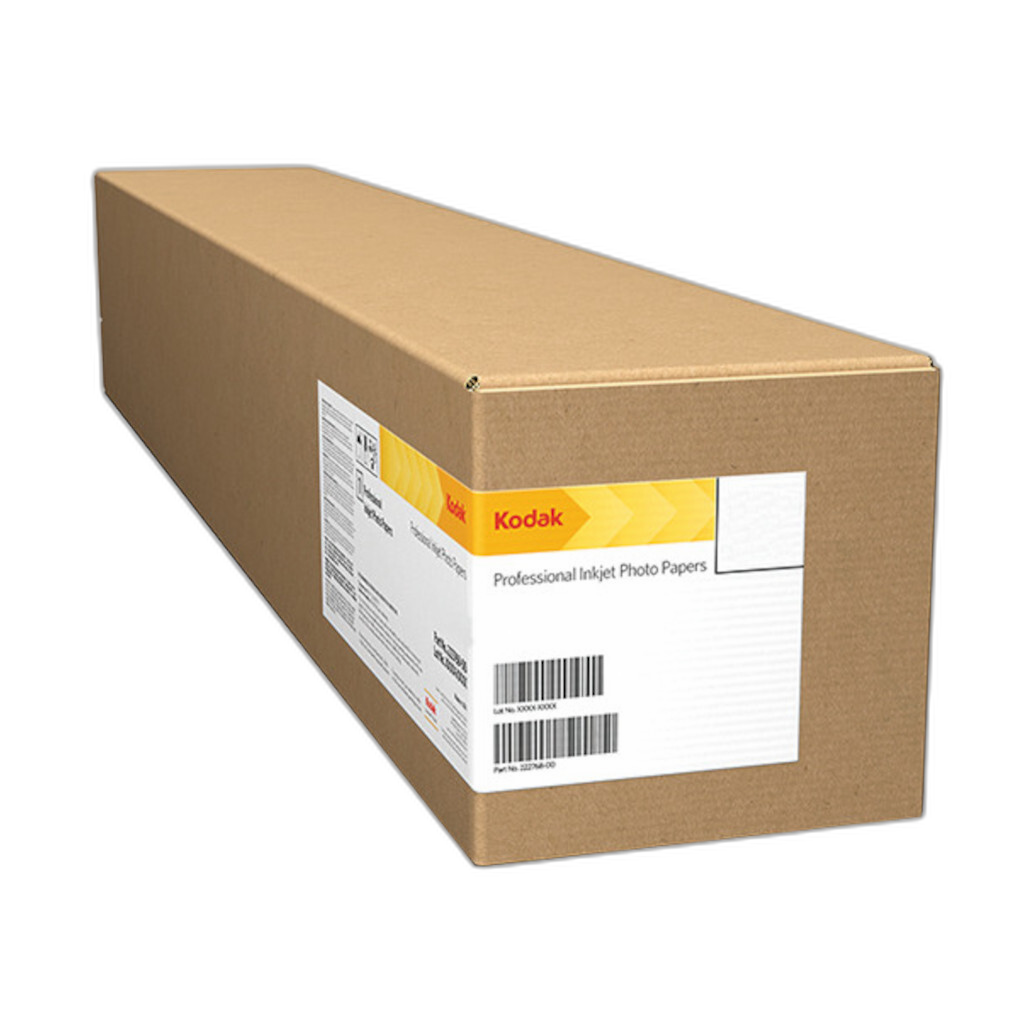
| Kodak Professional Metallic Photo Inkjet Paper 44 x 100 Roll | High-impact exhibition-style output | Metallic finish can add depth and drama to select competition images |
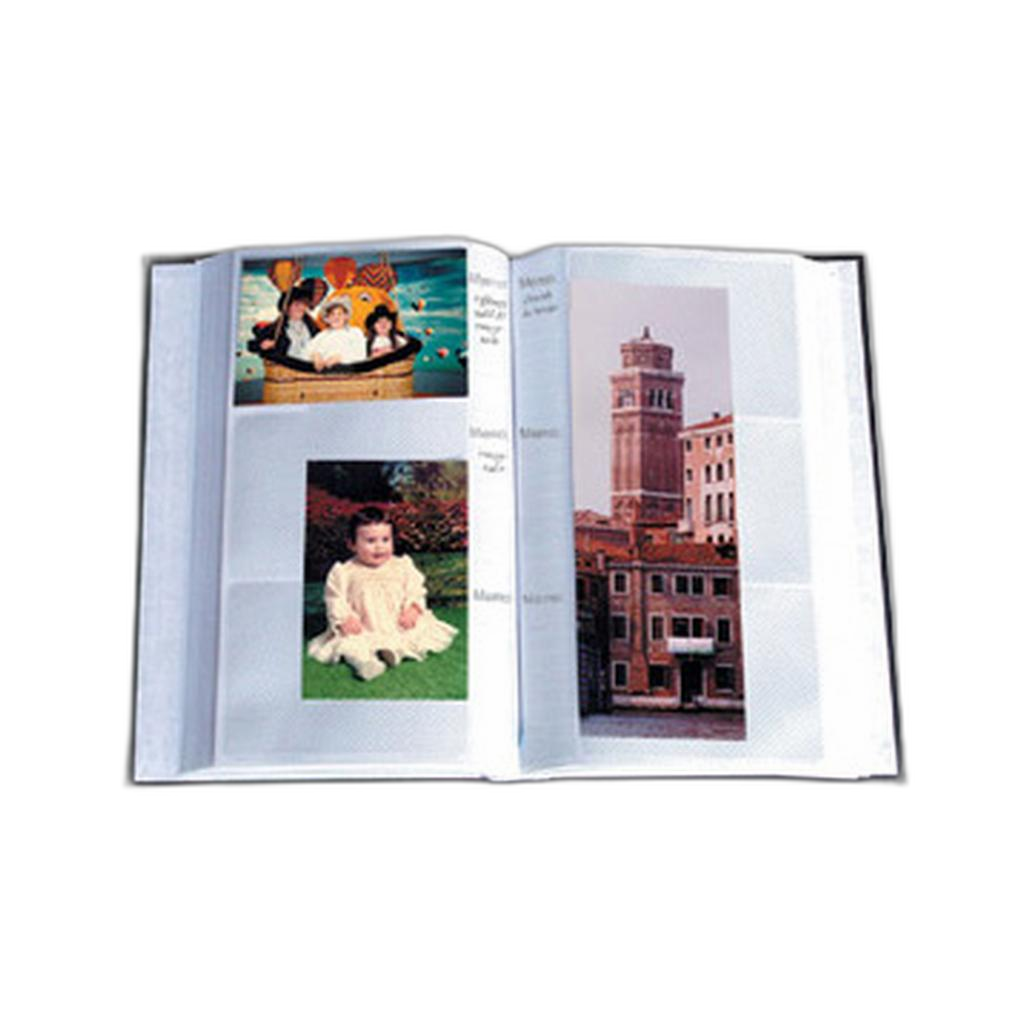
| Pioneer 4 x 6 In. Bi-Directional Memo Photo Album | Portfolio organization and edit review | Useful for sequencing, storing selects, and reviewing physical prints |
| Pioneer Album Refill Pages for BP-200 Album | Expand working archive | Makes it easier to compare alternates and maintain contest-ready collections |
| Macro and Landscape Photography at Duke Farms with Michael Downey | Build local contest-ready nature work | Great for sharpening technique in subjects often featured in regional competitions |
| EXPO: Stories from the Road - Photography Across Worlds w. Matthew Borowick | Develop broader storytelling perspective | Especially relevant for international-style narrative and travel-oriented submissions |
| Photograph Fluorescent Zinc Ore at Sterling Hill Mine | Create unusual, distinctive imagery | Helps build a portfolio with subject matter that can stand apart in larger contests |
How Local Competitions Differ from International Ones
Judging Priorities
In local competitions, judges may be more responsive to images that connect with the region’s identity—seasonal events, local wildlife, architecture, or community life. That doesn’t mean ordinary work wins; it means relevance can give strong images an extra advantage. International competitions, by contrast, usually reward photographs that communicate instantly and powerfully without relying on local familiarity. If an image needs insider context to succeed, it may struggle internationally.
Submission Strategy
For local contests, submit your most accessible and polished work. Clarity matters. A beautifully composed landscape, a sharply executed portrait, or a compelling documentary image tied to your community can perform very well. For international contests, lean toward work with a distinctive voice. Judges may review thousands of entries, so your submission needs to feel memorable in concept, not just competent in execution.

Tips for Winning Local Photo Competitions
1. Know the Community and the Judges
Look at previous winners and the tone of the hosting organization. Is it a fine-art leaning gallery, a camera club, a town festival, or a nonprofit? Matching your submission to the venue’s aesthetic can significantly improve your odds.
2. Emphasize Craft and Presentation
Because local contests can be judged in person, print quality often matters a great deal. A well-produced print with accurate color, strong tonal separation, and a clean finish can elevate an already good image. An in-house printer like the Epson SureColor P5370 17-Inch Professional Photographic Printer gives you more control over final output than relying on rushed outside printing.
3. Choose Strong, Immediate Images
Local competitions often reward photos that read quickly and effectively. Avoid overcomplicating your entry if a simpler image says more. Strong subject isolation, clean backgrounds, and a clear focal point are major assets.
4. Build from Workshops and Nearby Experiences
One practical way to improve your local competition results is to photograph more intentionally close to home. Experiences like Macro and Landscape Photography at Duke Farms with Michael Downey can help you create refined nature and landscape work, while Photograph Fluorescent Zinc Ore at Sterling Hill Mine offers more unusual visual opportunities that can stand out even at the local level.

Tips for Winning International Photo Competitions
1. Lead with Originality
At the international level, technical competence is assumed. What separates finalists is often vision: a fresh perspective, emotional complexity, or a cohesive body of work that reveals something beyond surface beauty.
2. Sequence and Edit Ruthlessly
If a competition allows a series, every image needs to earn its place. Repetition weakens your entry. Organizing printed proofs in an album can help you evaluate pacing and consistency more effectively than reviewing only on a screen. The Pioneer 4 x 6 In. Bi-Directional Memo Photo Album and Pioneer Album Refill Pages for BP-200 Album can be useful for physically reviewing alternates, captions, and sequence flow.

3. Elevate Print Impact When Prints Are Allowed
If the competition includes physical exhibition prints, paper choice becomes part of the message. A media option like Kodak Professional Metallic Photo Inkjet Paper 44 x 100 Roll can add visual punch to certain genres—especially travel, urban night scenes, automotive, or dramatic landscapes—though it should be used selectively and only when it supports the image.
4. Think Beyond Geography
International judges may not care whether a scene is from your hometown unless the image conveys something universally engaging. Focus on story, atmosphere, gesture, tension, light, and meaning. Educational experiences like EXPO: Stories from the Road - Photography Across Worlds w. Matthew Borowick are especially relevant here because they reinforce how photographs can connect across cultures and contexts.
Common Mistakes in Both Types of Competitions
Overediting
Heavy-handed HDR, unnatural color grading, excessive sharpening, and obvious AI-looking retouching can all hurt credibility. Let the image feel intentional, not forced.
Ignoring Rules
Many strong entries get disqualified on technicalities: wrong dimensions, missing metadata requirements, incorrect category selection, or deadlines missed by minutes.
Submitting Too Many Similar Images
Whether local or international, judges don’t need five versions of the same shot. Show range or the strongest single interpretation.
Weak Captions or Statements
In documentary, editorial, and fine-art categories, context can matter. Keep supporting text concise, clear, and professional.
Our Pick
Best overall investment for competition photographers: Epson SureColor P5370 17-Inch Professional Photographic Printer.
If you’re serious about improving your chances in both local and international competitions, the ability to control your final print output is one of the biggest advantages you can give yourself. While workshops and albums help refine vision and organization, the Epson SureColor P5370 delivers direct, practical value across nearly every contest scenario: test prints, final exhibition prints, color consistency, deadline flexibility, and presentation quality. For photographers entering regularly, it’s the most impactful all-around tool in this comparison.
Conclusion
Winning local and international photo competitions requires different emphases, but the fundamentals remain the same: submit your strongest work, present it well, and tailor it to the audience. Local contests reward relevance and polish; international contests demand distinction and deeper storytelling. With the right preparation tools, educational opportunities, and print workflow, you can compete more confidently at either level. For photographers looking to build that edge, Unique Photo offers valuable resources to help you prepare, refine, and present your best work.