Local Photo Contest FAQ: How to Build Entries That Stand Out
Local photo contests can be a great way to challenge your editing, sharpen your storytelling, and get your work in front of judges who may see hundreds of images in a single sitting. The most successful entries usually combine strong technique, a clear point of view, and thoughtful presentation—so preparing for a competition is about more than simply choosing your sharpest file.
At Unique Photo, we encourage photographers to think like both an artist and a presenter. From workshops that help you expand your vision to printing tools that let you control the final result, a smart contest strategy starts well before submission day.
How do judges typically evaluate images in local photo contests?
Most local contest judges respond first to impact. Before they examine fine detail, they notice whether an image immediately creates curiosity, emotion, or visual tension. After that first impression, they tend to look at composition, exposure, focus, tonal control, color balance, timing, and whether the subject feels intentional rather than accidental.
Judges also often reward coherence. That means every element in the frame should support the idea of the photograph. If the background is distracting, highlights are blown without purpose, or the crop weakens the subject, the image can lose momentum quickly. In many local competitions, judges are not only asking, “Is this technically good?” but also, “Does this photograph say something clearly?”
For photographers who want to improve their eye before entering competitions, guided learning experiences can make a real difference. Classes such as Unique Photo's Macro and Landscape Photography at Duke Farms with Michael Downey can help strengthen composition, light awareness, and subject isolation—skills that routinely matter in judged work.

Should I prioritize technical perfection or creative vision?
The best contest entries usually need both, but creative vision often separates finalists from the rest of the field. A technically clean image that feels familiar may score well, yet a photograph with a distinct perspective, mood, or narrative often leaves a deeper impression. Technical quality still matters because obvious flaws can distract judges from your concept, but flawless execution alone rarely guarantees memorability.
A helpful rule is this: use technique in service of the idea. Motion blur can work if it adds energy. Deep shadow can work if it creates drama. Unconventional framing can work if it strengthens the story. What judges often reject is not experimentation, but inconsistency—when the style feels accidental instead of deliberate.
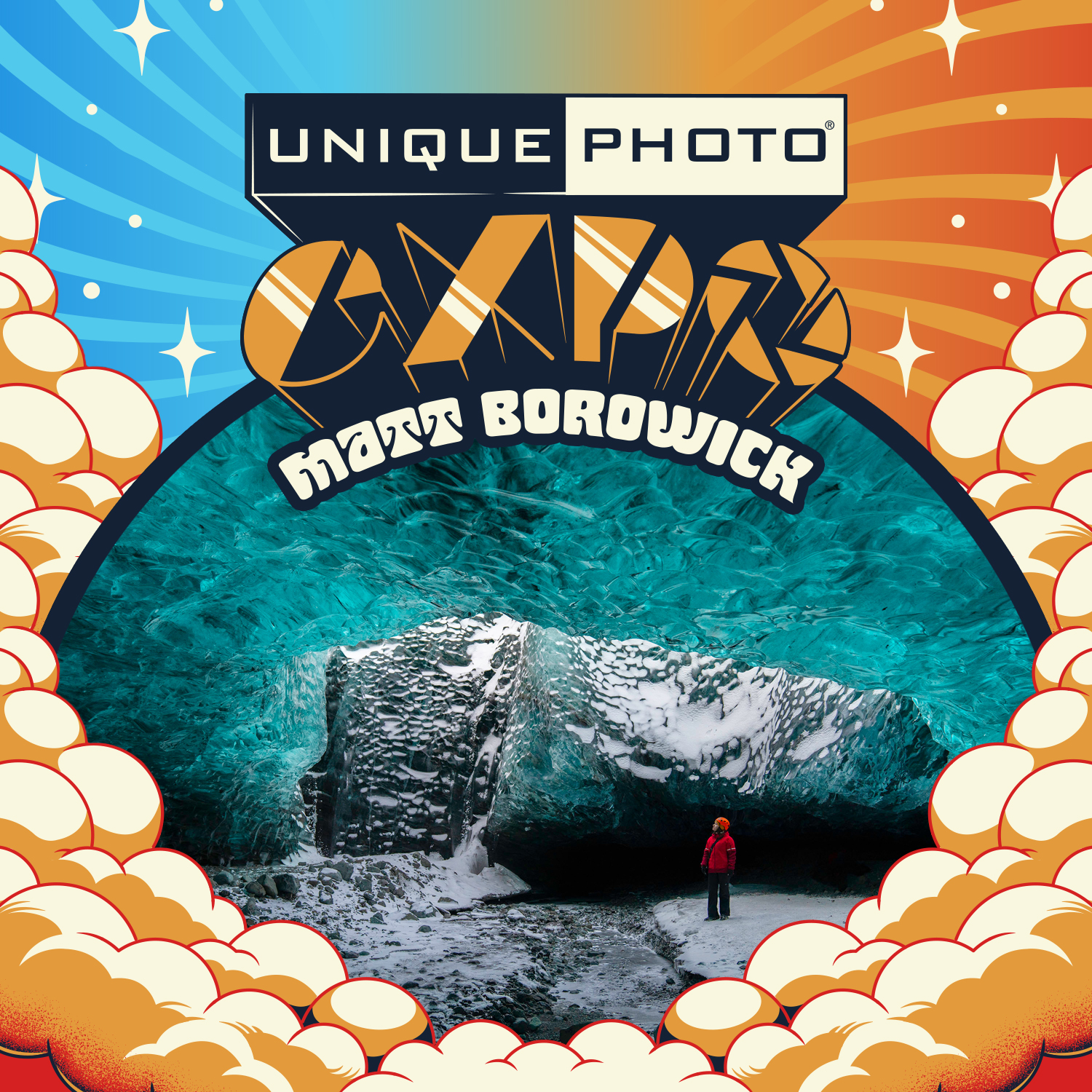
If you are trying to broaden your storytelling approach, educational events centered on visual narrative can be especially valuable. Programs like EXPO: Stories from the Road - Photography Across Worlds w. Matthew Borowick are useful for photographers who want to move beyond technically competent images and create work with a stronger personal voice.
Are there common clichés or themes I should avoid?
Yes—but the issue is usually not the subject itself. The real problem is predictable treatment. Sunsets, flowers, city skylines, old barns, reflections, and shallow-depth-of-field portraits appear in many contests because they are accessible and popular. If you choose a familiar theme, your advantage comes from bringing a fresh point of view, unusual light, stronger timing, or a more personal story.
Try asking yourself whether your image reveals something the viewer has not already seen many times. That might mean changing your shooting height, waiting for more expressive weather, simplifying the frame, or focusing on a more specific moment. Even highly photographed locations can become contest-worthy when the image shows intention rather than imitation.
One practical way to avoid cliché is to photograph subjects that challenge your usual habits. A specialized outing like Photograph Fluorescent Zinc Ore at Sterling Hill Mine can push you into unfamiliar color, texture, and lighting conditions, helping you create images that feel less generic than standard local contest fare.

How important is post-processing for contest entries?
Post-processing is very important, but it should strengthen the photograph rather than announce itself. Judges often notice when edits look heavy-handed: oversaturated color, halos around contrast edges, excessive sharpening, crushed shadows, or skin tones that no longer look believable. A polished file should feel finished, not forced.
Good editing helps direct attention. Thoughtful dodging and burning can guide the eye. Color grading can unify the mood. Cropping can improve balance. Noise reduction and sharpening can refine detail. The strongest contest files are usually edited with restraint and purpose, so the final image feels confident and cohesive.
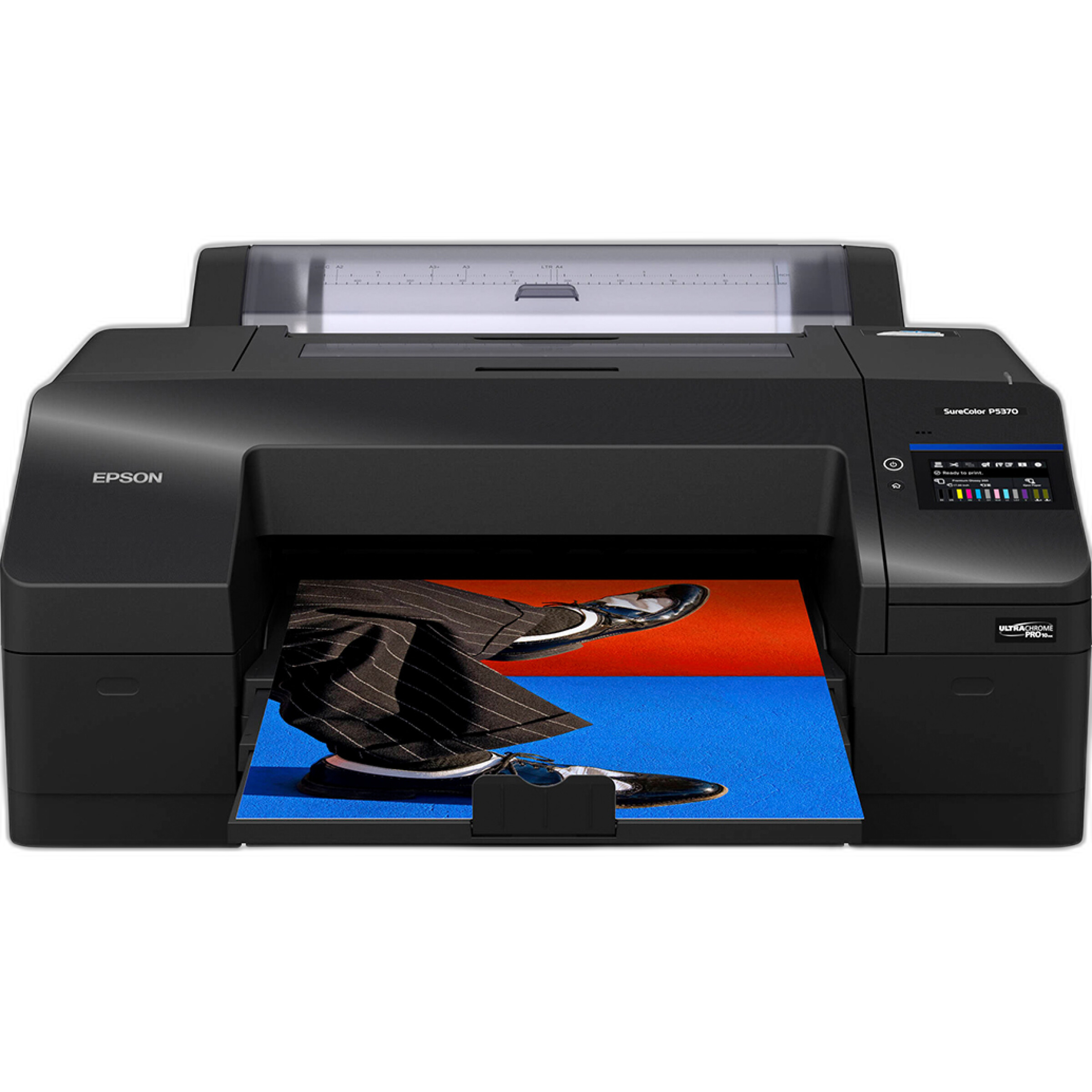
If your competition allows prints, controlled output matters just as much as screen editing. A printer like the Epson SureColor P5370 17-Inch Professional Photographic Printer gives photographers more control over tonal transitions, black density, and color accuracy for submission-ready prints. That level of consistency can be especially useful when subtle shadow detail or fine gradation is part of the image's impact.
Does print presentation matter in local contests?
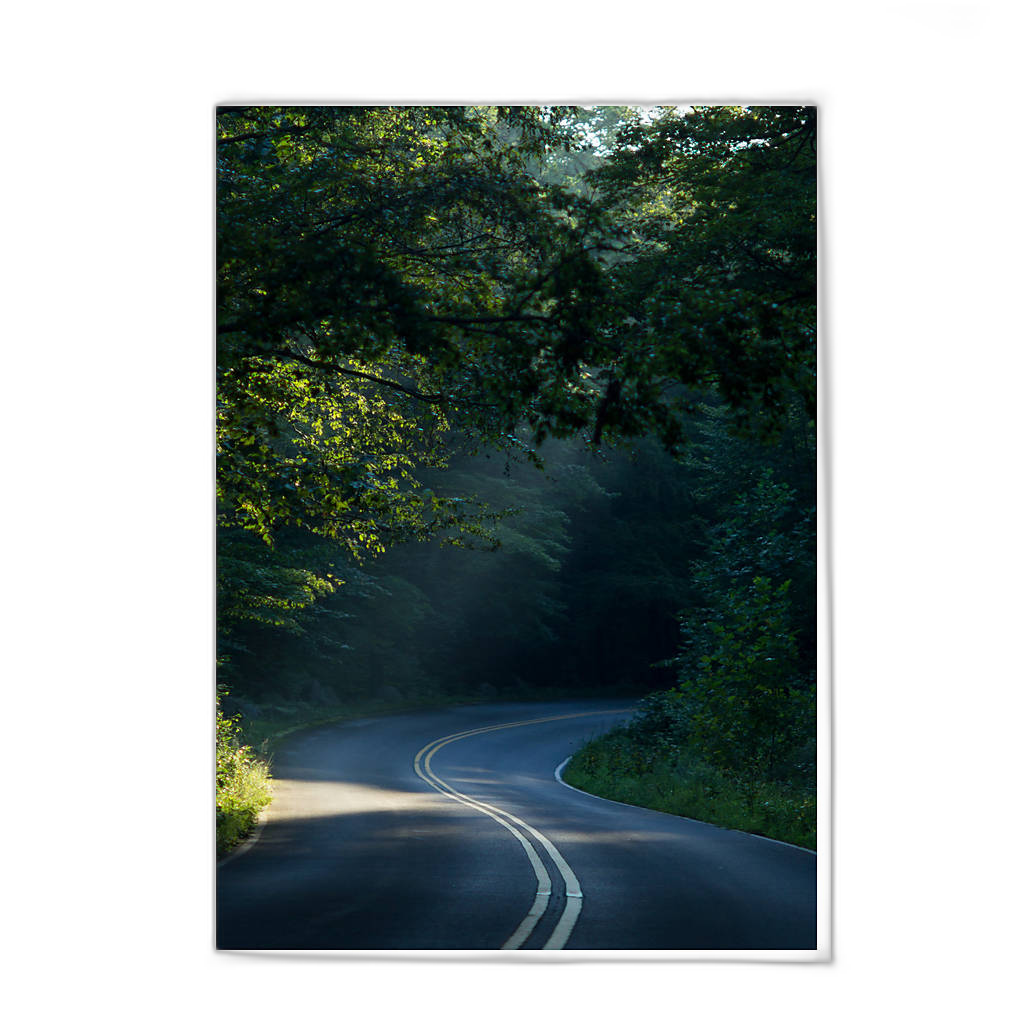
Absolutely. Even an excellent image can lose strength if the print looks dull, poorly cropped, or carelessly handled. In print competitions, presentation affects how judges experience contrast, color, and detail in real life. A clean, well-made print communicates professionalism and shows respect for the competition process.
If you are testing selections before committing to a larger final print, starting with small proofs can help. Unique Photo Lab 4x6 Print Glossy is a practical option for reviewing color, crop, and sequence before you finalize your entry. Seeing your work as a physical object often reveals issues that are easy to miss on a monitor.
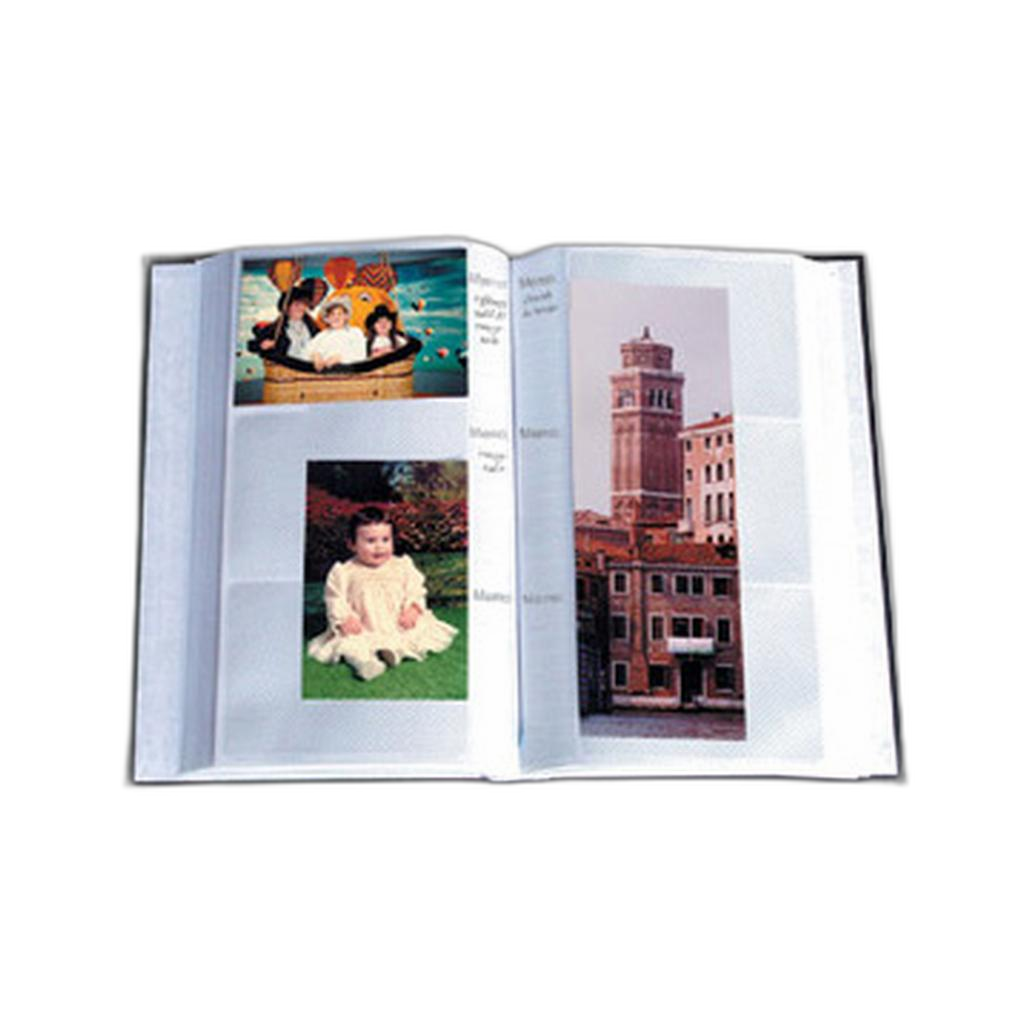
Organization matters too, especially if you are entering multiple categories over time. Products like the Pioneer 4 x 6 In. Bi-Directional Memo Photo Album or Pioneer TS-246 Oxford Brass Corner Photo Album can help you keep proof prints, previous entries, and judge feedback together in one place. For photographers building a long-term contest workflow, refill options such as Pioneer Album Refill Pages for BP-200 Album make it easier to maintain a reference archive of successful and unsuccessful submissions.

How do I choose the strongest image from several good options?
Start by comparing your candidate images at thumbnail size. The frame that reads clearly and grabs attention immediately often has an advantage in judging. Then review each file full size for focus accuracy, highlight retention, edge distractions, and whether the main subject remains dominant.
It also helps to evaluate your images against likely competition criteria: impact, originality, technique, and emotional or narrative strength. Ask which image holds attention the longest, not just which one looks pleasing for a moment. Often, the winning choice is the photograph with the clearest idea and the fewest unnecessary elements.
Printing a small set of finalists can make the decision easier. Side-by-side physical prints reveal differences in tonal balance and visual weight that may be less obvious on screen. Keeping these comparisons in an album creates a useful record of your decision-making process for future contests.
Should I enter images that match what judges usually like, or should I take risks?
There is value in understanding what tends to score well locally, but chasing trends too closely can flatten your voice. If every photographer is submitting the same polished style, an image with a stronger perspective may stand out more—provided it is still presented with technical control. Smart risk-taking often pays off when the concept is clear and the execution supports it.
A good strategy is to know the audience without becoming predictable. Review past winners if possible, identify the standards for quality, and then submit work that meets those standards while still feeling unmistakably yours. Judges may not all share the same taste, but many respond positively to photographs that show intention, confidence, and individuality.
What is the best way to improve my chances over time?
Treat contests as part of a larger growth process. Study your results, pay attention to recurring feedback, and build a stronger body of work rather than focusing on a single lucky entry. Photographers improve fastest when they regularly shoot, review, print, compare, and refine.
Workshops, field sessions, and visual storytelling events can accelerate that process by exposing you to new subjects and new ways of seeing. Whether you are strengthening your landscape technique, expanding your narrative style, or exploring more unusual environments, the goal is to develop a portfolio that feels more personal and more consistent each time you enter.
Local contests reward photographs that combine craft with viewpoint. If you want help refining your technique, printing your best work, or finding classes that push your creativity further, Unique Photo offers the tools, education, and support to help you prepare your next standout entry.