Lighting Tips for Indoor & Outdoor Feature Assignments: Pro FAQ
Feature assignments move fast—locations change, weather shifts, and subjects rarely have hours to spare. As New Jersey’s go-to camera retailer, Unique Photo helps photographers build nimble lighting strategies that work indoors and out. Use this FAQ to refine your approach, choose the right tools, and stay ready for anything.
What’s the fastest way to get flattering light indoors without a full studio setup?
Start with a single, controllable key light placed at roughly 45° from your subject’s face and slightly above eye level. If the room has white walls or ceilings, bounce your light to create a large, soft source; if not, add negative fill on the shadow side (a black card or flag) to sculpt facial features. Continuous LEDs are great when you need to visualize the result quickly, while a small strobe offers more punch to overpower ambient light. For a deeper dive into practical key techniques you can apply on any assignment, consider our training with Nanlite in CS: Key Lighting Methods with Mark Raker. 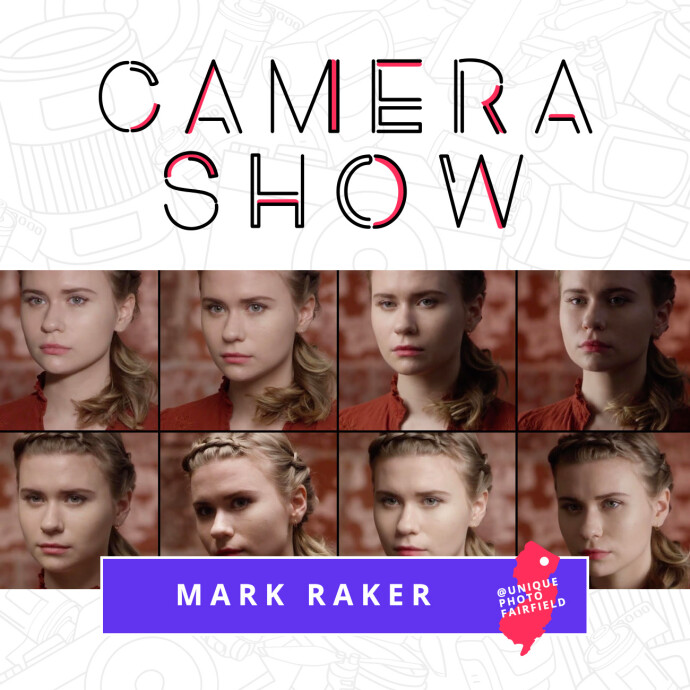
How do I balance flash with ambient light outdoors at noon versus golden hour?
At noon, the sun acts like a hard top light. Use your flash as the key to re-shape the face—either by raising exposure on the subject and underexposing ambient for drama, or by filling shadows to keep a natural look. High-speed sync lets you use wide apertures without blowing out the sky. At golden hour, ambient becomes gentle; lower flash power and feather your modifier to maintain the natural falloff. A consistent, repeatable approach is covered in our Mastering Portrait Lighting: Mixing Flash and Ambient Light (Session 9). 
Which quick key-light setups work best for feature portraits?
Three reliable patterns to have in your pocket: Rembrandt (45° key with a small triangle of light on the shadow cheek), Clamshell (soft key at eye level plus subtle under-fill for beauty), and Side Key (strong directionality for editorial mood). Keep the modifier size proportional to your subject distance—larger and closer yields softer results. For repeatable techniques and creative sourcing, check out Portrait Lighting Made Easy with Joel Grimes (Westcott). 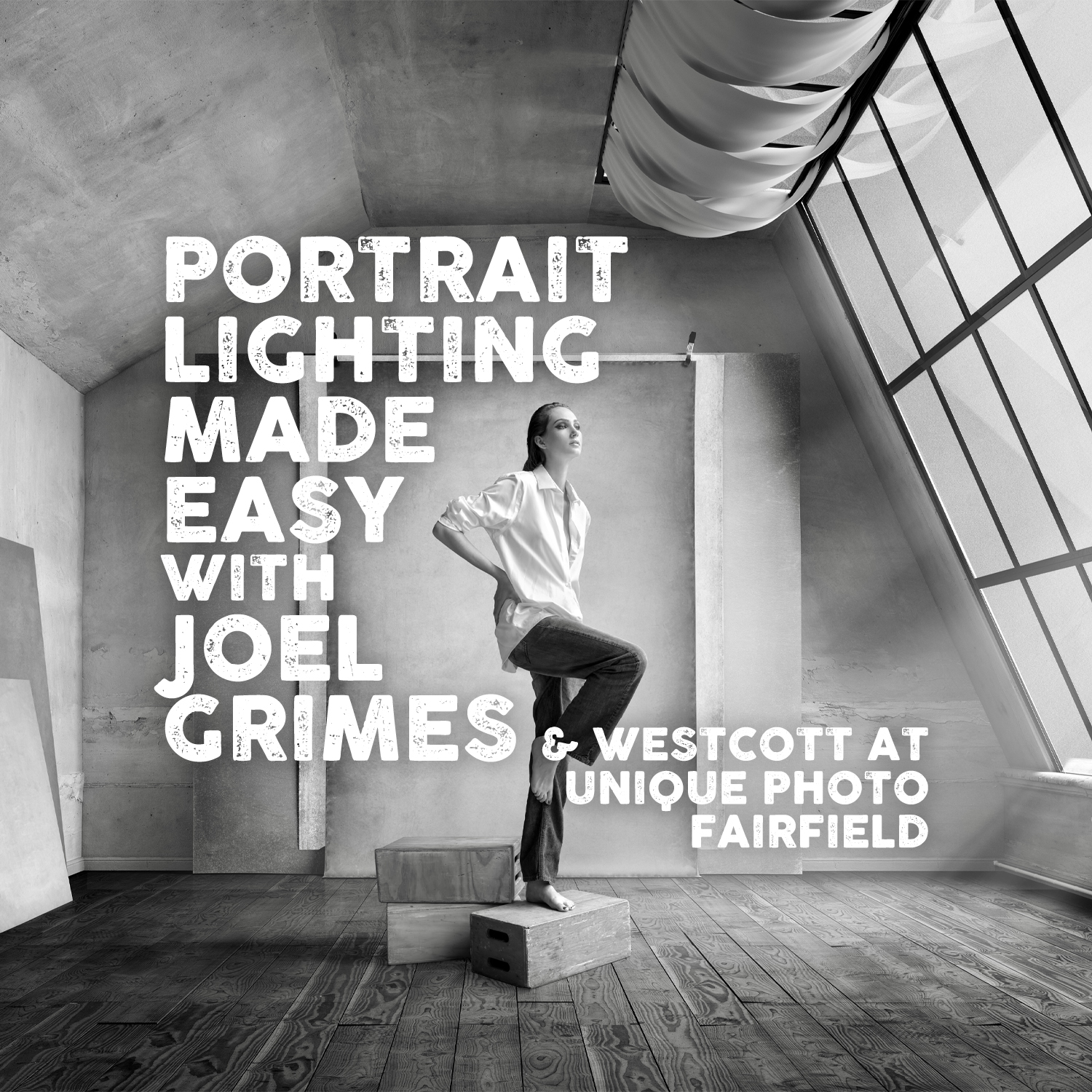
How can I manage color under mixed lighting or add creative tones on location?
When ambient light sources vary (tungsten indoors, daylight from windows, LEDs in signage), gel your flash to match the dominant color temperature and correct in-camera. For editorial style, colored gels can add mood or a brand-specific palette. A simple, reliable option is the LEE Filters Rose Purple Lighting Effect Gel—use it on a background light or rim to create separation without overpowering skin tones. 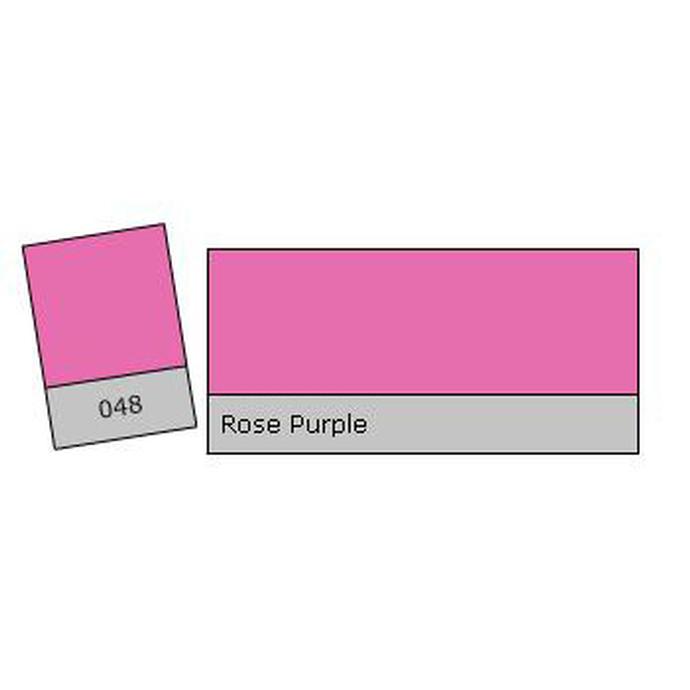
What’s a smart, portable lighting kit for fast-moving assignments?
Build around two lights: one key and one accent or background. Add compact modifiers (collapsible softbox, umbrella), a set of gels, and at least two stands with quick-grip clamps. Pack sandbags or water bags for stability outdoors. Protect the setup with a hard, organized case so you can move quickly between locations—SKB’s iSeries 3i-4213-12 with Think Tank-designed dividers keeps lights, stands, and accessories secure and ready. 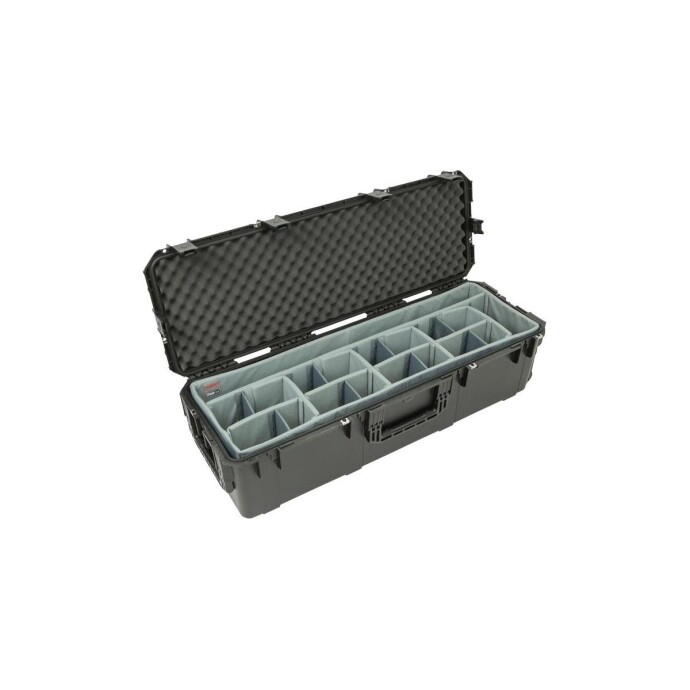
How do I light receptions or indoor events when I’m short on time?
Use strategic bounce for wide coverage and place one off-camera light high and feathered for clean, flattering coverage across a dance floor or seated tables. Set your camera to expose ambient for the room’s vibe, then add flash to lift faces. Practice a repeatable, two-light setup so you can deploy quickly when things get hectic—our Posing and Lighting Bootcamp: Reception Lighting with Magda and Simon focuses on exactly these real-world workflows. 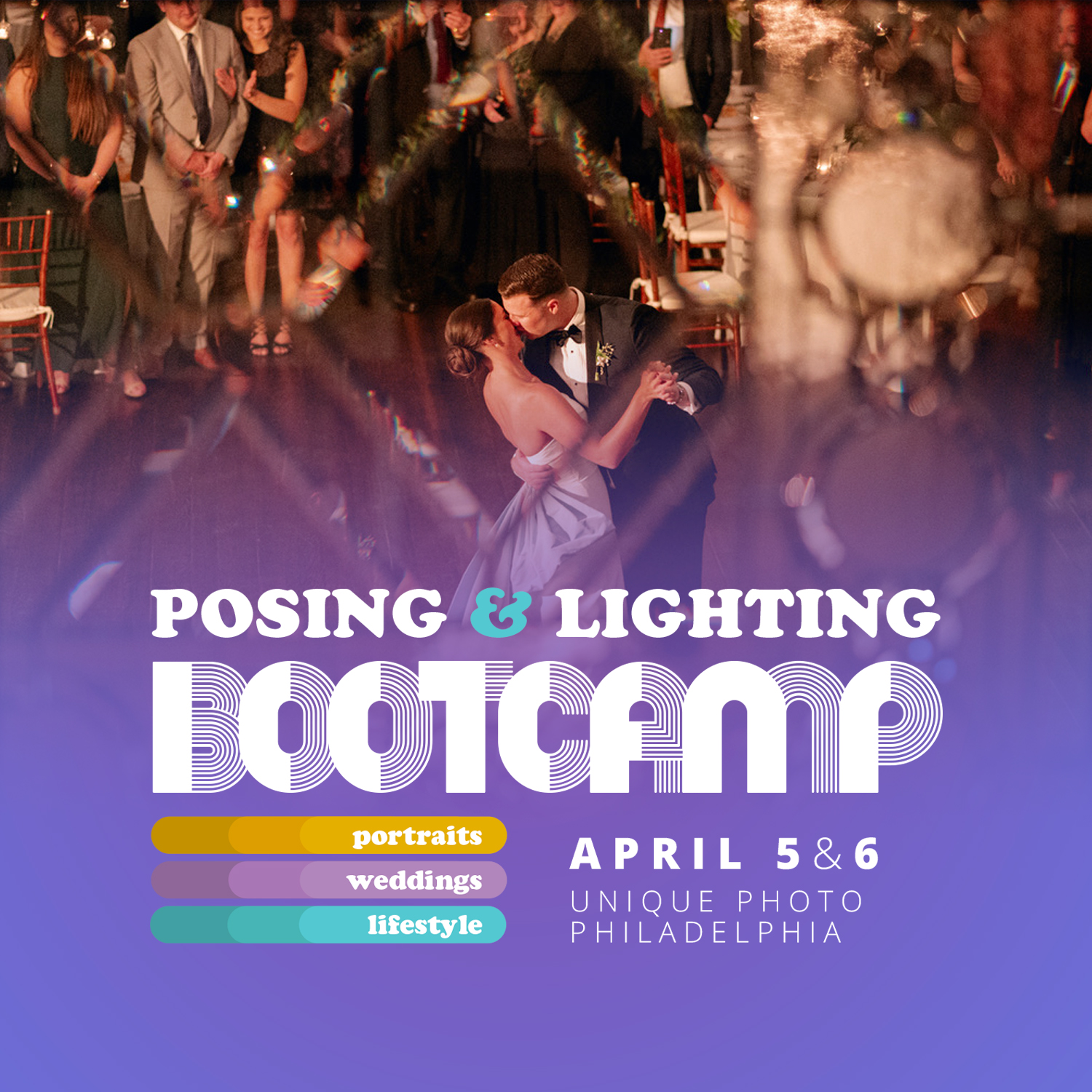
Should I choose continuous light or strobes for feature work?
Continuous lights are intuitive—what you see is what you get—and they’re excellent for video or mixed media assignments. Strobes deliver more power, short flash durations to freeze motion, and better efficiency in bright environments. Many photographers carry one of each to stay flexible. If you want creative ways to combine and shape both, our NJCS: Advanced Creative Lighting with Robert Harrington and ExpoImaging is a great resource. 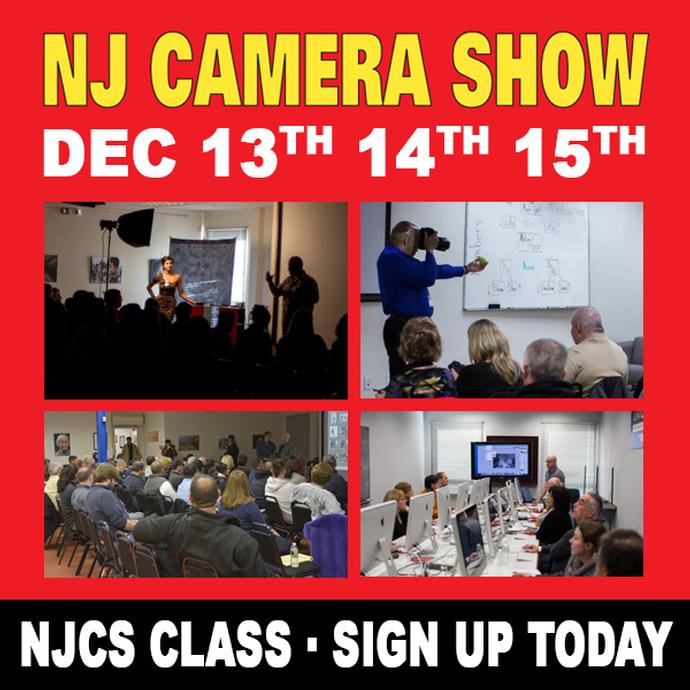
What camera settings help avoid sync problems and keep images crisp?
Know your camera’s native sync speed (often around 1/200–1/250 sec). Use high-speed sync when you need shallow depth of field in bright conditions. Keep ISO moderate to preserve dynamic range, and choose manual flash when you need consistency across a series; use TTL when speed matters and the scene changes rapidly. For hands-on practice with exposure balancing and HSS, revisit our Mastering Portrait Lighting: Mixing Flash and Ambient Light (Session 9).
Whether you’re crafting portraits in a conference room or chasing golden hour outdoors, Unique Photo has the training, tools, and guidance to make your lighting dependable and creative. Visit us in Fairfield, NJ or shop online for courses, gels, cases, and more—then get out there and light with confidence.