If you’ve been shooting with a kit lens and wondering whether an upgrade to an f/1.4 lens is really worth it, this guide is for you. Maybe you want softer background blur, cleaner low-light images, or a more professional look in portraits, events, video, or night photography. The truth is that a fast f/1.4 lens can be a major creative upgrade—but it is not automatically the right choice for every photographer.
Below, we’ll break down when an f/1.4 lens makes sense, when a kit lens is still the smarter buy, and which options are worth considering depending on your style of shooting.
Kit Lens vs f/1.4 Lens: What Changes?
A typical kit lens is designed for flexibility and value. It usually gives you a useful zoom range for travel, family, and everyday photography. The tradeoff is a smaller maximum aperture, often something like f/3.5-5.6. That means less light reaching the sensor and less ability to blur the background.
An f/1.4 lens is a very different tool. It lets in dramatically more light, helps in dim conditions, and creates shallower depth of field for stronger subject separation. This is why portrait shooters, wedding photographers, filmmakers, and astrophotographers often prioritize fast glass.
| Feature | Kit Lens | f/1.4 Lens |
|---|---|---|
| Price | Usually budget-friendly | Higher investment |
| Versatility | Often a zoom, great for general use | Usually specialized, often prime |
| Low-Light Performance | Limited | Excellent |
| Background Blur | Modest | Strong, cinematic look |
| Size/Weight | Often lighter | Often larger and heavier |
| Learning Curve | Easy for beginners | Requires more care with focus and depth of field |
When an f/1.4 Upgrade Is Worth It
An f/1.4 lens is worth the investment if you regularly run into the limits of your current lens. Common signs include:
- You shoot indoors or at night and struggle with noise or slow shutter speeds.
- You want more pronounced background separation for portraits.
- You are building a more polished look for client work or content creation.
- You shoot video and want a more cinematic rendering.
- You have a clear specialty such as portraits, astro, or low-light events.
If that sounds like your workflow, a fast lens can absolutely change your results more than a minor camera body upgrade.
When You Should Stick with a Kit Lens
If you mostly shoot vacations, casual family photos, landscapes in daylight, or you are still learning composition and exposure, your kit lens may still be the better fit. A kit zoom remains incredibly practical because it covers multiple focal lengths in one lens. For many photographers, versatility matters more than speed.
You should also think carefully before buying f/1.4 if you rarely shoot wide open. Fast lenses are premium tools, but if you normally work at f/4 to f/8, the practical benefit may be smaller than expected.
Our Pick
Best practical f/1.4-style upgrade for portrait shooters: Canon EF 85mm f/1.4L IS USM
For photographers moving beyond a kit lens and looking for a real-world image quality upgrade, the Canon EF 85mm f/1.4L IS USM stands out. It delivers the classic benefits people expect from a premium fast lens: beautiful background blur, strong low-light capability, and a polished portrait look. The added image stabilization also makes it especially appealing for handheld work.
Recommended Lenses to Consider
Canon EF 85mm f/1.4L IS USM Lens
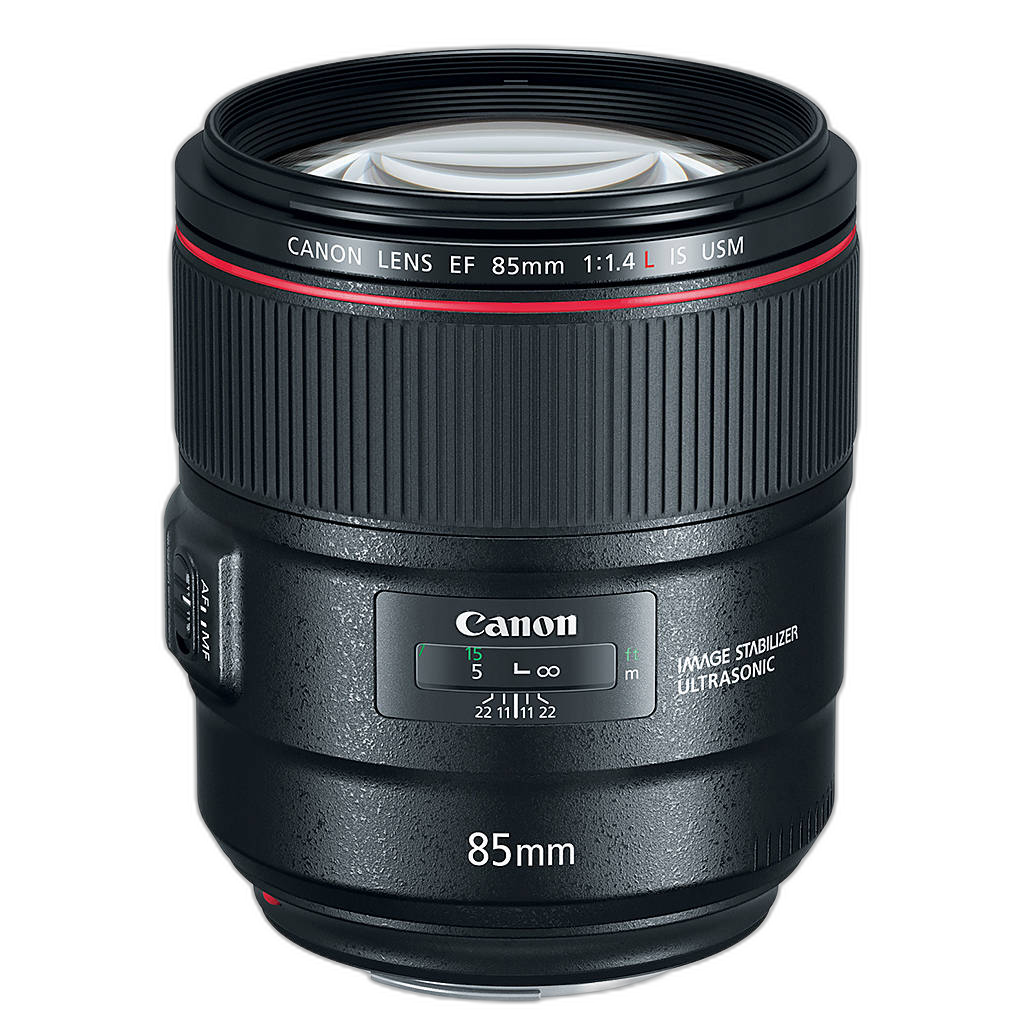
If your main reason for upgrading is portraits, this is the kind of lens that makes the move from a kit lens feel immediately worthwhile. The 85mm focal length is flattering for headshots and subject isolation, while the f/1.4 aperture helps create the creamy background blur many photographers want. Canon’s L-series build and image stabilization make it a strong choice for enthusiasts and professionals alike.
At Unique Photo, the open-box and used options can make this level of lens much more attainable than buying new premium glass.
Open Box Canon EF 85mm f/1.4L IS USM Lens
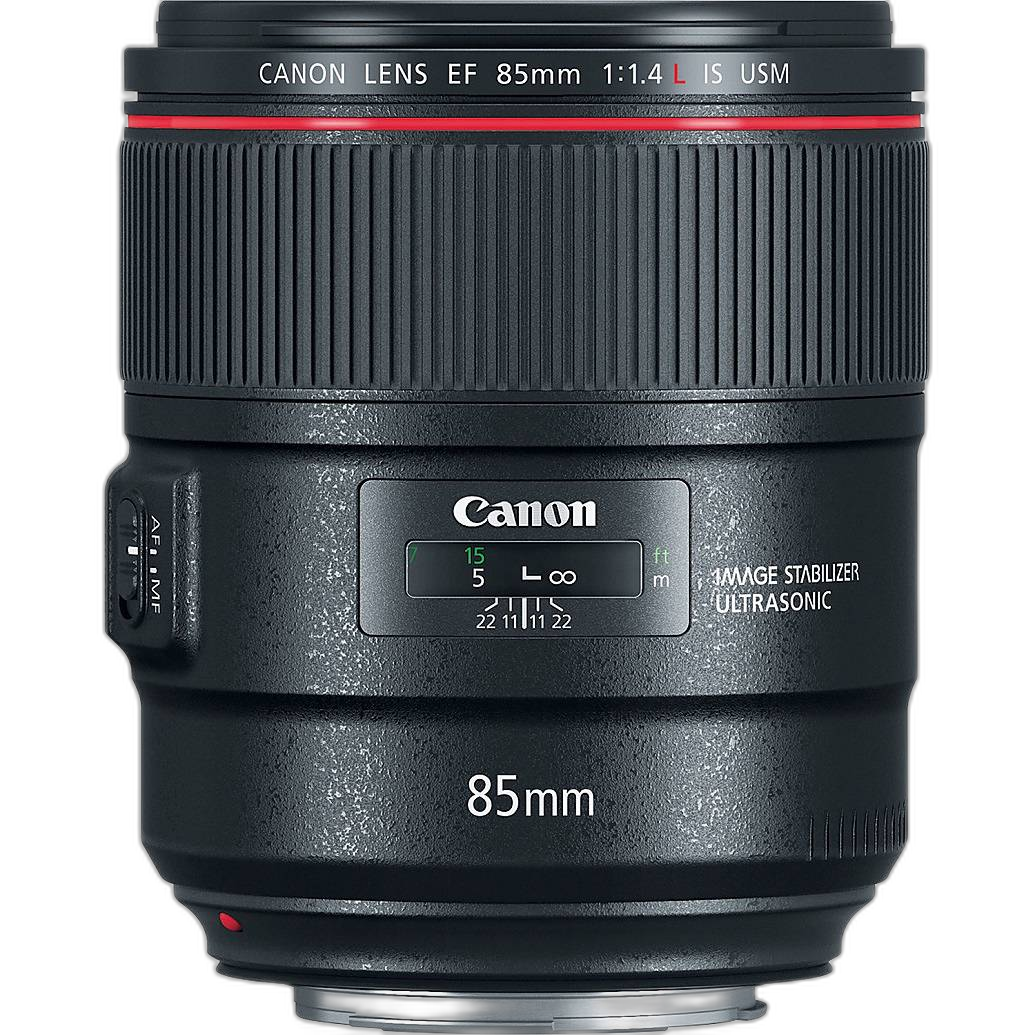
This is a particularly smart option if you want premium optics without paying full retail pricing. Compared to a kit lens, this is a dramatic upgrade in subject separation, low-light capability, and overall rendering. It is best for photographers who know they want to specialize in portraits, weddings, or event work.
Used Canon 85mm f/1.4L IS USM - Good
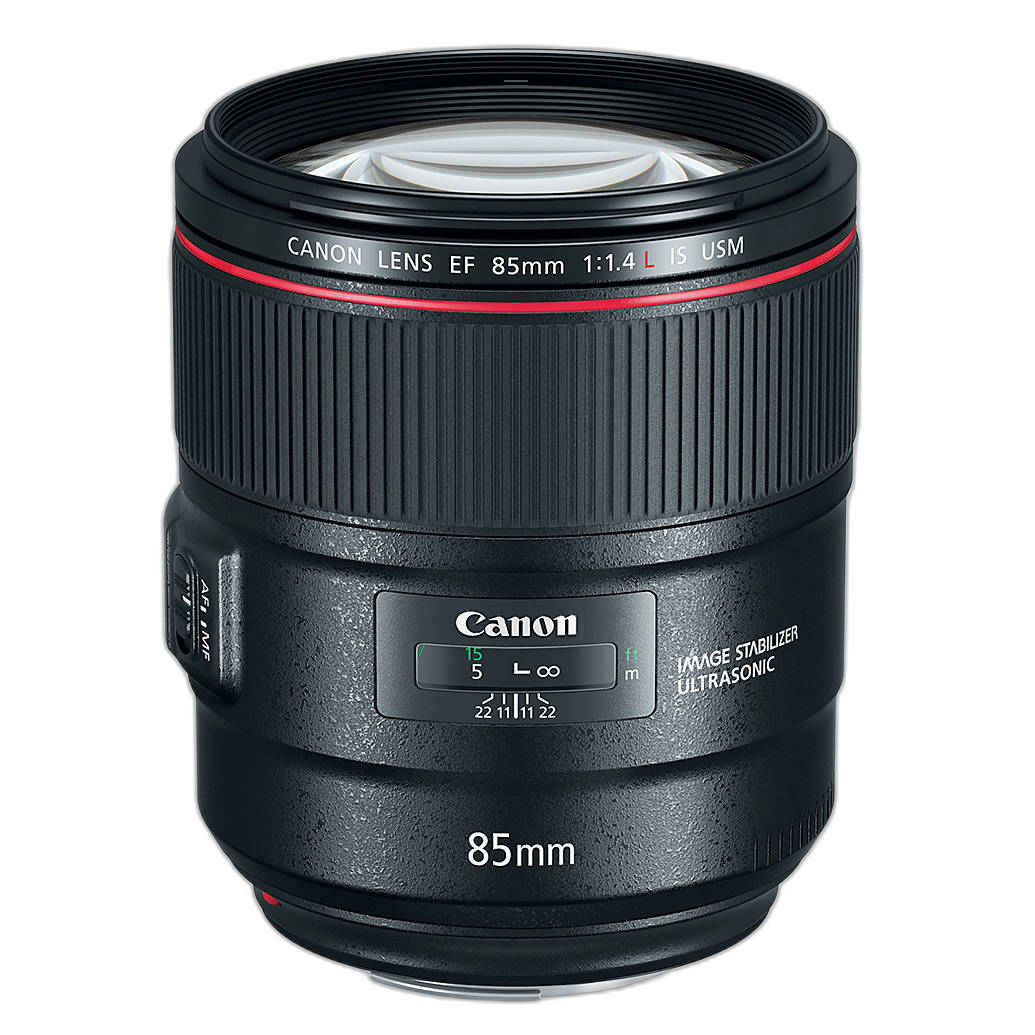
If budget is the main reason you have stayed with a kit lens, a used copy can be an excellent middle ground. You still get the signature fast-aperture look, but at a more approachable price point. For many photographers, buying used is the easiest way to step into premium glass.
Used Fair Canon EF 85mm f/1.4L IS USM Lens
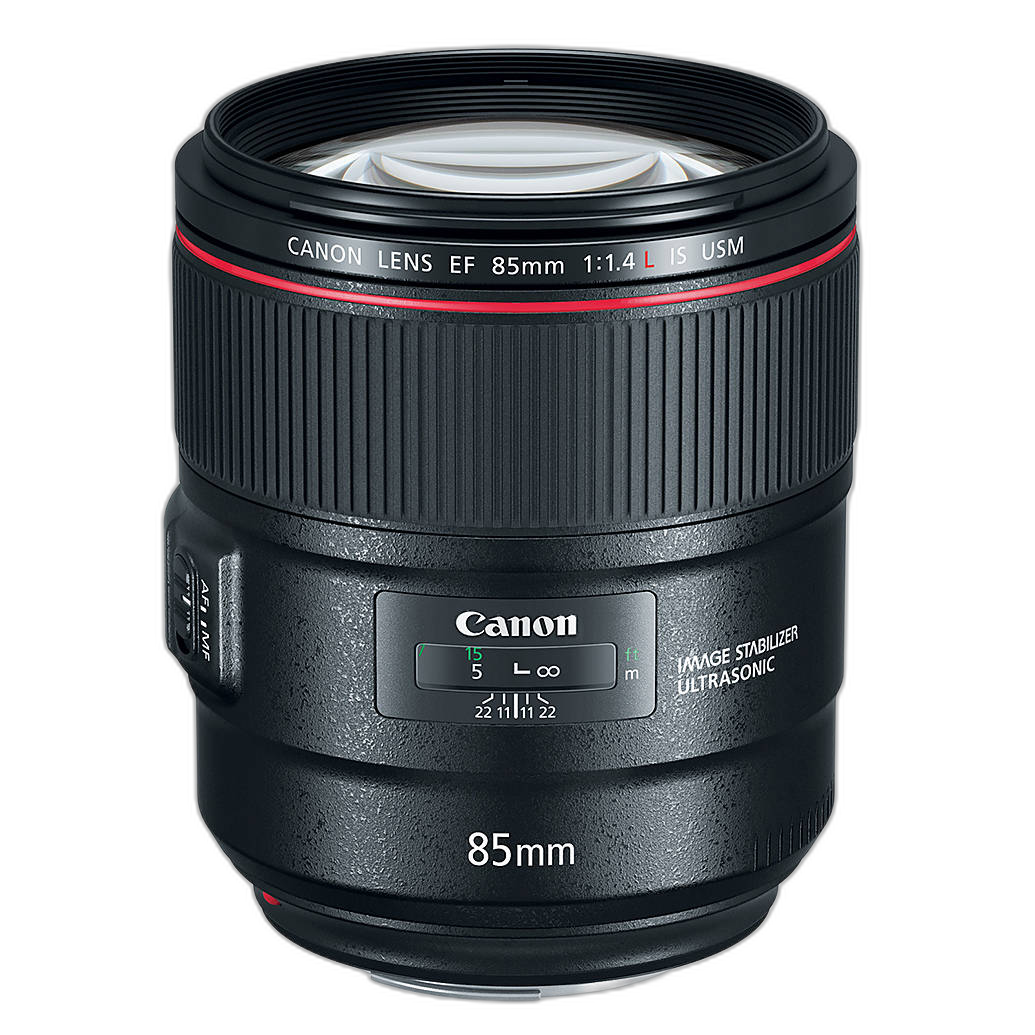
This option is worth considering if your priority is simply getting into an f/1.4-class lens for the lowest possible investment. If optical performance matters more to you than cosmetic condition, a fair-grade used lens can offer strong value.
Canon RF 14mm F1.4 L VCM
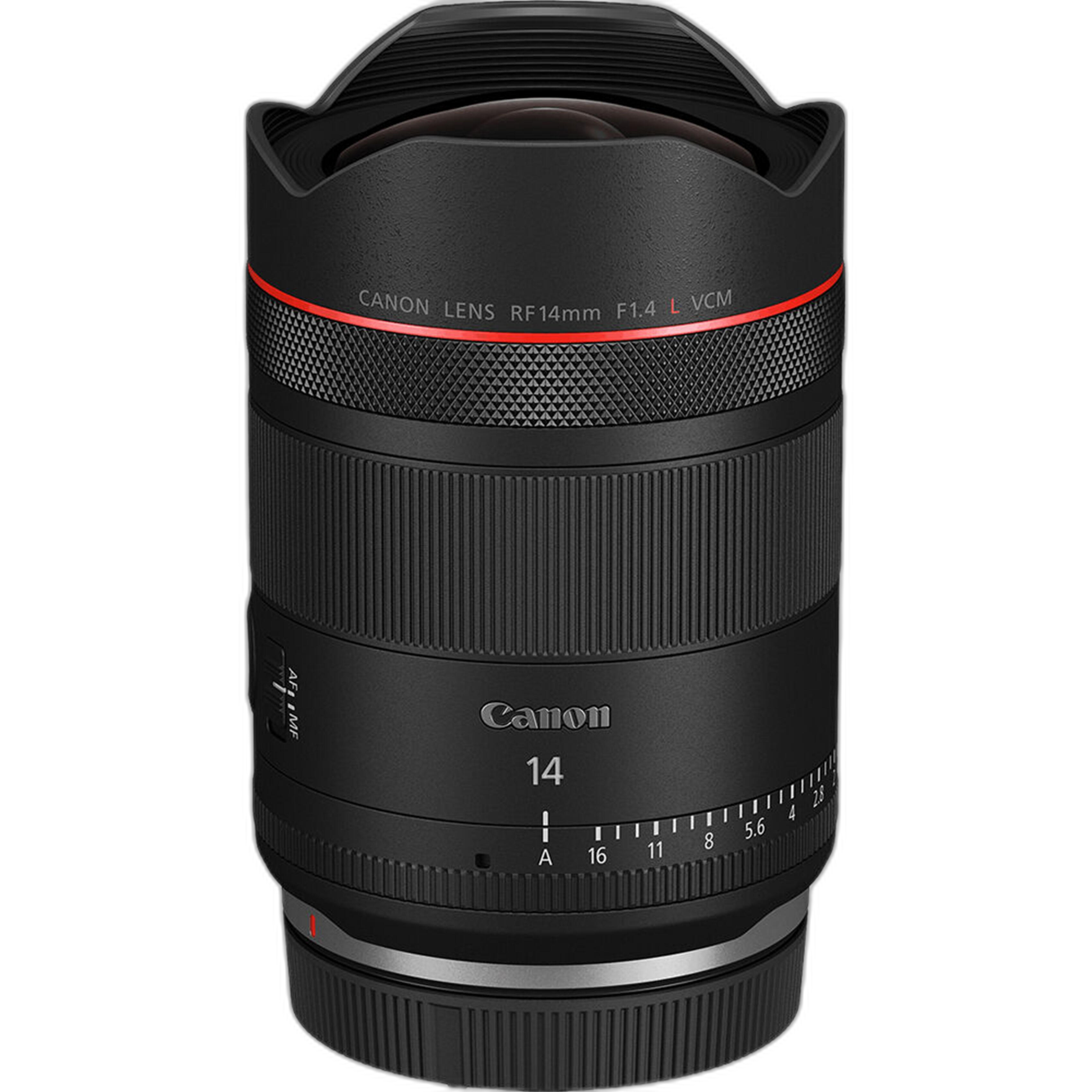
Not every f/1.4 upgrade is about portraits. If you shoot night skies, dramatic architecture, interiors, or ultra-wide video, the Canon RF 14mm F1.4 L VCM is a compelling example of why fast aperture matters. It brings in much more light than a typical wide kit zoom, which can be a huge advantage for astrophotography and low-light creative work on the RF system.
Sigma 14mm F1.4 DG Art Lens for L Mount
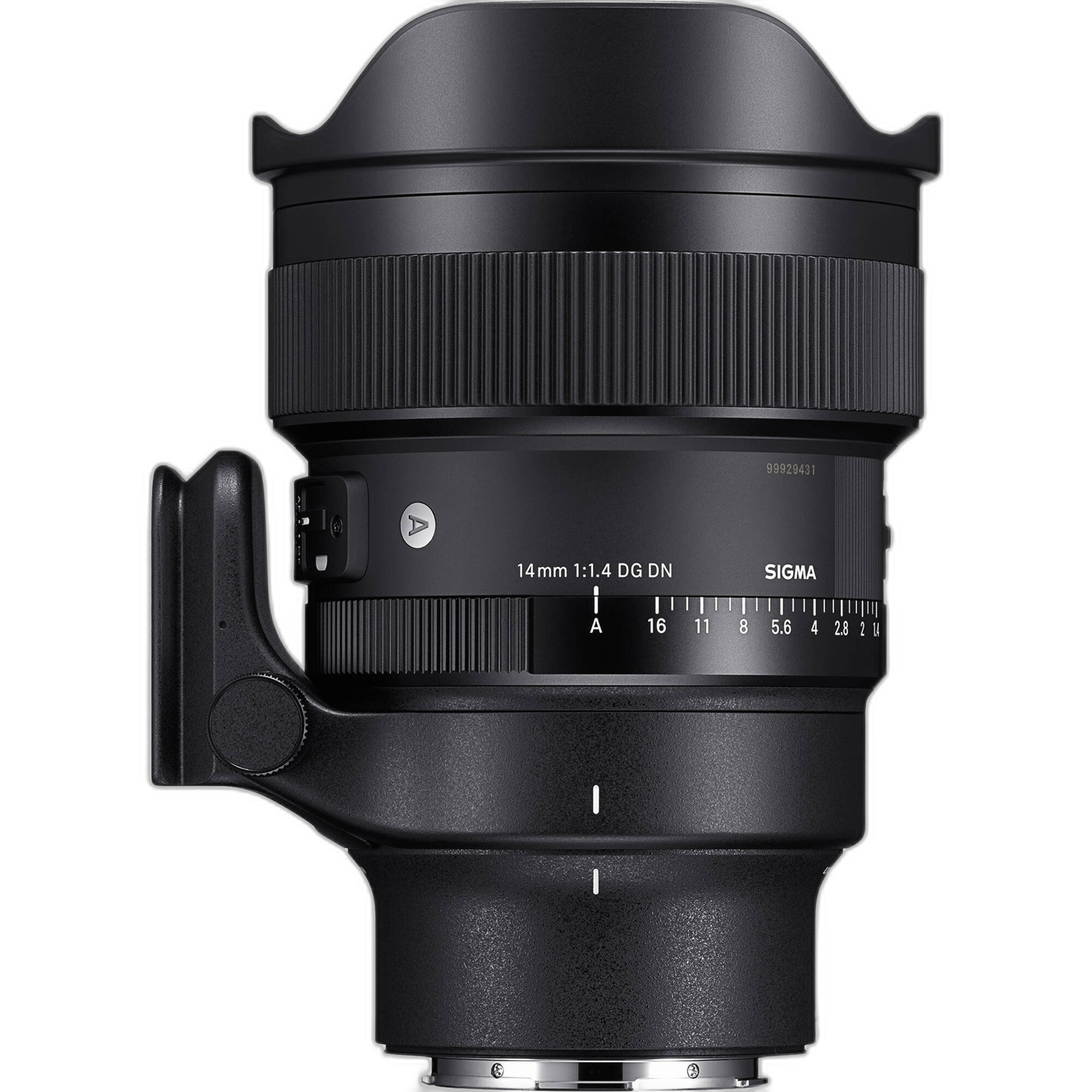
For L-Mount users, this lens is a specialty upgrade that showcases the real power of f/1.4. It is not a replacement for the everyday flexibility of a kit zoom, but for astro and low-light wide-angle work, it can be transformative. If your creative goals are highly specific, a lens like this can do far more for your images than staying with a slower general-purpose lens.
Sigma T2/T1.5 FF 7 Lens Kit with Case (Canon EF)
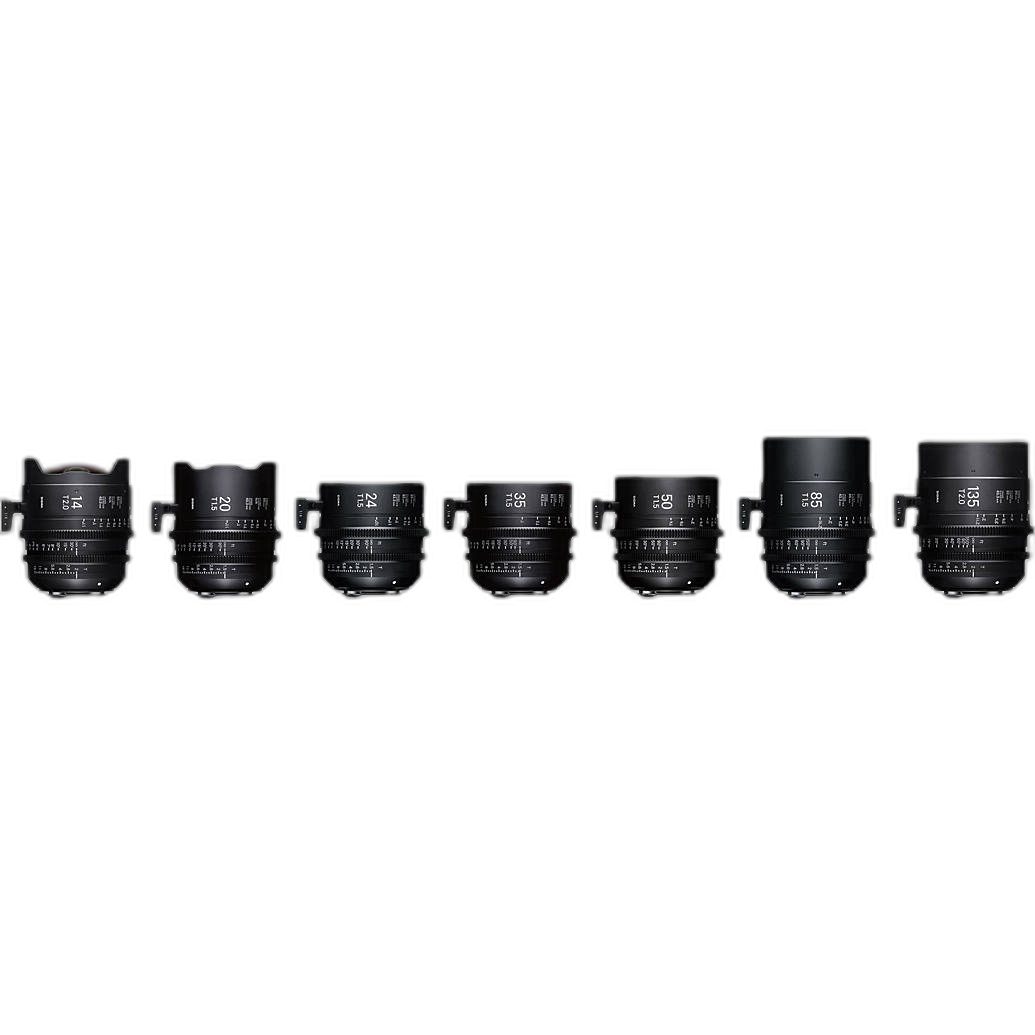
For filmmakers asking the same question from a cinema perspective, investing in fast glass can be even more impactful. This Sigma cine kit offers a consistent, professional solution across multiple focal lengths. If you are shooting narrative, commercial, or high-end video work, fast cine lenses offer superior control, matching, and low-light capability beyond what a basic kit lens can provide.
Sigma T2/T1.5 FF 7 Fully Luminous Lens Kit with Case (Canon EF, Metric)
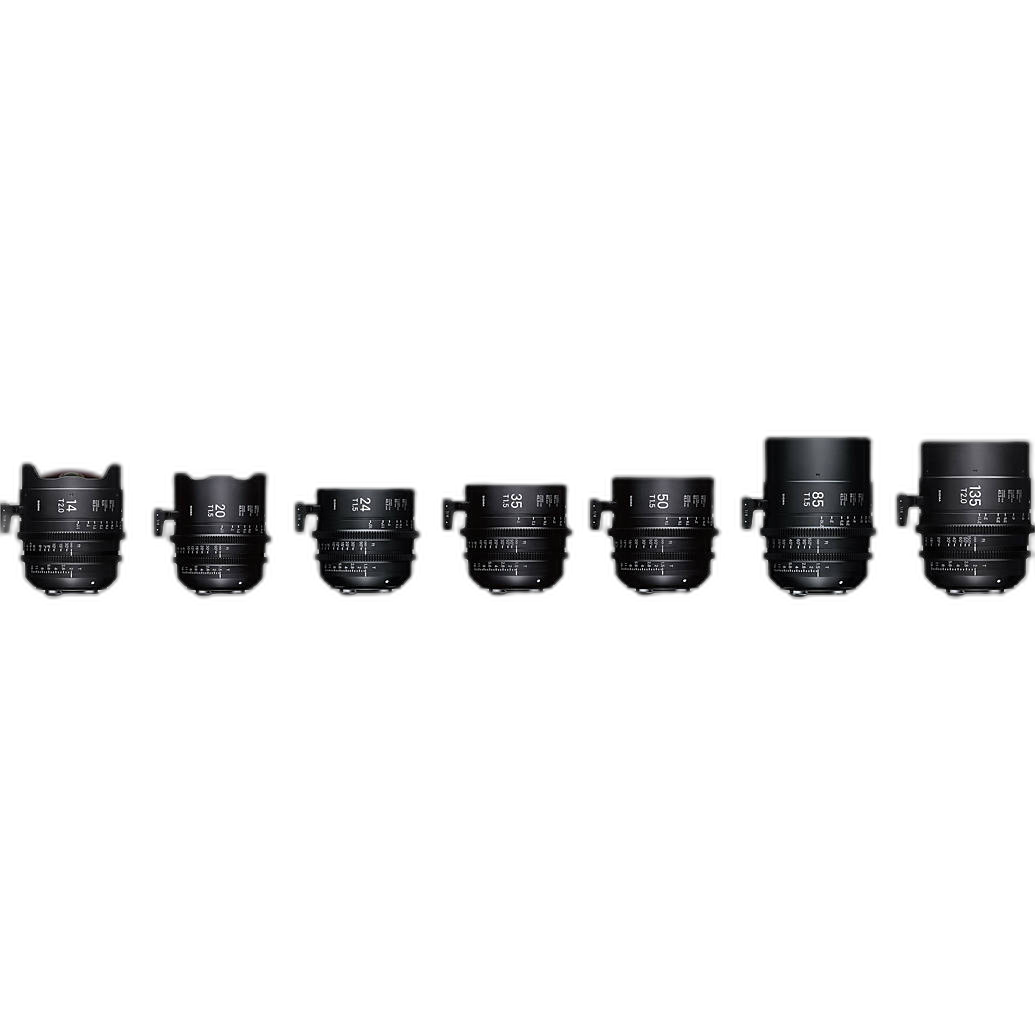
This is a premium cinema-oriented answer to the f/1.4 question. If your work demands consistent transmission, geared housings, and a full set of matched lenses, then investing in fast professional optics makes complete sense. It is not for casual shooters, but it shows how valuable fast apertures become once image control and production quality are your priority.
Best Upgrade Path by Shooting Style
| Shooting Style | Stay with Kit Lens? | Better Upgrade |
|---|---|---|
| Everyday travel and family photos | Often yes | Keep kit lens unless low light is a problem |
| Portrait photography | No, if you want stronger background blur | Canon EF 85mm f/1.4L IS USM |
| Astrophotography | Usually no | Canon RF 14mm F1.4 L VCM or Sigma 14mm F1.4 DG Art |
| Events and weddings | Only as backup | Fast 85mm f/1.4-class lens |
| Cinema and video production | No | Sigma T2/T1.5 FF cine kits |
So, Should You Invest in f/1.4?
If you are feeling limited by your kit lens, then yes—an f/1.4 lens can be a meaningful upgrade. The biggest gains come in low light, subject isolation, and overall image character. But the right answer depends on what you shoot. For portraits and events, an 85mm f/1.4 is one of the most rewarding jumps you can make. For astro and ultra-wide creative work, a 14mm f/1.4 can unlock shots your kit lens simply cannot deliver. For cinema, fast matched lenses are often a professional necessity.
If you still value flexibility above all else, your kit lens may remain the smarter tool for now. But if you have a clear direction and want your images to look more intentional and refined, a fast lens is often one of the best investments you can make. Explore new, open-box, and used lens options at Unique Photo to find the upgrade that fits both your camera system and your budget.